Water Billing for Students: How Much You Really Pay and How to Save
When you rent student housing in the UK, water billing, the charge for using tap water and drainage services in rented accommodation isn’t always obvious. Unlike electricity or gas, water costs are often bundled into rent—or worse, billed separately without clear breakdowns. For many students, this leads to surprise bills, confusion over who pays, and unnecessary spending. In fact, a 2023 survey by the National Union of Students found that 62% of students didn’t know if their water was included until they got their first bill. Whether you’re in a shared house in Manchester or a university flat in Edinburgh, understanding how water billing works can save you hundreds a year.
Most student accommodations in the UK fall into two categories: those with water meters and those without. If your place has a meter, you pay for exactly what you use—often through a third-party provider like Severn Trent or Welsh Water. No meter? Then your landlord likely charges a flat fee, sometimes inflated because they’re covering the whole building. And here’s the kicker: even if your rent says "bills included," water might not be. Always check the tenancy agreement. Landlords can’t legally charge more than the actual water company’s rate unless they’re adding a fair management fee—and even then, they must show you the bill. Many students don’t know this, so they overpay for months.
Another hidden issue? student accommodation costs often include water even when no one’s home. Think about it: if you’re away for Christmas or doing a placement year, are you still paying for water you didn’t use? Some providers let you pause billing or switch to a lower tariff during long absences. Others don’t. You need to ask. And if you’re in a big house with 8 people, a single meter can make your bill skyrocket if one roommate leaves the tap running. That’s why some students opt for student utility bills splitting apps like Splitwise or Billsplitter—just to keep track of usage fairly.
Don’t assume your university or landlord will explain this stuff. You have to ask. Request a copy of the water bill from your landlord. Ask if there’s a meter. Find out who the supplier is. Check if you can switch to a cheaper provider—some areas let tenants choose. And if you’re in England, remember: if you’re on a water meter and your household is low-income or full of students, you might qualify for the WaterSure scheme, which caps your bill at the average rate. It’s free to apply. You just need proof of your student status and your water usage.
There’s no magic trick to avoiding water bills, but there are smart moves. Fix leaky taps. Take shorter showers. Don’t run the dishwasher half-empty. These small habits add up. And if you’re sharing a house, put up a simple chart: who used the washing machine last? Who left the bath running? Accountability cuts costs faster than any discount code.
Below, you’ll find real guides from students who’ve been there—how to read your water bill, how to challenge an unfair charge, which UK cities have the cheapest rates, and how to split costs without starting a fight. No fluff. Just what works.
Published on Nov 21
0 Comments
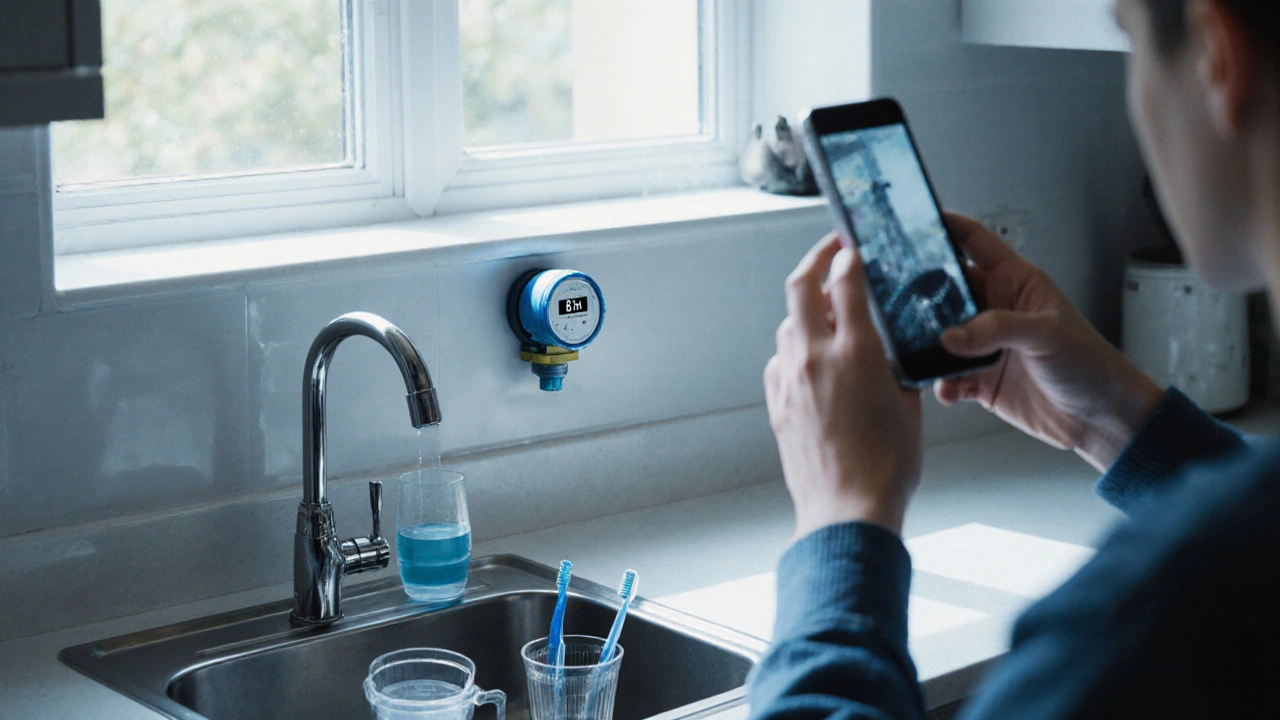
Water meters in UK student housing let you pay only for the water you use, not a flat rate. Learn how they work, what they cost, and how to save money on your bills as a student.