UK Energy Bill: What Students Need to Know About Costs, Support, and Payment Plans
When you’re living on a student budget, your UK energy bill, the monthly charge for gas and electricity in your home. Also known as utility bill, it’s one of the biggest surprises after rent. It’s not just about how much you use—it’s about how your landlord sets it up, whether you’re on a fixed tariff, and if you’re eligible for any support. Many students think their bill is fixed because it’s included in rent, but that’s not always true. Some landlords pass on variable costs, and others charge a flat fee that’s way above market rate.
That’s why knowing your rights matters. If you’re in private rented housing, your energy provider might be different from your landlord’s choice. You can switch suppliers—even as a student—and save up to £300 a year. The Energy Price Guarantee, a government scheme that caps how much suppliers can charge per unit of energy. It’s still active in 2025, but the cap changes every few months. Then there’s the Warm Home Discount, a £150 rebate for low-income households, including many students on benefits or with low part-time earnings. You don’t need to be on universal credit to qualify—some students on maintenance loans do. And if you’re on a payment plan, make sure it’s affordable. Many students get stuck on direct debits that are too high, then get hit with large arrears when usage spikes in winter.
It’s not just about money—it’s about control. Setting up your own account with a provider like Octopus or Bulb gives you real-time usage data, so you can see exactly when your bill spikes. Is it because you left the heater on all day? Or because your flatmates never turn off the lights? You can’t fix what you can’t measure. And if you’re in university halls, ask if they offer a green tariff or energy-saving tips. Some campuses now run LED lighting, smart thermostats, and even group discounts.
There’s also a hidden issue: energy poverty. A 2024 survey by the National Union of Students found that 1 in 4 UK students skipped heating to save money. That’s not normal. It’s not just uncomfortable—it’s unhealthy. Cold homes increase stress, hurt sleep, and make studying harder. You don’t have to accept that. Whether you’re in a shared house in Manchester, a studio in Cardiff, or a flat in Edinburgh, you have options. You can apply for hardship funds, get free energy advice from Citizens Advice, or join a student energy collective to negotiate better deals.
Below, you’ll find real guides from students who’ve navigated this mess—how to read your bill, how to challenge unfair charges, how to get your deposit back when you leave, and how to split costs fairly with flatmates. No fluff. Just what works when you’re broke, busy, and trying to survive your degree without going into debt over your heater.
Published on Oct 26
0 Comments
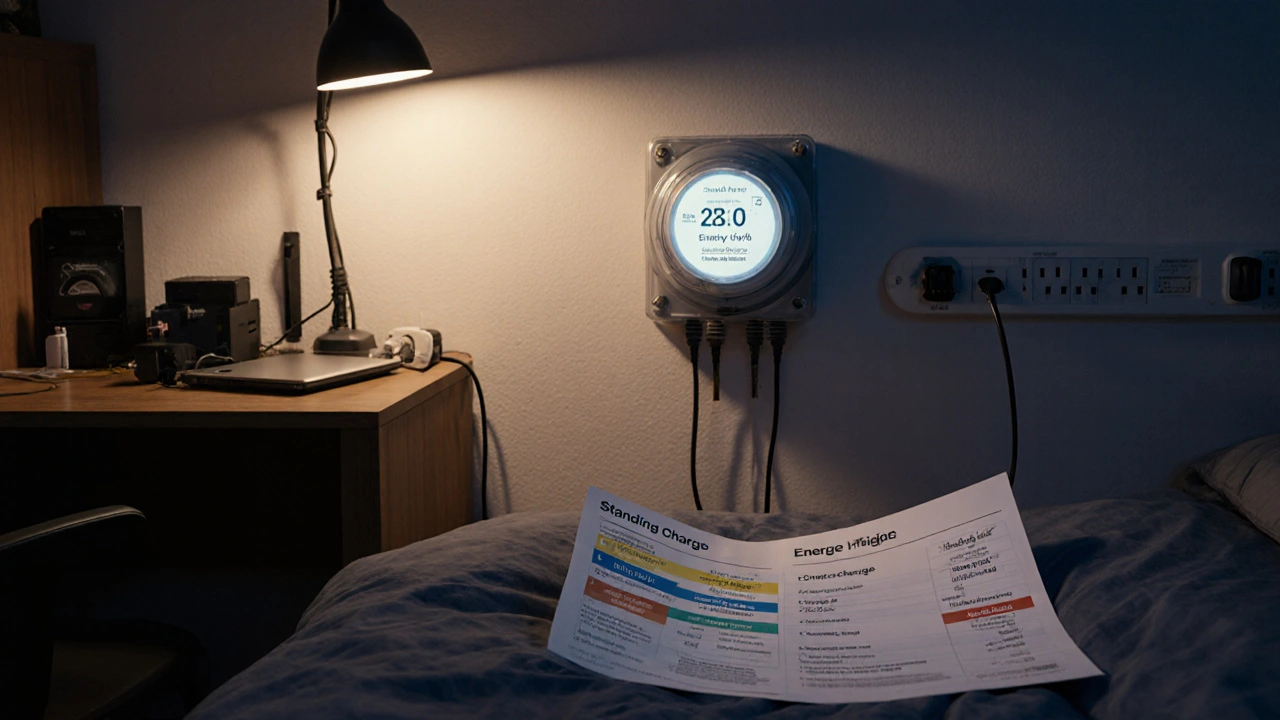
Learn how to read your UK energy bill as a student, spot hidden fees, switch to cheaper tariffs, and cut costs without stress. Simple steps to save money on gas and electricity.
Published on Oct 19
0 Comments
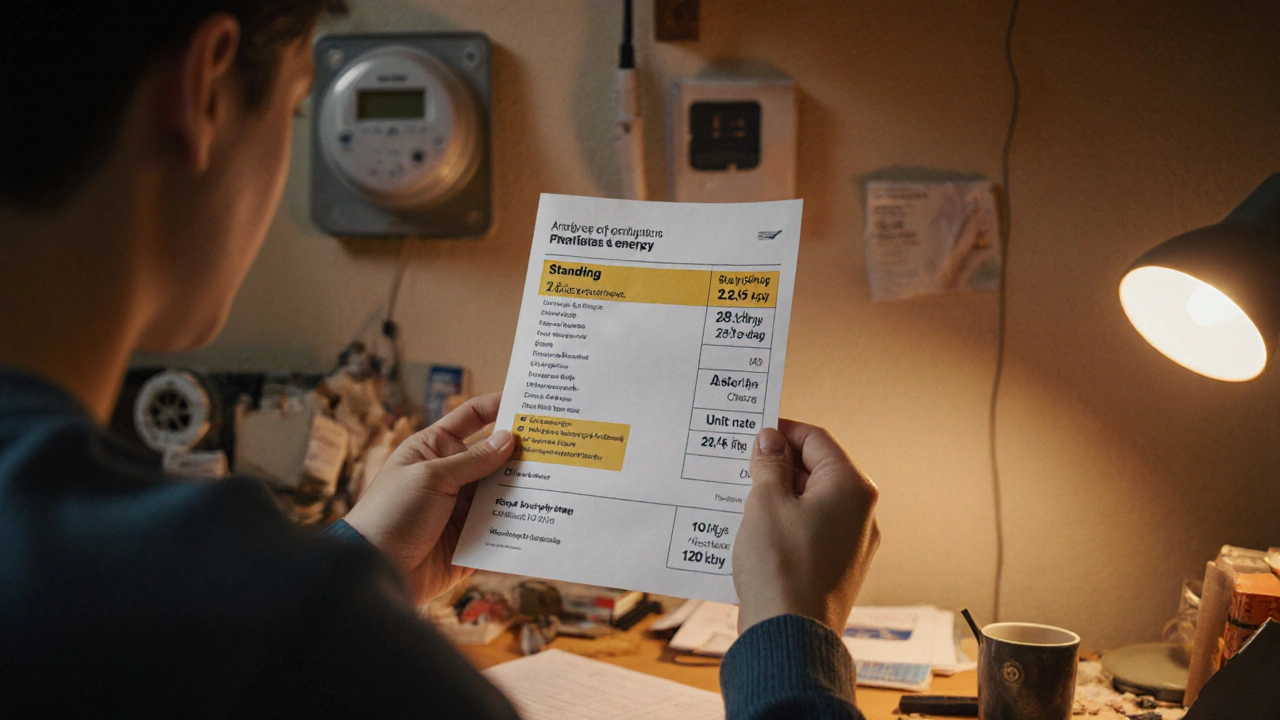
Learn how to read your UK energy bill as a student - understand unit rates, standing charges, and usage to save money and avoid overpaying on gas and electricity.