Student Water Bills: What You Pay and How to Save in UK Housing
When you move into student housing in the UK, student water bills, the charges for tap water and wastewater removal in rented accommodation. Also known as water charges, they’re often bundled with gas and electricity—but not always. If you’re paying separately, you could be overpaying without even knowing it. Unlike homes with individual meters, many student flats share one water meter for the whole property. That means your landlord or letting agent might charge you a fixed amount each month, regardless of how much you actually use. Some students end up paying more than they should because there’s no way to track usage. And if your bill includes sewerage or drainage fees, those costs can add up fast.
Who’s responsible for paying? It depends. If your tenancy agreement says bills are included, your rent covers everything—water, gas, electricity, internet. But if it’s not included, you’re on the hook. Some landlords use a utility bill splitting system, a method where costs are divided equally among tenants. That’s simple, but it’s not fair if one person uses way more water than others. Others use water meters, devices that measure actual water consumption per household. These are better for accuracy, but not all student homes have them. If yours doesn’t, ask your landlord if they can install one—or at least offer a fairer way to split the cost.
Here’s the thing: water isn’t cheap. In England and Wales, the average annual water bill for a household is around £400. For students living in a 5-bedroom house, that’s £80 each—unless someone’s running the shower for an hour every day. You can cut that cost by up to 40% just by changing small habits: shorter showers, turning off the tap while brushing your teeth, fixing leaky faucets. And if your landlord refuses to fix a dripping pipe? You have rights. Under UK law, landlords must keep the property in good repair—including plumbing. A slow drip might seem harmless, but it can waste hundreds of litres a month. Document it. Send a message. If they ignore you, contact your student union or local council’s housing team.
And don’t assume your water bill is the same everywhere. In Scotland, water charges are often included in council tax, so students living there rarely pay separately. In Northern Ireland, water bills are usually separate but heavily subsidized. So where you live changes everything. That’s why it’s critical to check your tenancy agreement before you sign. Look for the word "utilities"—and what’s listed under it. If it’s unclear, ask for a breakdown in writing.
Below, you’ll find real guides from students who’ve been there: how to spot hidden charges, how to negotiate fair splits, how to prove you’re being overcharged, and how to get your landlord to act. No fluff. No theory. Just what works when you’re on a budget, juggling deadlines, and trying not to get kicked out for unpaid bills.
Published on Nov 21
0 Comments
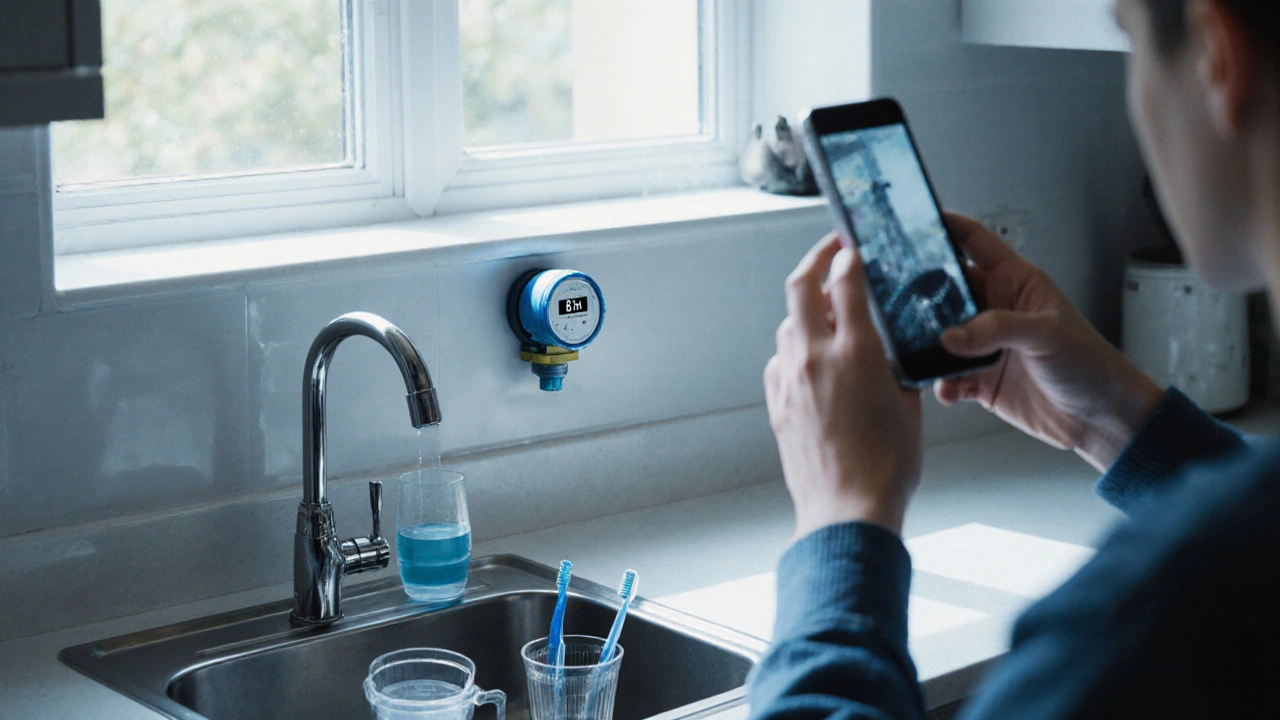
Water meters in UK student housing let you pay only for the water you use, not a flat rate. Learn how they work, what they cost, and how to save money on your bills as a student.