Student Phone Contracts in the UK: What You Need to Know
When you’re a student in the UK, your student phone contract, a mobile service agreement tailored for students with lower monthly fees and flexible terms. Also known as student SIM deals, it’s one of the first bills you’ll need to manage—after rent, before groceries. Most providers offer special deals for students, but not all are worth your time. Some lock you into 24-month plans with data you’ll never use. Others charge extra for calls or texts you rely on every day. The real trick isn’t finding a cheap plan—it’s finding one that matches how you actually live.
Many students use their phones for more than just calling. You’re streaming lectures on YouTube, texting your flatmates, checking train times, and scrolling through student discount apps. That means data matters more than minutes. A pay as you go UK, a flexible mobile option where you top up credit as needed, without a monthly commitment might make more sense than a contract if you’re not always online. But if you’re using 10GB+ a month, a contract with unlimited data could save you cash in the long run. Providers like EE, O2, and Vodafone have student-specific tariffs—some even throw in free Spotify or Netflix for a year. But read the small print. Is the free streaming really useful? Or is it just a gimmick to make the deal look better?
Another thing students forget: network coverage. Just because a plan is cheap doesn’t mean it works where you live. If you’re in a student flat in Glasgow or a basement room in London, signal strength can be terrible. Check real user reviews—not just the provider’s website. And don’t assume all student deals are the same. Some require a student ID, others need a UK bank account. A few even ask for a credit check, which can hurt your score if you’re new to the country. If you’re an international student, you might need a guarantor. Or you could skip the contract entirely and get a mobile network, a system that provides wireless communication services to mobile devices that doesn’t require one—like LycaMobile or Giffgaff. They’re often cheaper, more transparent, and let you cancel anytime.
There’s also the question of upgrades. Most contracts lock you in for two years, but what if you need a new phone after six months? You’re stuck paying for two devices. Or worse—you end up paying off an old phone while trying to sign up for a new one. Some providers now offer 12-month contracts or rolling plans. Others let you swap your phone halfway through. Ask before you sign. And if you’re sharing a flat, consider family plans. Some networks let you add multiple lines under one account, cutting costs for everyone.
Don’t forget the extras. Free Wi-Fi on campus? That reduces your mobile data use. Free student discounts on food and transport? That means you’re less likely to need a phone for navigation. But if you’re studying abroad for a term, international roaming charges can add up fast. Make sure your plan includes EU roaming—or get a local SIM when you travel. A lot of students end up with two phones: one for home, one for travel. It’s not ideal, but it’s cheaper than paying roaming fees every month.
There’s no single best student phone contract. What works for someone in Manchester won’t work for someone in Cardiff. Your plan should fit your habits, not the other way around. Below, you’ll find real guides from students who’ve been there—how they saved £20 a month, how they switched from a contract to pay-as-you-go, and which networks actually deliver on their promises. No fluff. No upsells. Just what works.
Published on Nov 21
0 Comments
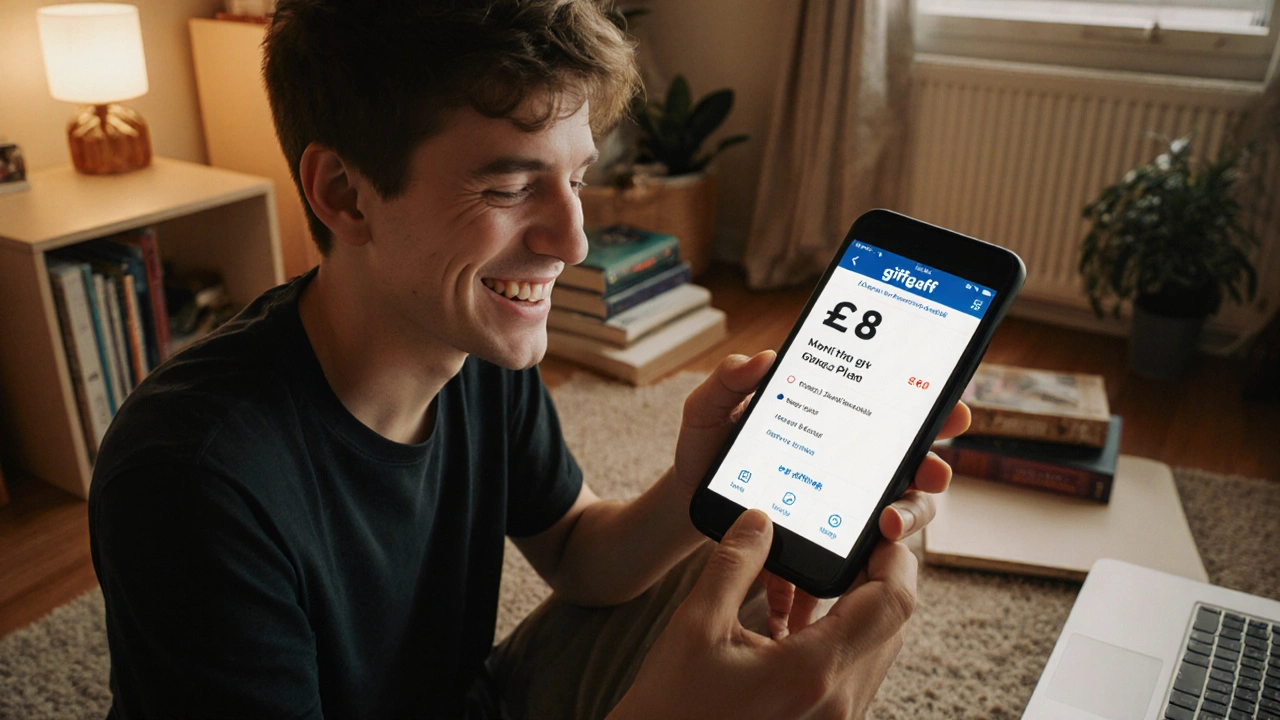
Find the cheapest and most reliable mobile phone plans for UK students in 2025. Compare data, calls, and student discounts from top providers like giffgaff, Smarty, and Lebara - all without overpaying.