Pay for Water Usage: How UK Students Handle Water Bills and Avoid Overpaying
When you pay for water usage, the cost of water supplied to your home, often billed as part of your overall utility expenses. Also known as water charges, it’s not always obvious how much you’re actually using—or if you’re being charged fairly. In UK student housing, this isn’t just about turning on the tap. It’s about understanding whether your rent includes water, if you’re on a meter, or if you’re paying a fixed share with flatmates who leave the shower running for an hour.
Most student accommodations in the UK either include water in rent or charge it separately. If it’s separate, you might be on a water meter, a device that tracks actual water consumption, billed per cubic meter used, or you might pay a flat rate based on the number of people in the house. The difference? A meter can save you up to 40% if you’re careful. But if you’re on a flat rate and your housemates waste water, you’re paying for their habits. That’s why knowing how your bill works matters more than you think.
Landlords sometimes add water costs to rent without telling you—and that’s legal, as long as it’s in the contract. But if you’re in a private rented house with no meter, you’re likely paying a fixed amount per person. Some providers, like sewerage services, the system that removes and treats wastewater, often bundled with water supply in UK bills, are managed by regional companies like Thames Water or Severn Trent. These companies don’t always make it easy to switch or dispute charges. But you can. Check your bill for a meter number, compare your usage to similar households, and ask your landlord for a copy of the water supplier’s tariff. If you’re in a shared house and no one’s tracking usage, start a simple log: who showers longest, who leaves taps running, who forgets to turn off the washing machine. Small changes add up.
Some universities offer water-saving tips through their student unions—like low-flow showerheads or leak-reporting apps. If your flat has a leak, report it immediately. A dripping tap can waste 15 litres a day. That’s over 5,000 litres a year. If you’re on a meter, that’s extra money out of your pocket. If you’re not, it’s still your landlord’s problem—and you have the right to ask for repairs.
International students often assume water is included in rent, only to get a surprise bill months later. Don’t wait. Check your tenancy agreement before you move in. Look for phrases like ‘bills included’, ‘utilities included’, or ‘water not included’. If it’s unclear, ask. And if you’re sharing with others, set up a simple payment system—maybe a shared Google Sheet or a group chat reminder every month. No one likes awkward money talks, but they’re cheaper than overdraft fees.
There’s no magic trick to lowering your water bill. But knowing how it works, who’s responsible, and how to spot waste gives you control. You don’t need to be a plumber. You just need to be aware. Below, you’ll find real advice from students who’ve been there—how to read bills, how to split costs fairly, how to talk to landlords without sounding demanding, and how to avoid being overcharged on water when you barely use any. No fluff. Just what actually works.
Published on Nov 21
0 Comments
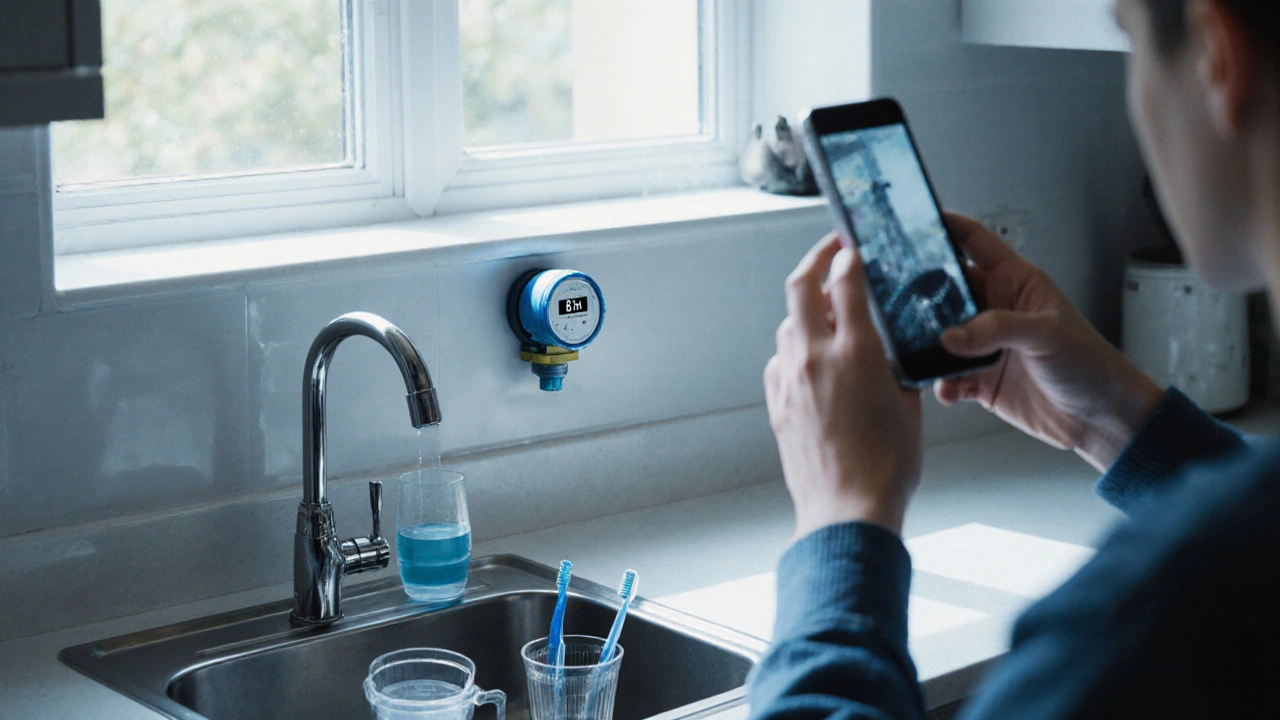
Water meters in UK student housing let you pay only for the water you use, not a flat rate. Learn how they work, what they cost, and how to save money on your bills as a student.