Dyslexia Assistive Technology: Tools That Help UK Students Learn Better
When you have dyslexia, reading a textbook or writing an essay shouldn’t feel like climbing a wall made of words. dyslexia assistive technology, software and tools designed to help people with dyslexia process written language more easily. Also known as learning aids for dyslexia, it includes everything from text-to-speech apps that read your assignments aloud to speech-to-text programs that turn your voice into typed essays. These aren’t just nice-to-haves—they’re lifelines for thousands of UK students trying to keep up in lectures, manage deadlines, and prove they know their stuff, even when the page feels like it’s fighting back.
Many of these tools work by cutting through the noise. text-to-speech, a feature that converts written text into spoken words using natural-sounding voices lets you listen to your lecture notes while walking to class. speech-to-text, technology that transcribes your spoken words into written text removes the struggle of spelling and typing under pressure. And screen readers, software that reads on-screen content aloud for users with reading difficulties help you navigate PDFs, websites, and digital exams without getting lost in the layout. These aren’t magic fixes—they’re practical upgrades, like switching from a bicycle to an e-bike when the hill’s too steep.
You won’t find these tools in every university’s default toolkit, but they’re legally protected under the UK’s Equality Act. If you’re registered with your university’s disability support service, you can usually get free access to software like Read&Write, ClaroRead, or even built-in features on Windows and Mac. Many students don’t ask because they think it’s too complicated—or they’re afraid it’ll make them stand out. But the truth? Everyone uses tech to learn. The difference is, some people just need different tools to get the same results.
The posts below show real ways UK students are using these tools every day. You’ll see how a student in Manchester uses speech-to-text to finish essays after a long lecture. How someone in Glasgow turns PDFs into audio files to review while commuting. How others combine screen readers with highlighters to track structure in complex readings. These aren’t theory-based guides—they’re stories from people who’ve been there, tried the apps, and figured out what sticks.
Published on Nov 4
0 Comments
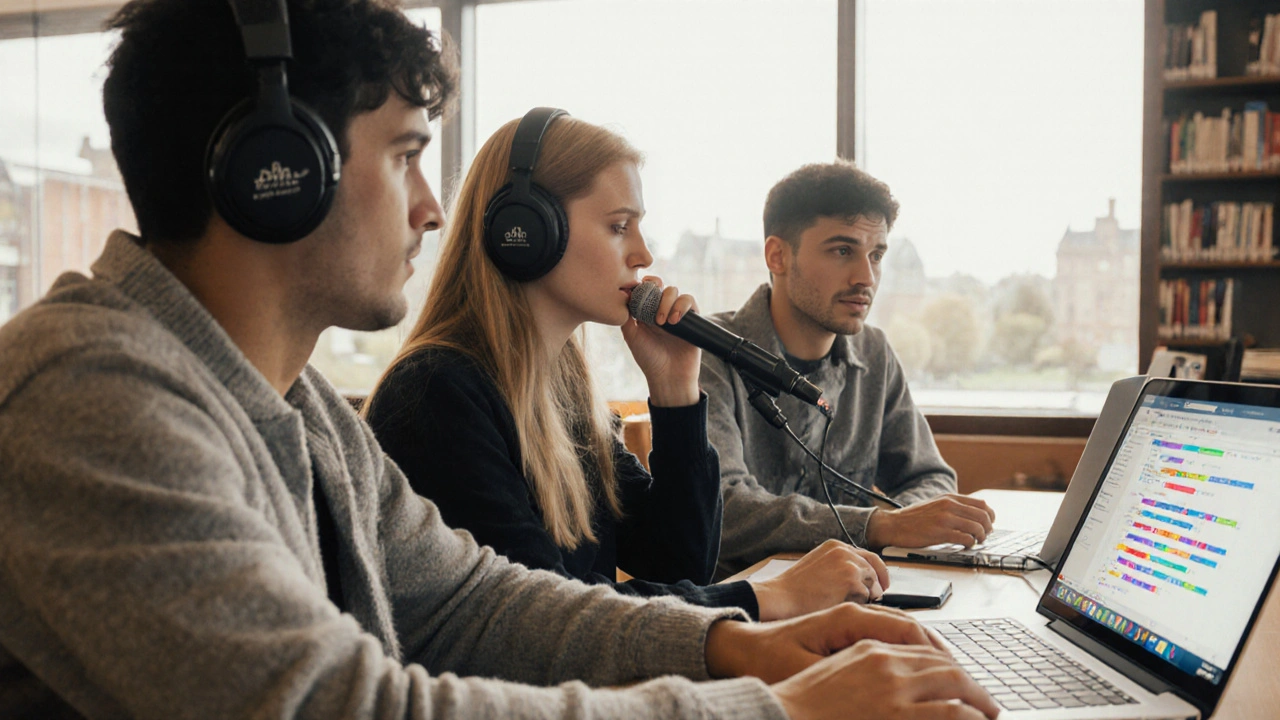
UK universities provide proven support for students with dyslexia, including assistive tech, extra exam time, and specialist tutors. Learn how to access help and succeed in higher education.