
University life in the UK is a mix of intense academic pressure, social expectations, and newfound independence. For many students, this transition brings an increased exposure to alcohol, cannabis, and recreational drugs. While some use these substances for relaxation or social bonding, others face risks ranging from dehydration to accidental overdose. The key isn't necessarily abstinence, but rather having accurate, non-judgmental information to make safer choices.
Harm reduction is the practical approach to minimizing the negative consequences of substance use without requiring total cessation. It’s about knowing what you’re taking, how much is too much, and what to do when things go wrong. This guide breaks down the essentials for staying safe while navigating the complex social landscape of British higher education.
Understanding the Substance Landscape on Campus
The most common substances encountered by UK university students are alcohol, cannabis, and prescription stimulants like Adderall or Ritalin. However, the market has shifted in recent years. Psychedelics such as LSD and psilocybin mushrooms have seen a resurgence in popularity, particularly among post-18 students seeking mental clarity or enhanced social experiences. Additionally, synthetic cannabinoids (often sold as 'legal highs') and novel psychoactive substances (NPS) continue to circulate, often with misleading labels.
Alcohol remains the primary driver of acute health issues in student housing. Beer, cider, and spirits are widely available, and binge drinking-defined as consuming more than 6 units for women or 8 units for men in a single session-is still prevalent during freshers' week and exam periods. Cannabis, meanwhile, is used both recreationally and medicinally, with many students unaware that its potency has significantly increased over the last decade due to the rise of high-THC concentrates.
Core Principles of Harm Reduction
Harm reduction strategies are simple, actionable steps that lower risk. They don’t require medical training, just awareness. Here are the foundational rules every student should know:
- Know Your Dose: Never take a new substance alone. Start with a microdose if it’s your first time. For example, if trying a psychedelic for the first time, start with half the recommended dose to assess tolerance.
- Hydrate Properly: Alcohol and MDMA (ecstasy) cause dehydration, but water intoxication is also a real risk. Sip water consistently rather than chugging large amounts at once. Electrolyte drinks are better than plain water for long nights out.
- Check Your Sources: If possible, buy from trusted peers who source from reliable dealers. Avoid buying loose powder or pills from strangers at parties. The risk of contamination or mislabeling is highest here.
- Have a Buddy System: Always tell someone where you are and who you’re with. A sober friend can spot early signs of distress, such as confusion, slurred speech, or excessive sweating.
Specific Risks and Mitigation Strategies
Different substances carry different risks. Understanding these helps you tailor your safety plan.
Alcohol
Alcohol is a depressant that impairs judgment and coordination. The biggest risks are falls, aspiration (choking on vomit), and hypothermia if spending time outdoors in cold weather. To mitigate these, eat food before drinking, alternate alcoholic drinks with water, and avoid mixing with other central nervous system depressants like benzodiazepines.
Cannabis
Modern cannabis products, especially vapes and edibles, are potent. Edibles can take up to two hours to kick in, leading many users to take a second dose prematurely and experience anxiety or panic. Wait the full hour before considering another dose. Also, be aware of cross-sensitivity; if you have a history of psychosis, consult a doctor before using high-THC strains.
Stimulants (MDMA, Amphetamines)
These drugs increase heart rate and body temperature. Overheating is a silent killer. Keep cool, stay hydrated, and take regular breaks from dancing or physical activity. Mixing stimulants with SSRIs (antidepressants) can lead to serotonin syndrome, a potentially dangerous condition characterized by agitation, high fever, and rapid heart rate.
The Role of Drug Checking Services
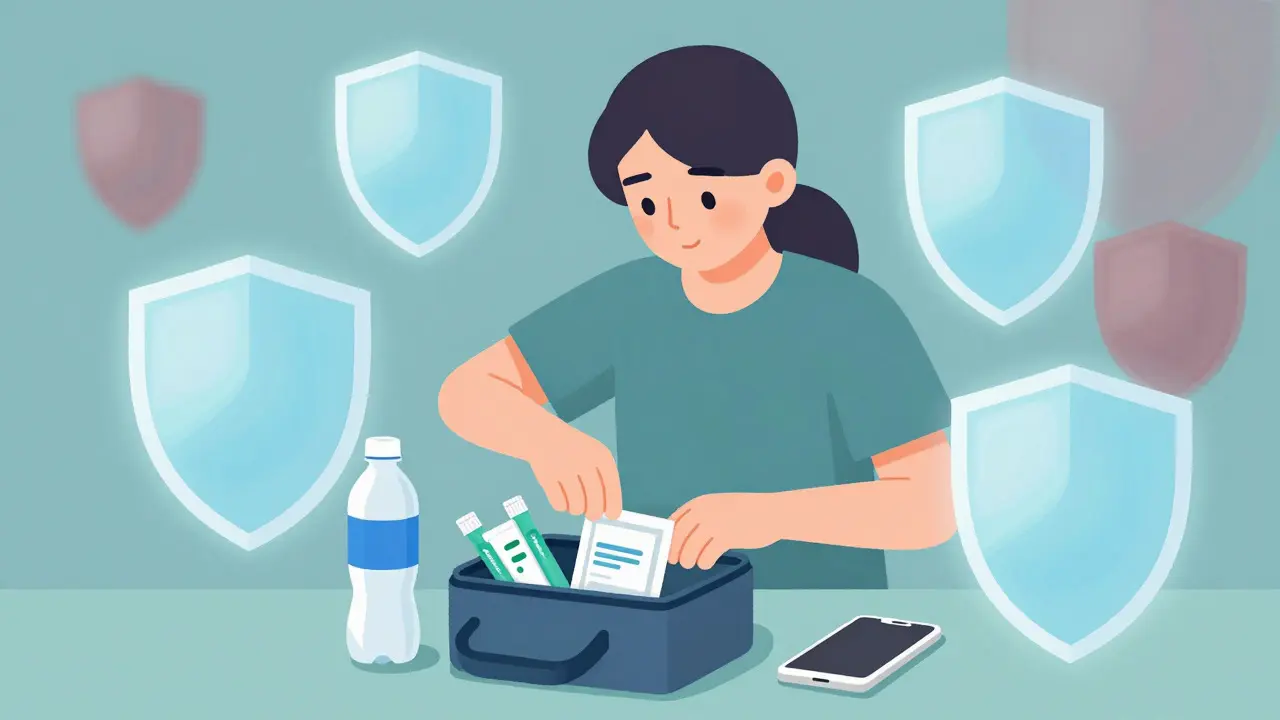
In the UK, drug checking services are becoming more accessible, though they are not yet universal. Organizations like the Drug Foundation a charity providing evidence-based information on drug use and harm reduction advocate for decriminalization and safer access to testing. In cities like London, Manchester, and Edinburgh, mobile labs sometimes operate during major festivals or through community groups, offering free or low-cost testing of pill contents via FTIR spectroscopy.
While not every student will have access to a lab, the principle applies: if you can test, do it. Even basic home tests for fentanyl (which is increasingly contaminating the US market but appearing sporadically in the UK) or benzo-adulterated pills can save lives. Always assume that unlabeled pills may contain something unexpected.
When to Seek Help: Recognizing Emergency Signs
Knowing when to call for help is critical. Don’t wait for symptoms to become severe. Call 999 or visit the nearest A&E (Accident and Emergency) department if you notice:
- Unresponsiveness: No reaction to voice or touch.
- Slow or Irregular Breathing: Fewer than 8 breaths per minute.
- Blue or Grey Skin Tone: Indicates lack of oxygen.
- Seizures: Convulsions lasting longer than 5 minutes.
- Extreme Confusion or Agitation: Especially after taking stimulants or psychedelics.
Remember, student status does not protect you from police intervention in all cases, but UK law generally prioritizes health outcomes in emergency settings. Paramedics are trained to treat, not judge. Their job is to keep you alive.

Navigating University Health Services
Most UK universities offer confidential counseling and health services. These teams are accustomed to dealing with substance-related issues and can provide referrals to specialized addiction services if needed. Unlike general practitioners (GPs), university counselors often have shorter waiting times and understand the unique pressures of student life.
If you’re struggling with daily use, consider speaking to a counselor about underlying stressors. Often, substance use is a coping mechanism for anxiety, depression, or academic burnout. Addressing the root cause can reduce reliance on substances over time.
| Substance | Primary Risk | Key Harm Reduction Tip |
|---|---|---|
| Alcohol | Dehydration, Falls, Hypothermia | Eat before drinking, alternate with water, avoid mixing with benzos |
| Cannabis (Edibles) | Anxiety, Panic, Delayed Onset | Wait 2 hours before redosing, start with low THC |
| MDMA/Ecstasy | Overheating, Dehydration | Sip water regularly, take breaks, avoid SSRIs if possible |
| Amphetamines | Cardiovascular Strain, Insomnia | Monitor heart rate, ensure sleep hygiene, avoid mixing with other stimulants |
| Psychedelics (LSD/Psilocybin) | Psychological Distress, Set and Setting | Use a trusted sitter, choose a comfortable environment, start with microdoses |
Frequently Asked Questions
Is it legal to possess small amounts of drugs in the UK?
Legally, possession of any controlled drug is an offense, but enforcement varies. Police often use discretion for minor personal use, especially in university towns. However, carrying large quantities or selling carries significant legal risk. The focus of this guide is on health safety, not legal advice.
What should I do if my friend overdoses?
Call 999 immediately. Place them in the recovery position if unconscious but breathing. Monitor their breathing until paramedics arrive. Do not give them food or drink. Naloxone (Narcan) nasal spray can reverse opioid overdoses and is available in some UK pharmacies and community centers.
Can I get in trouble with my university for using drugs?
Universities typically only intervene if behavior becomes disruptive or poses a risk to others. Personal use in private accommodation is rarely policed unless there is a noise complaint or fire hazard. Academic performance issues related to substance use may trigger a welfare check, which is usually supportive rather than punitive.
Where can I find drug checking services near me?
Availability depends on your city. Major hubs like London, Manchester, and Bristol have periodic mobile testing events organized by charities or community groups. Check local university notice boards or social media channels for announcements. Some independent clinics also offer paid testing services.
Do antidepressants interact with party drugs?
Yes. SSRIs (like Prozac or Zoloft) can increase the risk of serotonin syndrome when mixed with MDMA or certain opioids. They may also reduce the euphoric effects of MDMA. Always consult a pharmacist or doctor before combining medications with recreational substances.