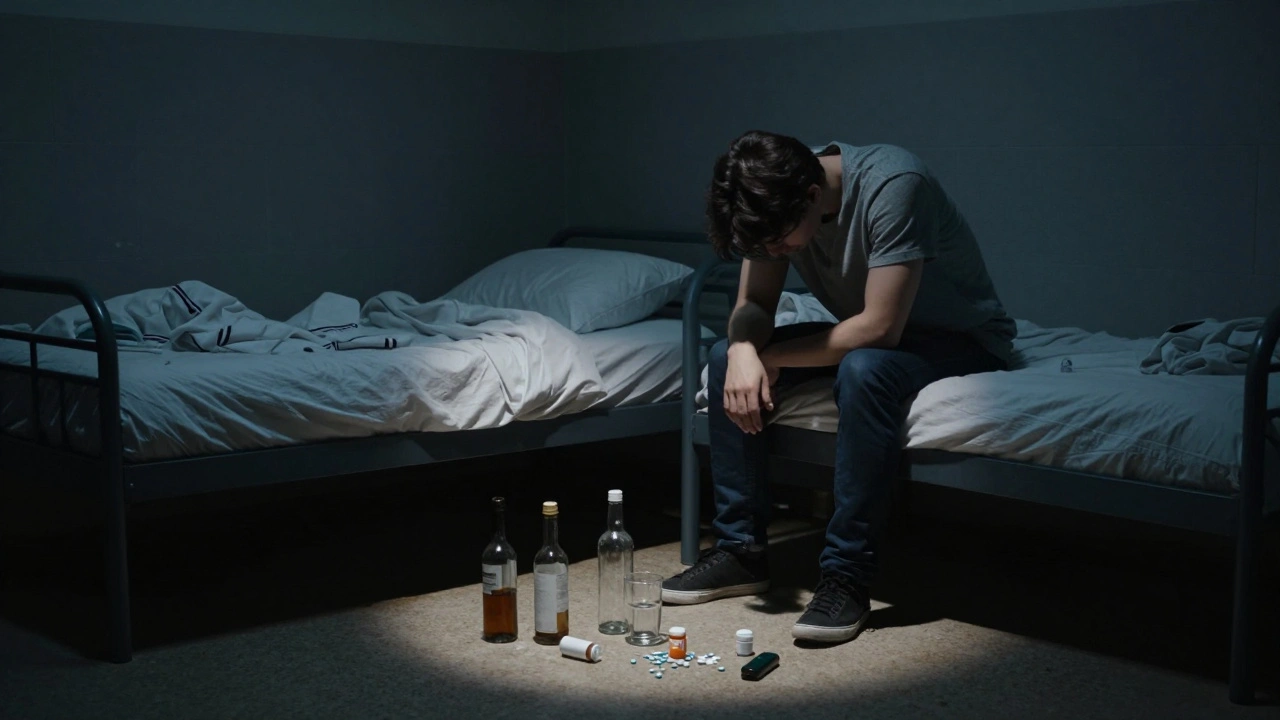
Every year, thousands of students in the UK start university with big dreams-new friends, independence, and a fresh start. But for many, the pressure to fit in, keep up with coursework, or just survive the loneliness leads to something darker: substance use. Alcohol becomes a nightly ritual. Prescription pills get shared like candy. Cannabis is seen as harmless. And when the high fades, the low remains. The link between substance abuse and student mental health isn’t just obvious-it’s devastatingly common.
Alcohol: The Normalized Crisis
Alcohol isn’t treated like a drug in UK student culture. It’s treated like a social requirement. A 2025 study from the Higher Education Policy Institute found that 62% of UK university students reported drinking alcohol at least once a week, with 28% admitting to binge drinking (five or more drinks in one session) monthly. That’s not partying-it’s self-medication. Students drink to quiet anxiety, to escape homesickness, or to numb the fear of failing. What starts as occasional drinking often becomes a crutch. And when the body builds tolerance, the mental health toll rises. Depression, panic attacks, and suicidal thoughts spike in students who drink heavily. The NHS reports that alcohol-related hospital admissions for 18-24-year-olds have increased by 41% since 2020.
Drugs: From Casual to Compulsive
Drugs like cannabis, MDMA, and prescription stimulants like Adderall are increasingly common on UK campuses. Many students believe cannabis is safe because it’s legal in some places or because it’s marketed as "relaxing." But research from King’s College London shows that regular cannabis use before age 21 increases the risk of psychosis by 30%. And stimulants? Students take them to study longer, but they don’t improve learning-they just mask exhaustion. The brain’s natural reward system gets rewired. Sleep disappears. Anxiety spikes. And when the drug wears off, the crash is brutal.
Even more concerning is the rise in synthetic drugs like NBOMe and Spice. These aren’t street drugs from the 90s-they’re lab-made chemicals sold as "legal highs." They’re cheap, easy to find, and deadly. Emergency room visits linked to synthetic cannabinoids among students rose by 67% between 2022 and 2025. These substances don’t just harm the body-they trigger hallucinations, paranoia, and permanent brain changes in young, developing minds.
The Mental Health Toll
Substance abuse doesn’t happen in a vacuum. It’s almost always tied to something deeper. A 2024 survey by Student Minds, the UK’s mental health charity for students, found that 74% of students who reported regular drug or alcohol use also met the clinical criteria for anxiety or depression. The cycle is vicious: stress leads to use, use worsens mental health, worsening mental health leads to more use.
Students with untreated ADHD or trauma are especially vulnerable. They self-medicate because they don’t have access to proper care. Many don’t even realize they’re struggling. They think they’re just "not cut out for uni." But the problem isn’t their ability-it’s the lack of support. Universities often treat substance use as a disciplinary issue, not a health one. A student caught with drugs might face suspension. But no one asks why they started using in the first place.
Where Support Falls Short
The UK’s student mental health services are overwhelmed. In 2025, the average wait time for a university counselling appointment was 18 days. Some campuses had waits of over six weeks. Meanwhile, the number of students seeking help for substance-related issues jumped by 55% in the last three years. Counsellors are stretched thin. Many don’t have training in addiction. And student welfare teams? They’re often focused on academic performance, not recovery.
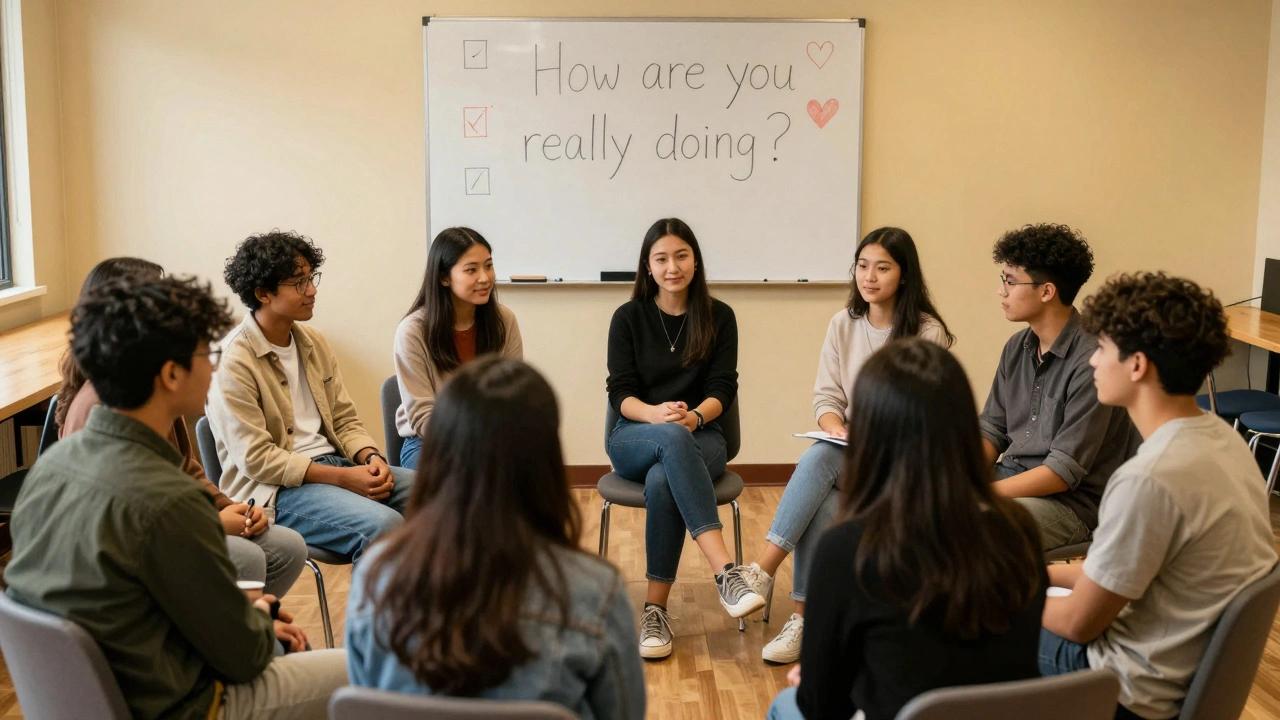
Peer support programs exist-but they’re patchy. A few universities, like the University of Manchester and University of Glasgow, have started peer-led recovery groups. These aren’t 12-step programs. They’re casual, non-judgmental spaces where students talk about stress, sleep, loneliness, and how they cope. One student at Manchester said: "I didn’t feel like a problem. I felt like someone who just needed to be heard." That’s the kind of support that works.
What Actually Helps
Effective support doesn’t come from posters on walls or mandatory lectures. It comes from real, consistent, and accessible resources.
- Free, on-campus therapy with addiction specialists-not just general counsellors. Students need someone who understands how drugs and alcohol interact with depression and anxiety.
- Sober social spaces-events where drinking isn’t the main activity. Game nights, movie screenings, hiking clubs. Students need alternatives that don’t revolve around alcohol.
- Peer mentorship-students who’ve recovered from substance use helping those still struggling. Real stories beat pamphlets every time.
- Early intervention-screening for mental health and substance use during orientation. Not as a test, but as a check-in. "How are you really doing?"
- Removing stigma-universities must stop treating substance use as a moral failure. It’s a health issue. Period.
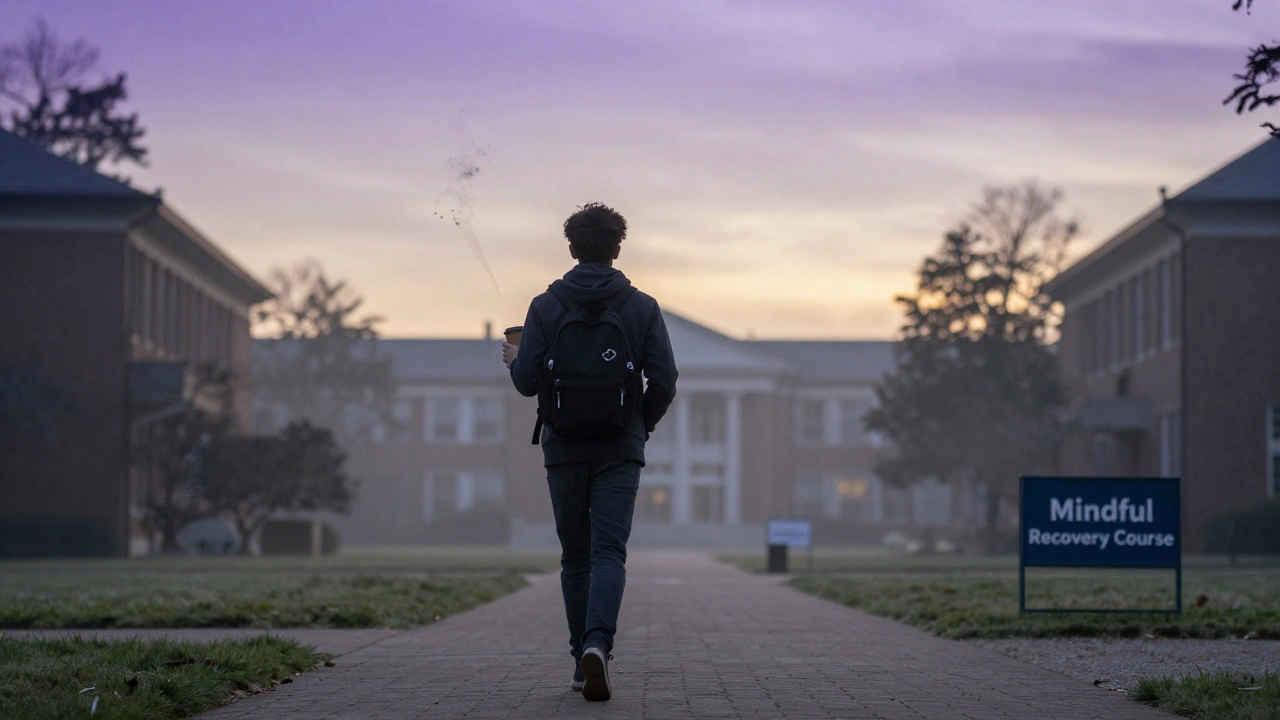
Some universities are starting to get it right. The University of Edinburgh now offers a 10-week "Mindful Recovery" course that combines cognitive behavioural therapy with mindfulness training. Attendance? Over 90%. Completion rate? 88%. And students who finish it are 60% less likely to relapse in the next year.
What Students Can Do
If you’re struggling, you’re not alone. And you don’t have to fix it alone.
- Reach out to your student union. They often have free, confidential support lines.
- Use Nightline, the UK’s anonymous student listening service. It’s open every night, 365 days a year. You don’t need a reason to call.
- Try a harm reduction app like "Drinkaware" or "We Are With You." They don’t judge-they help you track patterns and set small goals.
- Find one person you trust. A tutor. A roommate. A counsellor. Say: "I’ve been using more than I should. I need help."
Recovery doesn’t mean quitting cold turkey. It means learning how to cope without chemicals. It means finding joy in quiet mornings, in real conversations, in sleep that actually restores you.
The Bigger Picture
This isn’t just about students. It’s about how we treat young adults in crisis. The UK government spends £1.2 billion a year on higher education-but less than 5% of that goes to mental health and wellbeing services. Meanwhile, the cost of untreated substance abuse? Lost degrees, broken families, long-term illness, and premature death. That’s not just a personal tragedy-it’s a national failure.
Change won’t come from stricter rules or zero-tolerance policies. It will come from compassion. From funding. From listening. From treating students like people-not problems.
Is substance abuse common among UK students?
Yes. According to the 2025 Higher Education Policy Institute report, over 60% of UK university students drink alcohol weekly, and nearly 30% binge drink monthly. Drug use, including cannabis and prescription stimulants, is also widespread, with rising rates of synthetic drug use and related hospital admissions. Mental health struggles often drive this behavior, not just social pressure.
How does alcohol affect student mental health?
Alcohol is a depressant, and while it may feel calming at first, long-term use worsens anxiety and depression. It disrupts sleep, lowers serotonin levels, and increases impulsivity. Students who drink heavily are twice as likely to experience suicidal thoughts. The NHS links rising alcohol-related hospital admissions among 18-24-year-olds directly to worsening mental health outcomes.
Are drugs like cannabis really harmful for students?
Yes, especially for under-21s. Regular cannabis use during brain development increases the risk of psychosis by 30%, according to King’s College London. It can trigger anxiety, paranoia, and memory issues. Many students think it’s harmless because it’s legal in some places, but for young people with underlying mental health conditions, it can be a trigger for long-term illness.
What support is available for students struggling with substance use?
Many UK universities offer free counselling, peer support groups, and harm reduction programs. National services like Nightline (24/7 anonymous listening) and We Are With You (online support) are available to all students. Some universities, like Edinburgh and Manchester, run recovery-focused courses with high success rates. Students should reach out early-support is there, but you have to ask for it.
Why don’t universities do more to help?
Funding is the biggest barrier. While universities receive over £1 billion annually for student services, less than 5% goes to mental health and addiction support. Many staff aren’t trained in substance abuse, and stigma still exists. Some institutions treat use as a disciplinary issue rather than a health issue. But change is happening-progressive universities are proving that compassionate, well-funded support works.