
Imagine scrolling through your phone during a boring lecture break. You see a video of a student at University College London showing how they organize their notes using color-coded tabs. Or maybe it’s a photo carousel on Instagram from a peer at Imperial College London sharing their exact revision schedule for finals week. That is the power of StudyTube and Studygram. These aren't just hobbies; they are digital communities where students share the unfiltered reality of academic life in the UK.
If you are thinking about starting one, you might feel overwhelmed by the noise. But here is the truth: you don't need a fancy camera or thousands of followers to start. You just need a consistent angle and a willingness to be helpful. This guide breaks down exactly how to launch and grow your presence as a student creator in the UK market in 2026.
Why Study Content Still Works in 2026
Many people think the study niche is saturated. They are wrong. The UK higher education sector continues to expand, with over 2.5 million students enrolled across universities and colleges. Each year, a fresh cohort arrives, anxious about exams, socializing, and balancing work-study lives. They are looking for relatable guides, not polished corporate advice.
The core value proposition of student blogging is authenticity. Unlike generic productivity apps, your content reflects the specific constraints of UK institutions. For example, mentioning the difference between a "semester" system at Oxford versus a "trimester" system at some newer universities adds immediate credibility. Your audience trusts you because you are walking the same path, eating the same cafeteria food, and facing the same library opening hours.
Choosing Your Platform: YouTube vs. Instagram
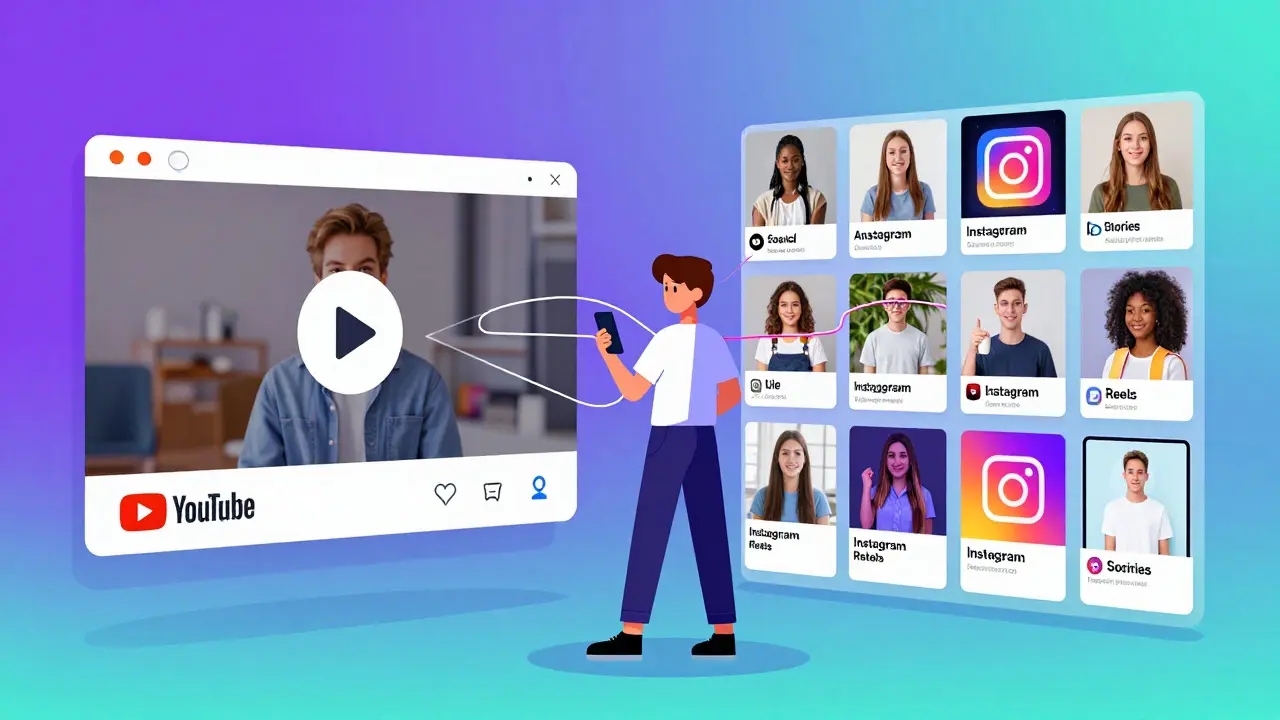
You can do both, but they serve different purposes. Understanding the distinct nature of each platform helps you allocate your time wisely.
- YouTube (StudyTube): Best for long-form tutorials, vlogs, and deep dives. If you want to show *how* you revise, create study playlists, or review stationery, this is your home base. The algorithm favors watch time, so longer, engaging videos perform well.
- Instagram (Studygram): Best for quick tips, aesthetic motivation, and community building. Reels are crucial here. Short, punchy clips of you packing your bag or showing a desk setup get high reach. Stories keep your existing audience engaged daily.
Most successful UK student creators use a cross-posting strategy. They film a detailed YouTube video and cut three to five short Reels from it. This maximizes content output without doubling your workload.
Setting Up Your Digital Toolkit
You do not need expensive gear to start. In fact, high-end equipment can sometimes make the content feel too sterile. Here is what actually matters:
- Lighting: Natural light is free and looks best. Face a window when filming. If you must film at night, a simple ring light costs less than £30 and makes a huge difference.
- Audio: Bad audio kills engagement faster than bad video. Use your phone's built-in microphone if you are in a quiet room. If there is background noise, invest in a cheap lavalier mic that plugs into your phone.
- Editing: Use CapCut for mobile editing. It has auto-captions, which are essential for accessibility and retention since many students watch without sound.
- Organization: Keep a folder structure on your computer. Separate raw footage, edited exports, and thumbnails. Chaos leads to missed deadlines.
Niche Down to Stand Out
"I am a student" is not a niche. There are millions of students. To grow, you need a specific angle. Consider these popular sub-niches in the UK market:
| Niche Type | Example Content | Target Audience |
|---|---|---|
| Subject-Specific | Law exam prep, Med school survival guides | Peers in the same faculty |
| Budget-Focused | Cheap meal plans, second-hand book finds | Students on tight budgets |
| Productivity Hacks | Pomodoro technique variations, app reviews | Procrastinators seeking structure |
| University Reviews | Library tours, campus safety tips | Prospective applicants |
Picking one of these angles helps the algorithm understand who to show your content to. If you post random vlogs today and math tutorials tomorrow, your growth will stall. Consistency in theme builds trust faster than consistency in posting frequency alone.
Content Strategy for Growth
Growth happens when you solve problems. Every piece of content should answer a question your audience has. Here is a simple framework for planning your monthly content calendar:
- The Hook (Reel/TikTok): Post 3-4 times a week. Focus on trends or quick tips. Example: "3 apps I use to manage my dissertation."
- The Value (YouTube): Post 1-2 times a month. Deep-dive into a topic. Example: "My entire revision routine for Finals Week."
- The Connection (Stories/Posts): Daily. Share behind-the-scenes moments, polls, or questions. This humanizes your brand.
Engagement is key. Reply to every comment in the first hour after posting. Ask questions in your captions. "What is your biggest struggle with essay writing?" invites interaction and boosts your visibility in the algorithm.

Monetization: When and How
Don't chase money immediately. Focus on value first. However, once you have an engaged audience (usually around 1,000-5,000 followers), opportunities arise.
- Affiliate Marketing: Share links to notebooks, planners, or online courses you genuinely use. Amazon Associates is easy to join.
- Brand Deals: Local cafes, stationery shops, or study app companies often look for micro-influencers in specific cities like Manchester, Bristol, or London.
- Digital Products: Sell Notion templates, printable planners, or study guides. These have high profit margins since there is no physical inventory.
Always disclose partnerships clearly. UK consumers value transparency, and the Advertising Standards Authority (ASA) enforces clear labeling of sponsored content.
Common Pitfalls to Avoid
Even experienced creators make mistakes. Here are the most common traps that kill new channels:
- Perfectionism: Waiting for the perfect lighting or script stops you from posting. Done is better than perfect.
- Inconsistency: Posting daily for two weeks then disappearing for a month confuses the algorithm. Pick a sustainable schedule and stick to it.
- Ignoring Analytics: Check your insights weekly. See what works. If study vlogs flop but tip carousels soar, double down on tips.
- Comparing Yourself: Compare yourself only to your past performance. Everyone started at zero.
Next Steps for Beginners
Ready to start? Do not wait until September. August is the perfect time to set up.
- Create your accounts today. Choose a handle that is easy to remember and spell.
- Define your niche. Write down three topics you know deeply.
- Shoot your first three pieces of content. Don't publish them yet. Just practice.
- Review your footage. What felt awkward? What went well?
- Post your first piece. Then post the next one. Momentum is everything.
Your journey starts with one click. The UK student community is waiting for your unique perspective. Go create something valuable.
How much time does it take to run a StudyTube channel?
For a beginner, expect to spend 5-8 hours per week. This includes planning, filming, editing, and engaging with comments. As you get more efficient, this time reduces significantly. Batch filming can save even more time.
Do I need to show my face to succeed?
No. Many successful channels use voiceovers with screen recordings or hands-only shots. However, showing your face can build stronger personal connections and trust with your audience. It is a choice, not a requirement.
What is the best time to post for UK students?
Generally, evenings between 6 PM and 9 PM are peak times. Weekends, particularly Sunday evenings, are also strong as students plan their week ahead. Always check your own analytics to confirm your specific audience's habits.
Can I monetize before having 1,000 subscribers?
Yes. While YouTube requires 1,000 subscribers for ad revenue, you can earn through affiliate links, selling digital products, or small brand deals much earlier. Instagram allows affiliate tagging with fewer restrictions.
How do I avoid burnout while studying and creating content?
Set boundaries. Dedicate specific days for content creation rather than trying to do it daily. Use batch filming techniques. Remember that your primary job is still studying. Content creation should complement your studies, not replace them.