
Ever sat at your desk for five hours straight, only to realize you remembered almost nothing? You weren’t lazy. You were exhausted. Your brain isn’t a machine that runs forever on caffeine and willpower. It needs breaks-real ones-to actually learn. Skipping rest doesn’t make you more productive. It makes you less effective. And if you’re cramming for an exam or grinding through homework, the wrong kind of break can hurt your grades more than skipping study time altogether.
Why Your Brain Needs Breaks
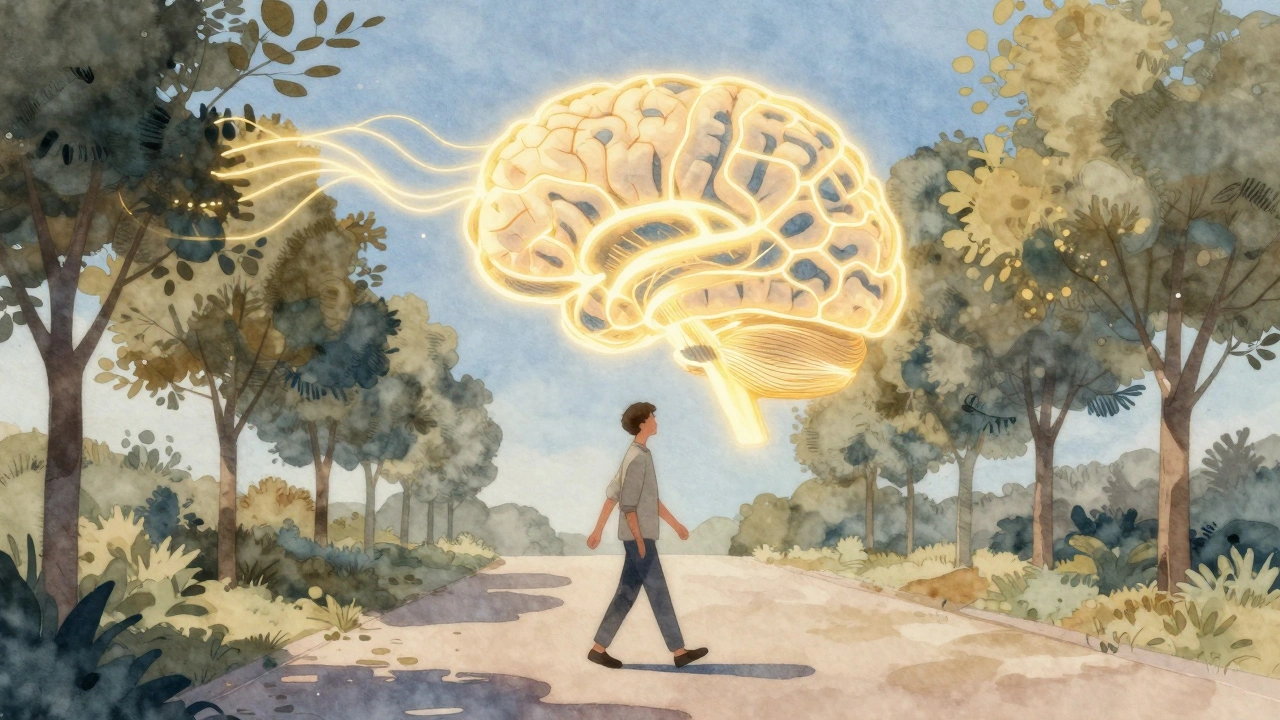
Your brain doesn’t store information like a hard drive. It builds connections. Every time you learn something new, your neurons fire and form pathways. But those pathways need time to stabilize. Without rest, those connections stay weak and fade fast. A 2023 study from the University of California showed students who took regular 10-minute breaks every 50 minutes retained 37% more information than those who studied nonstop. That’s not a small edge. That’s the difference between a B and an A.
When you push past mental fatigue, your prefrontal cortex-the part of your brain responsible for focus, decision-making, and memory-starts to shut down. It’s like running a phone until it dies. You don’t just slow down. You stop working. That’s why you zone out during lectures after an hour, or forget formulas you just memorized. Your brain isn’t ignoring you. It’s protecting itself.
The Two Types of Breaks (And Which One Actually Helps)
Not all breaks are created equal. There are two kinds: passive and active.
Passive breaks are when you scroll through TikTok, check Instagram, or watch YouTube. These don’t reset your brain. They overload it with new stimuli, making it harder to return to deep focus. Your eyes are tired. Your attention is scattered. You’re not resting-you’re switching tasks.
Active breaks are the ones that actually boost learning. These are short movements, fresh air, or quiet stillness. Walking around the block. Stretching your neck and shoulders. Staring out the window for five minutes. Drinking water. Breathing deeply. These activities lower cortisol (the stress hormone) and increase blood flow to your brain. That’s when your brain consolidates what you just learned.
One student at UNC Chapel Hill tracked her study habits for a semester. She took 15-minute walks after every 45 minutes of reading. Her quiz scores jumped 22%. She didn’t study more. She just moved more during breaks.
How to Time Your Breaks Like a Pro
The best break schedule isn’t about how long you study. It’s about matching your brain’s natural rhythm. Most people work in 90-minute cycles. That’s called the ultradian rhythm. After 90 minutes, your focus drops sharply. That’s why you feel drained after two hours of reading, even if you started fresh.
Here’s the simple rule: Study for 50 minutes. Take a 10-minute break. Repeat.
Why 50 and 10? It’s long enough to get into flow, short enough to avoid burnout. The 10-minute window is critical. Too short, and your brain doesn’t reset. Too long, and you lose momentum. Set a timer. No exceptions.
During those 10 minutes:
- Get up and walk-even if it’s just to the kitchen and back
- Look at something far away (helps your eyes and brain reset)
- Do 3 deep breaths: inhale for 4 seconds, hold for 4, exhale for 6
- Drink water. Dehydration cuts focus by up to 15%
Avoid screens. If you must check your phone, set a 2-minute limit. Use a physical timer or app like Focus To-Do or TomatoTimer. Don’t rely on willpower.
Breaks Before and After Study Sessions Matter Too
Most people think breaks only happen during study. But the breaks before and after are just as important.
Before studying: Spend 5 minutes doing something calm. Walk outside. Listen to one song. Write down what you plan to learn. This signals to your brain: “It’s time to focus.” Skipping this step is like starting a car without warming it up.
After studying: Don’t jump into another task. Let your brain rest for 15-20 minutes. Close your eyes. Lie down. Don’t check email. This is when your brain moves short-term memories into long-term storage. If you switch to Netflix or social media right after studying, you’re erasing what you just learned.
One Harvard study found students who rested quietly after studying scored 20% higher on recall tests than those who immediately did another assignment. Rest isn’t wasted time. It’s part of the learning process.
What to Avoid During Breaks
Here are the top three things that sabotage your breaks:
- Checking notifications - Every ping resets your attention span. Your brain takes 23 minutes to fully refocus after a distraction. That’s longer than your entire study block.
- Snacking on sugar - A candy bar gives you a quick spike, then a crash. Your brain needs steady fuel. Try nuts, fruit, or yogurt instead.
- Overthinking - If you spend your break stressing about the next test or what you didn’t finish, you’re not resting. You’re just working harder. Write down your worries on paper and set them aside. Your brain doesn’t need to hold them.
One student in Ohio kept taking breaks but still failed her biology midterm. She realized she was using breaks to panic. She started writing down one thing she was grateful for during each break. Her grades improved within two weeks.
Breaks for Different Study Types
Not all studying is the same. Different tasks need different breaks.
- Reading dense material (textbooks, articles) - Use the 50/10 rule. After 50 minutes, walk around. Move your body. Your brain needs physical motion to process complex ideas.
- Solving math or logic problems - Try a 7-minute break after 35 minutes. Mental math drains your working memory fast. A quick stretch or deep breath resets your cognitive resources.
- Memorizing facts (vocabulary, dates, formulas) - Take a 5-minute break every 25 minutes. Use that time to close your eyes and mentally replay what you just learned. This is called retrieval practice, and it’s proven to stick better than rereading.
- Writing essays or creative work - Work in 40-minute sprints, then take 15 minutes to walk outside. Fresh air sparks new ideas. Many writers swear by this method.
There’s no one-size-fits-all. Track your energy for three days. Note when you feel sharp and when you zone out. Adjust your schedule based on your own rhythm-not a textbook.
What Happens If You Skip Breaks?
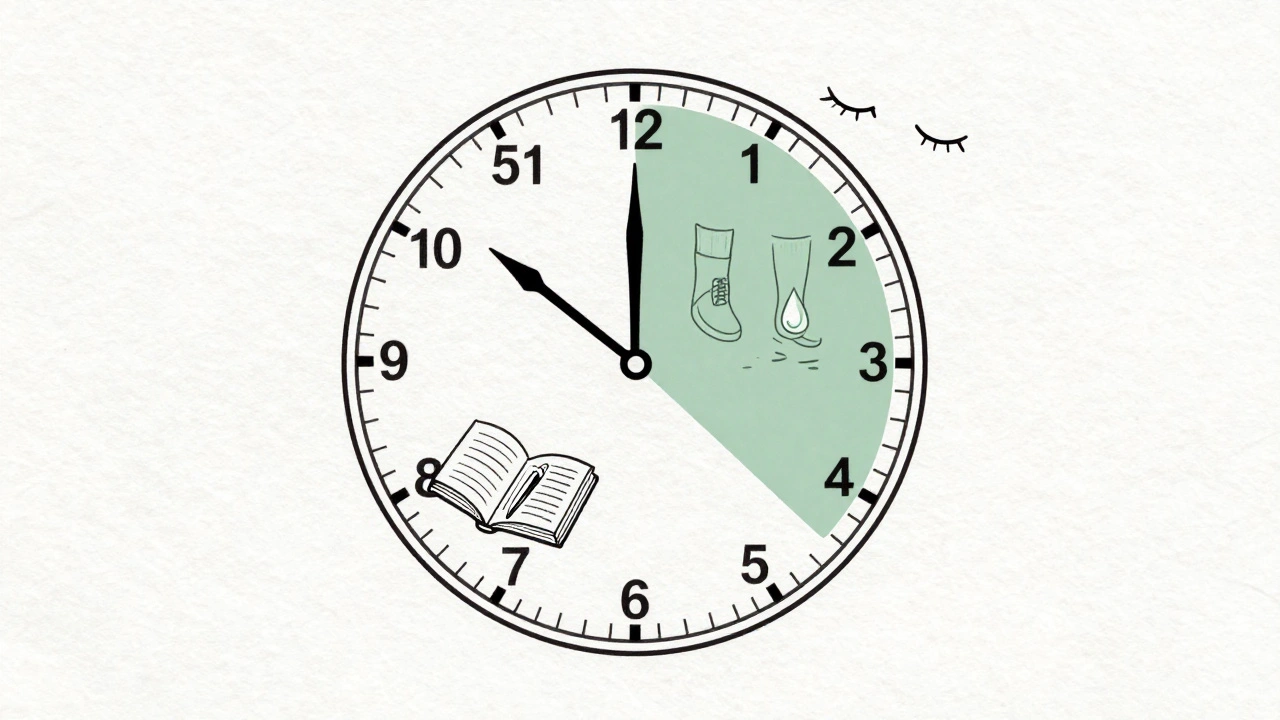
Skipping breaks doesn’t make you a better student. It makes you a slower one.
Studies show students who study for 6+ hours straight without breaks make 40% more errors. They take longer to finish tasks. They remember less. They feel more anxious. Their sleep suffers. It’s a downward spiral.
One group of medical students studied for 12 hours straight during finals week. Their recall scores dropped 58% by day three. Another group took 10-minute breaks every hour. Their scores stayed steady. The difference wasn’t intelligence. It was rest.
If you’re burning out, it’s not because you’re not smart enough. It’s because you’re not giving your brain what it needs to work.
Real-World Example: How One Student Turned F’s Into A’s
Jamal, a junior at UNC Charlotte, was failing chemistry. He studied 4-6 hours a night, every night. He felt exhausted. He couldn’t remember anything on test day.
He started tracking his energy levels and noticed he was most alert between 7-9 a.m. and 4-6 p.m. He stopped studying after 9 p.m. He began using the 50/10 rule. During breaks, he walked outside, drank water, and didn’t touch his phone.
Within three weeks, his quiz scores went from 58% to 89%. He passed the final with an A. He didn’t study more. He studied smarter.
“I thought I needed to suffer to succeed,” he said. “Turns out, I just needed to breathe.”
Final Tip: Build Breaks Into Your Schedule
Don’t leave breaks to chance. Block them in your calendar like appointments. Treat them as non-negotiable. If you wouldn’t skip a doctor’s visit, don’t skip your brain’s reset time.
Here’s a simple weekly plan:
- Monday-Thursday: 50 minutes study, 10 minutes break (repeat 3-4 times)
- Friday: Review session with 15-minute breaks between topics
- Saturday: Light review (30-45 minutes max), then walk or do something fun
- Sunday: No studying. Rest. Sleep. Reset.
Rest isn’t the opposite of studying. It’s part of it. The best students aren’t the ones who study the longest. They’re the ones who rest the best.
Do short breaks really help with memory?
Yes. Research from the University of California and Harvard shows that short, active breaks help your brain move information from short-term to long-term memory. Walking, stretching, or even closing your eyes for 5-10 minutes after studying improves recall by up to 37%.
How long should a study break be?
For most people, 10 minutes every 50 minutes of study works best. If you’re doing intense mental work like math or coding, try 7-minute breaks after 35 minutes. Never go longer than 15 minutes unless you’re taking a nap-longer breaks make it harder to get back into focus.
Is it better to take breaks during study or after?
Both matter. Breaks during study prevent burnout. Breaks after help your brain solidify what you learned. The 15-20 minutes after studying are especially powerful-your brain is quietly organizing memories. Don’t fill that time with screens or other tasks.
Can I use my phone during breaks?
Avoid it. Scrolling social media or watching videos overloads your brain with new input, making it harder to refocus. If you must use your phone, limit it to 2 minutes-like checking one message or setting your next alarm. Otherwise, step away from screens entirely.
What should I do during a study break?
Move your body: walk around, stretch, look out a window. Hydrate. Breathe deeply. Close your eyes for a minute. These low-stimulus activities lower stress and help your brain reset. Avoid sugar, caffeine, and screens. The goal is to rest, not switch tasks.