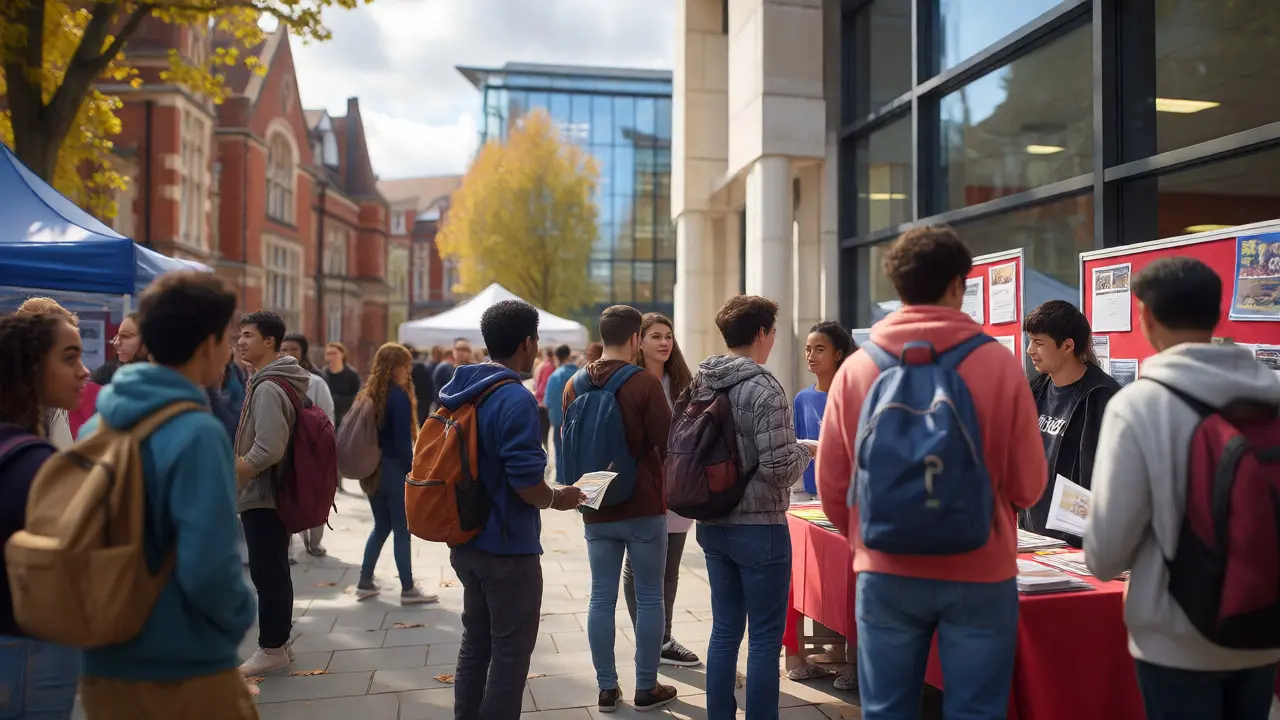
You just got your offer letter. You’ve packed your bags, sorted out finance, and maybe even picked a dorm. But have you thought about the building with the weird bar sign and the flyer-covered noticeboard? That’s the Student Union (often called SU or Students’ Union). It’s not just a pub with cheap pints-though yes, it is that too. It’s the heart of university governance, social life, and advocacy in the UK.
If you’re new to this, it can feel like an exclusive club where everyone knows each other except you. Or worse, you might think it’s irrelevant bureaucracy. Both are wrong. Your SU is likely the largest organization on campus, often with a budget in the millions and thousands of members. Ignoring it means missing out on discounts, support services, and a massive network of people who share your interests. Let’s break down what they actually do and how you can squeeze every bit of value out of them without becoming that person who talks about their committee role at every party.
What Exactly Is a Student Union?
Think of the Student Union as a charity run by students, for students. Unlike your department or the university administration, which answers to vice-chancellors and government regulators, the SU answers to you. In most UK universities, membership is automatic when you enroll, but you have to opt-in to vote or stand for election. This structure is unique to the UK and Ireland, differing significantly from the 'student activities office' model common in the US.
The core mission isn’t just fun. It’s representation. When tuition fees rise, or when accommodation standards drop, the SU is the body that lobbies the university leadership. They hire professional staff to help navigate complex issues, but the direction comes from elected student officers. These aren’t just figureheads; they sit on university boards, influence curriculum changes, and manage significant budgets. If you’ve ever complained about the library hours or the cost of printing, there’s an SU officer whose job was to fix that.
The Core Services You Probably Ignore
Most students walk past the advice center without looking. Big mistake. The Advice Service is one of the most underused resources on campus. These teams are trained in higher education law, housing rights, and immigration rules specific to international students. They are independent of the university, meaning if you’re fighting a disciplinary hearing or a rent dispute with a landlord owned by the uni, the advice team fights for you, not the institution.
- Housing Advice: Did you know your deposit should be protected in a government-approved scheme? If your landlord hasn’t done this, you could get up to three times your deposit back. SU advisors spot these errors instantly.
- Academic Appeals: Missed an exam because of mental health struggles? The SU helps you submit evidence-based appeals that actually get read, rather than thrown in the bin.
- Financial Support: Many SUs administer hardship funds that don’t require repayment. If you’re struggling to eat, ask before you borrow.
Beyond advice, there’s the practical stuff. Printing credits, laundry facilities, and computer labs are often managed through the SU. But the real hidden gem is the Discount Card. Most SUs issue a card (physical or digital) that gives you money off at local shops, tech stores, and travel providers. For example, some unions partner with brands like Apple or Samsung to give students 10% off laptops, saving hundreds of pounds upfront.
Societies and Sports Clubs: The Social Engine
This is where most students engage first. Societies are groups formed around shared interests, ranging from the obvious (Law Society, Medics) to the niche (Ferret Owners Club, Competitive Eating). There is no limit to what you can start. If you love knitting and there’s no Knitting Society, you can found one. The SU provides seed funding, meeting spaces, and marketing support to get you going.
Sports Clubs operate similarly but are often affiliated with national governing bodies like British Universities & Colleges Sport (BUCS). Whether you want to play rugby at a competitive level or join a casual netball league, the infrastructure is there. Equipment loans, coaching subsidies, and travel grants for tournaments are standard perks.
Why bother joining? Because CVs need more than grades. Employers look for "soft skills"-teamwork, leadership, time management. Being the Treasurer of the Chess Society proves you can handle a budget. Organizing a hackathon proves you can manage logistics. Doing nothing for three years looks fine, but doing something interesting makes you memorable.

Elected Officers: Who Runs the Show?
Every SU has a board of elected sabbatical officers. These are full-time roles, paid salaries, taken during a gap year between undergraduate and postgraduate study or after graduation. They usually include positions like President, Education Officer, Welfare Officer, and Activities Officer.
| Role | Primary Focus | Key Impact Area |
|---|---|---|
| President | External Representation | Liaising with University Vice-Chancellor and external media |
| Education Officer | Academic Quality | Course feedback, teaching quality, exams |
| Welfare Officer | Student Wellbeing | Mental health campaigns, disability support, sexual violence prevention |
| Activities Officer | Clubs and Societies | Funding allocations, event planning, society recruitment |
You don’t need to run for these jobs to have influence. Non-sabbatical representatives exist at the course level. Every department usually has Course Reps. Their job is simple: attend monthly meetings, report issues from your peers, and bring back updates. It takes two hours a month. It’s the easiest way to shape your degree experience.
National Context: The National Union of Students (NUS)
Your local SU doesn’t operate in a vacuum. Most are affiliated with the National Union of Students (NUS), a confederation representing over seven million students across the UK. While your local SU handles campus-specific issues, the NUS tackles national policy. They lobby Parliament on tuition fees, maintenance loans, and visa regulations for international students.
In 2026, the political landscape remains volatile regarding higher education funding. The NUS runs campaigns like "Students Demand" which coordinate actions across universities. If you care about the future of your degree’s value, keeping an eye on NUS campaigns helps you understand the broader forces at play. Local SUs often mirror these national campaigns, so signing a petition locally feeds into a national dataset used by lobbyists.

How to Get Involved Without Burning Out
It’s easy to suffer from "freshers’ flu"-signing up for twelve societies, attending every mixer, and burning out by November. Here is a pragmatic approach to engagement.
- Pick One Academic Interest: Join the society related to your major. It’s useful for networking and career events.
- Pick One Hobby: Something unrelated to your studies. If you study Law, join the Rock Climbing Club. Balance prevents burnout.
- Try Before You Buy: Most societies hold recruitment fairs (often called "Fresher’s Fair") in October. Go, talk to people, take flyers. Don’t commit until you’ve attended a second meeting.
- Volunteer Strategically: If you want a line on your CV, volunteer for a specific task, like managing social media for a week, rather than taking on a year-long committee role immediately.
Check the SU website for "Opportunities" or "Volunteering." They list short-term gigs that fit around your timetable. Also, keep an eye on the noticeboards. Physical flyers still work better than emails for last-minute events or urgent calls for help.
Common Pitfalls to Avoid
Don’t assume everything is free. While many events are subsidized, alcohol and special trips cost money. Budget accordingly. Second, don’t ignore the voting deadlines. Once a year, you vote for sabbatical officers. Turnout is historically low (often under 20%). Your vote actually counts. Read the manifestos-they’re available online-and vote for someone who aligns with your values.
Finally, don’t underestimate the power of the bar. Yes, it’s cliché, but informal networks form there. Many job opportunities and collaborations start over a pint. Just remember to pace yourself; the academic calendar waits for no one.
Frequently Asked Questions
Do I have to pay to join my Student Union?
In most UK universities, basic membership is included in your tuition fee or a small annual registration fee automatically charged upon enrollment. However, joining specific sports clubs or premium societies may require an additional subscription fee. Always check your university's finance portal for details.
Can international students join the Student Union?
Yes, absolutely. International students are full members of the SU and have the same rights to vote, stand for election, and access services. Many SUs have dedicated international student officers or societies specifically designed to help with visa advice and cultural integration.
What is the difference between a Student Union and a Guild?
Functionally, they are very similar. Some universities use the term "Guild" (e.g., Edinburgh, Bristol) while others use "Union" or "Association." The legal structure and purpose-representing students and providing services-are largely identical, though the branding differs by tradition.
How do I find out about SU elections?
Elections typically happen in the spring semester (February-April). Candidates campaign on campus and online. You will receive email notifications with links to the voting platform. Check the SU website regularly during this period to see candidate manifestos and debate schedules.
Is the SU Advice Center confidential?
Yes, consultations with the Advice Center are strictly confidential. Advisors cannot share your information with the university administration without your explicit consent, except in rare cases involving immediate risk of harm. This independence is crucial for getting honest, unbiased support.