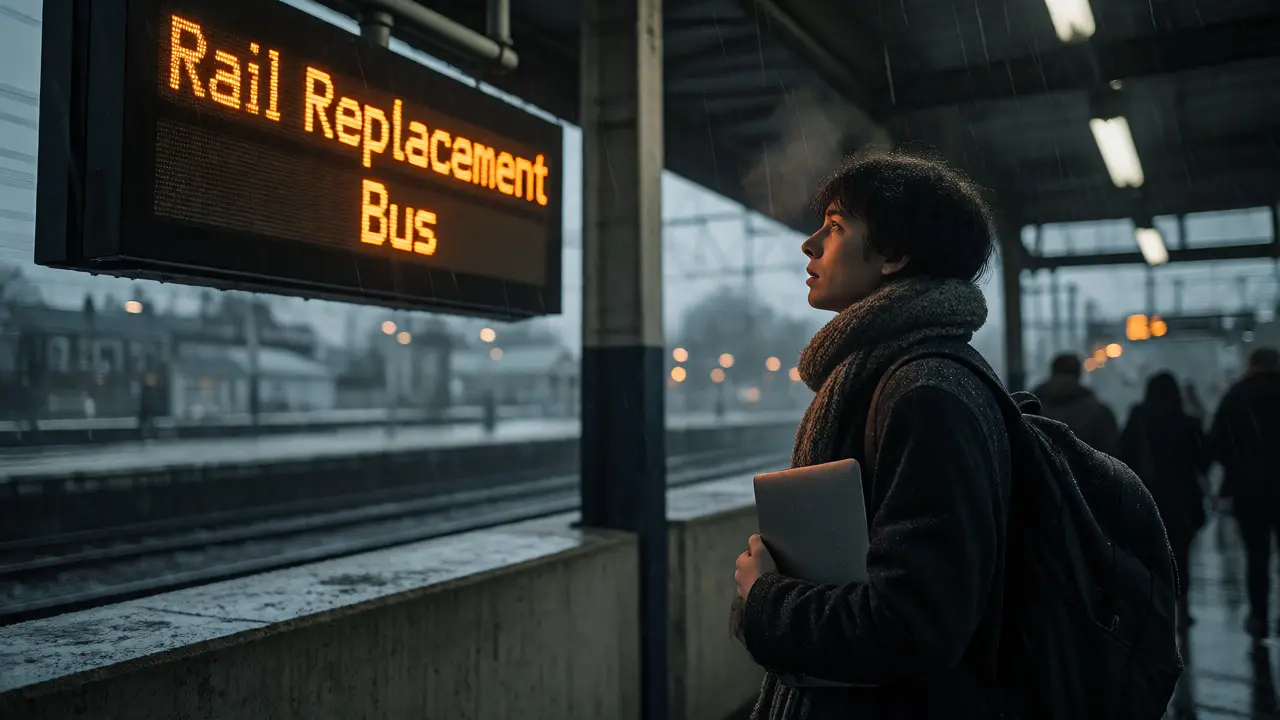
You’re rushing to catch the 8:15 AM train to campus. You’ve got your laptop bag, a half-eaten sandwich, and a deadline looming at noon. You check the live departure board, hoping for good news. Instead, you see those four dreaded words: Rail Replacement Bus. Your stomach drops. Will you make it? Will you freeze? Will you actually get to class on time?
If you are a student in the UK, you have likely encountered this scenario. Or you will soon. Rail replacement buses (RRBs) are the bane of many commuters' existence, but they don’t have to be a nightmare. With a bit of know-how and some strategic planning, you can turn that chaotic detour into a manageable commute-or even a chance to catch up on reading.
What Actually Is a Rail Replacement Bus?
Before we panic, let’s define what we are dealing with. A Rail Replacement Bus is a bus service provided by train operating companies when trains cannot run on a specific section of track due to engineering works, strikes, or emergencies. Unlike regular public buses, these are integrated into the rail ticketing system. This means your valid rail ticket usually covers the bus ride too, but only if you follow the rules.
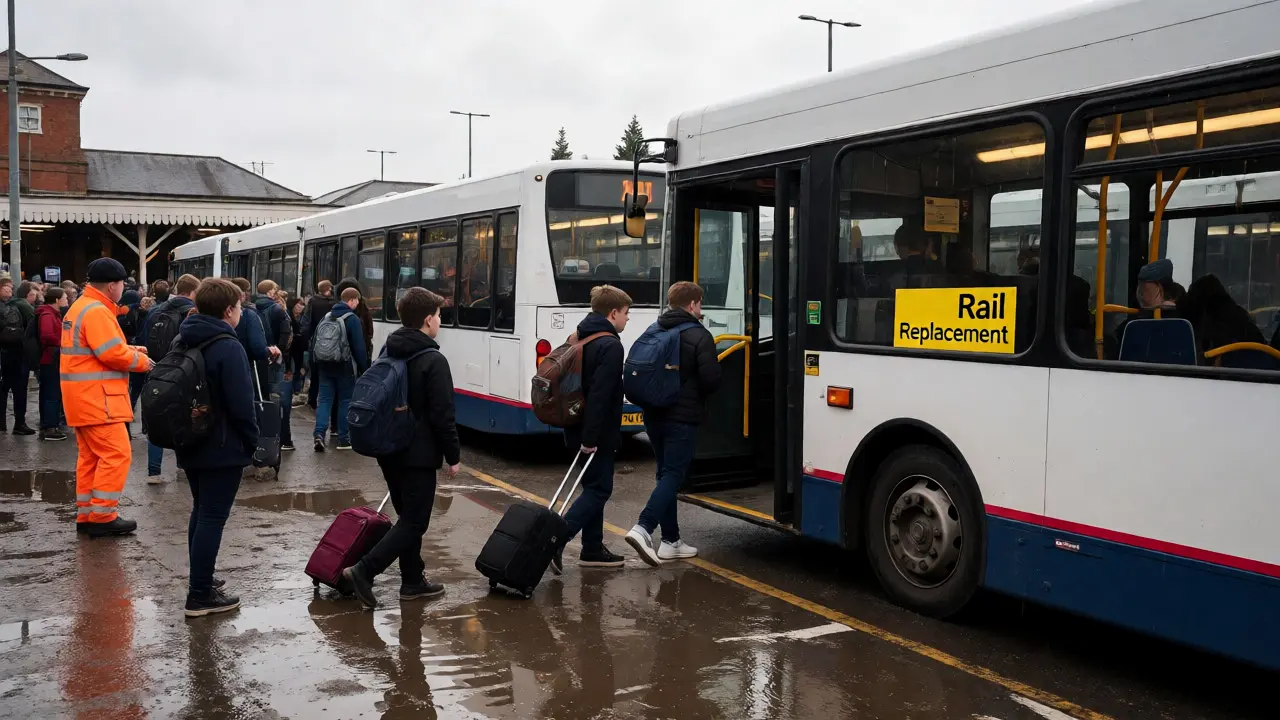
The key difference between an RRB and a standard National Express or local council bus is authorization. If you hop on a random city bus because it looks like it goes the same way, your conductor might not accept your rail ticket. You need the bus marked specifically as "Rail Replacement." These vehicles often display yellow signs in their windows or have digital displays reading "RRB" or "Rail Replacement." If you miss this sign, you risk paying double.
Spotting the Difference: Official vs. Unofficial
Not all buses waiting outside a station are there to help you. Sometimes, private coach hire companies park nearby to pick up groups for weddings or tours. Don’t get lured in by a comfortable seat and air conditioning. Here is how to verify you are boarding the right vehicle:
- Check the Destination Blind: The bus must display the correct terminus matching your rail journey’s end point or the next available train connection.
- Look for Staff: Official RRBs often have a driver or a marshal wearing high-vis gear who knows the rail timetable. They can confirm if the bus is part of the official replacement plan.
- Station Announcements: Listen for specific instructions. Train staff will usually announce which platform or exit leads to the replacement buses. Do not just wander out; follow the crowd or the signage.
If you are unsure, ask a member of station staff before leaving the secure area. It saves you from standing in the cold for twenty minutes only to realize you boarded a tour bus heading to Brighton while you needed to go to Manchester.
Ticketing Rules That Save Money
This is where students often lose money. Your rail ticket is generally valid on the replacement bus if the disruption was announced before you started your journey. However, there are nuances. If you bought a flexible ticket, you are usually safe. If you bought a cheap, advance-purchase ticket, you might face restrictions.
| Ticket Type | Validity on RRB | Action Required |
|---|---|---|
| Advance Single | Usually Valid | Keep proof of delay/cancellation |
| Off-Peak Return | Valid | No extra action |
| Anytime Day Return | Valid | No extra action |
| GroupSave / Family Ticket | Valid for whole group | Board together if possible |
Always keep your original ticket or mobile QR code handy. Conductors on replacement buses may not have the same scanning technology as train guards. Showing a printed itinerary or a screenshot of the disruption notice from the National Rail Enquiries app can prevent arguments. Remember, you are entitled to travel on the replacement service without buying a new ticket, provided you stick to the authorized route.
Surviving the Wait: Practical Tips
Waiting for a bus is different from waiting for a train. Trains have platforms, shelters, and often heated waiting rooms. Buses wait in car parks, lay-bys, or sometimes just on the side of the road. In October or February, this matters. Dress in layers. A scarf and gloves are non-negotiable if you are standing in a drafty station forecourt.
Here is a survival checklist for the wait:
- Charge Your Phone: You will use maps, messaging apps, and entertainment. If your battery dies, you lose your navigation lifeline.
- Download Offline Maps: Signal can be patchy in rural areas where rail lines pass through valleys. Have your route saved offline.
- Bring Snacks: Replacement bus journeys are often longer than train journeys. Delays compound. You might be stuck for two hours instead of forty minutes. Granola bars or fruit are better than relying on finding a café mid-journey.
- Have Cash Ready: While most buses take contactless, some smaller operators or older systems might prefer cash. Keep £5-£10 in small notes just in case.
Also, consider noise-canceling headphones. Buses are noisy, and other passengers might be talking loudly or playing music without headphones. Protect your peace so you can study or relax.
When Things Go Wrong: Compensation and Rights
UK passenger rights protect you, but you need to know how to claim them. If your train is delayed by more than 30 minutes due to rail company issues, you are eligible for Delay Repay compensation. This applies even if you took a replacement bus.
However, claiming compensation requires evidence. Take photos of the departure board showing the delay. Screenshot the live tracker status. Note the time you arrived at your destination versus your scheduled arrival. Submit your claim within 28 days. Most train operating companies allow online claims via their websites. For students, this refund can add up over a semester. Don’t leave money on the table because you felt too lazy to fill out a form.
What if the bus breaks down? Or you miss it entirely? If you miss the last replacement bus, you might need alternative transport. Check if your university has a taxi voucher scheme for late arrivals. Some cities offer night buses that align with rail schedules, though they rarely match exactly. Plan a backup route home using apps like Citymapper or Moovit, which integrate multiple transport modes.

Strategic Planning for Students
Students often travel during peak times, which makes rail replacement scenarios harder. Engineering works are frequently scheduled on weekends, but strikes and emergency repairs happen anytime. To minimize stress, check the status of your line before leaving your accommodation. The National Rail Enquiries website and app provide real-time updates. If you see widespread disruptions, consider traveling earlier or later to avoid the worst crowds.
Another tip: network with fellow students. Group chats are powerful tools. If someone posts, "The 9:00 to Leeds is cancelled," you save yourself a trip to the station. Share information about which buses are full, which ones have AC, or which drivers are friendly. Collective intelligence beats individual guessing every time.
Finally, adjust your schedule expectations. Add a 45-minute buffer to any journey involving potential rail replacements. If you have a 10:00 AM lecture, assume you might arrive at 10:45 AM. Communicate this early with professors if attendance is mandatory. Most educators understand the unpredictability of UK rail, especially during exam periods when stress levels are already high.
Frequently Asked Questions
Can I use my student railcard on a replacement bus?
Yes, your student railcard remains valid. Since the rail replacement bus is considered part of your rail journey, the discounts applied to your original ticket carry over. You do not need to buy a separate discounted bus ticket. Just ensure you have both your railcard and your ticket ready for inspection.
Do I need to pay extra if I miss the replacement bus?
Generally, no. If you miss the scheduled replacement bus due to traffic or overcrowding, you are usually allowed to take the next available one. However, if you missed it because you were late arriving at the pickup point, you might need to purchase a separate ticket. Always check with the station staff or the bus driver if you are unsure.
Are luggage allowances different on replacement buses?
Yes, they are much stricter. Trains have dedicated luggage racks and under-seat space. Buses have limited overhead bins and floor space. If you are traveling with large suitcases or sports equipment, you may be denied boarding if the bus is full. Pack light whenever possible, or arrive early to secure storage space.
How do I know if the disruption is planned or sudden?
Planned engineering works are announced weeks in advance on the National Rail website and at stations. Sudden disruptions, like signal failures or weather events, appear on live departure boards and apps minutes before departure. Checking ahead allows you to pack accordingly and adjust your start time.
Can I claim compensation if I take a taxi instead of the bus?
Usually, no. Rail companies cover the cost of the replacement bus. If you choose a taxi voluntarily, you typically pay out of pocket. However, if the replacement bus is unavailable or severely overcrowded, some operators may reimburse reasonable taxi fares upon presentation of receipts. Always ask for permission first.