Quick Wins for Staying Active
- Join a university sports society for structured play and social bonds.
- Use the campus gym for flexible, low-pressure workouts.
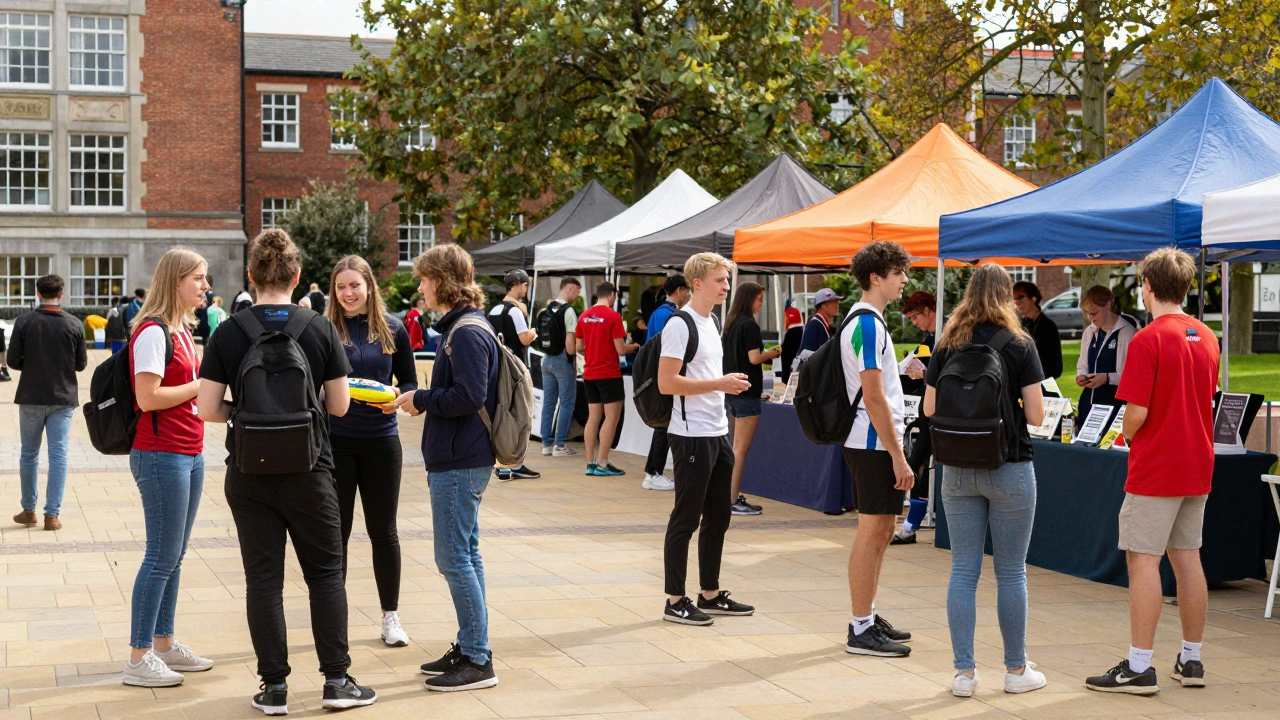
- Enter "Freshers' Fairs" to find niche sports you didn't know existed.
- Look into BUCS leagues if you want to compete against other universities.
- Try "social" or "recreational" tiers to avoid the pressure of elite athletics.
The Hierarchy of University Sport
When you step onto a UK campus, you'll notice that sport isn't one-size-fits-all. It's usually split into three distinct levels. First, you have the elite level. These are the students who treat sport like a second degree. They train at 6 AM and travel across the country for high-stakes matches. Then, there's the competitive but amateur level-people who are good at their sport and want to play in leagues, but still want to party on Friday nights. Finally, there's the purely social side. This is for the people who just want to hit a tennis ball around for an hour and grab a drink afterward.
Most UK universities manage this through their Athletic Union is the central governing body for all sports clubs within a university, managing funding, facility bookings, and club affiliations. These unions ensure that whether you're playing rugby or underwater hockey, there's a structured way to get involved. If you're feeling overwhelmed, start with the "social" wing of any club. It's the lowest barrier to entry and the fastest way to make friends.
Competing on the Big Stage: Understanding BUCS
If you've got a bit of a competitive streak, you'll keep hearing about BUCS is the British Universities & Colleges Sport organization, which manages the official inter-university sporting competitions in the UK. This is the gold standard for university athletics. BUCS organizes leagues and championships across dozens of sports, from football and netball to esports and powerlifting.
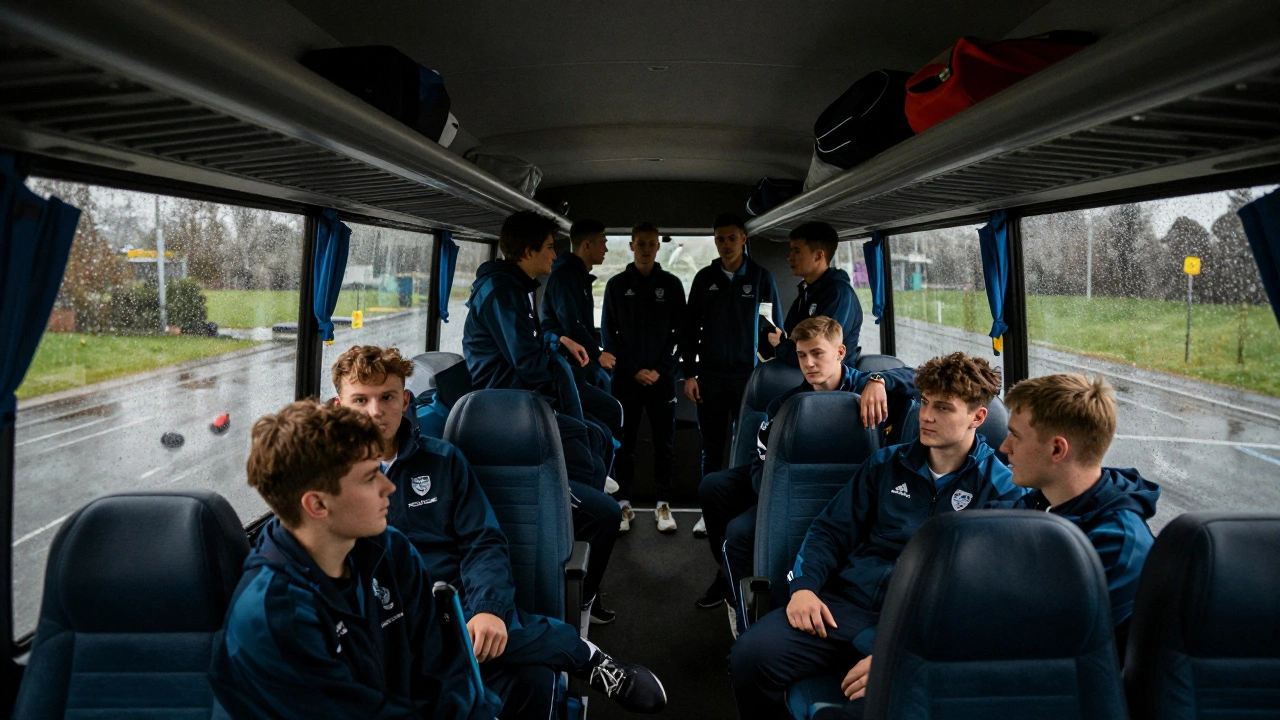
Playing in a BUCS league means you'll be traveling to other campuses. There's something uniquely bonding about sitting on a coach for four hours with your teammates, heading to a rainy field in the Midlands to play a match. The intensity varies-some leagues are brutal, while others are more relaxed-but the pride of representing your university is a huge motivator. Just remember, BUCS usually requires a trial. If you aren't a pro, don't let a "failed" trial stop you; most clubs have internal "friendlies" or lower-tier leagues that are just as fun.
| Level | Commitment | Goal | Vibe |
|---|---|---|---|
| Elite/Varsity | 15+ hours/week | Winning Championships | Intense & Disciplined |
| BUCS League | 5-10 hours/week | Competitive Growth | Team-oriented & Spirited |
| Social Societies | 1-3 hours/week | Health & Friendship | Relaxed & Inclusive |
| Casual Gym/Rec | Flexible | Personal Wellness | Individual & Low Pressure |
Campus Recreation and the Modern Gym
Not everyone wants to be part of a team. Some of us just want to put on headphones and forget the world exists for an hour. This is where Campus Recreation is the suite of non-competitive physical activities and facilities provided by a university for student wellness. Most UK universities have invested heavily in state-of-the-art leisure centers. You'll find everything from Olympic-sized swimming pools and squash courts to bouldering walls and HIIT studios.
The beauty of the university gym is the price. Compared to commercial gyms in the city, student memberships are usually a steal. Plus, many universities offer free induction sessions. If you've never lifted a weight in your life, don't just wander in and hope for the best. Grab a free session with a trainer so you don't accidentally injure yourself on the leg press. Many campuses also run "drop-in" sessions for yoga or Zumba, which are great if you want the structure of a class without the commitment of a full-term society membership.
The Social Power of "The Varsity"
You can't talk about UK student sports without mentioning Varsity is an annual sporting event where two rival universities compete in a series of matches to determine the overall winner. This is the Super Bowl of the university calendar. It's usually a weekend-long event where every sport, from the most popular to the most obscure, competes for points.
Even if you aren't playing, Varsity is a cultural phenomenon. The atmosphere is electric, with thousands of students cheering from the sidelines. It's the peak of campus rivalry. For the athletes, it's the culmination of a year's hard work. For everyone else, it's a great excuse to paint your face in university colors and scream at a referee. It's this sense of community and shared identity that makes university sports so much more than just exercise.
Niche Sports and Unusual Societies
One of the coolest things about the UK university system is the freedom to start almost any society. This has led to some truly bizarre recreational activities. You might find a society for Quidditch is a real-life adaptation of the fictional sport from Harry Potter, played as a full-contact sport on grass, or perhaps a group dedicated to "Extreme Ironing." While these might seem like jokes, they are actually fantastic gateways for people who find traditional sports intimidating.
These niche groups often prioritize inclusivity over skill. If you've spent your whole life feeling "not sporty," these are your people. They provide a safe space to try something new and fail miserably while laughing about it. Whether it's archery, fencing, or dance, these societies prove that "getting active" doesn't have to mean running laps around a track until you puke.

Managing Fitness with Academic Stress
Here is the reality: in November and March, your motivation to hit the gym will vanish. Between deadlines and exams, your schedule becomes a nightmare. The trick to maintaining your activity levels is to integrate movement into your study breaks. Instead of scrolling through TikTok for twenty minutes, take a brisk walk around campus or do a ten-minute stretch. This isn't just about physical health; it's about mental survival. Physical activity releases endorphins that help clear the brain fog caused by ten hours of reading a textbook.
Avoid the trap of "all or nothing." Many students start the term with a grueling six-day-a-week gym plan and quit by week three because it's unsustainable. Aim for a "minimum viable dose" of exercise. Even two sessions a week of something you actually enjoy is better than a perfect plan that you abandon. Use the university's Student Wellbeing Services is university-provided support systems that offer mental and physical health guidance to students. to find balance. They often have programs specifically designed to help students manage stress through activity.
Do I need to be an experienced athlete to join a sports society?
Absolutely not. Most UK universities have multiple tiers for every sport. While some teams compete at a high BUCS level, almost every club has a "social" or "recreational" wing specifically for beginners. These groups focus on learning the game and making friends rather than winning championships.
How much do university sports memberships usually cost?
Costs vary wildly. Gym memberships are usually subsidized and very affordable. Sports society fees can range from £10 to £100 per year, depending on the equipment and facility needs (rowing and equestrian sports are typically more expensive than football or running). Many universities offer financial support or bursaries for students who can't afford these fees.
What is the best time of year to join a club?
The best time is during "Freshers' Week" (late September/early October), as that's when most clubs hold their open days and recruitment trials. However, most societies accept new members throughout the year. If you miss the initial window, just email the club secretary-they're usually happy to have new blood joining the ranks.
Can I play sports if I'm not a full-time student?
Yes, part-time students and postgraduate students have the same access to sports facilities and societies as undergraduates. In fact, postgraduate societies are often a great way to meet people outside of your specific research or course area.
How do I find out which sports are available at my university?
The fastest way is to visit the university's Students' Union website or the Athletic Union page. They usually maintain a directory of all affiliated clubs. You can also check the physical notice boards in the university gym or student union building.
Next Steps for New Students
If you're just starting out, don't try to do everything at once. Pick one team sport and one individual activity. This gives you a balance of social interaction and personal downtime. Visit the gym during the first week just to see the layout, and sign up for a few taster sessions at the Freshers' Fair. Don't be afraid to switch if you find a sport you don't like-that's what the first term is for. The goal isn't to become an Olympian; it's to find a way to keep your body moving and your mind sane while you navigate the chaos of university life.