
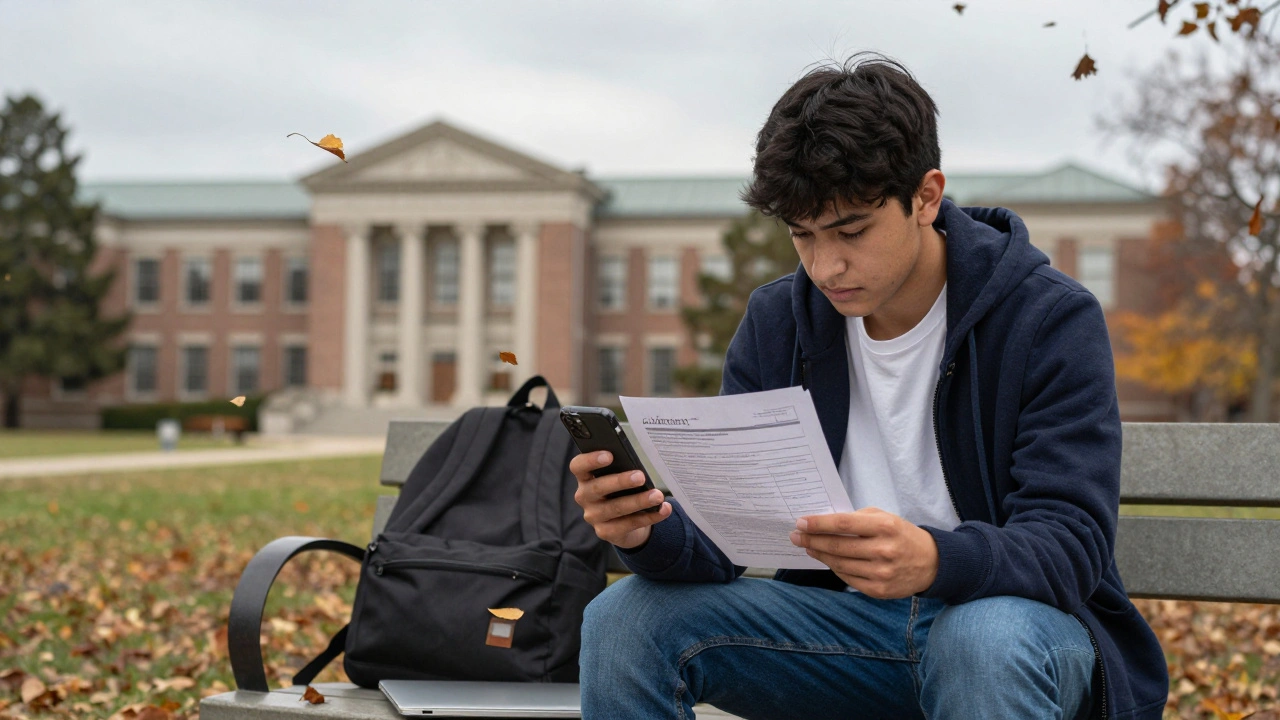
If you're heading to the UK as a student, you might think your student visa covers you for everything. It doesn't. And if your laptop gets stolen, your phone gets damaged in a dorm fire, or you need to see a doctor outside of NHS hours, you could be left paying hundreds-or thousands-out of pocket. Most students don’t realize how little their home country’s insurance covers abroad, or how easily things can go wrong in a new country.
What Student Insurance Actually Covers in the UK
The UK’s National Health Service (NHS) gives international students access to free or low-cost medical care-but only if you’ve paid the Immigration Health Surcharge (IHS). That’s included in your visa fee. But here’s the catch: NHS doesn’t cover everything. It won’t pay for dental work beyond emergency extractions, eye exams, or prescription glasses. It won’t cover private hospitals, mental health therapy beyond basic counseling, or repatriation if you get seriously ill. And it definitely won’t replace your stolen laptop or damaged phone.
That’s where student-specific insurance comes in. Most UK universities require international students to have insurance that covers medical emergencies, personal belongings, and liability. Even if your school doesn’t require it, skipping it is like driving without car insurance-you might get lucky, but one bad day can wipe out your savings.
Personal Belongings: The Most Overlooked Part
Students lose or damage things all the time. A laptop falls off a desk during a move. A bike gets stolen from campus. A camera gets soaked in the rain because you forgot your bag cover. These aren’t rare events-they happen every week in student housing.
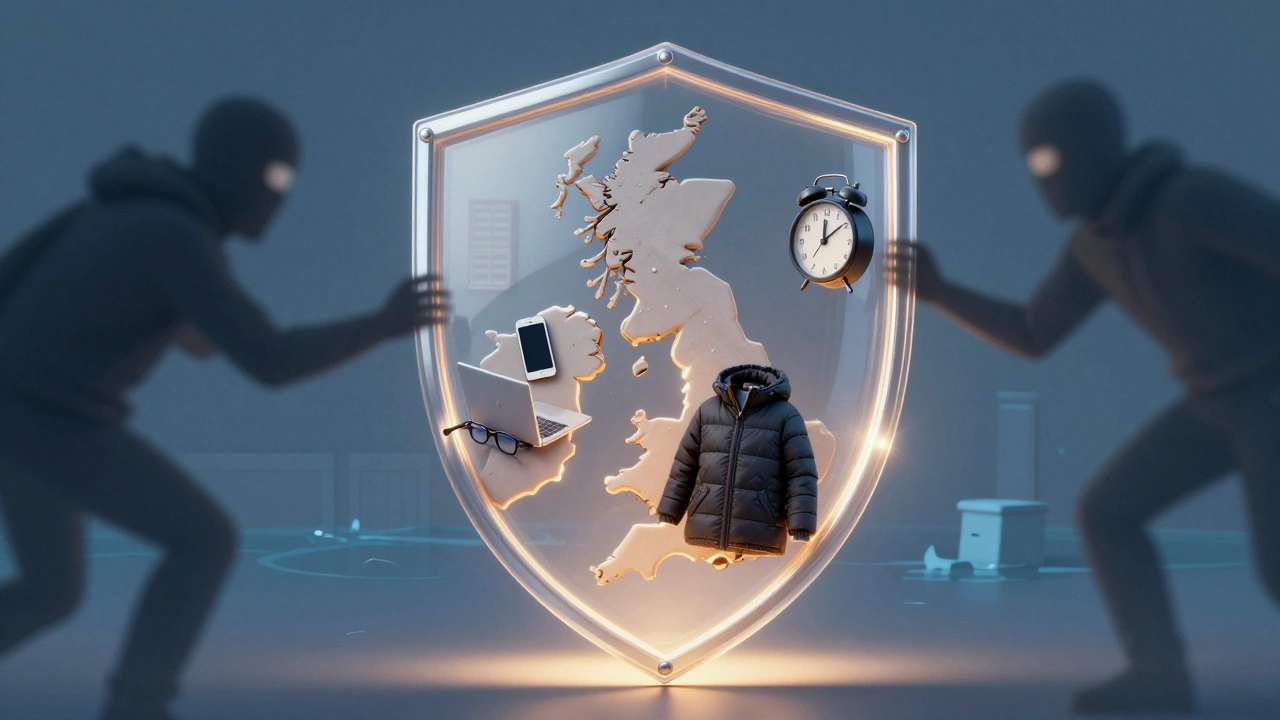
Standard travel insurance often excludes high-value items like electronics or limits coverage to £500 total. That’s not enough. A decent laptop costs £800-£1,200. A smartphone? £700. Your winter coat, textbooks, and musical instrument? Add another £500 easily.
Look for insurance that specifically lists “personal belongings” coverage with limits of at least £2,000-£3,000. Make sure it includes:
- Theft from your accommodation (even if unlocked)
- Accidental damage (spills, drops, water damage)
- Coverage while you’re on campus, in transit, or traveling within the UK
- No deductible-or a low one under £50
Some insurers exclude items left unattended in public places. If you leave your bag on a train or in a café, you’re out of luck unless your policy says otherwise. Always read the fine print.
Accommodation Insurance: What Your Landlord Doesn’t Tell You
Many student halls and private rentals don’t cover your stuff. The landlord’s insurance only protects the building-not your clothes, books, or gaming console. If a pipe bursts and floods your room, you’re responsible for replacing your belongings unless you have your own policy.
Some universities offer group insurance plans through their international office. These are often cheaper than buying individually and cover the basics. But check what’s included. Some only cover theft-not accidental damage. Others cap coverage at £1,000, which won’t cover a new laptop and phone together.
Private insurers like Allianz, AXA, and Insure4Student offer tailored plans. They let you choose coverage levels and add-ons like gadget protection. One student in Manchester replaced her £1,100 MacBook after it cracked during a dorm move. Her policy paid out in three days.
Medical Coverage Beyond the NHS
The IHS gives you access to NHS services, but wait times for non-emergency care can be weeks. If you need a specialist for a persistent back pain, a mental health counselor, or a dermatologist for acne treatment, you might wait months. That’s where private medical insurance helps.
Some student plans include private GP access, same-day appointments, mental health support, and even telehealth consultations. These aren’t luxuries-they’re time-savers. One international student in London missed two weeks of classes because she couldn’t get an NHS appointment for a severe ear infection. Her insurance plan let her see a doctor the next day.
Don’t assume your home country’s insurance works in the UK. Most don’t. Even European Health Insurance Cards (EHIC) are no longer valid for most international students after Brexit. You need UK-specific coverage.
What’s Usually Excluded
Insurance policies love fine print. Here’s what most student policies won’t cover:
- Pre-existing conditions (unless disclosed and approved)
- High-risk sports (skydiving, rock climbing, skiing)
- Items left in unattended vehicles
- Losses due to negligence (e.g., leaving your door unlocked during a party)
- Lost cash or ID cards
Some policies won’t cover electronics older than two years. If you brought your 3-year-old phone from home, it might not be eligible. Always check the age limits.
How to Choose the Right Plan
You don’t need the most expensive plan. You need the right one. Here’s how to pick:
- Check your university’s recommended providers. Many have deals with insurers.
- Compare coverage limits: Is personal belongings coverage at least £2,500? Is medical coverage unlimited?
- Look for 24/7 emergency support in English.
- See if claims can be filed online with receipts-no need to mail documents.
- Read reviews from other international students. Look for mentions of payout speed and customer service.
One student in Edinburgh paid £120 for a full-year plan that covered her laptop, phone, medical emergencies, and even missed flights due to illness. She used it twice-in the first month, her phone was stolen, and in month six, she needed urgent dental care. Both claims were settled within 72 hours.
What to Do If You Already Moved In
If you’re already in the UK and haven’t got insurance yet, don’t panic. You can still get covered. Most insurers allow you to sign up within 30 days of arrival. But don’t wait. The moment you step off the plane, your belongings are at risk.
Start by listing everything you brought: make, model, serial numbers, receipts. Take photos. Store them in the cloud. If something gets stolen or damaged, you’ll need proof. Many insurers require this before paying out.
Also, register with a local GP as soon as possible. Even if you plan to use private care, NHS registration gives you access to free prescriptions and emergency care without delay.
Common Mistakes Students Make
- Thinking home insurance covers them abroad-most don’t.
- Believing the university’s insurance is enough-many are basic and exclude gadgets.
- Skipping coverage because it’s “too expensive”-a single stolen laptop costs more than a year of insurance.
- Not reading the exclusions-especially around sports, travel, and device age.
- Waiting until something happens to buy insurance-most policies won’t cover pre-existing risks.
One student in Birmingham lost her £900 tablet during a weekend trip. She thought her home policy covered it. It didn’t. She had to pay out of pocket. She didn’t buy insurance until after that-and it cost her more because she was already in the UK.
Final Checklist Before You Leave
Before you board your flight, make sure you’ve got:
- Proof of IHS payment (on your visa document)
- A student insurance policy with at least £2,500 personal belongings coverage
- Medical coverage that includes private care and mental health
- Receipts and photos of high-value items
- Contact info for your insurer’s UK emergency line
Insurance isn’t about expecting the worst. It’s about making sure the worst doesn’t ruin your year. The UK is full of opportunities-but also full of risks. Protect your stuff. Protect your health. Don’t gamble with your education.
Do I need student insurance if I’m from the EU?
Yes. Even if you’re from the EU, your European Health Insurance Card (EHIC) is no longer valid for most students in the UK. You must pay the Immigration Health Surcharge (IHS) as part of your visa and get separate insurance for personal belongings. NHS coverage is limited, and private medical or gadget protection won’t be covered without a dedicated student policy.
Does my university provide insurance?
Some universities offer group insurance plans, especially for international students. These are often affordable and cover basics like medical emergencies and personal belongings up to £2,000. But they rarely cover high-end gadgets, accidental damage, or mental health services. Always check the details-don’t assume it’s enough. You might need to top it up with a private plan.
Can I use my home country’s health insurance in the UK?
Almost always, no. Most international health insurance plans don’t cover you outside your home country unless you have a global policy. Even then, they rarely include access to private care or full reimbursement for NHS services. The UK requires international students to pay the Immigration Health Surcharge (IHS) to access NHS care. Anything beyond that-like faster appointments or dental work-needs separate coverage.
What if I lose my phone or laptop?
If you have personal belongings coverage, file a claim with your insurer as soon as possible. You’ll need a police report (for theft), photos of the item, and proof of purchase. Most insurers process claims within 3-7 days if you have all the documents. Some even offer same-day replacement for lost phones through partner retailers. Don’t wait-delaying can void your claim.
Is student insurance worth it if I’m only staying for one semester?
Absolutely. A one-semester plan costs around £60-£100, depending on coverage. That’s less than the price of a single stolen laptop or a private doctor visit for a serious illness. Many insurers offer short-term policies for exchange students. The risk isn’t worth skipping it-even for a few months.