You spend long hours in lecture halls and library cubicles. Between exam stress and late-night essays, your body often takes a back seat. But staying active isn’t just about looking good; it keeps your brain sharp enough to finish those assignments. If you are planning to study in the UK, you might wonder what kind of support awaits you on campus. Do universities actually care about your health, or is fitness an afterthought?
The answer varies wildly depending on where you go. Some campuses boast state-of-the-art complexes that rival commercial chains, while others rely on basic shared spaces. Understanding the landscape of student fitness centers helps you make better choices before committing to a degree program.
What Actually Counts as a Gym Facility?
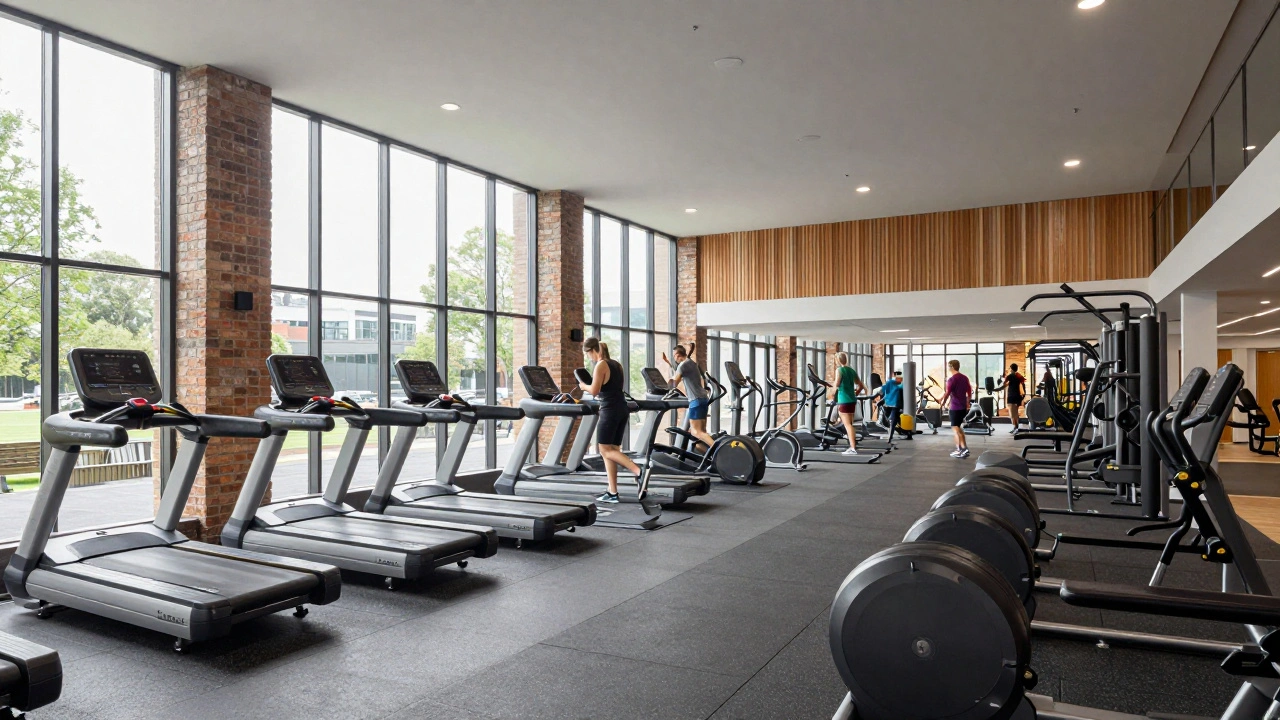
When brochures mention fitness and gym facilities at UK universities, the range can be misleading. One school might call a room with two treadmills a "sports center." Another might have a massive complex housing multiple pools and squash courts. You need to look under the hood.
Most standard setups include:
- Cardiovascular equipment: Treadmills, ellipticals, and rowing machines for endurance work.
- Strength training areas: Free weights, dumbbells, and resistance machines for building muscle.
- Studio spaces: Rooms dedicated for yoga, spinning, or functional fitness classes.
Beyond the basics, many larger institutions invest heavily in outdoor pitches and indoor courts for football or basketball. Smaller colleges might partner with local community leisure centers instead of owning their own buildings. This distinction matters because owned facilities often come with better maintenance and later opening times.
Navigating Membership Costs and Subsidies
Money is always a concern for students. Fortunately, Higher Education Institutions in the UK often view gyms as welfare services rather than profit centers. However, this doesn't mean everything is free.
Typically, you face three pricing structures:
- Included in Tuition: A small number of top-tier universities absorb the cost of gym access into your overall fee package. This is rare but highly valuable.
- Student Discounts: The vast majority charge a reduced monthly rate compared to public members. Expect to pay between £20 and £40 per month depending on peak hour access.
- Frozen Cards: Some allow you to freeze your subscription during holidays or exam periods without penalty.
A Student Union often negotiates these deals. They fight hard to keep prices low so that budget constraints don't stop students from exercising. Always ask the union representatives if discounts exist for mental health weeks or financial hardship cases.
Pools, Courts, and Other Amenities
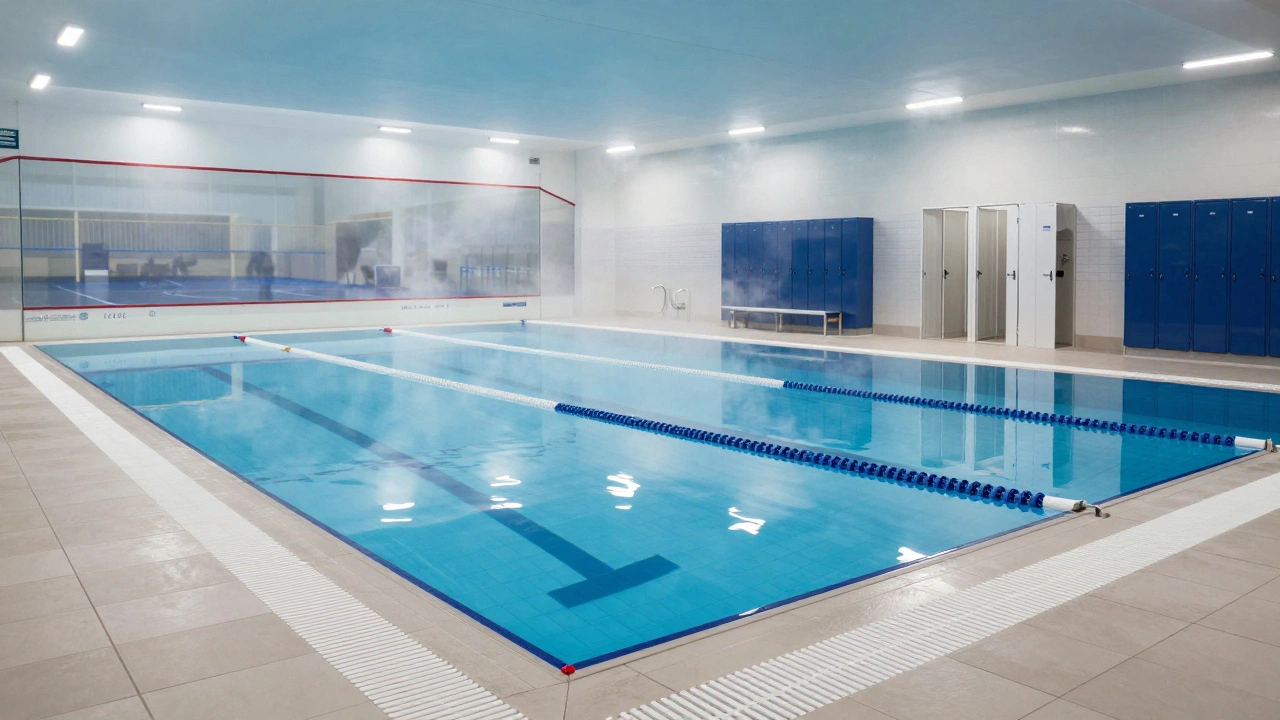
If you need more than just weights, the variety of amenities defines the experience. A 25-meter swimming pool is a luxury not every campus holds. Those that do usually operate lanes at different speeds to accommodate lap swimmers versus families. Water polo and diving boards might also be available at major hubs.
Then there are the sports courts. Indoor badminton, volleyball, and tennis courts allow activity even during the rainy British winter. Outdoor fields often host rugby and cricket during summer terms. Access rules differ here; sometimes you need to book through a team, while other times anyone with a key card can reserve a court online.
Don't overlook the showers and changing rooms. Cleanliness impacts motivation. Modern university gyms aim for daily cleaning schedules, especially after high-traffic periods. Lockers should be lockable with personal padlocks or electronic codes. Ventilation is another factor; poorly ventilated old buildings get smelly very quickly, making you skip workouts entirely.
Accessibility and Inclusivity Standards
Your ability to enter and use the space shouldn't be hindered by design flaws. Modern regulations require ramps and lifts, but implementation varies across older historic campuses. Before applying, check if there are accessible changing rooms equipped with grab bars and roll-in showers.
Inclusivity extends to social comfort as well. Many universities now designate specific hours or sections for women, providing a judgment-free zone for those who prefer privacy. LGBTQ+ friendly policies are also increasingly standard, ensuring staff handle names and pronouns with respect. If you have specific needs, contacting the disability service ahead of time can ensure necessary accommodations like adaptive weights or quiet workout zones are ready upon arrival.
The Community Aspect: Clubs and Competitions
Fitness isn't just solitary lifting; it's social. Almost every university hosts dozens of University Sports Clubs. These are organized groups playing sports competitively or recreationally. Joining a club transforms the gym from a place you visit to a community you belong to.
Options range from traditional contact sports like rugby and hockey to niche activities like ultimate frisbee or fencing. The BUCS (British Universities and Colleges Sport) system organizes leagues, giving you regular competitive play. Even if you aren't athletic, casual societies exist just for fun. These connections often lead to networking opportunities outside your academic course, keeping you motivated throughout the year.

How to Verify Quality Before You Commit
Pictures on the website can be deceptive. Photos are often outdated or show a facility that was renovated years ago. Here is how to get the truth:
- Contact Current Students: Find groups on Reddit or Facebook dedicated to the university. Ask them directly about machine availability during rush hours.
- Visit Open Days: Walk into the gym yourself. Smell the air, check the cleanliness of the mats, and see how busy it is.
- Check Digital Booking Systems: Modern campuses use apps to book slots. Test the ease of use before you sign up. Clunky systems create frustration barriers.
Also, consider the location relative to your accommodation. If the gym is off-campus, transport costs eat into savings. Proximity is a hidden metric of success; convenience often beats premium equipment.
Frequently Asked Questions
Are student gym memberships usually refundable?
Policies vary widely. Most institutions treat memberships as rolling contracts. Check if there is a cancellation clause for moving away permanently or graduating early.
Can I bring a guest to the university gym?
Generally, guests are charged a day pass fee unless they are also enrolled students on site. Some unions allow one free visitor per month for non-students.
Do university gyms have personal trainers?
Many offer beginner sessions or induction workshops for free. Ongoing personal training is typically an extra cost on top of the standard membership.
Is childcare available at campus fitness centers?
Childcare facilities are uncommon in university settings due to age restrictions on membership. Look for separate parent programs if you have young children.
What happens during holiday breaks?
Facilities usually remain open but may close earlier. Your membership auto-renews, but you should freeze it if you are returning home to avoid paying for unused time.