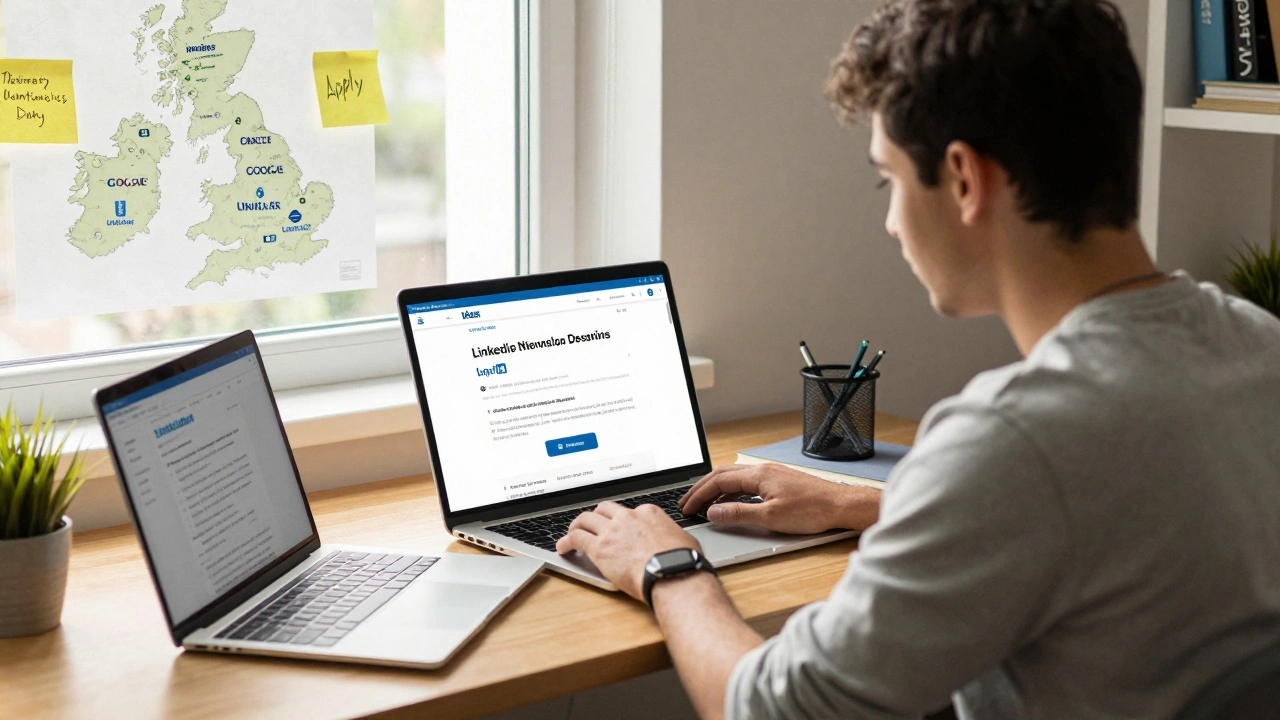
If you're planning to land an internship in the UK, waiting until your last semester to start looking is a mistake. The clock starts ticking way earlier than most students realize. By the time you’re scrolling through LinkedIn in your final year, the best spots are already filled. Internships in the UK aren’t just about getting experience-they’re often the main path to full-time jobs after graduation. Companies like Unilever, Barclays, and even smaller tech startups begin recruiting up to a year in advance. If you don’t plan ahead, you’ll be left chasing leftovers.
When to Start Looking for UK Internships
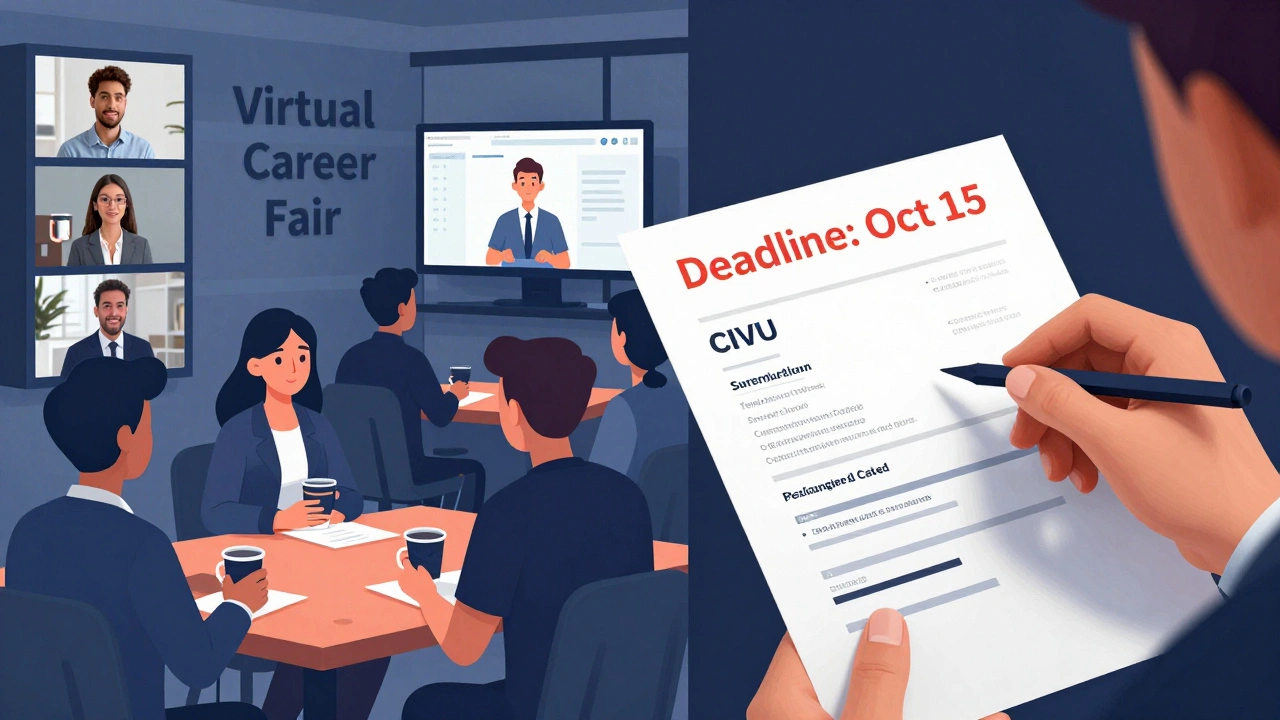
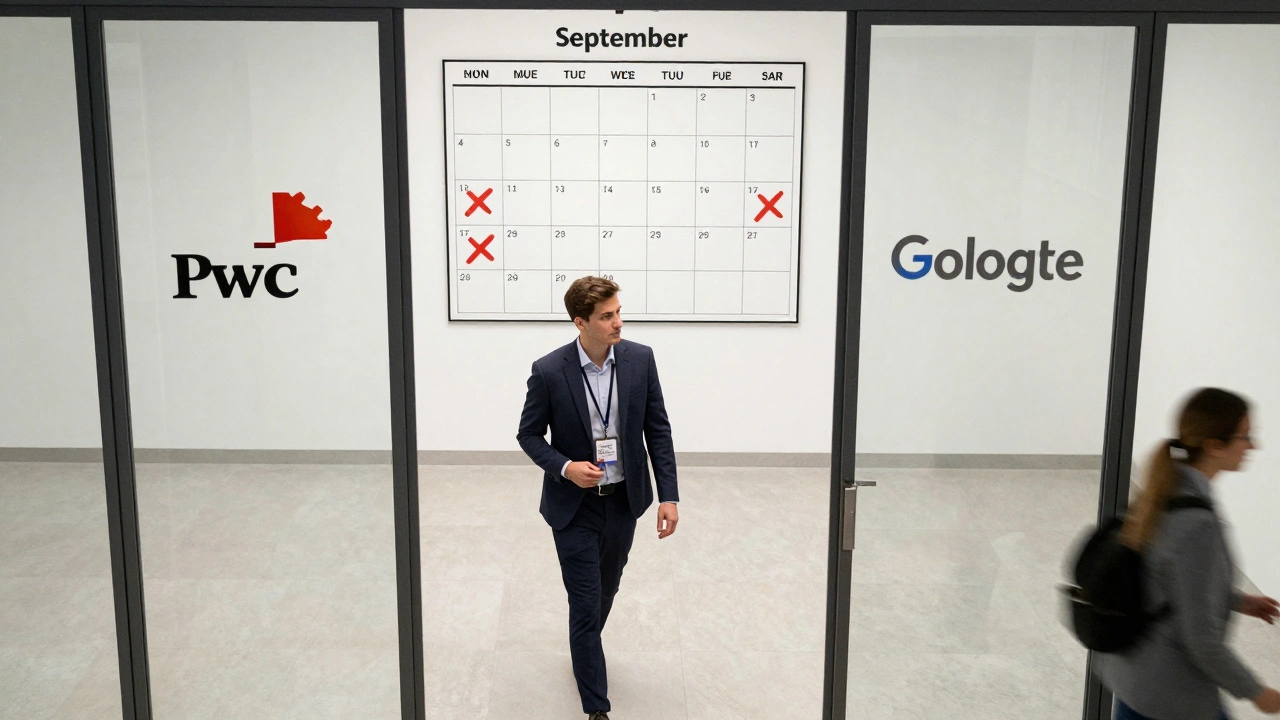
For summer internships, the main wave of applications opens between September and November of the year before. That means if you want a summer 2026 internship, you should be applying from September 2025. Big firms like PwC, Deloitte, and Google have deadlines as early as October. Smaller companies might stretch into January, but you can’t count on that. Winter internships (December-February) have a shorter window-usually October to December. Spring internships (March-May) start popping up in January, but competition heats up fast.
International students face extra pressure. Visa rules mean you need to secure your placement before applying for a Student Visa (if you’re not already in the UK). The UK government requires proof of a confirmed placement for certain visa types. If you wait until January to start applying, you’re already behind.
Where to Find Internship Opportunities in the UK
Don’t rely on just one source. The most successful students use a mix of platforms and networks.
- LinkedIn: Set your profile to "Open to Work" and filter for internships by location (UK), job type (internship), and industry. Follow companies you’re interested in-they often post openings before they hit job boards.
- Reed.co.uk: One of the UK’s oldest job sites, with a dedicated internships section. It’s especially strong for roles in finance, marketing, and public sector.
- Indeed UK: Aggregates listings from company career pages and agencies. Use keywords like "paid internship UK" or "placement year UK" to filter out unpaid gigs.
- RateMyPlacement: A student-focused site that reviews internships by company and role. Great for spotting red flags before you apply.
- University career portals: If you’re studying at a UK university, your career service has exclusive access to internships not listed publicly. Check your portal weekly.
- Company career pages: If you have a list of dream employers, bookmark their careers section. Many firms, especially in tech and engineering, post directly on their own sites.
Don’t ignore networking. Attend virtual career fairs hosted by UK universities-even if you’re overseas. Join LinkedIn groups like "UK Internships for International Students" or "UK Engineering Placements." A simple message to someone working at a company you like can open doors no job board ever will.
Types of Internships in the UK
Not all internships are the same. Knowing the difference helps you target the right ones.
- Placement Year (Sandwich Course): A full-year internship built into your degree. Usually taken between your second and final year. Paid, often with housing support. Common in engineering, business, and science programs.
- Summer Internships: Last 8-12 weeks, typically June-August. Most popular with international students. Often lead to return offers.
- Winter/Spring Internships: Shorter, 4-6 weeks, during university breaks. Good for testing industries without committing to a full summer.
- Virtual Internships: Remote roles, often from global companies. Flexible, but harder to build connections. Watch out for scams-legit ones pay at least £10/hour.
- Volunteering Internships: Rare and usually not worth it unless it’s with a nonprofit you’re deeply passionate about. Most UK employers expect paid roles.
Pay matters. The UK National Minimum Wage for under-18s is £5.28/hour, but for interns over 18, most companies pay at least £12/hour in London and £10/hour outside. If a company offers less than £9/hour and isn’t a registered charity, it’s a red flag.
How to Stand Out in Your Application
UK employers don’t just want good grades. They want proof you can handle real work.
- Customize your CV for every application. Mention the company name and role. Use keywords from the job description.
- Include a cover letter-even if it’s not required. Keep it under 300 words. Explain why you want that company, not just any internship.
- Highlight any UK-relevant experience: group projects, campus clubs, volunteer work, even part-time jobs. Show initiative.
- For tech roles, link to a GitHub profile. For marketing, include a portfolio link. For finance, mention any finance-related coursework or simulations.
- Apply early. Many firms use rolling admissions. The first 10% of applicants get 70% of the interviews.
Pitfalls to Avoid
Here’s what trips up most applicants:
- Applying to 50 jobs with the same CV. Recruiters spot copy-paste applications instantly.
- Ignoring deadlines. UK firms don’t extend deadlines for international students.
- Not checking visa eligibility. Some roles require you to already have the right to work in the UK. Others sponsor visas-but only for top candidates.
- Waiting for the "perfect" opportunity. Apply to 5-10 roles a week. Even if one doesn’t feel ideal, you’ll learn from the process.
- Forgetting to follow up. Send a polite email one week after applying if you haven’t heard back. Most applicants don’t.
What Happens After You Get an Offer
Once you’re accepted, don’t relax. There’s paperwork.
- Sign the contract. Read it. Look for clauses on working hours, pay, and termination.
- Apply for a National Insurance Number (NIN) if you’re staying more than 3 months. You need it to get paid legally.
- Book a UK bank account. Some companies pay via direct deposit only.
- Check your accommodation. Many internships don’t provide housing. Use sites like SpareRoom or UniAcco.
- Get travel insurance. The UK’s NHS doesn’t cover all medical costs for international students.
Start preparing for your first day. Research the company culture. Watch YouTube videos of employees talking about their roles. Practice answering common interview questions-even if you already got the job. You’ll need them for your final review.
Final Checklist
Use this before you hit submit:
- Have you applied to at least 8 companies by November?
- Is your CV tailored to UK standards (1-2 pages max, no photo, no personal details like age or marital status)?
- Have you checked visa requirements for your nationality?
- Do you have a UK phone number or email address you check daily?
- Have you set calendar reminders for all deadlines?
If you answer yes to all of these, you’re ahead of 80% of applicants.
Can international students get paid internships in the UK?
Yes, absolutely. Most internships in the UK are paid, especially for students on a Student Visa. The minimum pay is typically £10-£12 per hour outside London and £12-£15 in London. Companies that sponsor visas usually pay above the minimum wage. Avoid unpaid internships unless they’re with registered charities or part of academic credit.
Do I need a visa to do an internship in the UK?
If you’re not a UK or EU citizen, you’ll need a Student Visa if your internship is part of your degree program and lasts more than 6 months. For shorter internships (under 6 months), you may qualify under the Standard Visitor Visa-but you can’t be paid under this visa. Paid internships require a Student Visa or a work visa like the Graduate Visa after graduation. Always confirm with the UK government’s official visa checker.
How long do UK internships usually last?
Summer internships typically last 8-12 weeks, often between June and August. Placement years (sandwich courses) last a full 12 months. Winter and spring internships are shorter, usually 4-6 weeks. Some tech startups offer flexible 3-month rotations. Always check the duration before applying.
Are UK internships competitive?
Extremely. Top firms like McKinsey, Amazon, and HSBC receive 100+ applications per internship spot. Even mid-sized companies get 30-50 applicants. Your application needs to stand out with clear examples of initiative, teamwork, and relevant skills. Applying early and customizing your materials gives you a real edge.
Can I do multiple internships in the UK during my studies?
Yes, as long as your Student Visa allows it. You can do a placement year plus a summer internship, or multiple short-term roles during breaks. But you can’t work more than 20 hours per week during term time unless your course specifically allows it. Always check your visa conditions and get approval from your university if needed.
Next Steps
Start today. Open LinkedIn. Search for "internship UK" and filter by posted in the last week. Save three postings. Draft a one-line email to each company’s HR contact: "Hi, I’m a student interested in your internship program. Could you share any upcoming openings?" Then send your CV. That’s it. No more waiting. No more excuses. The window is open-and it’s closing fast.