
If you're a student in the UK and you're building a blog, TikTok channel, or Instagram page, you’ve probably thought about brand deals. Not because you want to sell out - but because rent is due, textbooks cost more than your weekly grocery budget, and you’d love to turn your passion into something that pays.
The good news? Brands are actively looking for student creators like you. Not the polished influencers with 100K followers. Not the ones with perfect lighting and staged photos. They want real students - people who still eat instant noodles, study in libraries, and post from their dorm rooms. That’s you.
But saying yes to every offer? That’s how you lose trust. And once your audience senses you’re just promoting stuff for cash, they’ll walk away. So how do you say yes to the right deals - and say no to the rest - without feeling like a sellout?
Know What You’re Worth (Even If You Have 500 Followers)
You don’t need a huge following to get paid. A study by the UK’s Influencer Marketing Hub in 2024 found that micro-influencers (1K-10K followers) in education and student niches had higher engagement rates than bigger creators. Brands care more about who listens than how many people see the post.
So what’s your rate? Start simple: charge £20-£50 per post if you have 1K-5K followers. For 5K-10K, £70-£150 is fair. If you’re doing a story series, a video review, or a full blog feature, bump it up. Don’t undervalue your time. You’re not just posting a photo - you’re writing copy, editing, scheduling, replying to comments, and tracking results. That’s work.
Some brands will try to lowball you with “exposure” or free products. That’s not a deal. Free skincare? Cool. But if it doesn’t cover your data plan, coffee, or bus fare to campus, it’s not worth your time.
Only Work With Brands That Fit Your Life
Here’s the truth: your audience follows you because you’re real. They trust you when you say a textbook saved your grade. They believe you when you say a laptop stand stopped your back from hurting during all-nighters.
So don’t take a deal with a luxury watch brand if you’ve never worn anything over £50. Don’t promote a £300 meal kit if you survive on pasta and beans. Your followers will notice the disconnect. And they’ll call you out - publicly.
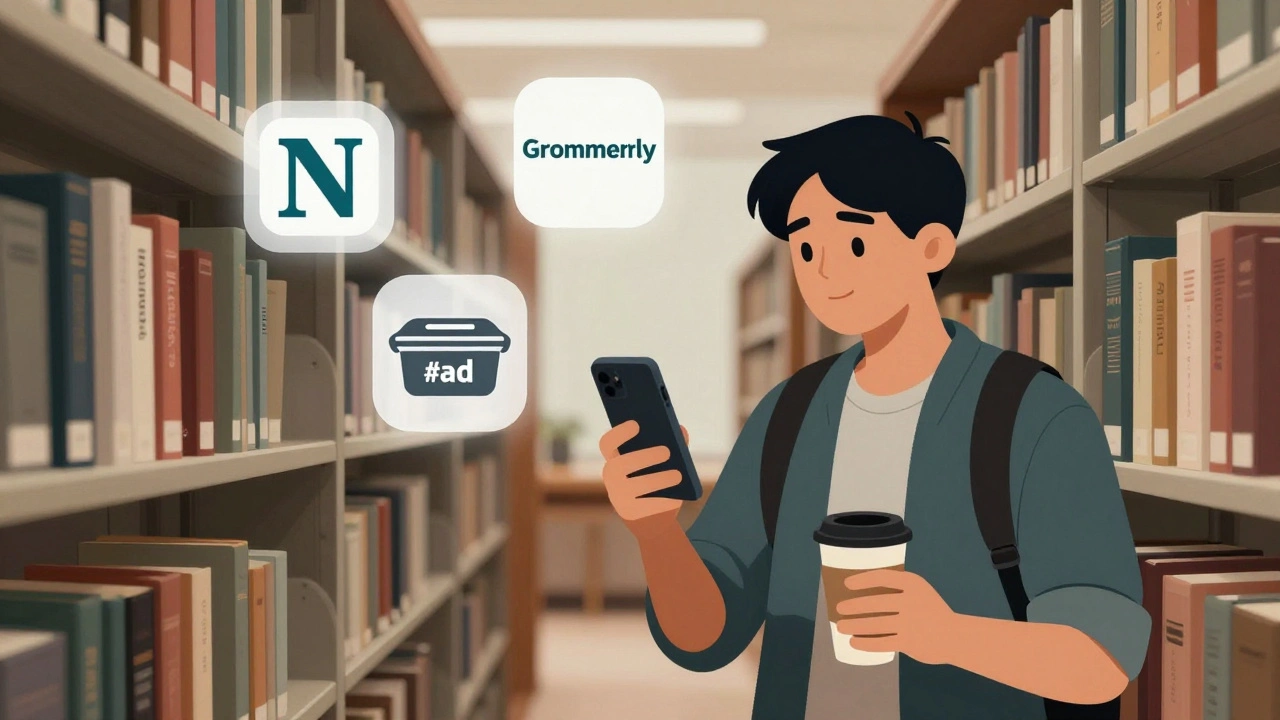
Stick to brands you actually use. Student-friendly apps like Notion, Grammarly, or Student Beans. Budget-friendly fashion like ASOS Student, BoohooMAN, or Depop sellers. Meal prep containers, budget phone cases, campus-friendly headphones, or study apps that actually help. These are the products your audience is already searching for.
And here’s a pro tip: if a brand asks you to say something you don’t believe - “This energy drink will make you ace your exams” - say no. You don’t need the money that badly.
How to Find Real Brand Deals (Not Scams)
There are a lot of fake “influencer platforms” out there. Some charge you £20 to join. Others promise you’ll get 10 deals this week - then disappear. Here’s how to find the real ones:
- Join student-focused networks: Platforms like Student Ambassadors a UK-based platform connecting students with brands looking for authentic campus promotion or Top Hat a learning platform that partners with student creators for educational content vet brands before they reach you.
- Check university partnerships: Many UK universities have official ambassador programs. The University of Manchester, King’s College London, and the University of Edinburgh all run student creator programs with paid opportunities.
- DM brands you already love: If you use a brand’s product regularly - like a sustainable water bottle or a note-taking app - send them a polite message. “Hi, I’m a student at [University] and I use [Product] every day. I’d love to share how it helps me study. Are you working with student creators?” Many small brands say yes.
- Avoid platforms that ask for payment: If it costs money to join, it’s not a deal - it’s a scam.
Disclose Everything - Even If It Feels Awkward
In the UK, the Advertising Standards Authority (ASA) requires all sponsored content to be clearly labeled. That means #ad, #sponsored, or “Paid partnership with…” - no exceptions.
Some creators hide it in the 17th comment. Others slap it on at the end of a 30-second video. That’s not just against the rules - it’s disrespectful to your audience.
Be upfront. Say it early. Say it clearly. “This post is sponsored by [Brand], but I only work with them because I actually use their product.” That honesty builds trust. It doesn’t ruin it.
And if you’re posting on Instagram or TikTok? Use the built-in “Paid Partnership” tag. It’s simple, official, and removes any doubt.
Track What Works - And What Doesn’t
Not every deal will go well. That’s normal.
Keep a simple log: date, brand, payment, content type (post, story, video), engagement rate, and whether you’d work with them again. After 5-10 deals, you’ll start seeing patterns.
Maybe your audience loves unboxing videos but ignores static images. Maybe you get more replies when you talk about how the product helped you during exams. That’s your goldmine.
Use free tools like Instagram Insights or TikTok Analytics. No need for expensive software. Just look at your numbers. What got the most saves? The most comments? That’s your content style.
Protect Your Time and Mental Space
Student life is already full. Adding brand deals shouldn’t mean burning out.
Set boundaries:
- No more than 2-3 sponsored posts per month.
- No working on weekends or during exam weeks.
- Never skip sleep or meals for a shoot.
- Take a break if you feel like you’re losing your voice.
It’s okay to say no. Even to money. If a brand wants you to post every day for a week? No. If they want you to pretend you love something you hate? No. If they ghost you after payment? Block them and move on.
Your mental health matters more than a £100 payout.
What Happens When You Do It Right?
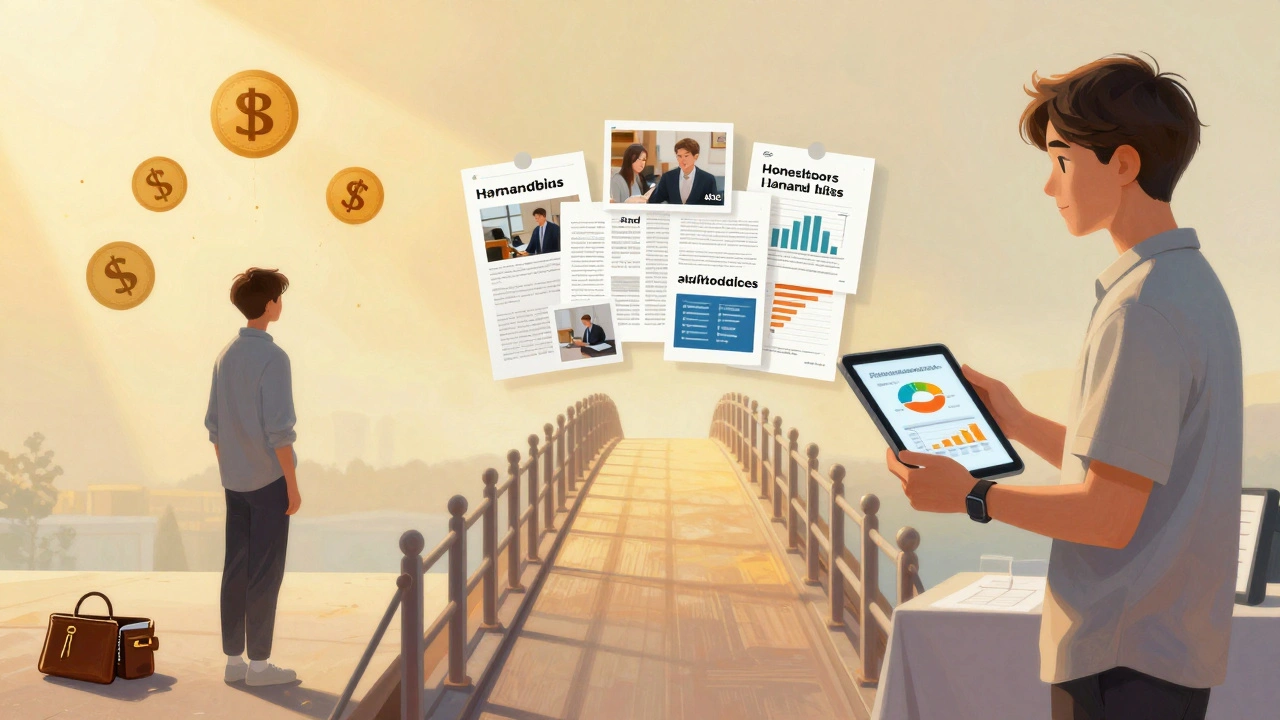
One student in Leeds started a blog reviewing affordable study gear. She had 3,000 followers. She took three brand deals in her first term - a notebook brand, a lamp company, and a meal prep container startup. She earned £250. She didn’t post every day. She didn’t fake it. She just shared what worked for her.
By her second year, she was invited to speak at a university career fair about student entrepreneurship. The same brand that gave her her first £50 deal now hires her to train new student ambassadors.
That’s the real win.
You’re not just making money. You’re building a reputation. A skill set. A portfolio. And maybe - just maybe - a future career.
Frequently Asked Questions
Do I need to be a full-time influencer to get brand deals as a student?
No. Most brands working with students don’t want influencers - they want relatable voices. You don’t need to post daily, have perfect lighting, or follow trends. Just be honest, consistent, and authentic. Even posting once a week with real stories about your student life is enough.
Can I work with brands outside the UK?
Yes, but be careful. Some international brands don’t understand UK student life or the ASA rules. They might send you products that don’t ship to your address or ask you to ignore sponsorship labels. Stick to UK-based brands at first - they know your audience better and are more likely to pay on time.
What if I get a deal that feels too good to be true?
It probably is. If a brand offers £500 for one Instagram post and doesn’t ask for your follower count, content ideas, or past work - walk away. Legit brands want to see your style before they pay. If they’re pushy, vague, or avoid answering questions, it’s a red flag.
Do I have to pay tax on brand deals as a student?
Yes. If you earn more than £1,000 in a tax year from side gigs like brand deals, you must register as self-employed with HMRC. You don’t need to file a full tax return immediately, but you do need to report your income. Many student creators start by using free tools like the HMRC Self Assessment portal. Keep receipts for things like phone bills or editing apps - you can claim them as expenses.
How do I handle negative comments about sponsored posts?
Some people will always say you’re “selling out.” That’s their opinion. The best response? Thank them for their honesty, then explain why you took the deal. “I only work with brands I use and believe in. This product helped me study better, so I shared it. I’m not paid to lie.” Most followers will respect that.
Next Steps
Start small. Pick one brand you already use. Send them a message. Create one honest post. Track the results. Repeat.
You don’t need to be perfect. You just need to be real. And right now, that’s exactly what brands are looking for.