Traveling by train across the UK can feel like paying a tax just to move between cities. A ticket from London to Manchester might cost £120 - but if you break that journey into two parts - say, London to Birmingham, then Birmingham to Manchester - you could pay under £60. This isn’t a trick. It’s called split ticketing, and it’s a legal, widely used way students save hundreds a year on rail fares.
How Split Ticketing Actually Works
Train tickets in the UK are priced based on routes, not distances. That means the price for a direct journey doesn’t always reflect the real cost of running the train. Rail operators set fares for specific segments, and sometimes the sum of two separate tickets is cheaper than one direct ticket. This happens because operators price tickets to maximize revenue on popular routes, not to reflect actual operating costs.
For example, a direct ticket from York to London King’s Cross might cost £95. But if you buy a ticket from York to Doncaster (£12) and another from Doncaster to London (£38), the total is £50. You still board at York, change at Doncaster, and arrive in London - no extra steps, no delays, no rules broken. The train doesn’t care if you bought one ticket or two. You’re just paying less.
This isn’t rare. A 2025 study by RailDeliveryGroup showed that over 40% of long-distance UK train journeys have at least one split-ticket option that saves 30% or more. For students making weekly trips home, that adds up fast.
Why Students Benefit the Most
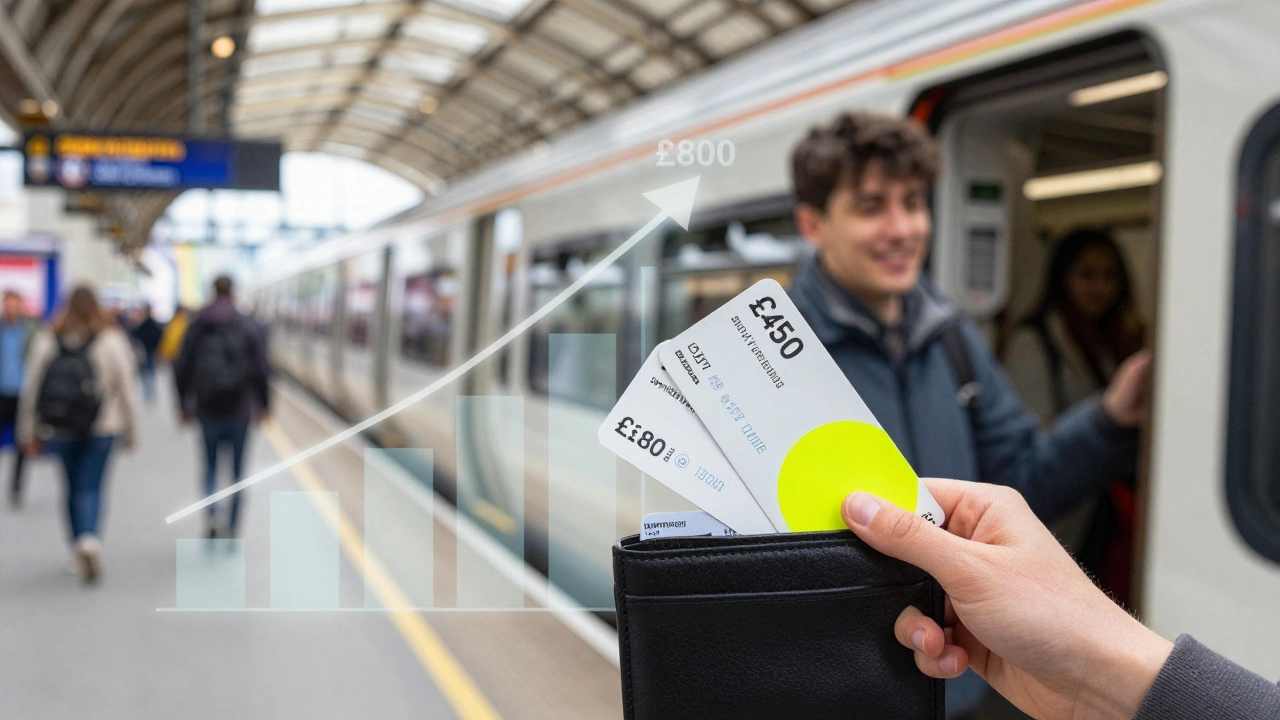
Students travel often, and they’re budget-conscious. A typical student commuting from Edinburgh to London every six weeks pays around £800 a year on direct tickets. With split ticketing, that drops to £450 - saving £350 annually. That’s enough to cover textbooks, a phone bill, or even a weekend trip.
Plus, students often travel off-peak - during term breaks, weekends, or early mornings - which makes split ticketing even more effective. Off-peak fares are already cheaper, and splitting them compounds the savings. Many students also use railcards. The 16-25 Railcard gives 1/3 off most fares, and when you combine it with split ticketing, you’re not just saving - you’re stacking discounts.
One student in Cardiff told me she saved £1,200 over two years by splitting her trips to Manchester for internships. She used a free app called Trainline to find the splits, booked each leg separately, and never missed a connection. She didn’t even have to explain anything to station staff. The system lets you do it.
How to Do It Without Getting Confused
You don’t need to be a rail expert. Here’s how to start:
- Use a split-ticketing tool like Trainline or SplitMyFare. These sites automatically scan all possible combinations and show you savings.
- Look for stations along your route that are major stops - like Birmingham New Street, Leicester, or Derby. These are common split points.
- Buy each ticket separately. Don’t try to buy the whole journey and then cancel part of it - that’s not allowed.
- Print or save digital tickets for each leg. Show them to conductors if asked. They’re valid.
- Make sure you have enough time to change trains. 15 minutes is usually safe. Avoid splits with less than 10 minutes unless you’re confident.
Some students worry they’ll get in trouble. You won’t. The UK’s rail system allows split ticketing. It’s written into the National Rail Conditions of Carriage. The only rule: you must travel the exact route your tickets cover. No skipping stations. No jumping on trains you didn’t pay for.
Where Split Ticketing Doesn’t Work
It’s not magic. There are limits.
- Peak-time tickets (usually weekday mornings and evenings) are often priced as a single unit and can’t be split.
- Some high-speed services, like Avanti West Coast on the West Coast Main Line, have fixed fares that don’t allow splits.
- Short journeys under 50 miles rarely have savings - the overhead of two tickets cancels out the discount.
- Trains with reserved seating (like Eurostar or some night services) may not allow split tickets at all.
If a tool says there’s no saving, trust it. Don’t waste time trying to force it. The best splits happen on regional and intercity routes with multiple operators - like journeys involving TransPennine Express, East Midlands Railway, or Great Western Railway.
Real Examples: What Students Are Actually Paying
Here’s what real students paid in late 2025:
| Route | Direct Ticket Price | Split Ticket Total | Savings |
|---|---|---|---|
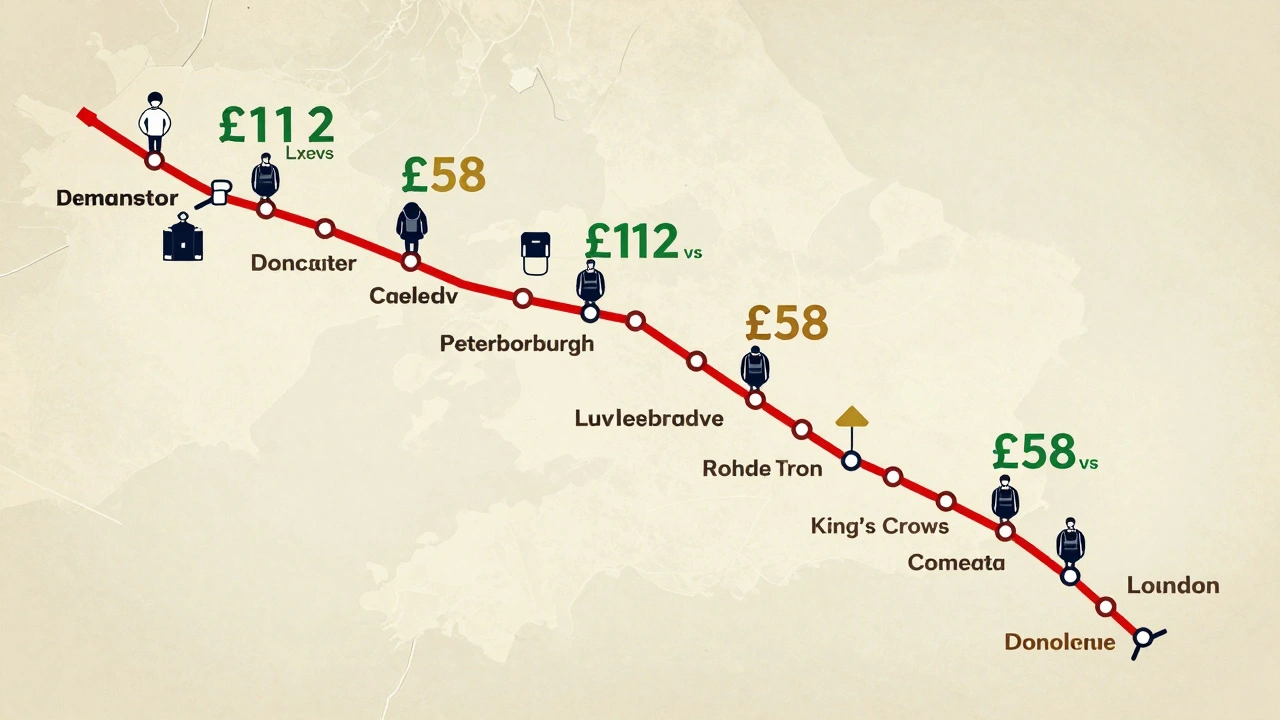
| Leeds to London King’s Cross | £112 | £58 | 48% |
| Bristol to Edinburgh | £145 | £83 | 43% |
| Cardiff to Birmingham | £65 | £37 | 43% |
| Sheffield to Manchester | £32 | £21 | 34% |
These aren’t outliers. They’re standard. Many students use these exact splits. One student in Glasgow told me she saves £400 a year just on her monthly trip to London for job interviews. She uses the same split every time: Glasgow to Carlisle, then Carlisle to London. It’s predictable, reliable, and legal.
What Happens If You Get Caught?
You won’t. Conductors check tickets for validity, not for how they were bought. As long as your tickets cover every leg of your journey, you’re fine. If you’re asked, you can show the two tickets. No one will question it.
There’s a myth that rail staff will fine you. That’s false. The Office of Rail and Road (ORR) confirms that split ticketing is a legal right. In 2024, only 12 cases nationwide involved disputed split tickets - and all were dismissed because the passenger had valid tickets for each segment.
Even if a conductor doesn’t understand it, they can’t charge you. You’re not breaking any rules. You’re using the system the way it was designed.
Tools That Make It Easy
You don’t need to do the math yourself. Here are the best free tools:
- Trainline - Type in your route, then click "Show Split Tickets" under the price. It shows you all options with savings highlighted.
- SplitMyFare - A dedicated site for this. Just enter your origin and destination. It lists every possible split with prices and timings.
- National Rail Enquiries - Use the journey planner and manually check prices for intermediate stations. It’s slower but reliable.
Most students use Trainline because it’s already in their phone. No extra downloads needed.
Pro Tips for Maximum Savings
- Always use a 16-25 Railcard. It’s £30 a year and gives you 1/3 off every ticket - even split ones.
- Book early. Split tickets are often cheaper the earlier you buy.
- Travel off-peak. Avoid 7-9 AM and 4-7 PM on weekdays.
- Use student discounts on apps like UNiDAYS or Student Beans for extra deals on travel insurance or airport transfers.
- Keep a folder of saved tickets. You’ll need them if you’re asked to prove your journey.
One student in Liverpool told me he now books his entire year’s travel in January. He splits every trip, uses his railcard, and pays under £600 for 12 round trips. He used to pay over £1,400.
What to Do If You’re Still Not Sure
Try it once. Book a single split ticket on a weekend trip - say, from Brighton to Newcastle. Compare the direct price to the split. You’ll see the difference immediately. If you save £20 on a £70 ticket, you’ve already made it worth your time.
There’s no risk. No penalty. No hidden catch. Just a smarter way to use the system.
Is split ticketing legal in the UK?
Yes, split ticketing is completely legal in the UK. The National Rail Conditions of Carriage allow passengers to buy multiple tickets for different segments of a journey. As long as each ticket covers the exact portion you travel, you’re within your rights. Rail operators and the Office of Rail and Road both confirm this.
Do I need to show both tickets to the conductor?
Yes. When asked, you must show all tickets covering your journey. You don’t need to explain why you bought them separately - just present them clearly. Most conductors are used to seeing split tickets, especially from students.
Can I use split ticketing with a railcard?
Absolutely. The 16-25 Railcard applies to each individual ticket you buy. So if you split a journey into two legs, you get 1/3 off each leg. That’s how students save so much - stacking discounts legally.
What if I miss my connection because of a split ticket?
If you miss a connection due to a delay on the first train, you’re still covered. Your second ticket remains valid, and you can board the next available train on that route. Delayed journey protections apply regardless of how you bought your tickets.
Are there apps that automatically find the best splits?
Yes. Trainline and SplitMyFare are the most popular. Trainline shows split options directly in its search results. SplitMyFare gives you detailed breakdowns, including exact stations and times. Both are free to use and work on mobile.
If you’re a student who travels by train even once a month, split ticketing isn’t just a trick - it’s a financial tool. It’s like finding cash in your pocket every time you book a ticket. And unlike student discounts that expire, this one works every time - as long as you know where to look.