
Imagine you’re in your first week at university in Manchester. You joined the Environmental Action Society because you care about climate change. You got the group chat invite, the newsletter signup link, and a flyer saying ‘First meeting Thursday at 7pm.’ By Friday, you’ve been tagged in 12 messages, asked to RSVP for three events, and told to ‘please read the pinned post’ - which is now buried under 87 new replies. Sound familiar? This isn’t chaos. It’s how student societies in the UK run their communications - and most of them are doing it wrong.
Newsletters: The Forgotten Lifeline
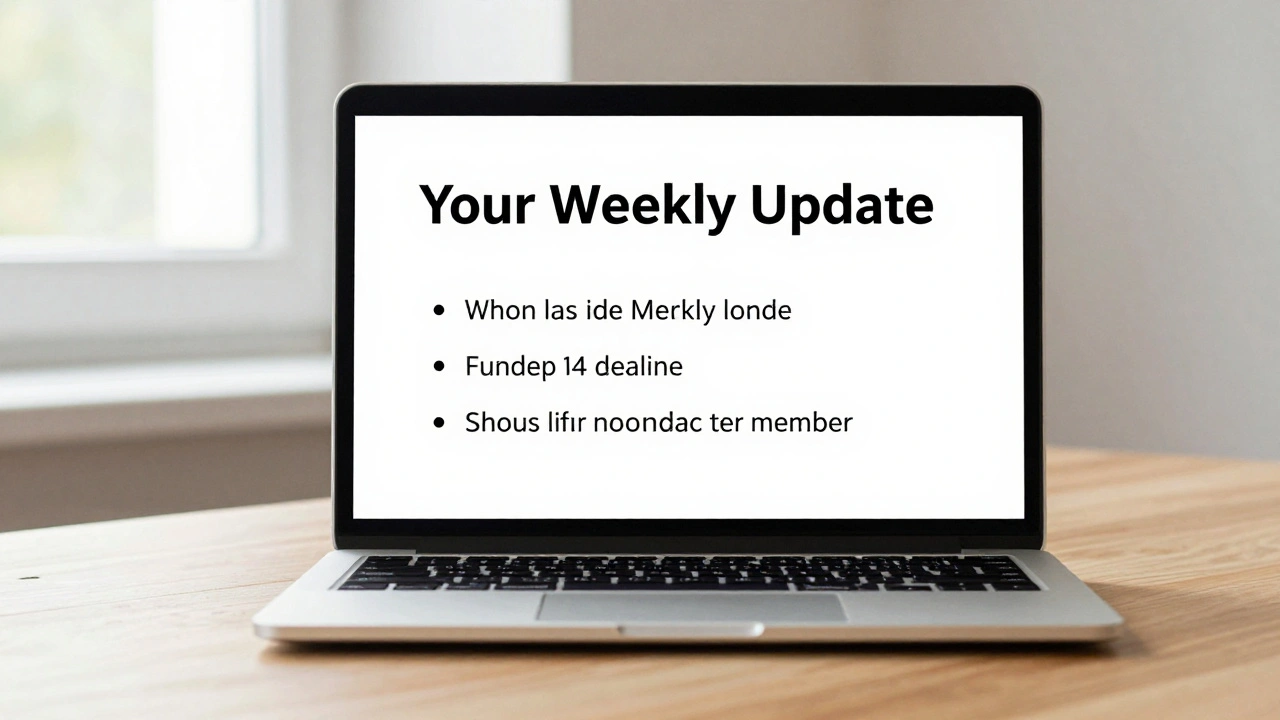
Newsletters used to be the main way student societies kept members informed. Now, they’re often an afterthought - sent once a month, if at all. But when done right, they’re the only thing that cuts through the noise. A good society newsletter isn’t a copy-paste of the group chat. It’s curated. It has a clear subject line, a short intro, and only three key items: an upcoming event with time and location, a deadline you can’t miss (like funding applications), and one human update - like ‘Shoutout to Sam for organizing the beach clean-up last weekend.’
At the University of Edinburgh, the Film Society sends out a newsletter every Monday morning. It’s always under 200 words. Their open rate? 72%. Why? Because members know they’ll get value without being overwhelmed. They don’t list every chat message. They don’t re-share every meme. They filter. And that’s the difference between a newsletter that gets read and one that gets deleted.
Group Chats: Where Boundaries Break Down
WhatsApp, Telegram, and Discord have replaced email for student societies. That’s not bad - until you realize no one set rules. In a typical UK student society group chat, you’ll see:
- Midnight rants about lecture cancellations
- Photos of last night’s party tagged with ‘#society’
- ‘Anyone want to grab coffee?’ messages that go unanswered for days
- Someone asking for help with an assignment - then getting 15 replies telling them to ‘Google it’
These chats become emotional landmines. People feel guilty for not replying. Others feel ignored. Some members leave because they can’t turn off notifications. And yet, most societies don’t have a chat policy. Not even a simple one.
The Psychology Society at Cardiff University fixed this by creating a three-rule system:
- No messages after 10 PM unless it’s an emergency event cancellation.
- Use threads for off-topic chats. Main chat is for events, deadlines, and urgent updates.
- If you post a question, you have to respond to the first reply within 48 hours - or the group will assume you’re not interested.
Within two months, their chat activity dropped by 40%, but member satisfaction went up. People felt respected. They weren’t being paged like on-call doctors.
Boundaries: The Unspoken Rule Everyone Ignores
Student societies are supposed to be fun. But when communication is endless, they become another obligation. Many students join societies to meet people - not to be on call 24/7. Yet, the culture often says: ‘If you’re in, you’re always in.’
That’s not sustainable. And it’s not fair.
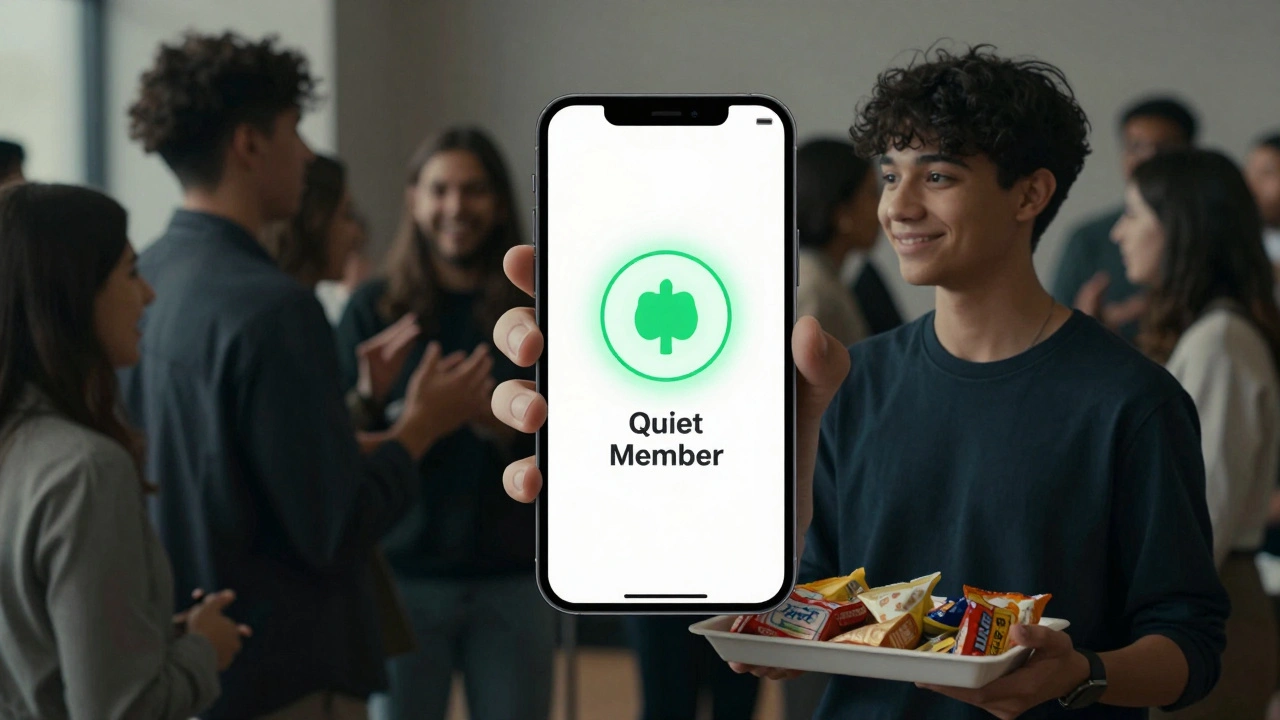
At the University of Bristol, the Debating Society noticed a pattern: members who attended meetings regularly but didn’t engage in chats were labeled ‘inactive.’ Some were even asked to leave. But those same members were the ones who showed up to every event, brought snacks, and helped set up rooms. They just didn’t want to argue about pizza toppings at 11 PM.
So they changed their definition of ‘active member.’ Now, participation is measured by attendance, not chat activity. They even created a ‘quiet member’ badge - a small digital sticker members can opt into. It says: ‘I’m here for the events, not the DMs.’
It sounds small. But it made a difference. Membership retention jumped 22% the next term.
What Works: Real Examples from UK Student Societies
Not every society is stuck in chaos. Some have cracked the code.
The Women in STEM Society at Imperial College London uses a simple tool: a shared Google Calendar with color-coded events. Red = mandatory meeting. Green = optional social. Blue = deadline. Everyone subscribes. No one gets flooded. They send a monthly digest: ‘This month, you have 1 mandatory, 3 optional, and 2 deadlines.’ That’s it.
The Student Theatre Company at the University of Leeds uses a Slack workspace with three channels: #announcements (moderated), #social (unmoderated), and #help (only execs respond). They also have a ‘Do Not Disturb’ hour every weekday from 7-8 PM. No messages allowed unless it’s a fire alarm.
And the Medical Students’ Society at King’s College London? They don’t use WhatsApp at all. They use a custom-built app called ‘SocLink’ - built by a student developer. It has push notifications for events, a simple RSVP system, and a ‘mute this group’ button that works for 24 hours, a week, or permanently. No one has to feel guilty for turning it off.
How to Fix Your Society’s Communication
If you’re part of a society struggling with communication, here’s how to start fixing it - without needing a tech team or a budget.
- Start with a 5-minute chat. Ask your members: ‘What’s one thing about our communication that stresses you out?’ Write down the answers. You’ll see patterns.
- Choose one channel as the official one. Is it email? A newsletter? A Slack channel? Stick to it. Stop posting the same thing everywhere.
- Set communication hours. No messages after 9 PM. No weekend messages unless it’s an event happening that day.
- Create a ‘quiet mode’ option. Let people opt out of non-urgent messages. They’ll still show up to events.
- Assign a communication lead. Not the president. Not the treasurer. Someone who’s good at filtering, not posting. Their job? Keep the noise down.
You don’t need fancy tools. You just need clarity.
Why This Matters Beyond the Society
Student societies are training grounds for real life. In a few years, you’ll be in a job where you’re expected to respond to Slack messages at midnight. Or you’ll be managing a team that expects you to be ‘always on.’
Right now, you have a chance to build better habits - for yourself and for others. A society that respects boundaries doesn’t just run smoother. It becomes a place people actually want to be part of.
Communication isn’t about sending more. It’s about sending less - but better.
Do student societies in the UK have to use WhatsApp for communication?
No. WhatsApp is popular because it’s easy, but it’s not required. Many societies use email newsletters, Slack, Discord, or even custom apps. The key is consistency - pick one main channel and stick to it. Avoid spreading messages across five apps. That’s how people get overwhelmed.
How often should a student society send a newsletter?
Once a week is ideal for active societies. If events are less frequent, once every two weeks works. The goal isn’t to fill space - it’s to give members one clear update they can trust. A weekly newsletter with three key points beats a monthly 10-page document no one reads.
What should I do if I’m overwhelmed by group chat messages?
Turn off notifications for non-urgent messages. Most apps let you mute a group for a day, a week, or permanently. You can still check the chat manually when you want to. You’re not being rude - you’re protecting your mental space. If others pressure you, point them to your society’s communication guidelines. If there aren’t any, suggest making them.
Can a society have too many communication channels?
Yes. Having a WhatsApp group, a Facebook page, an email list, a Discord server, and a newsletter means people don’t know where to look. Stick to one primary channel for announcements (like a newsletter or Slack), one for casual chat (like WhatsApp), and maybe one for events (like a shared calendar). Anything more becomes noise.
Why do some students feel guilty for not replying in group chats?
Society culture often equates participation with visibility. If you don’t react to every message, you’re seen as disengaged - even if you show up to every event. This is a toxic myth. Real engagement is about action, not reaction. A student who brings snacks to every meeting and helps set up chairs is more valuable than someone who replies to every meme.
Is it okay to leave a student society if the communication is too much?
Yes. Your mental health comes first. If a society’s communication style drains you, it’s okay to step back - even if you still care about the cause. You can stay involved in a quieter way, like attending events without being in the chat. Or you can leave entirely and find another group that matches your energy. There’s no shame in choosing peace over pressure.