
If you're a UK student running a blog, you're not just writing for fun-you're building something real. But if no one sees it, does it even exist? Posting on your blog every week means nothing if your audience isn’t there. The truth? Instagram and TikTok aren’t just for dance challenges and food hauls. They’re powerful tools for student bloggers who know how to use them right.
Start with who you’re talking to
You’re not trying to reach everyone. You’re trying to reach other students in the UK who care about what you care about. Are you writing about budget meals on a student loan? Study tips for nursing students in Manchester? Hacks for surviving winter in student housing in Leeds? That’s your niche. Don’t try to be everything to everyone. Be the go-to person for one specific thing.Look at your most popular blog posts. What do they have in common? Maybe they’re all about saving money, or maybe they’re all about campus life. That’s your content theme. Now, build your Instagram and TikTok posts around that same theme. If your blog is about affordable student travel, your TikTok videos should show £10 weekend trips from Birmingham to Liverpool. Your Instagram carousels can list the cheapest hostels near universities.
Instagram: Think carousels, not just photos
Instagram isn’t just about pretty pictures. It’s about value you can swipe through. A single post with a caption saying “Here’s my study routine” won’t get you far. But a 5-slide carousel titled “How I Got an A in Organic Chemistry Without Caffeine”? That gets saved, shared, and tagged by three friends.Each slide should answer one question:
- Slide 1: What was the problem? (I failed my first midterm)
- Slide 2: What did I change? (Switched from highlighting to flashcards)
- Slide 3: What tools did I use? (Anki app, free PDFs from uni library)
- Slide 4: What was the result? (Scored 87% on the final)
- Slide 5: Where to read the full guide? (Link in bio)
Use Canva to design these. It’s free. Use your blog’s actual screenshots or photos of your notes. Real is better than polished. Students trust people who look like them-not influencers with studio lighting.
Post these carousels every Tuesday and Thursday. That’s when students are scrolling between lectures and before they head to the library. Use hashtags like #StudentLifeUK, #UniHacks, #StudentBudget, and #StudyWithMe. Don’t use more than 8. Too many look spammy.
TikTok: Be quick, be real, be repetitive
TikTok doesn’t care about your blog’s design. It cares about whether you made someone stop scrolling. The best student blogs on TikTok don’t talk about their blog-they talk about the problem their blog solves.Try this format:
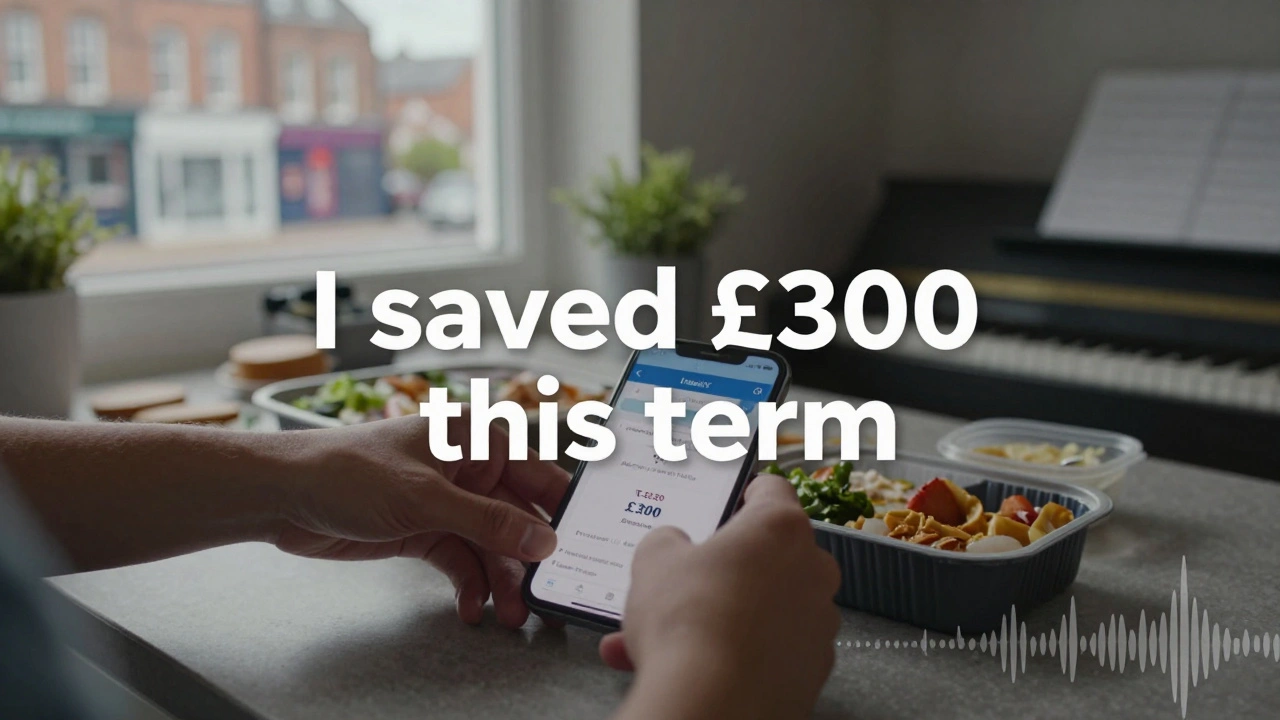
- Start with a hook: “I saved £300 this term just by doing this one thing.”
- Show the action: Film yourself opening your bank app, showing your balance, then pulling out a receipt for a £2.50 meal deal.
- Explain the trick: “I use the Tesco app to track my weekly spend. Every Sunday I plan meals around what’s 50% off.”
- End with a call: “Full list of 10 cheap meals? Link in bio.”
Keep videos under 18 seconds. Use trending sounds-but only if they fit. If you’re talking about exam stress, don’t use a party beat. Use the quiet piano sound that’s popular for mental health clips. TikTok’s algorithm rewards relevance, not just virality.
Post 3 times a week. Monday, Wednesday, Friday. That’s when students are stressed about deadlines and looking for quick wins. Reply to every comment in the first hour. If someone says “Where’s the link?”, reply with “Bio! First thing.” Don’t overthink it.
Link in bio isn’t just a link-it’s a landing page
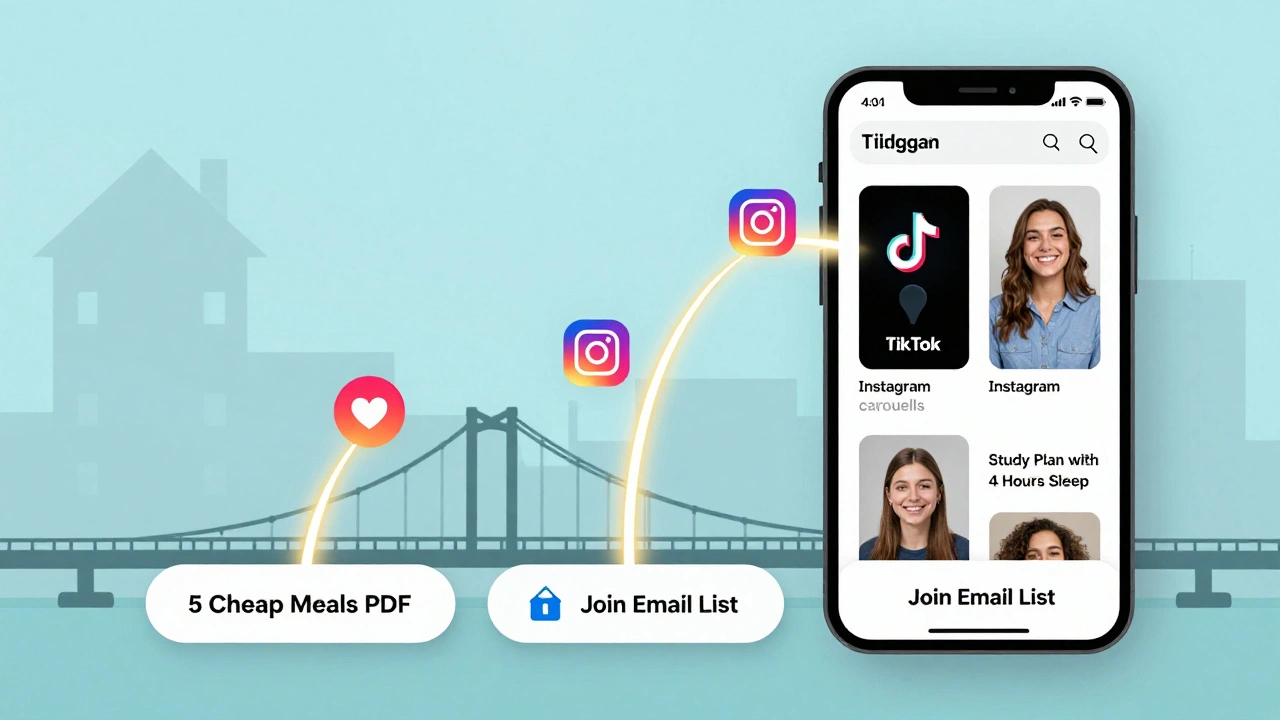
Your Instagram and TikTok bio link goes to your blog. But if it just says “blog,” you’re losing traffic. Use Linktree or Carrd to build a simple landing page with three clear buttons:- “5 Cheap Meal Ideas (Free PDF)”
- “How I Passed My Finals With 4 Hours Sleep”
- “Join My Weekly Study Plan (Email List)”
Offer something free. A PDF, a checklist, a printable timetable. People will give you their email for that. And once they’re on your email list, you can send them your new blog posts without depending on algorithms.
Don’t make your landing page fancy. Just make it useful. Students don’t want design. They want results.
Track what works-then do more of it
You don’t need fancy tools. Use what’s free:- On Instagram: Check which carousel got the most saves. That’s your best topic. Write a blog post on it.
- On TikTok: See which video got the most shares. Repost it with a new caption: “This got 12K shares-here’s why.”
- Check your blog analytics: Which traffic source is growing? Instagram? TikTok? Double down on that.
One student blogger in Sheffield posted a TikTok about “How I paid for my rent with a side hustle.” It got 89K views. She wrote a blog post on the same topic. That post brought in 2,300 visitors in one week. She didn’t run ads. She didn’t pay influencers. She just used the same idea in two places.
Don’t burn out
You’re a student first. Your blog is a side project. Don’t post every day. Don’t try to go viral. Just post consistently. One good Instagram carousel a week. Three TikTok videos a week. That’s it.Batch your content. Every Sunday, film three TikToks. Write two carousels. Schedule them. Use free tools like CapCut to edit on your phone. Keep a notes app with 10 blog ideas. When you’re stuck, pick one and turn it into a post.
Progress isn’t about numbers. It’s about this: Did someone message you saying “I tried your tip and it worked”? That’s your win.
What to avoid
- Don’t copy influencers. Students can tell when you’re faking it.
- Don’t post the same thing on Instagram and TikTok without adapting it. TikTok needs faster cuts. Instagram needs clean visuals.
- Don’t ignore comments. Engagement beats follower count.
- Don’t wait for “perfect” content. Your first post won’t be great. Your tenth will be.
How often should I post on Instagram and TikTok as a student blogger?
Post one high-quality Instagram carousel twice a week (Tuesday and Thursday) and three short TikTok videos a week (Monday, Wednesday, Friday). Consistency matters more than frequency. It’s better to post two strong posts a week than five rushed ones.
What’s the best way to get my blog traffic from TikTok?
Use a clear call-to-action in every video: “Full guide in my bio.” Make sure your bio link leads to a simple landing page with one free offer-like a PDF checklist or study template. Students are more likely to click if they get something useful right away.
Should I use hashtags on Instagram for my student blog?
Yes, but use only 5-8 relevant ones. Stick to niche tags like #StudentBudgetUK, #UniLifeScotland, or #StudyWithMeManchester. Avoid generic tags like #love or #fyp-they drown your post in noise. Focus on tags your target audience actually searches for.
Can I promote my blog without showing my face on TikTok?
Absolutely. Use screen recordings of your blog, text overlays, voiceovers, or even just hands showing your notes or meal prep. Many successful student bloggers never show their face. What matters is the value you’re giving-not your appearance.
How do I know if my social media strategy is working?
Check your blog’s traffic sources in Google Analytics. If Instagram or TikTok referrals are growing month over month, you’re on the right track. Also, look at engagement: Are people saving your posts or sharing your videos? That’s a stronger signal than likes. Real engagement leads to real readers.