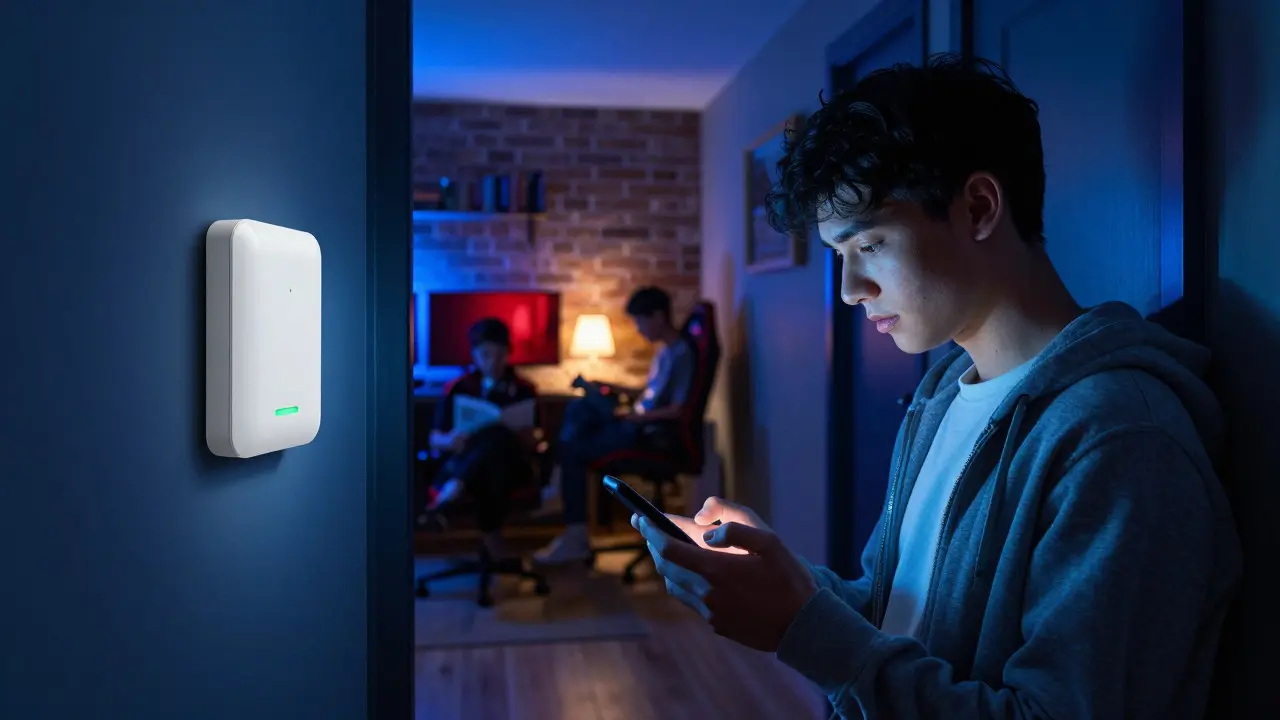
Walking into a new flat with five other students, the last thing you want is a surprise energy bill that wipes out your monthly grocery budget. Yet, this is a common reality for many UK university households. The question isn't just about saving a few pounds; it's about transparency. Do you know exactly how much electricity the kettle uses versus the gaming PC? If not, you're flying blind.
Smart Meters are digital devices that replace traditional dials to provide real-time data on energy consumption directly to your smartphone or in-home display. Unlike old analog meters, they communicate automatically with your supplier, eliminating the need for manual readings and reducing estimation errors. For a student house, this shift from estimated billing to actual usage can be the difference between a manageable expense and a financial shock at the end of the semester.
The Real Cost of Not Knowing Your Usage
Traditional meters rely on estimates if no one reads them regularly. In a busy student house, who has time to walk around checking numbers every month? When suppliers estimate your usage, they often guess high to protect their margins. This means you might pay for electricity you didn't even use. Smart meters remove this guesswork by sending daily data directly to your provider. According to Ofgem, the UK's energy regulator, smart meters help consumers manage costs better by providing accurate, up-to-date information. For students living on tight budgets, accuracy is everything.
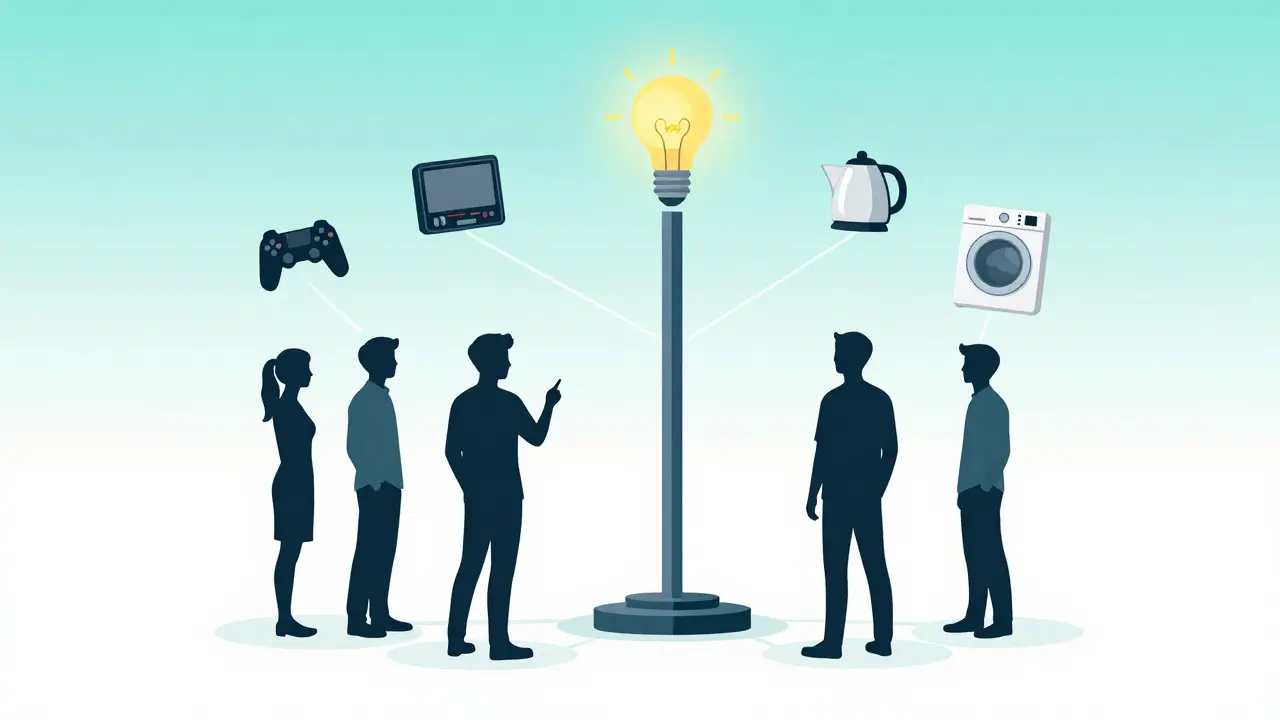
Consider a typical scenario: four friends share a flat. One person works night shifts and leaves the lights on all day. Another is a gamer who runs a high-power PC for ten hours a night. With a standard meter, the total bill arrives as one lump sum. Who pays what? It becomes an argument. With a smart meter, you can see spikes in usage. You can prove that the late-night gaming session cost £4.50, while the daytime lighting cost £1.20. This data turns vague arguments into factual discussions, making it easier to split bills fairly.
How Smart Meters Work in Shared Housing
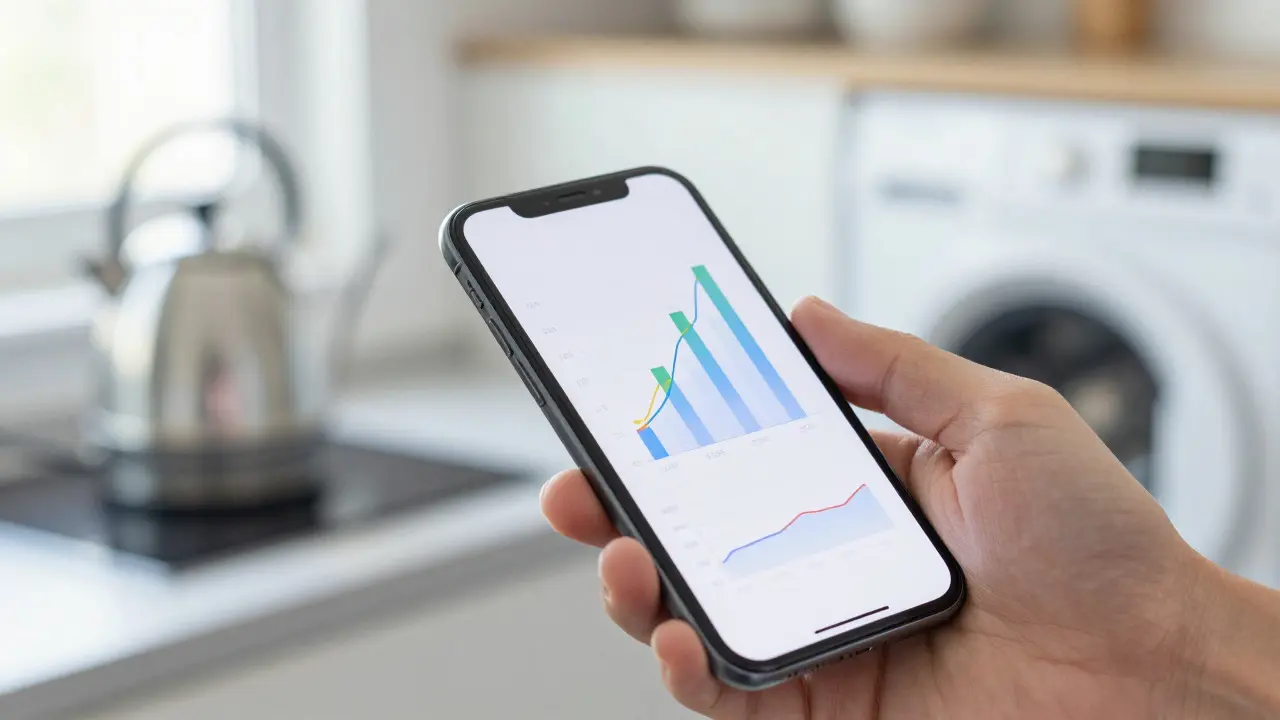
You might wonder if smart meters work well when multiple people live under one roof. The short answer is yes, but with caveats. A single smart meter tracks the total consumption of the property. It doesn't automatically split the bill between individuals unless you use third-party apps or manual tracking. However, the in-home display (IHD) or the supplier’s app allows anyone in the house to check current usage in pence per hour. This visibility encourages responsible behavior. If the price per unit rises during peak hours, everyone sees it instantly.
Prepayment Meters are a specific type of smart meter that requires you to top up credit before using energy. While these are increasingly rare due to consumer backlash over debt spirals, some older properties still have them. If your house has a prepayment meter, switching to a standard smart meter (postpaid) is usually free and highly recommended for students. Postpaid smart meters give you flexibility and avoid the risk of running out of power mid-exam week. Always check with your landlord or letting agency to confirm the meter type before signing a lease.
Financial Impact on Student Budgets
Let’s look at the numbers. The average UK household spends around £1,600 annually on energy, according to recent Ofgem cap figures. A student house might consume more due to longer occupancy hours and higher appliance usage. Without a smart meter, you could be paying 10-15% more due to estimation buffers. Over a year, that’s £160 to £240 wasted. Split among five students, that’s roughly £30 to £50 each. That’s enough for two months of gym memberships or several weeks of takeout meals.
Moreover, smart meters enable access to dynamic tariffs. Some suppliers offer cheaper rates during off-peak hours (e.g., 11 PM to 7 AM). If you run your washing machine or dishwasher overnight, a smart meter ensures you get credited for that lower rate. On a standard meter, you’d pay the same flat rate regardless of when you used the electricity. For students who do laundry in bulk to save water, timing matters. A smart meter makes that timing financially rewarding.
| Feature | Standard Meter | Smart Meter |
|---|---|---|
| Reading Method | Manual or Estimated | Automatic Daily Upload |
| Bill Accuracy | Low (Estimates possible) | High (Actual Usage) |
| Real-Time Visibility | No | Yes (App/IHD) |
| Tariff Flexibility | Fixed Rates Only | Access to Dynamic/Off-Peak Rates |
| Installation Cost | N/A | Free via Supplier |
Practical Steps to Request a Smart Meter
If you’re moving into a student house, don’t assume the meter is already smart. Many older buildings still have analog dials. Here’s how to handle it:
- Check Before Signing: Ask the landlord or letting agent if the property has a smart meter. If not, ask if they plan to install one. Most suppliers will fit a smart meter for free if you request it after moving in.
- Contact Your Supplier: Once you’re in the house, log in to your energy provider’s website or call customer service. Request a smart meter upgrade. Installation usually takes less than an hour.
- Set Up the App: Download your supplier’s app immediately after installation. Pair the in-home display if provided. This gives you instant access to usage data.
- Establish House Rules: Agree with your housemates on how to track individual usage. Some groups use shared spreadsheets where everyone logs major appliance use. Others simply split the bill equally but monitor collective waste.
A common pitfall is assuming the landlord must pay for the meter. In most cases, the energy supplier covers the cost because they benefit from reduced admin and fewer disputes. However, if the meter is broken or missing, the landlord may be liable. Clarify this responsibility early to avoid friction later.
Common Myths About Smart Meters
Some students hesitate to switch because of rumors. Let’s clear them up. First, smart meters don’t increase your bill. They only make your bill more accurate. If you were previously being overcharged due to estimates, your bill might actually drop. Second, smart meters don’t require constant Wi-Fi. They use a dedicated radio network (SMETS) to communicate with suppliers, so they work even if your internet goes down. Third, they aren’t mandatory yet, but they are becoming the default. As of 2026, over 90% of new connections in the UK come with smart meters. Waiting until the next renewal cycle means missing out on savings for another year.
Another concern is privacy. Do suppliers track your habits? Technically, they see your total usage, not who is home or what device is running. Unless you use advanced third-party apps, your data stays aggregated. For most students, the benefit of fair billing outweighs minor privacy concerns. Plus, you control the data-you can opt out of sharing detailed insights with marketers if your supplier offers that option.
When a Smart Meter Might Not Be Worth It
Is there ever a reason to skip the smart meter? Yes, in niche cases. If you’re staying for only three months and plan to move frequently, the setup effort might not justify the savings. However, since installation is free and quick, even short-term tenants benefit from avoiding estimated bills. The bigger issue arises if your house has a faulty wiring system. Rarely, old electrical installations can interfere with smart meter signals. If you experience frequent disconnections or inaccurate readings, contact your supplier for a technician visit. But this is uncommon in modern student accommodations built or renovated in the last decade.
Also, consider your group dynamics. If your housemates are indifferent to energy costs and refuse to engage with the data, a smart meter won’t solve behavioral issues. It provides information, not enforcement. If you’re the only one caring about the bill, you might feel frustrated. In such cases, focus on individual sub-metering (if available) or simply negotiate a fixed contribution based on historical averages rather than real-time data.
FAQ
Does a smart meter cost extra for students?
No. Major UK energy suppliers like British Gas, EDF, and SSE install smart meters for free. There are no hidden fees for the device or the installation process. You only pay for the energy you use, just like with any other meter.
Can I split my bill accurately with a smart meter?
Not automatically. A single smart meter tracks the whole house. To split bills, you’ll need to use the real-time data to estimate individual contributions or agree on a fair division method. Apps like Splitwise can help track shared expenses based on the total bill amount.
What happens if my smart meter loses signal?
If the signal drops, the meter switches to fallback mode. You may need to enter manual readings occasionally, but this is rare. Most issues resolve themselves within 24 hours. If it persists, contact your supplier to reset the connection.
Are smart meters better for eco-friendly living?
Yes. By seeing exactly how much energy you use, you can identify wasteful habits. Reducing consumption lowers your carbon footprint and saves money. Students who shift heavy loads to off-peak hours also reduce strain on the grid during high-demand periods.
Do I need permission from my landlord to install one?
Usually, no. Since the energy supplier owns the meter, they can replace it without landlord approval. However, it’s polite to inform your landlord, especially if the installation involves drilling small holes in the wall. Most landlords welcome the upgrade because it reduces administrative hassle for them too.