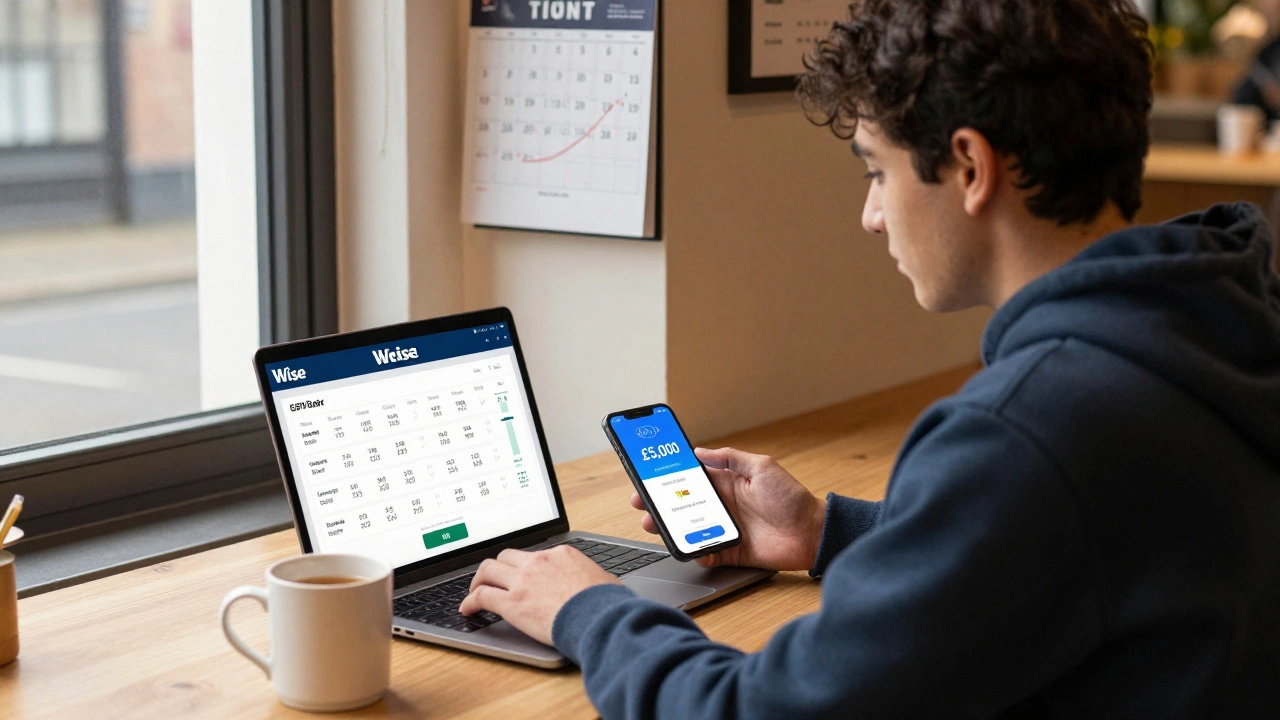
If you're an international student in the UK, sending money home isn't just a chore-it’s a regular part of life. Rent, food, books, and emergencies all add up, and when your family back home needs support, you need a way to get cash to them fast, cheap, and reliably. But with so many options-banks, apps, wire services, and currency brokers-it’s easy to overpay without even realizing it.
Why Exchange Rates Matter More Than Fees
Most people focus on transfer fees. That’s a mistake. The real cost of sending money isn’t the £2 or £5 charge-it’s the hidden markup on the exchange rate. A service might say "zero fees," but if they give you £1 = $1.18 instead of the real market rate of £1 = $1.25, you’re losing 5.6% on every pound. That’s £56 lost on every £1,000 you send.For example, in early March 2026, the real mid-market rate for GBP to INR was 104.30. One popular bank offered 98.50. Another app offered 102.80. The difference? On a £500 transfer, you’d lose £29 with the bank. With the app, you’d lose just £7. That’s not a fee-it’s a tax on your family’s budget.
Top 5 Services for Sending Money from the UK
Here are the services students actually use, tested across real transfers in 2026. All options support transfers to major countries like India, Nigeria, Pakistan, Bangladesh, and the Philippines.
- Wise - Uses the real exchange rate with transparent fees. Transfers to India take 1-2 days. Fees start at £1.50. No hidden markups. Most students stick with Wise because it’s the closest to the real rate you’ll get.
- Remitly - Great for urgent transfers. Sends money to Nigeria in under 10 minutes. Fees are a bit higher (£3-£7), but they offer a fixed rate so you know exactly what your recipient gets. Good if you need speed over savings.
- Revolut - If you already use Revolut for spending in the UK, it’s easy to send money. Exchange rates are competitive (within 0.3% of mid-market). You can send up to £5,000/month for free. Ideal if you’re already in the app.
- WorldRemit - Works well for cash pickup in rural areas. If your family doesn’t have a bank account, they can collect cash at a local agent. Rates are average, but the accessibility makes it worth it for some.
- Bank Transfer (SWIFT) - Avoid if you can. HSBC, Barclays, and Lloyds charge £20-£35 per transfer and apply a 3-5% exchange rate markup. Takes 3-5 days. Only use this if you’re sending large amounts and need a paper trail for tax reasons.
How to Get the Best Rate Every Time
Exchange rates change by the minute. Waiting until the last minute to send money can cost you hundreds over a year. Here’s how to beat the system:
- Track the rate - Use apps like XE or OANDA. Set alerts when GBP to your home currency hits your target. For example, if you want £1 = 102 INR and it hits 103.5, send it immediately.
- Send in bulk - Instead of sending £100 every week, send £400 every month. Fewer transfers = fewer fees and better rates.
- Use a multi-currency account - If you’re paid in pounds but your family needs rupees, pesos, or naira, hold money in GBP until the rate is right. Then convert and send. Wise and Revolut let you do this.
- Avoid weekends - Rates are less liquid on weekends. If you send Friday night, you might get a worse rate than if you send Monday morning.
What You Should Never Do
These mistakes cost students thousands every year:
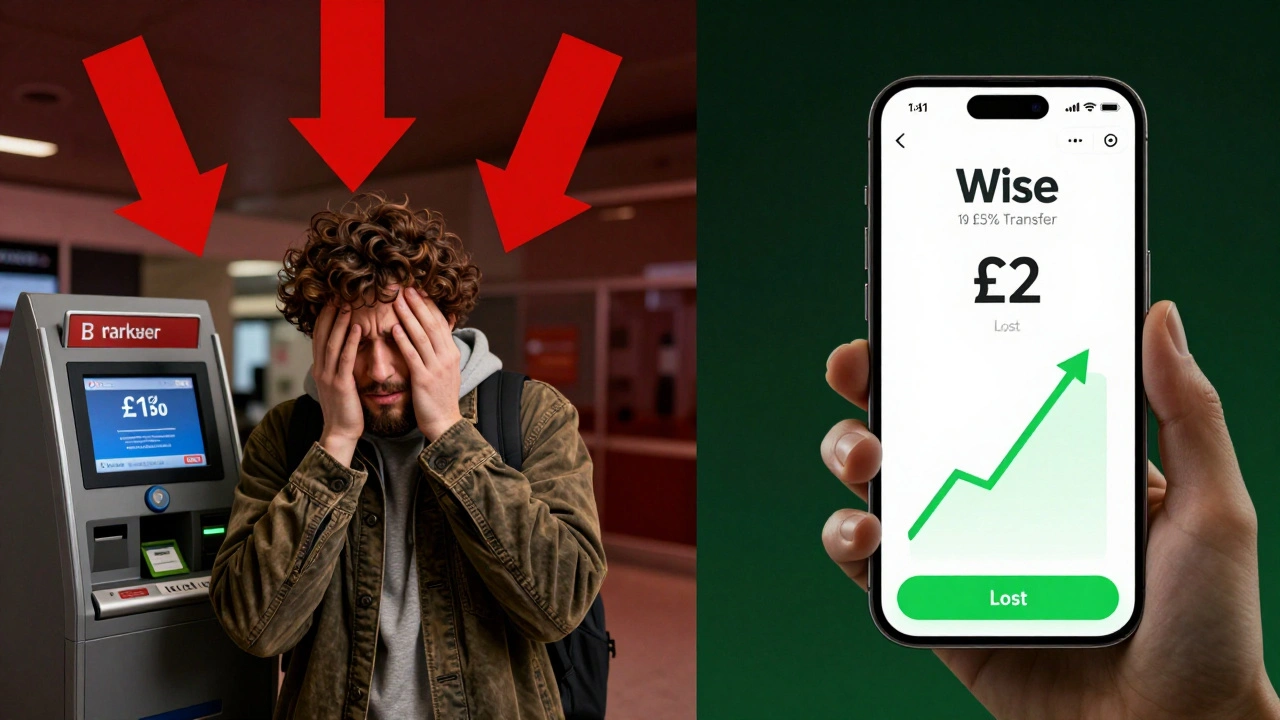
- Don’t use airport kiosks - They charge 10-15% over the real rate. Even if you’re in a hurry, walk away.
- Don’t trust "no fee" ads - If they say "no fees," they’re making it up on the exchange rate. Always check the rate they’re offering against XE.com.
- Don’t send via PayPal - PayPal’s rate is typically 4% worse than market rate. Plus, they freeze funds if they suspect "irregular activity." That’s common for student transfers.
- Don’t use cash agents in your home country - Unless you’re sending to a remote area, bank transfers are safer and cheaper. Cash pickups often have hidden fees and poor security.
Real Example: A Student’s Year in Numbers
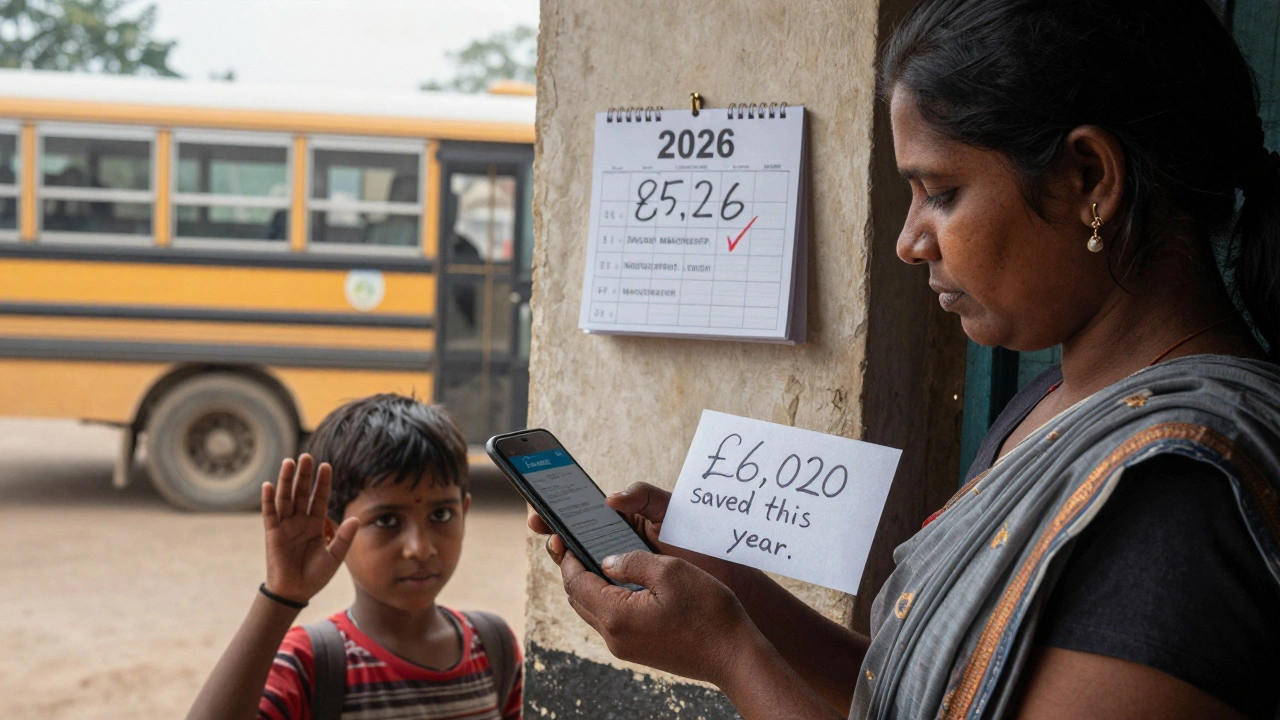
Sarah, a 21-year-old from Delhi studying in Manchester, sent £1,200 a month to her parents. In 2025, she used her university bank (Lloyds). She paid £35 per transfer, plus a 4% exchange rate markup. Total cost: £6,200 over the year.
In January 2026, she switched to Wise. She started sending £5,000 monthly in one transfer. Her fee: £1.80. Exchange rate: 0.2% over mid-market. Total cost: £180 over the year.
She saved £6,020. That’s a full semester’s tuition.
What About Taxes and Regulations?
As a student in the UK, you don’t pay tax on money you send home. The UK doesn’t tax personal remittances. But your family might have reporting rules at home. In India, for example, receiving over ₹10 lakh (about £9,500) in a year from abroad requires declaring it as foreign income. In Nigeria, transfers over ₦5 million (~£2,500) may trigger a bank review.
Always check your home country’s rules. Most governments have clear guidelines online. If you’re unsure, ask your university’s international student office-they usually have a list of country-specific rules.
What’s Next After Graduation?
If you plan to stay in the UK after graduation, your options expand. You can open a UK business account, use a fintech like Tide or Starling for business transfers, or even set up a direct salary transfer if you get a job. But until then, stick with the student-friendly tools: Wise, Revolut, Remitly.
The key is consistency. Don’t chase the perfect rate every time. Pick one service, lock in your routine, and automate it. Set up a monthly transfer on the 5th. Track the rate. Save the difference. It adds up faster than you think.
Can I send money from the UK without a bank account?
Yes. Services like WorldRemit and Remitly let you send money using a debit card or PayPal, even if you don’t have a UK bank account. You’ll need to verify your identity with a student visa or passport, but you don’t need to be a UK resident with a long credit history. Just make sure the recipient has a phone number or bank account to receive it.
How long does it take to send money from the UK?
It varies. Wise and Revolut usually take 1-2 business days. Remitly and WorldRemit can deliver in minutes for cash pickup or bank deposits in some countries. SWIFT bank transfers take 3-5 days. If you need it same-day, choose a service with a local partner in your home country-like MTN Mobile Money in Ghana or PayMaya in the Philippines.
Is it cheaper to send pounds or convert to my home currency first?
Always send in pounds. Converting to your home currency in the UK first means you’re locked into one exchange rate, and you’ll likely get a bad one. Let the transfer service convert it for you at the time of transfer. Services like Wise use the real-time rate, so you get the best deal possible.
Can I use my student loan to send money home?
Technically, yes-if your loan is paid into a UK bank account, you can transfer any amount out. But your visa conditions may restrict how you use your funds. Most student visas require you to show you’re using funds for living costs in the UK. Sending large amounts home could raise questions during visa renewals. Keep records of your expenses and only send what you can prove is surplus.
What’s the safest way to send money?
The safest way is through regulated providers like Wise, Revolut, or Remitly. They’re licensed by the UK’s Financial Conduct Authority (FCA). Avoid unlicensed money changers, WhatsApp brokers, or friends offering "better rates." Those aren’t protected. If something goes wrong, you won’t get your money back.
If you’re sending money home regularly, treat it like a budget line item-not an afterthought. The right service can save you thousands. The wrong one? It’ll quietly drain your finances without you even noticing.