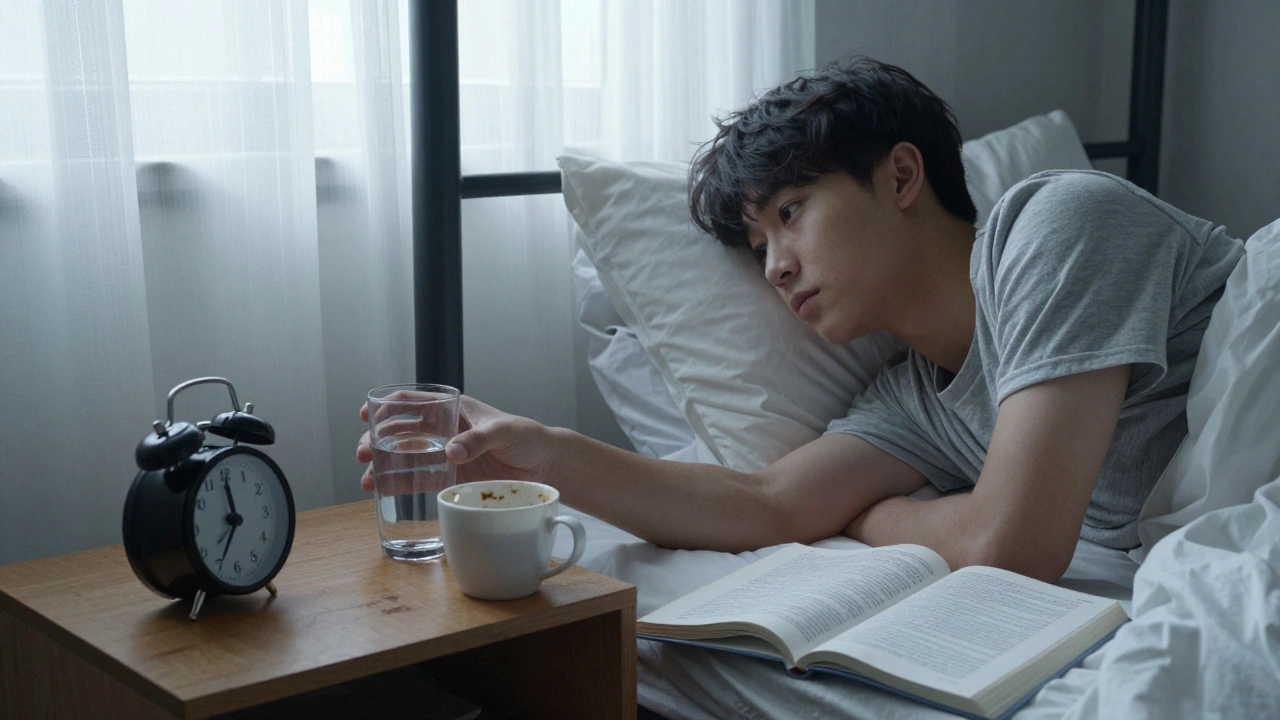
It’s week five of term. Your lecture schedule is packed, three essays are due, your flatmates are arguing over the thermostat, and you haven’t slept more than five hours in four days. You’re not lazy. You’re not failing. You’re just running on fumes. And that’s exactly when self-care stops being a luxury - it becomes survival.
Why Self-Care Isn’t Just Bubble Baths
Most students think self-care means buying a fancy candle or scrolling through TikTok for an hour. But real self-care for UK students during exam season or deadline week is about consistent, small actions that keep your body and mind from crashing. It’s not about perfection. It’s about preventing burnout before it hits.A 2024 study from the University of Manchester tracked 1,200 undergraduates during peak exam weeks. Those who followed a basic daily self-care routine - even just 15 minutes of movement and one proper meal - were 47% less likely to report severe anxiety or panic attacks. It wasn’t about doing more. It was about doing the right things, regularly.
Basic Daily Self-Care Checklist (5-15 Minutes)
You don’t need hours. You need habits that stick. Here’s what works for students who actually get through busy weeks without breaking:- Drink water before coffee. Dehydration makes anxiety worse. Keep a bottle by your bed. Drink one full glass as soon as you wake up - even if you’re tired.
- Move for 10 minutes. Walk around campus. Do squats while brushing your teeth. Stretch in bed. Movement resets your nervous system. You don’t need a gym.
- Eat one real meal. No more granola bars at 3 p.m. Eat something with protein and veg. Even if it’s a boiled egg and toast. Your brain needs fuel, not sugar spikes.
- Write down one thing you’re proud of. Not your grade. Not your to-do list. Something small: "I called my mum," "I didn’t skip class," "I drank water." This rewires your brain to notice progress, not failure.
- Turn off screens 30 minutes before bed. Blue light kills melatonin. Read a physical book. Listen to a podcast. Just don’t scroll.
That’s it. Five things. Five to fifteen minutes total. Do them every day, even if you’re exhausted. They’re not optional. They’re your mental safety net.
Weekly Self-Care Checklist (30 Minutes Total)
Daily habits keep you afloat. Weekly habits keep you from drowning.- Plan your meals for the week. Cook a batch of rice, beans, or pasta on Sunday. Freeze portions. You’ll thank yourself when you’re too tired to cook on Tuesday night.
- Call or video chat with someone who gets it. Not a group chat. One person. A parent. A friend from home. Someone who doesn’t care about your grade - they care about you. Even 10 minutes helps.
- Take one full break. No studying. No emails. No Instagram. Go for a walk in a park. Sit in a quiet library corner. Watch a funny video. Just breathe. Your brain needs downtime to process everything.
- Check your sleep schedule. Are you going to bed at 2 a.m. and waking up at 8? That’s not a schedule. That’s a survival mode. Try shifting bedtime by 15 minutes earlier each night until you hit 11 p.m. or earlier.
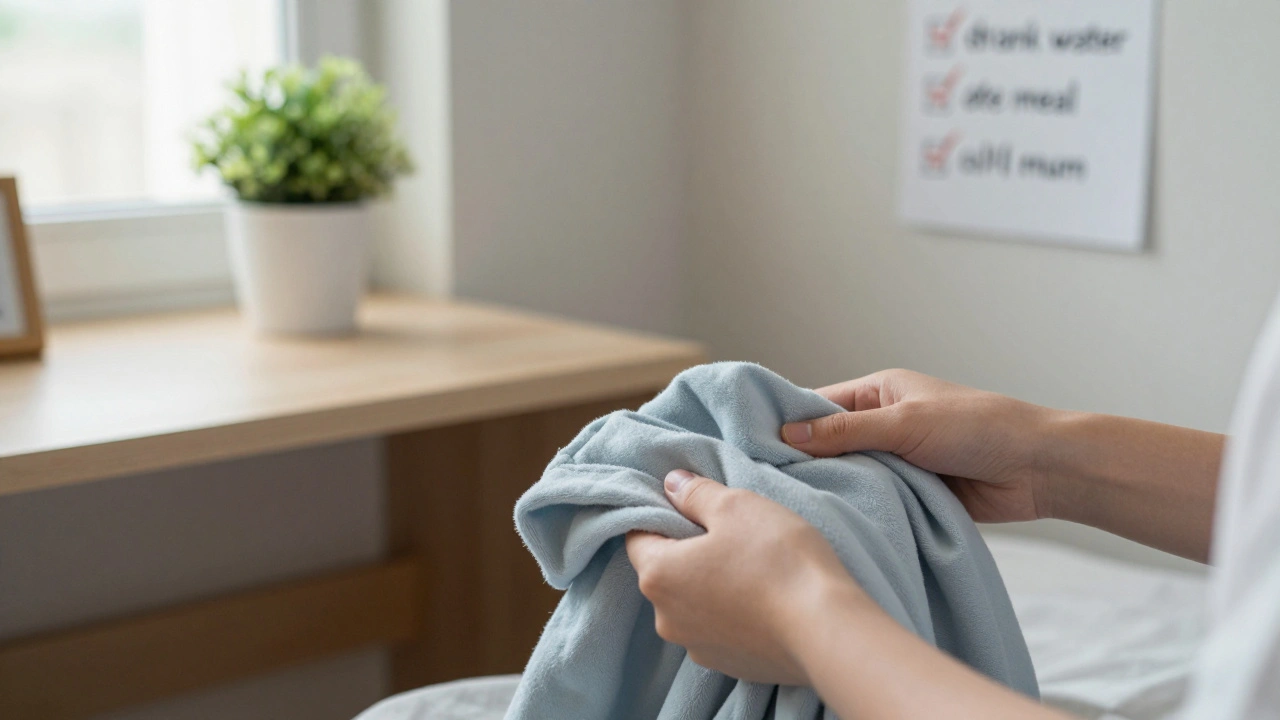
- Clear one physical space. Tidy your desk. Fold your clothes. Wash your dishes. A clean space = a clearer mind. You don’t need to deep clean. Just make one corner feel calm.

What Not to Do During Busy Weeks
There are traps every UK student falls into. Avoid these like they’re last-minute essay deadlines:- Don’t skip meals to "save time." You’ll crash harder. Your concentration drops 30% after four hours without food.
- Don’t use caffeine as a lifeline. More than two cups of coffee a day? You’re just jittery, not productive.
- Don’t isolate yourself. Saying "I’m fine" when you’re not doesn’t make you strong. It makes you vulnerable.
- Don’t compare your behind-the-scenes to someone else’s highlight reel. That person who posted "I studied 14 hours today"? They probably slept for two.
- Don’t wait until you’re overwhelmed to ask for help. Universities in the UK offer free counselling. You don’t need to be in crisis to use it.
Real Student Stories: What Actually Worked
Liam, 20, second-year biology student in Manchester:"I used to pull all-nighters and think I was being productive. Then I started writing down one good thing I did each day. One day I wrote: ‘I ate an apple.’ That felt stupid. But the next day I wrote: ‘I walked to the library instead of taking the bus.’ Then: ‘I texted my sister.’ After two weeks, I noticed I was smiling more. I wasn’t fixing everything - I was just remembering I was still human."
Maya, 22, final-year psychology student in Edinburgh:
"I started putting my phone on airplane mode for 20 minutes after dinner. No notifications. No TikTok. Just me, my tea, and the window. I’d watch the sky change. It sounds silly, but it was the first time in months I felt calm. I didn’t solve my essay. But I stopped crying before bed."
When You Need More Than a Checklist
Sometimes, the checklist isn’t enough. If you’ve been feeling:- Hopeless for more than two weeks
- Unable to concentrate even after sleeping
- Having panic attacks or thoughts of self-harm
Then you need professional support. UK universities offer free, confidential counselling. You can also call Samaritans at 116 123 - no appointment needed, 24/7. You’re not weak for needing help. You’re human.
Your Next Step
Pick one thing from the daily checklist. Just one. Do it tomorrow. Not next week. Not when you have more time. Tomorrow.Then the next day, pick another. Slowly, you’ll build a rhythm that doesn’t rely on willpower. It relies on habit. And habits - not motivation - are what get you through the busiest weeks.
You don’t have to be perfect. You just have to keep showing up - for yourself.
What’s the fastest self-care habit for students with no time?
Drink a full glass of water as soon as you wake up. Dehydration causes brain fog, fatigue, and increased stress hormones. It takes 30 seconds and costs nothing. Do it before coffee.
Can self-care really help with exam stress?
Yes. A 2024 University of Manchester study found students who followed a simple daily self-care routine - including hydration, movement, and one real meal - were 47% less likely to report severe anxiety during exam weeks. Self-care doesn’t erase stress, but it gives your body the tools to handle it.
I feel guilty taking time for myself. What do I do?
Guilt is common, but it’s not truth. You’re not being lazy - you’re preventing burnout. Think of it like charging your phone. If you never plug it in, it dies. Your brain works the same. Taking 10 minutes isn’t wasting time - it’s investing in your ability to keep going.
Do I need to meditate or do yoga to practice self-care?
No. Meditation and yoga help some people, but they’re not required. Self-care is about what works for you. Walking, listening to music, calling a friend, eating a proper meal - those count too. Don’t force yourself into practices that feel like another chore.
My university doesn’t offer counselling. What now?
You can still access free support. Samaritans (116 123) is available 24/7 across the UK. Mind (www.mind.org.uk) offers online chat and resources. Student Minds also has peer support groups. You don’t need to wait for your university to act - help is already there.