Textbooks are expensive. That is not a complaint; it is a fact of university life in the United Kingdom. A single module can cost you more than £100 just for reading material. But here is the good news: you do not have to pay full price every time. The market for second-hand textbooks is huge, competitive, and surprisingly easy to navigate if you know where to look.
Whether you are starting your first year at Oxford or finishing your final project at Manchester, buying and selling used books is one of the most effective ways to keep your budget intact. This guide cuts through the noise. We will show you exactly where to find cheap copies, how to sell your old ones for cash, and which platforms actually pay out fairly.
The Quick Reality Check on Textbook Prices
New academic texts often carry a markup that feels personal. Publishers release new editions frequently, sometimes changing only the cover color or a few case studies. This strategy forces students to buy new books even when the content is nearly identical to the previous version. By opting for second-hand options, you bypass this cycle. You can often save between 50% and 80% compared to the recommended retail price (RRP).
However, there is a catch. Not all subjects benefit equally from the used market. Core science, medicine, and engineering textbooks change rapidly due to updated research and safety protocols. In these fields, an older edition might be missing critical information. For humanities, law, business, and social sciences, older editions are usually perfectly fine. Always check with your lecturer before buying a used copy of a STEM book.
Where to Buy Second-Hand Textbooks Online
The internet has turned the local campus shop into a thing of the past. Several major platforms dominate the UK market, each with different strengths.
| Platform | Best For | Pricing Model | Shipping Speed |
|---|---|---|---|
| AbeBooks | Rare & Academic Titles | Fixed Price | Varies by Seller |
| BookScouter | Finding Best Buy/Sell Prices | Price Comparison Tool | N/A (Redirects) |
| Amazon Marketplace | Convenience & Prime Shipping | Auction or Fixed | Fast (if Prime) |
| eBay | Bargain Hunting | Auction/Fixed | Standard/Express |
| Kubarto | UK Students Specifically | Buy/Sell Direct | Next Day (Optional) |
AbeBooks is a powerhouse for academic titles. It aggregates listings from thousands of independent sellers worldwide. If you need a specific obscure title for a history thesis, AbeBooks is often the best place to start. Prices vary wildly, so sorting by "Lowest Price" is essential.
BookScouter is not a store itself but a comparison engine. You enter the ISBN, and it shows you what various buy-back companies are willing to pay. While primarily designed for selling, it helps you understand the market value of a book, which informs whether buying from a reseller like Kubarto or Ziffit is worth it.
Amazon remains the default for many students. The convenience of Prime shipping cannot be ignored when exams are weeks away. However, watch out for third-party sellers charging high postage fees. Sometimes a cheaper book from Amazon costs more once delivery is added.
Selling Your Books: Getting Cash Back
Selling is where students lose the most money because they do not know their book's true value. Do not just dump your books on eBay and hope for the best. Use a multi-pronged approach.
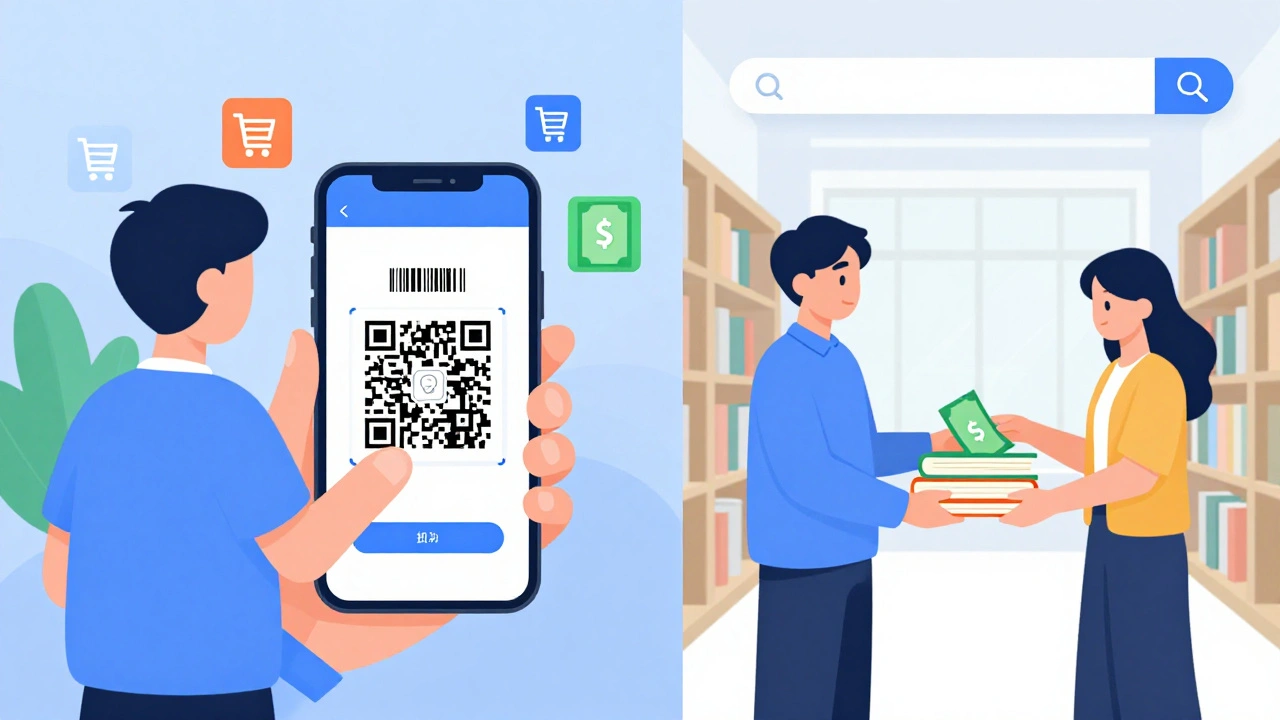
First, use BookScouter or Ziffit's instant quote tool. These services buy books directly from you. They offer convenience over maximum profit. You scan the barcode, get an offer, print a label, and drop off the parcel. It is perfect for clearing out your room quickly at the end of term.
If you want more cash, go direct-to-student. Platforms like Kubarto and StudentBeans allow you to list books for other students to buy. You set the price. You keep more money. The trade-off is effort. You have to package the book, deal with customer service, and wait for payment to clear.
Another option is Oxfam or charity shops. They do not pay you, but they offer tax receipts in some cases, and you avoid the hassle of shipping. This is ideal for very old editions that no longer have resale value.
Campus-Based Options: Facebook Groups and Societies
Never underestimate the power of local networks. Almost every UK university has active Facebook Groups dedicated to student trading. Search for "[University Name] Student Market" or "[Course Name] Buy and Sell."
These groups are goldmines. Why? Because there are no postage costs. You meet someone in the library, hand over the cash, and walk away with the book. It is instant. It is free. And you can inspect the condition of the book before buying.
Look out for posts during the last week of summer vacation. Hundreds of graduating students post bundles of books for cheap. You might find five modules' worth of reading for £20 if you act fast.
Libraries and Digital Alternatives
Before spending any money, check your university library. Most UK universities subscribe to digital databases like ProQuest, JSTOR, or EBSCOhost. Many required readings are available as e-books or journal articles through these portals. Access is free for you.
If a physical book is mandatory, ask about inter-library loans. Your library might borrow a copy from another institution for free. It takes longer, but it costs nothing.
Digital subscriptions via VitalSource or RedShelf are also rising. These are often cheaper than new print books. However, they are not truly "used." You rent them for a semester. Once the term ends, access expires. This is a rental model, not ownership. Consider this if you only need the book for one module.
Timing Is Everything
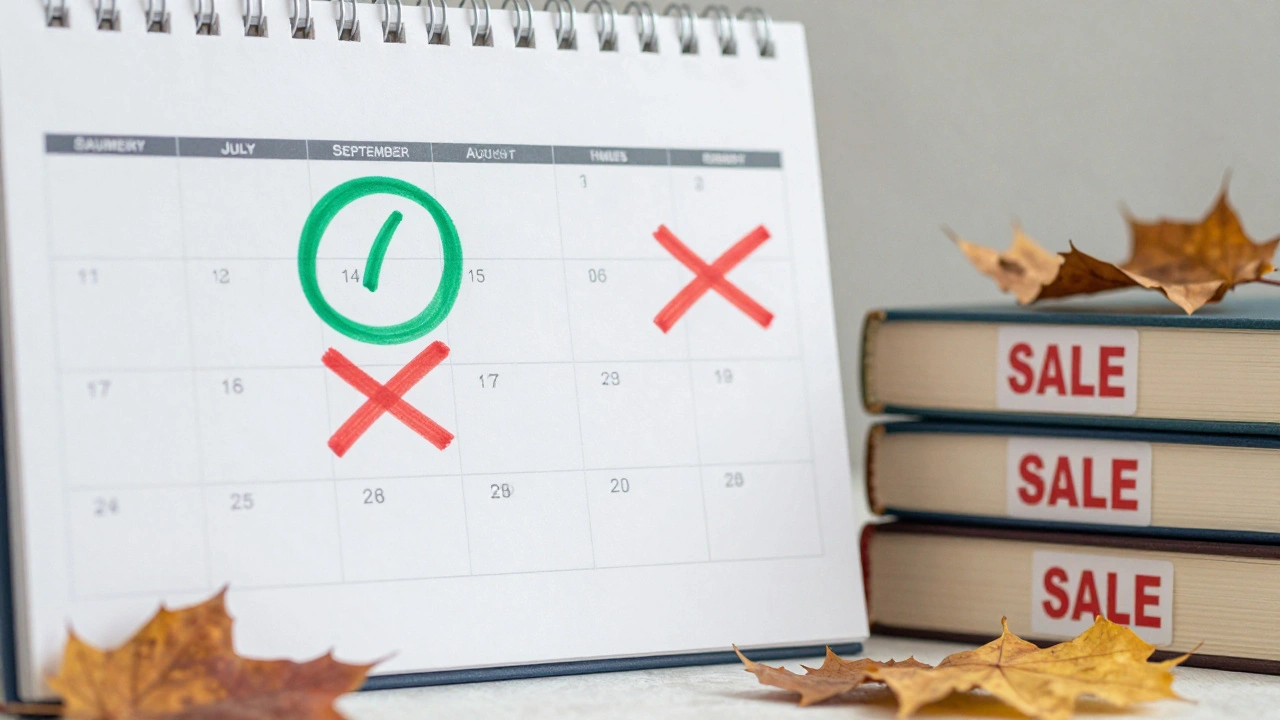
The second-hand textbook market follows a strict seasonal cycle. Understanding this rhythm saves you money.
- July-August: Supply peaks. Graduates are selling. Prices are lowest. Buy now for next September.
- September-October: Demand peaks. Freshers need books. Prices rise. Sellers raise prices.
- November-January: Stable period. Fewer transactions. Good time to sell niche titles.
- March-May: Pre-exam rush. High demand for specific revision guides. Sell your notes or summaries alongside books.
If you can wait until July to buy your books for the next academic year, you will likely find better deals. If you must buy in September, expect to pay a premium for convenience.
Checking Condition and Editions
When buying used, "Good Condition" means different things to different people. Ask for photos of the spine, pages, and covers. Look for:
- Writing or highlighting inside the pages.
- Broken spines or loose pages.
- Missing CDs or access codes.
Access codes are crucial. Many modern textbooks come with online homework platforms. These codes are often single-use. If you buy a used book, the code may already be redeemed. Confirm with the seller that the code works or buy a separate subscription if needed.
Always verify the edition number. A 10th edition is not always compatible with a 9th edition course structure. Professors often align lectures with specific chapters. If the chapter order changed significantly, an older edition might cause confusion.
Tax and Legal Considerations
For most students, selling a few textbooks does not trigger tax obligations. The UK has a Trading Allowance of £1,000 per year. If your total sales across all platforms (eBay, Facebook, etc.) stay under this limit, you generally do not need to report it to HMRC. However, if you are buying books specifically to resell them for profit as a regular business, this changes. Occasional student sales are safe. Professional flipping is not.
Is it safer to buy from Amazon or AbeBooks?
Amazon offers buyer protection and faster shipping, making it safer for urgent needs. AbeBooks often has lower prices and rarer titles but relies on individual sellers, so shipping times and conditions vary more. Check seller ratings carefully on both platforms.
Can I return a second-hand textbook if it is damaged?
On platforms like Amazon and eBay, yes, if the item does not match the description. On peer-to-peer sites like Facebook Marketplace or Kubarto, returns are harder. Always message the seller before paying and request detailed photos to avoid disputes.
What is the best way to sell my books quickly?
Use Ziffit or BookScouter for speed. They give instant quotes and provide prepaid labels. You sacrifice some profit for convenience. If you have time, list on Facebook groups for higher returns but slower sales.
Do older editions work for medical or law courses?
Usually no. Law changes annually, and medical guidelines update frequently. Always check with your tutor. For humanities, arts, and social sciences, editions from 3-5 years ago are typically acceptable.