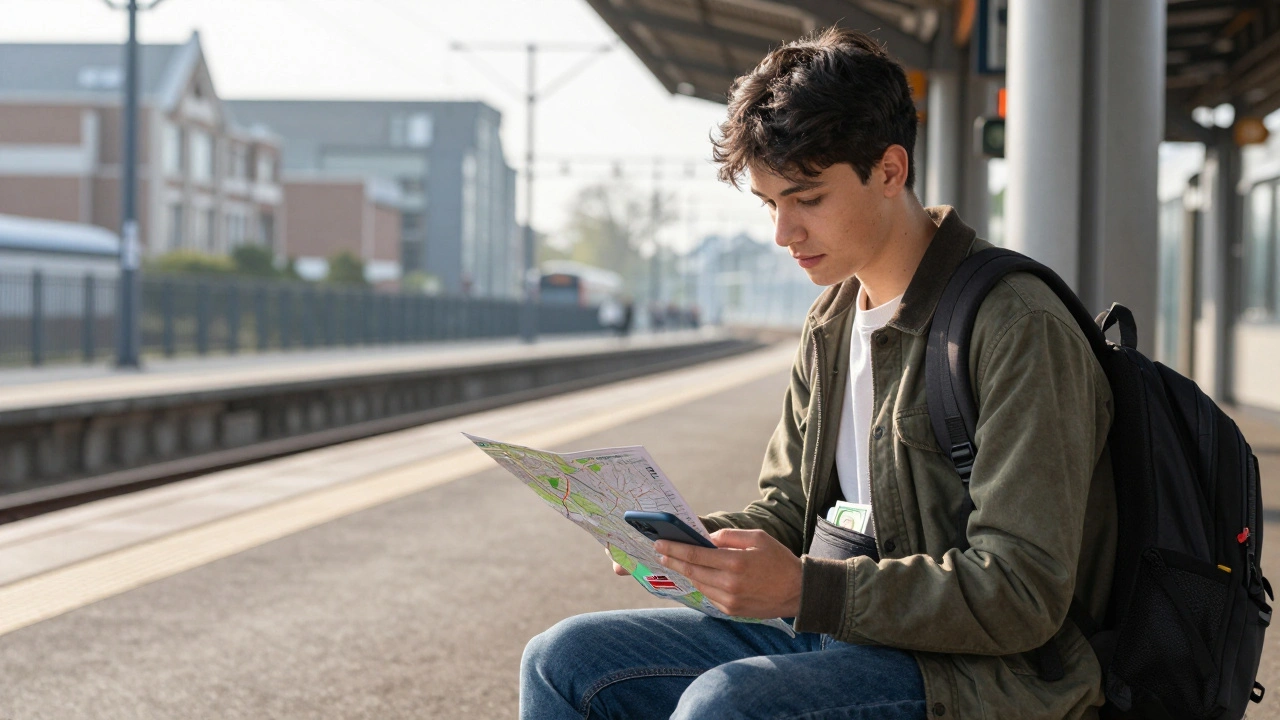
Every year, thousands of UK students hop on trains, planes, and buses to explore Europe, backpack across Asia, or take a weekend trip to Scotland. But no matter how exciting the destination, safety should never be an afterthought. You don’t need to be paranoid-just smart. The difference between a great trip and a nightmare often comes down to a few simple habits you can start today.
Plan Your Route Before You Leave
- Write down every stop on your journey: train stations, hostels, bus terminals, even the name of the street where your Airbnb is.
- Download offline maps using Google Maps or Maps.me. If your phone loses signal in rural Wales or a tunnel in Italy, you won’t be stranded.
- Share your itinerary with someone back home. Not just a quick text-send a full schedule with dates and contact details. Ask them to check in with you every 48 hours.
One student from Manchester got lost in Budapest after her phone died. She didn’t have a printed map or backup plan. She ended up spending three hours walking in circles until a local helped her. That could’ve been avoided with five minutes of planning.
Choose Accommodation Wisely
Hostels are cheap and social-but not all are safe. Look for places with:
- 24-hour reception
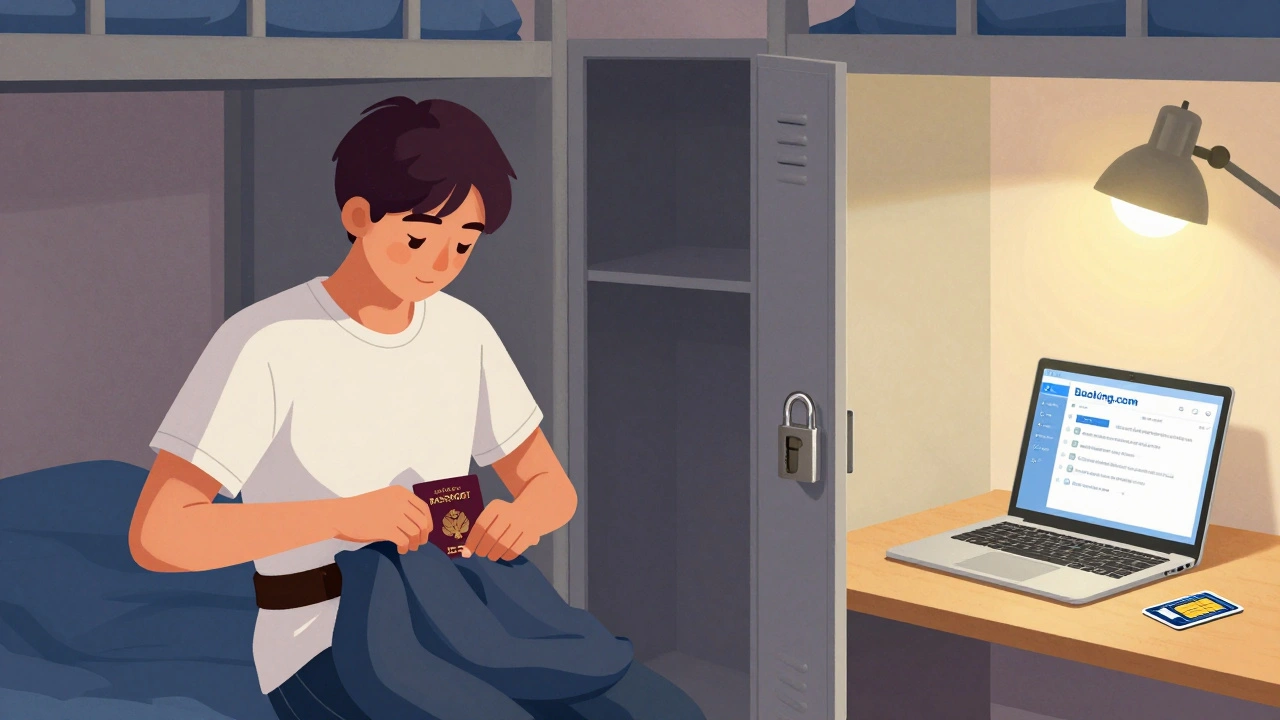
- Lockers with padlocks (bring your own)
- Positive reviews mentioning security
- Female-only dorms if you’re traveling solo and prefer extra privacy
Booking.com and Hostelworld let you filter by safety features. Avoid places with reviews saying “no one ever answered the front desk” or “someone broke in last month.” Trust those warnings.
Some students stay in university dorms abroad. That’s often safer than hotels. Many universities have guest housing with keycard access, campus security patrols, and on-site staff. Check if your university has exchange programs with partner institutions.
Keep Your Money and Docs Safe
Never carry your passport, student ID, and all your cash in one place. Split them up:
- Keep your passport and extra cash in a hidden money belt under your clothes.
- Carry only what you need for the day in your backpack or purse.
- Take a photo of your passport, visa, and insurance card and email it to yourself. Also save it in a secure cloud folder.
In 2024, a student from Birmingham had her wallet stolen in Prague. She lost £300 and her debit card. But because she’d photographed her passport and had a backup card registered with her bank, she got a replacement within hours. She missed one day of travel-not her whole trip.
Use Transport Like a Local
Don’t take taxis from unmarked cars. Use apps like Uber, Bolt, or local equivalents. In cities like Paris or Barcelona, official taxis have a light on top and a license number on the door. If it doesn’t, walk away.
On trains and buses, sit near the driver or conductor if you’re alone. Avoid empty carriages late at night. If you’re on a night train, book a private cabin-even if it costs a bit more. You’ll sleep better and feel safer.
And never, ever accept drinks from strangers-even if they seem friendly. A spiked drink can ruin everything in minutes. Stick to bottled water or drinks you open yourself.
Stay Connected Without Burning Out
You don’t need to be online 24/7, but you do need a way to call for help. Get a local SIM card when you arrive. Companies like Three UK offer cheap international plans, or you can buy a local SIM at the airport. In Spain, Vodafone and Orange have tourist bundles for under £10.
Set up emergency contacts in your phone. Label them clearly: “Mum,” “Dad,” “University Emergency,” “Travel Insurance.” Add their numbers to your lock screen notes so someone else can use your phone if needed.
Use WhatsApp or Signal to message friends back home. They’re encrypted and work over Wi-Fi. Avoid posting live location updates on Instagram or TikTok. That tells strangers exactly where you are.
Know the Local Laws and Customs
What’s normal in London might be illegal or offensive elsewhere. In Germany, drinking alcohol on the street is fine. In Dubai, it’s a crime. In Japan, talking loudly on the train is rude. In Spain, it’s common to nap after lunch-don’t expect shops to be open at 3 p.m.
Google “UK student travel tips [country name]” before you go. The UK Foreign Office website (gov.uk/foreign-travel-advice) has clear, updated advice on scams, dress codes, and safety zones. Bookmark it. Print a copy if you’re going somewhere with spotty internet.

Buy Travel Insurance That Actually Covers You
Most student travel insurance policies are useless. They exclude:
- Adventure sports like hiking in the Alps or scuba diving
- Lost or stolen laptops
- Trips canceled because of family emergencies
Look for policies from providers like Insure4Students, Student Travel Insurance, or Campus Cover. These are designed for students and cover:
- Medical emergencies (including mental health support)
- Lost luggage and stolen phones
- 24/7 emergency helplines
- Coverage for group trips and solo travel
Don’t rely on your home insurance or credit card coverage. They rarely cover students abroad long-term. Paying £40 for a year of proper insurance is cheaper than one hospital bill.
Trust Your Gut
The most important safety tip isn’t on any checklist. It’s this: if something feels off, leave. Don’t apologize. Don’t worry about being rude. Walk away from that person who keeps asking too many questions. Leave the bar if the music suddenly cuts out and the lights dim. Get out of the taxi if the driver takes a weird route.
One student from Leeds ignored her gut feeling when a guy offered to show her the “shortcut” to her hostel in Lisbon. She followed him. He led her to a quiet alley. She screamed. A neighbor came out. He ran. She got back to her hostel shaking-but safe.
You don’t have to be fearless. You just have to be prepared. And sometimes, being brave means saying no.
What to Do If Something Goes Wrong
If you’re robbed, sick, or lost:
- Call your university’s emergency number. Most have a 24/7 line for students abroad.
- Contact your travel insurance provider immediately. They can help with doctors, lawyers, or replacements.
- Report the incident to local police. Get a copy of the report-it’s needed for insurance claims.
- Let someone back home know what happened. Don’t suffer in silence.
Don’t wait until you’re overwhelmed. The sooner you act, the faster you’ll get help.