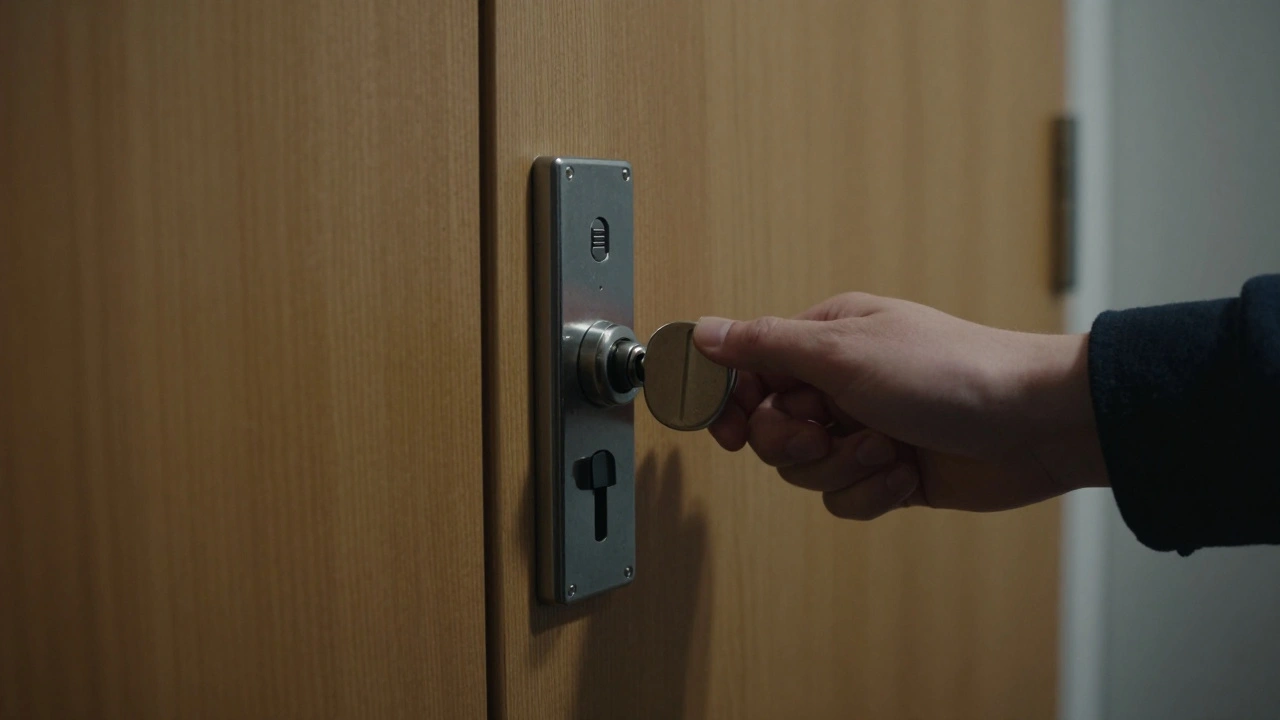
Living in student housing in the UK isn’t just about finding a bed and a kitchen. It’s about feeling safe. Every year, thousands of international and domestic students move into shared flats, university halls, or private rentals-and many don’t know what real safety looks like until something goes wrong. Too many students think a basic door lock is enough. It’s not. Real safety means understanding how locks work, knowing what alarms actually do, and learning how to protect yourself before you need to.
Locks That Actually Work
Not all locks are created equal. In UK student housing, you’ll commonly see three types: standard Yale locks, mortise locks, and multipoint locking systems. The Yale lock is the most common-it’s cheap, easy to install, and often the default in older student flats. But here’s the problem: a standard Yale lock can be forced open in under 30 seconds with a credit card or a small pry tool. That’s not a myth. It’s what police in Manchester reported in their 2024 student housing security audit.
Look for a door with a mortise lock-it’s thicker, sits deeper into the door frame, and requires a key to unlock from both sides. These are standard in newer university halls and some private student apartments. If your door only has a Yale lock, ask your landlord for a deadlock. A deadlock is a secondary lock that can only be operated by a key from the inside. It’s not expensive, and by law, landlords in England and Wales must provide a secure locking system under the Housing Act 2004.
Never leave your room unlocked just because you’re only stepping out for five minutes. In 2023, a survey by Student Union England found that 62% of thefts in student housing happened when doors were left unlocked-even briefly. Always double-check: turn the key, pull the door, and listen for the click.
Alarms: More Than Just a Buzzer
Most student accommodations have some kind of alarm system. But not all of them are useful. A basic door alarm that just beeps when opened won’t stop a determined thief-it’ll just scare them off for a few seconds. Real protection comes from integrated alarm systems that connect to a central monitoring service or your phone.
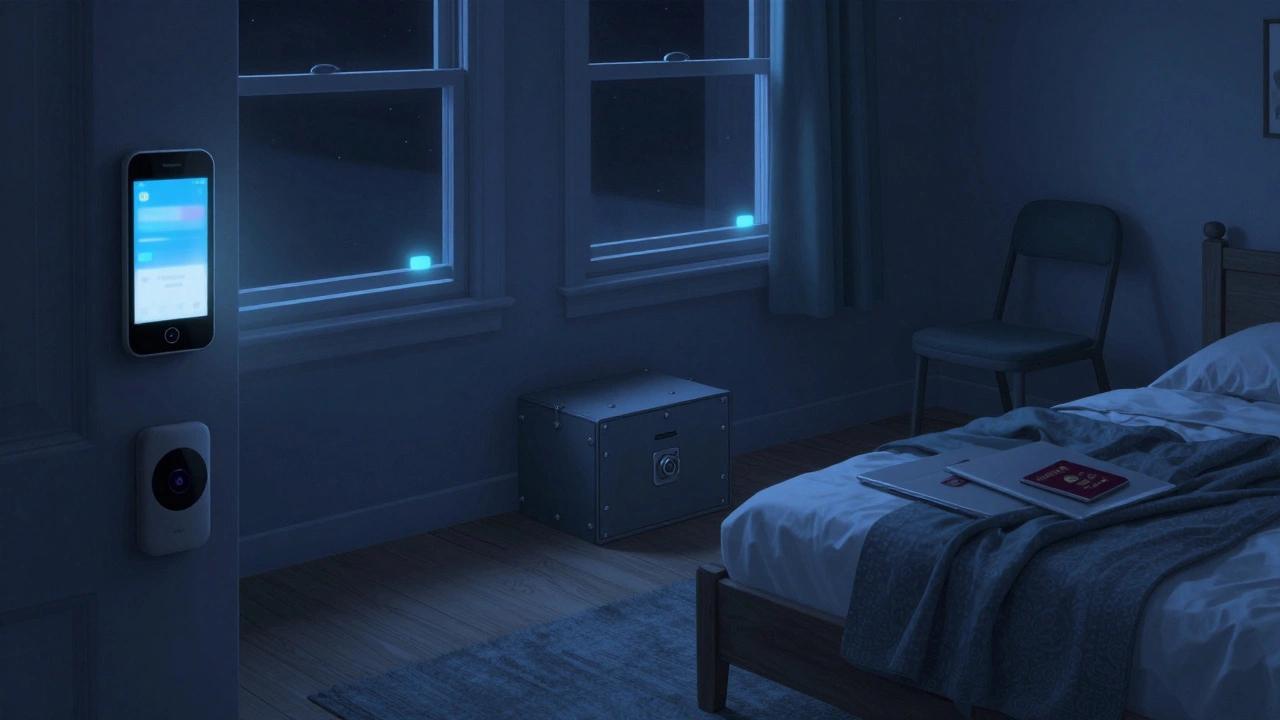
Check if your building has a monitored alarm system. That means if someone breaks in after hours, the system alerts security staff or local police automatically. University halls often have this. Private landlords? Not always. If your flat doesn’t, consider a smart door sensor like the Aqara or Ring Doorbell. These send alerts to your phone when the door opens. Some even record video. They cost between £30 and £80, and they’re worth every penny.
Also, don’t ignore window alarms. Many student flats have ground-floor windows that are easy targets. A simple window contact sensor-under £20-can trigger an alarm if someone tries to pry it open. Install them on all accessible windows, especially in bedrooms. The UK Home Office’s 2025 Crime Prevention Guide for Students found that properties with window alarms saw a 70% drop in break-ins compared to those without.
Personal Security: Your Responsibility
Locks and alarms help, but they’re not magic. Your personal habits matter more. Think about this: if someone steals your laptop, phone, or passport, how much damage does that do? Not just financially-emotionally too. Many students report feeling violated after a theft, even if nothing valuable was taken.
Start with your keys. Never leave them in your door. Never loan them out. Even to your best friend. If you lose them, change the lock immediately. Most landlords will charge you £50-£100 to do it, but it’s cheaper than replacing your identity documents or your laptop.
Use a lockbox or a safe for your valuables. Even a small, bolted-down safe under £40 can deter opportunistic thieves. Put your passport, cash, and expensive electronics inside. Don’t just hide them under your mattress-that’s the first place anyone looks.
Be smart about who you let in. Student flats are social places, but that doesn’t mean anyone should have access. If someone says they’re from the university maintenance team, ask for ID. If they say they’re a delivery person, call reception to confirm. In 2024, a student in Birmingham was tricked into letting in a fake repairman who stole £2,000 worth of gear. He had a uniform, a clipboard, and a convincing story. Real staff always carry photo ID and call ahead.
What Your Landlord Must Provide
Landlords in the UK have legal responsibilities. Under the Landlord and Tenant Act 1985, they must ensure your accommodation is secure. That means:
- Doors must have a secure locking mechanism (not just a latch)
- Windows must have locks if they’re accessible from the outside
- Common areas like entrances and stairwells must have functioning door entry systems
- Fire alarms and carbon monoxide detectors must be installed and tested monthly
If your landlord refuses to fix a broken lock or install a deadbolt, you have rights. Report it to your university’s accommodation office. If you’re in private housing, contact your local council’s environmental health department. They can issue a legal notice to the landlord. You don’t need to pay extra for this-your safety is not optional.
What to Do If Something Happens
Even with all the right locks and alarms, things can still go wrong. If you’re robbed, don’t panic. First, don’t touch anything. Police need the scene to stay intact. Call 999 immediately. Tell them it’s a burglary in student housing. They’ll send officers right away.
Then, contact your university’s student support team. Most have dedicated housing officers who can help you with insurance claims, temporary accommodation, and emotional support. If you’re an international student, your embassy might also offer help replacing lost documents.
File a report with your insurance provider-even if you think you don’t have coverage. Many student insurance policies cover theft in accommodation, even if you’re not home. Check your policy details. If you don’t have one, consider getting one. It costs less than £50 a year and can cover your laptop, phone, and even your bike.
What Doesn’t Work
Let’s cut through the myths.
- “A chain lock is enough.” No. Chain locks are decorative in most student doors. They’re easily bypassed.
- “I’ll just keep my door locked.” That’s good-but not enough. Burglars often watch flats for days before striking. They know when people come and go.
- “I’m safe because I live in a university hall.” Not necessarily. Some halls have outdated locks, poor lighting, or broken entry systems. Always check.
- “I don’t need an alarm-I’m never alone.” Thieves don’t care if you’re home. They care if the door is unlocked.
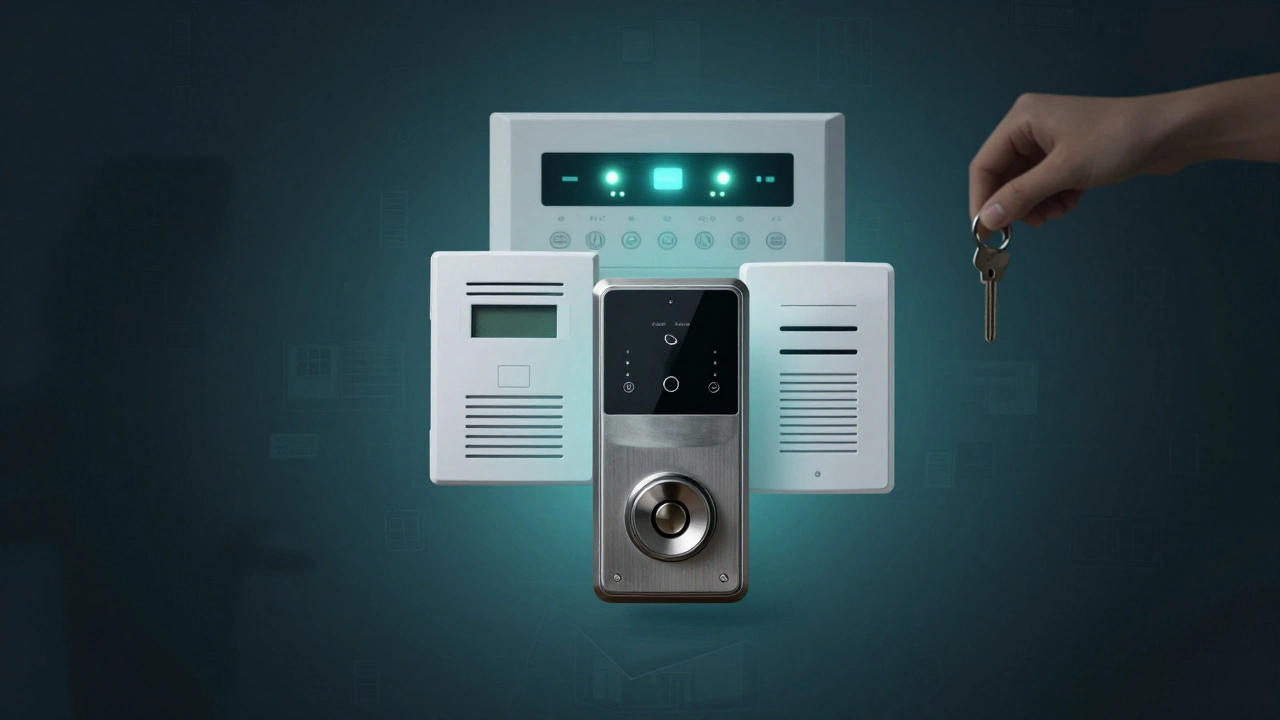
Real security isn’t about luck. It’s about layers. A deadbolt. A window sensor. A smart door alert. A lockbox. And your own awareness.
Quick Checklist for Student Housing Safety
- ☐ Door has a mortise or multipoint lock (not just a Yale)
- ☐ Deadlock installed and used every time you leave
- ☐ Windows have locks or contact sensors
- ☐ Alarm system is active and tested weekly
- ☐ Valuables stored in a bolted safe or lockbox
- ☐ Keys never left in the door or given to others
- ☐ Landlord has provided fire and CO alarms
- ☐ You know how to contact security or police in an emergency
These aren’t suggestions. These are the bare minimums for staying safe in UK student housing.
Do all UK student accommodations have to have security locks?
Yes. Under UK housing law, landlords must provide secure locks on all external doors and accessible windows. This includes deadbolts, multipoint locks, or equivalent security measures. If your accommodation doesn’t have this, you can report it to your university or local council. They are legally required to fix it.
Can I install my own alarm or smart lock?
Yes, but you need written permission from your landlord first. Most landlords allow smart door sensors or window alarms as long as they don’t damage the property. Avoid drilling into walls or altering the original lock mechanism. Stick to adhesive or battery-powered devices. Always remove them before you move out.
What should I do if I lose my keys?
Change the lock immediately. Don’t wait. Even if you think no one else has a copy, assume they do. Most universities and private landlords offer key replacement services, but you’ll likely pay a fee. It’s cheaper than replacing your laptop, passport, or peace of mind. Keep a spare key with someone you trust outside the flat.
Are student halls safer than private rentals?
Not always. University halls often have 24/7 security, CCTV, and controlled access-but some older halls have outdated locks and poor lighting. Private rentals might have better locks but no security staff. The key is not where you live, but what locks and alarms are installed and whether you use them. Always check before signing a lease.
Should I get student insurance for theft?
Yes, if you have expensive items like a laptop, camera, or musical instrument. Many student insurance policies cover theft in your accommodation, even if you’re not home. They often include replacement for lost passports and phone repairs. A basic policy costs under £50 a year. Check if your parents’ home insurance already covers you-many do.