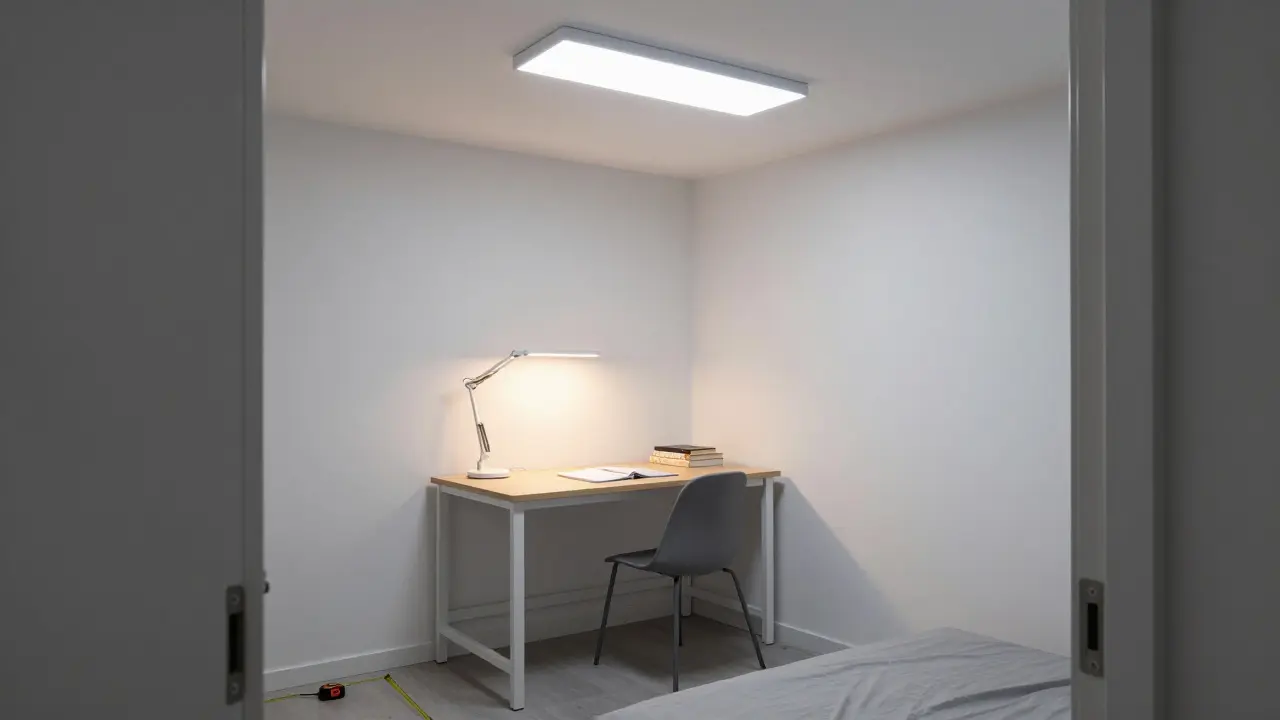
Walking into your new UK university hall of residence can feel like stepping into a blank canvas-or a beige box. The walls are white, the desk is plastic, and the lighting is harsh enough to read a contract by. You want it to feel like home, but your bank account is already screaming about tuition fees and textbooks. The good news? You don't need to spend a fortune to make a small space feel uniquely yours. With a bit of creativity and some smart shopping, you can transform a sterile dorm room into a cozy retreat that boosts your mood and helps you focus.
Quick Summary / Key Takeaways
- Student room decor doesn’t require expensive furniture; use vertical space and multi-functional items to maximize small areas.
- Focus on "high-impact, low-cost" changes like lighting, textiles, and wall art before buying large pieces.
- Check with your hall management before using adhesive products or drilling holes to avoid deposit deductions.
- Thrift stores and online marketplaces are goldmines for unique, affordable pieces that add personality without breaking the bank.
- Create distinct zones (sleeping, studying, relaxing) using rugs and curtains to define spaces in open-plan rooms.
Understanding Your Space and Constraints
Before you buy anything, take a step back and look at what you’re working with. Most UK hall rooms are between 10 and 15 square meters. That’s tight. The first thing to do is measure everything. Grab a tape measure and write down the dimensions of your desk, bed, and any built-in storage. Why? Because buying a rug that’s too big or a shelf that blocks the window will make the room feel even smaller and more claustrophobic.
Next, check the rules. This is crucial. Some halls ban adhesives, while others allow command strips but no nails. Some have strict fire safety regulations regarding candles or certain heaters. Read the tenancy agreement or ask the hall porter. A £10 penalty for peeling paint off the wall is money better spent on a nice lamp. Knowing these constraints upfront saves you from expensive mistakes later.
The Power of Lighting: Changing the Vibe Instantly
If there’s one thing that makes a dorm room feel less like an office and more like a home, it’s lighting. The standard overhead light in most halls is bright, cool, and unflattering. It’s great for cleaning, terrible for relaxing. To fix this, layer your lighting.
- Ambient Light: Keep the main light for general visibility, but dim it if possible.
- Task Light: Get a desk lamp with adjustable brightness. Look for ones with warm bulbs (2700K-3000K) rather than cold blue-white. This reduces eye strain during late-night study sessions.
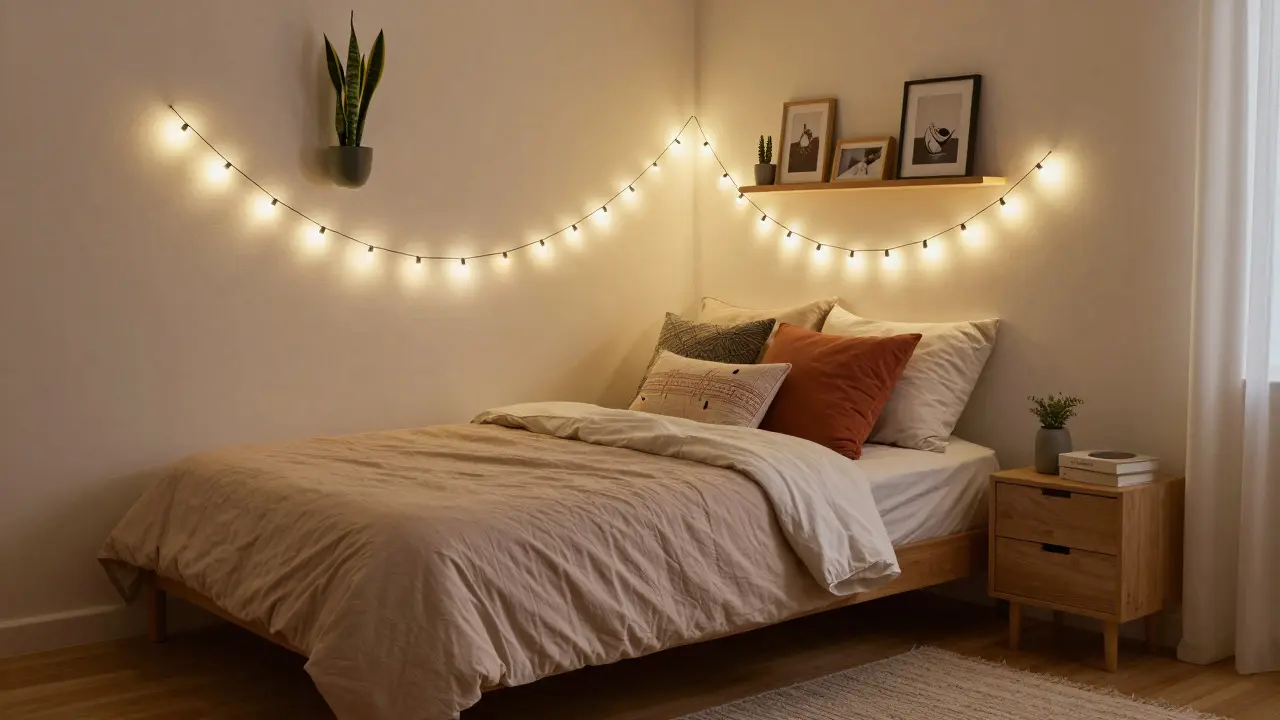
- Accent Light: String lights, LED strips, or a small floor lamp can add warmth. LED strips behind the headboard or along the top of the wardrobe create a soft glow that makes the room feel larger and cozier.
You don’t need fancy fixtures. A simple plug-in fairy light set costs under £10 and can completely change the atmosphere when you’re winding down after a long day of lectures.
Maximizing Vertical Space Without Drilling
Floor space is premium currency in a student hall. If you put everything on the floor, you’ll trip over your laundry basket within a week. The solution is to go up. But since you probably can’t drill holes, you need clever alternatives.
- Tension Rods: These fit snugly between walls or inside wardrobes. Use them to hang curtains, plants, or even lightweight shelves.
- Over-the-Door Organizers: Hang shoe racks, fabric bins, or pocket organizers on the back of your door. It’s free storage that disappears when you leave.
- Wall-Mounted Shelves (Adhesive): High-quality adhesive shelves can hold books, plants, and framed photos. Just ensure the weight rating matches what you plan to put on them.
- Corner Units: Corner shelves utilize dead space that flat shelves can’t reach.
Think of your walls as real estate. Every inch used for display or storage is an inch not cluttering your floor.
Textiles: Adding Comfort and Color
Hard surfaces reflect sound and feel cold. Softening your room with textiles is the cheapest way to add comfort. You don’t need to reupholster your chair. Instead, focus on layers.
Start with bedding. A high-thread-count duvet cover and a few decorative pillows instantly make the bed look inviting. Choose colors that match your theme-whether that’s earthy tones, bold patterns, or minimalist neutrals. Next, consider a rug. Even a small area rug under your desk or beside your bed defines a zone and adds texture. If your room has hard flooring, a rug also dampens noise, which is helpful if you live near noisy corridors.
Curtains are another game-changer. If your window faces a busy street or another block of halls, blackout curtains help you sleep better and give you privacy. They also absorb sound. If you can’t install rods, tension rods work well here too.
Personalization Through Art and Decor
This is where your personality shines. You don’t need original paintings. Print out posters of bands you love, quotes that inspire you, or maps of places you’ve visited. Frame them in cheap frames from discount stores. Arrange them in a gallery wall above your desk or bed. It’s a focal point that makes the room feel curated, not random.
Add personal touches like travel souvenirs, family photos, or plants. Plants are great for air quality and mental health. Low-maintenance options like snake plants or pothos are ideal for students who might forget to water things. Just be careful with direct sunlight; some plants need specific conditions to thrive.
Smart Storage Solutions for Clutter Control
A messy room leads to a messy mind. Keeping your space organized is part of the decoration process. If your built-in storage isn’t enough, look for modular solutions.
- Under-Bed Storage: Vacuum-sealed bags or rolling bins fit perfectly under the bed. Great for seasonal clothes or bulky items.
- Multi-Functional Furniture: An ottoman with hidden storage serves as a footrest and a place to hide cables or chargers.
- Desk Organizers: Trays, pen holders, and cable clips keep your workspace tidy. A clean desk helps you focus on studies.
Declutter regularly. If you haven’t used something in a month, it probably doesn’t belong in your room. Donate or sell it. Less stuff means more breathing room.
Budget-Friendly Shopping Tips
You don’t need to shop at high-end home goods stores. In fact, some of the best finds come from unexpected places.
| Source | Best For | Typical Cost Range | Pros | Cons |
|---|---|---|---|---|
| Charity Shops/Thrift Stores | Furniture, lamps, frames | £5 - £30 | Unique items, very cheap, sustainable | Hit-or-miss quality, requires time to browse |
| Discount Retailers (e.g., Poundland, Home Bargain) | Small decor, storage, basics | £1 - £20 | Convenient, affordable, wide range | Generic designs, lower durability |
| Online Marketplaces (e.g., eBay, Facebook Marketplace) | Specific items, bundles | Varies | Wide selection, often cheaper than retail | Shipping costs, risk of damage, no physical inspection |
| DIY Projects | Custom art, painted furniture | Materials only | Highly personalized, cost-effective | Time-consuming, requires skill |
Timing matters too. Shop after graduation season (July/August) when other students are clearing out their rooms. You can often find barely-used items for free or very cheap. Conversely, avoid buying major items right before the start of term when prices are highest due to demand.
Creating Zones in Small Spaces
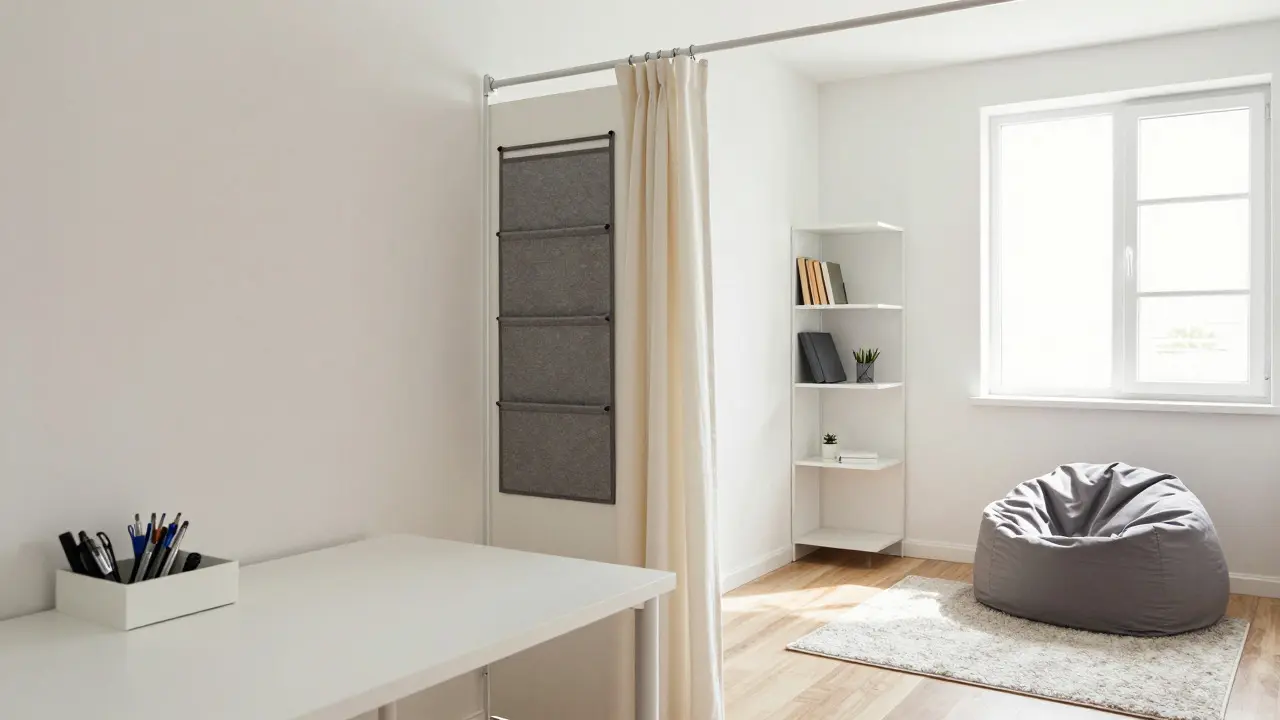
In a single-room setup, everything happens in the same square footage. To prevent feeling overwhelmed, create visual zones. Use a rug to define your study area. Place a comfortable chair or bean bag in a corner for reading or relaxing. Use a curtain or screen to separate your sleeping area from the rest of the room if you share the space with a roommate or just want privacy.
These subtle divisions help your brain switch modes. When you sit at your desk, you’re in "study mode." When you move to your chair, you’re in "relax mode." This psychological separation can improve productivity and reduce stress.
Maintaining Your Space
Decorating is easy; keeping it looking good is harder. Dust regularly, especially on shelves and electronics. Rotate your bedding weekly to keep it fresh. Check your plants for pests or dryness. A quick 10-minute tidy-up every evening prevents the mess from becoming unmanageable. Remember, your room is your sanctuary. Taking care of it takes care of your mental health too.
Frequently Asked Questions
Can I paint my walls in UK student halls?
Usually, no. Most hall agreements prohibit painting or making permanent marks on walls. However, removable wallpaper, peel-and-stick tiles, or large canvas prints are often allowed. Always check with your hall manager before applying anything to the surface.
What is the best lighting for a small student room?
Layered lighting works best. Combine a warm-toned desk lamp for studying, string lights or LED strips for ambient glow, and keep the main overhead light for general tasks. Avoid cold white bulbs, which can feel clinical and increase eye strain.
How do I store clothes without a full-sized wardrobe?
Use a combination of under-bed storage boxes, over-the-door hangers, and a portable clothing rack. Fold clothes neatly and use drawer dividers if you have any built-in drawers. Seasonal items should be vacuum-sealed to save space.
Are candles allowed in UK student halls?
It depends on the specific hall’s fire safety policy. Many halls ban open flames entirely. If candles are prohibited, use electric wax melts or LED candle replicas, which provide the same ambiance without the fire risk.
How much should I budget for decorating my student room?
You can personalize a room for under £100 if you focus on lighting, textiles, and DIY decor. If you want to buy new furniture, expect to spend between £150 and £300. Prioritize essentials like a comfortable chair and proper lighting before splurging on decorative items.