
Living as a student in the UK doesn’t have to mean eating instant noodles every night or skipping heat in winter. Many students think cutting costs means sacrificing comfort-or worse, health. But the truth? You can slash your monthly bills by hundreds of pounds without giving up meals, social life, or sleep. It’s not about being cheap. It’s about being smart.
Move Outside the City Center
Rent is the biggest drain on student budgets. In London, a single room in university halls can cost over £1,200 a month. Outside the center, you’ll find the same room for £700-£850. That’s £5,000+ saved over a year. Places like Croydon, Slough, or even towns like Loughborough or Reading offer direct train links to major universities. Check student forums or UniHomes for listings marked "student-friendly"-landlords who accept guarantors and don’t demand six months upfront.Shared houses are still the cheapest option. Splitting a three-bedroom flat with three other students cuts rent by 60% compared to living alone. Don’t just look at the rent price. Ask: Is gas included? Is WiFi free? Is the boiler working? A £100 cheaper rent isn’t a deal if the heating breaks every week.
Use Your Student ID for Everything
Your student card isn’t just for library access. It’s a discount key. Train companies like National Rail offer 16-25 Railcards for £30 a year. That’s 1/3 off every ticket. A £60 monthly commute drops to £40. Over a year? You save £240. Even bus companies like Stagecoach and First Bus give student discounts-just show your card.Amazon Prime Student is half price. You get free delivery, music, and video. That’s £38 saved a year. Spotify, Apple Music, and Netflix all have student plans. Even McDonald’s, Boots, and Zara give 10% off with your ID. Keep it in your wallet. Use it at every checkout. You’d be surprised how fast it adds up.
Shop Smart, Not Cheap
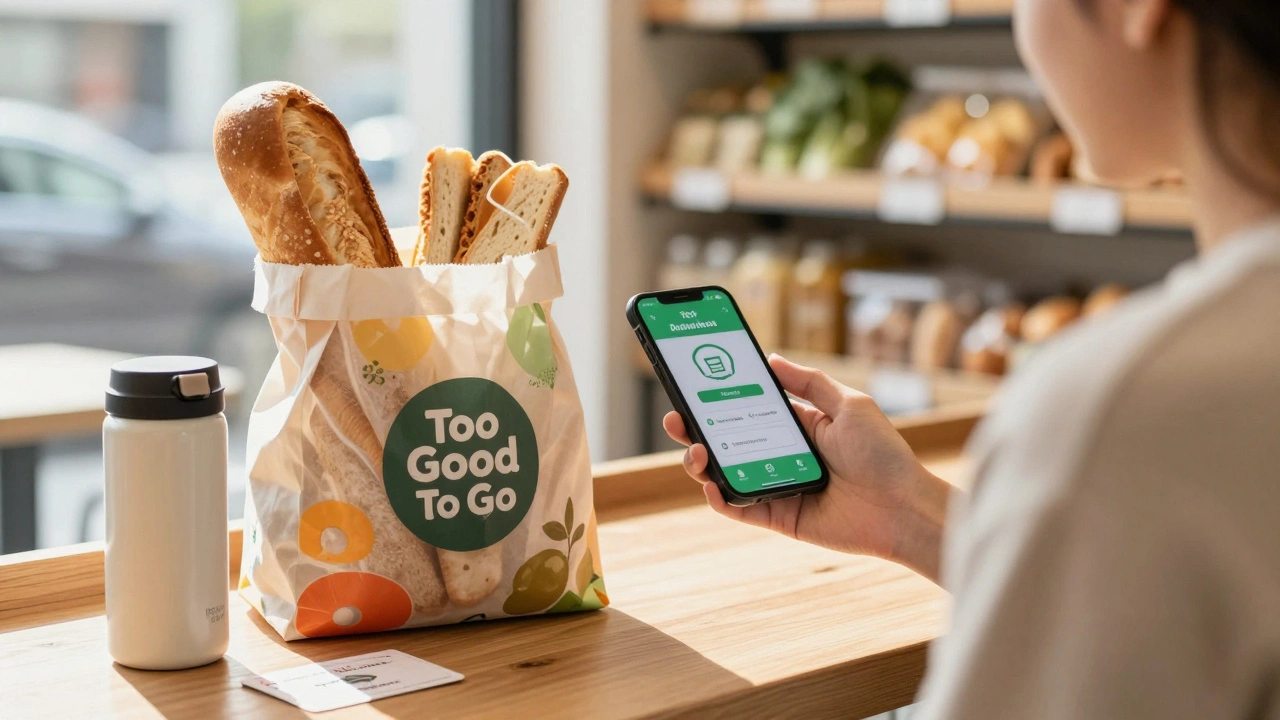
Grocery bills spike when you buy pre-packaged meals or branded snacks. The real savings come from cooking. A bag of rice costs £1.50 and feeds four meals. A ready meal? £3.50. A chicken breast is £2.50-enough for two dinners. Buy in bulk. Aldi and Lidl have the same quality as Tesco or Sainsbury’s, but prices are 20-30% lower.Use Too Good To Go. This app lets you buy unsold food from supermarkets and cafes at 70% off. A £10 meal deal for £3? Yes. You get a surprise bag of fresh bread, sandwiches, salads, even pastries. It’s not just cheap-it’s sustainable. Students in Manchester and Birmingham report saving £50-£80 a month just from this one app.
Cut Utility Bills Without Turning Off the Heat
Students often think they’re stuck with whatever tariff the landlord picks. They’re wrong. In most shared houses, you can switch energy providers yourself. Use Uswitch or MoneySuperMarket to compare. The average student pays £120 a month for gas and electricity. Switching to a cheaper tariff drops that to £85. That’s £420 saved a year.Turn off the radiator in unused rooms. Use draft excluders under doors. Wash clothes at 30°C. Run the dishwasher only when full. These habits don’t hurt comfort-they just cost less. One student in Leeds cut her bill by £40 a month just by unplugging chargers and using a smart plug timer.
Free Entertainment Is Everywhere
You don’t need to spend £15 on a movie or £20 on a pub night. Universities run free film nights, open mic events, and club trips. The National Trust gives free entry to students with a valid ID. Museums like the British Museum, Tate Modern, and V&A are always free. London’s Southbank Centre hosts free concerts. Check your student union’s events calendar every week.Swap books instead of buying them. Use Freecycle or Facebook groups like "Student Book Swap [City Name]." Need a textbook? Ask your professor if they have an old copy. Libraries have digital loans through Libby. You can read 100+ academic books for free.
Work Smart, Not Hard
Working 20 hours a week sounds exhausting. But you don’t need to work that much to cover essentials. A part-time job at £11.44/hour (UK minimum wage in 2025) pays £229 for 20 hours. That’s enough to cover your phone bill, groceries, and a little fun.Look for campus jobs. Library assistant, tutor, event helper-these roles fit around lectures. They’re flexible, and you’re paid on time. Some universities even pay you to help with research. Don’t overlook gig work. Delivering food with Uber Eats or Gorillas takes 10-15 hours a week. You earn £10-£15/hour after fees. Do it on weekends. You won’t burn out.

Student Loans Aren’t Free Money
Many students treat their maintenance loan like a salary. It’s not. It’s a loan. You’ll pay it back once you earn over £25,000 a year. The more you spend now, the more you owe later. Budget your loan like it’s cash you can’t touch.Set up a separate bank account just for your loan. Move £200-£300 into a savings pot each month. Use it only for emergencies. The rest? Live off your part-time job. You’ll graduate with less debt and more confidence.
What You Shouldn’t Cut
Don’t skip meals to save money. Don’t avoid the doctor because of cost. Free NHS care covers everything from flu shots to mental health counseling. Use it. Your health isn’t optional.Don’t ditch social life. Isolation hurts grades and mental health. Instead of expensive nights out, organize potlucks, board game nights, or park picnics. Friends who care won’t judge you for not spending.
Don’t buy new gear you don’t need. Textbooks? Borrow. Laptop? Use the university’s computer lab. Winter coat? Swap with a friend. You don’t need the latest phone or designer hoodie to be a successful student.
Final Tip: Track Your Spending
You can’t fix what you don’t measure. Use a free app like Moneyhub or YNAB (You Need A Budget). Link your bank account. Watch where your money goes. You’ll spot leaks fast-like that £5 coffee every day that adds up to £150 a month.One student in Edinburgh tracked her spending for a month. She realized she was spending £80 a month on takeaway coffee and snacks. She bought a thermos. Now she makes coffee at home. Saved £960 a year. That’s a weekend trip to Paris.
Can I really save £500 a month as a student in the UK?
Yes. Students who switch to cheaper housing, use student discounts, cook at home, and avoid impulse spending regularly save £400-£600 a month. That’s not a myth-it’s a pattern seen in surveys by the National Union of Students. One student in Manchester cut her monthly costs from £1,100 to £580 in three months.
Are student discounts actually worth it?
Absolutely. A 16-25 Railcard saves £240 a year on trains. Amazon Prime Student saves £38. Spotify and Netflix save £72. Add in discounts on groceries, clothes, and tech, and you’re looking at £500+ in annual savings. That’s more than most part-time jobs pay.
Should I get a student bank account?
Yes, but only if you need the overdraft. Most student accounts offer interest-free overdrafts up to £3,000. Use it as a safety net, not a spending tool. Don’t open multiple accounts-just pick one with the best features. Compare options from Barclays, NatWest, and HSBC. Avoid accounts that charge for cash withdrawals or require direct debits.
What if my landlord won’t let me switch energy providers?
If you pay your energy bills directly to the supplier, you can switch. If your landlord pays and includes it in rent, ask if you can take over the bill. Most landlords are happy to let you switch-it saves them hassle. If they refuse, you can still save by reducing usage: shorter showers, turning off lights, using a washing line.
Is it worth getting a part-time job while studying?
Yes-if you choose the right job. Campus jobs, library roles, or tutoring fit around your schedule. Avoid jobs that demand 30+ hours a week. You’ll burn out. Aim for 10-15 hours. That’s enough to cover essentials without hurting your grades. Many students find they earn more in tips or gig work on weekends than in a 9-5.