
Most students assume that buying a car is the ultimate freedom move. It sounds like you can zip to lectures at 8 AM without waiting for a bus, carry your entire wardrobe in the trunk, and explore the countryside on weekends. But if you look at the actual numbers for 2026, the picture gets complicated fast. A standard compact car might cost £15,000 upfront, but the monthly running costs-insurance, fuel, and parking-can easily eat up 30% of your living budget. The real question isn't whether you want a car; it's whether your specific university location and financial situation can handle the hidden weight of ownership.
The True Cost of Ownership Beyond the Purchase Price
When you buy a car, the sticker price is just the entry ticket. The ongoing expenses are where most students get caught off guard. Let’s break down the monthly reality for a typical 20-25-year-old driver in the UK.
- Insurance: This is usually the biggest variable. For a new driver with no claims history, premiums can range from £400 to £900 per month depending on the car and region.
- Fuel: With petrol prices hovering around £1.40-£1.50 per litre in 2026, a student doing 500 miles a month will spend roughly £70-£100, assuming average efficiency.
- Parking: If you live in London or Manchester, expect to pay £150-£250 per month for a secure permit. In smaller towns, this might drop to £50 or be free if you have an off-street driveway.
- Maintenance & Tax: Vehicle excise duty (road tax) varies by CO2 emissions, typically ranging from £0 to £195 per year. Add in annual MOT checks (if over 4 years old) and tire replacements, and you’re looking at another £20-£30 per month buffer.
Add these up, and you’re looking at a minimum of £600-£1,000 per month before you even consider depreciation. That’s money not spent on food, rent, or social activities. If your scholarship or part-time job income doesn’t cover this comfortably, the car becomes a liability rather than an asset.
Cracking the Code on Student Car Insurance
Student car insurance is a specialized policy designed for young drivers, often featuring higher premiums due to perceived risk but offering flexibility for limited driving hours. Insurers view students as high-risk because they have less experience and tend to drive in dense urban areas. However, there are ways to lower that bill significantly.
First, consider adding a parent or older relative as a named driver. This can reduce premiums by 10-20%, provided they genuinely use the car occasionally. Second, install a telematics device (black box). These devices track your driving style-speed, braking, time of day-and reward safe behavior with discounts of up to 30%. Companies like Marmalade or Zego are popular among students for this reason.
Third, choose the right car. Insurers categorize vehicles into 'insurance groups' from 1 to 50. Group 1 cars (like a Vauxhall Corsa or Ford Fiesta) are cheaper to insure because parts are common and repairs are simple. Avoid powerful engines or convertibles, which push you into higher groups. Finally, don’t forget the excess. Voluntary excess is the amount you pay out of pocket in a claim. Setting this higher (e.g., £500 instead of £250) lowers your monthly premium, but only do this if you actually have that cash saved for an emergency.
Navigating University Parking and City Restrictions
Parking is the silent killer of student budgets. Before you sign anything, check your university’s specific policies. Most large institutions charge for on-campus permits. For example, a resident permit at a major London university might cost £2,500 for the academic year, while a commuter permit could be £1,500. Smaller universities in rural areas often offer free parking or very low fees.
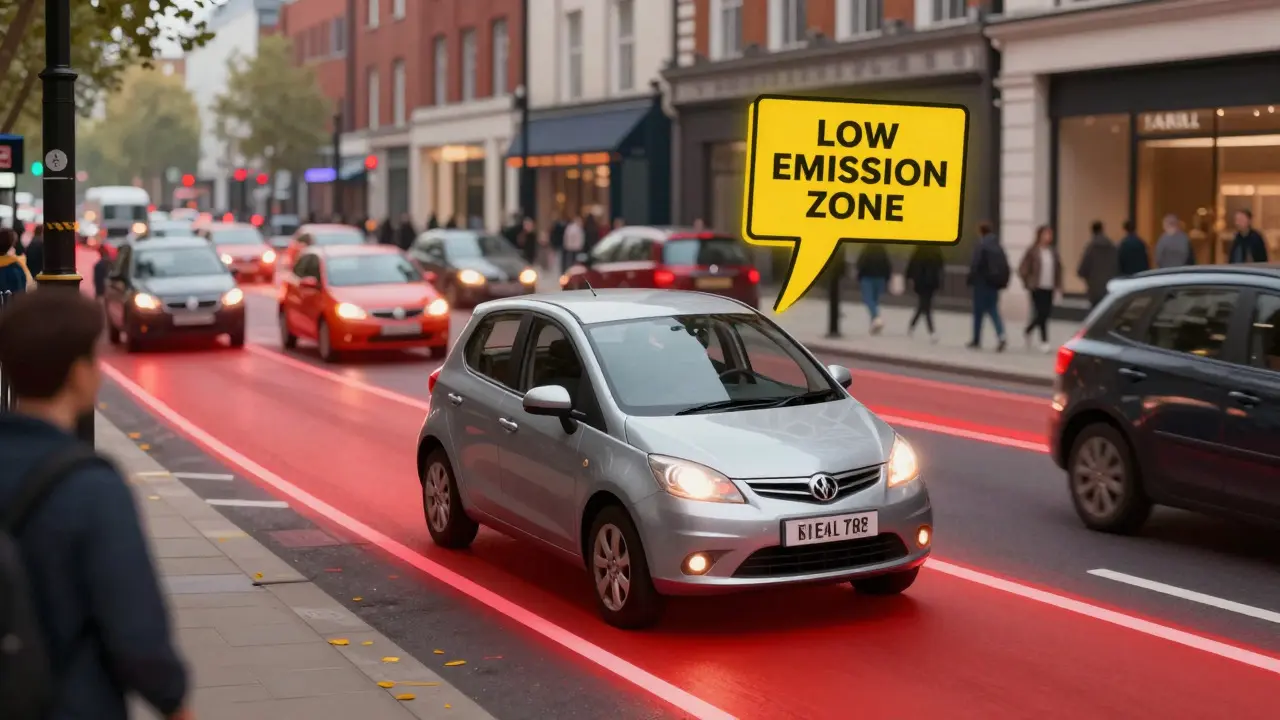
If you live in a city center, you need to understand local traffic zones. Many UK cities have introduced Clean Air Zones or Low Emission Zones (LEZs). Driving a diesel car older than Euro 5 standards into these zones can incur daily charges of £12.50 or more. Always check if your car meets the emission standards for your specific city. In London, the ULEZ charge applies to almost all non-electric vehicles, adding another layer of cost if you commute frequently.
Off-street parking is also worth investigating. Some students share driveways with local residents via platforms like JustPark. This can be cheaper than official permits and offers security, but it requires trust and reliable communication. If you park on the street, make sure you know the rules about yellow lines and loading bays. Fines for illegal parking can add up quickly, especially during term time when enforcement is stricter.
| Cost Category | Small Town / Rural | Mid-Sized City | London / Major Metropolis |
|---|---|---|---|
| Insurance (Telematics Discounted) | £350 - £450 | £450 - £600 | £600 - £800 |
| Parking Permit | £0 - £50 | £100 - £150 | £150 - £250 |
| Fuel (500 miles/month) | £70 - £90 | £70 - £90 | £80 - £100 (Higher congestion) |
| Tax & Maintenance Buffer | £20 - £30 | £20 - £30 | £20 - £30 |
| Total Estimated Monthly Cost | £440 - £620 | £640 - £870 | £850 - £1,180 |
Choosing the Right Car for Student Life
You don’t need a luxury sedan to get through university. In fact, bigger cars are harder to park, more expensive to insure, and thirstier for fuel. The ideal student car is small, efficient, and reliable. Look for models with a fuel economy rating above 50 mpg (miles per gallon). Hybrid options like the Toyota Yaris Hybrid or Honda Jazz Hybrid are excellent choices because they perform well in city traffic and have lower road tax rates.
Reliability is key. You want a car that won’t break down between modules. Brands like Toyota, Mazda, and Hyundai consistently rank high in reliability surveys. Avoid used cars with unclear service histories. When buying second-hand, always request a full service record and run a HPI check to ensure the car hasn’t been written off or has outstanding finance. A pre-purchase inspection by a mechanic costs about £100-£150 and can save you thousands in repair bills later.
Consider the resale value too. Popular models hold their value better, meaning you’ll lose less money when you sell after graduation. White and silver cars are generally easier to resell than bright colors. Keep the car clean and maintain a logbook of all services to prove its condition to future buyers.
Alternatives: Is a Car Really Necessary?
Before committing to a car, audit your actual needs. Do you really need to drive to every lecture? Many universities have extensive bus networks or bike-sharing schemes. If you live within 3 miles of campus, a bicycle might be faster and cheaper. Cycling costs pennies per mile compared to the £0.50+ per mile for a car.
Ride-sharing apps like BlaBlaCar or Uber Pool can be viable for occasional trips home or weekend outings. If you only drive once a week, the fixed costs of insurance and parking become disproportionately high. In those cases, renting a car for specific trips might be more economical. Calculate the break-even point: if you drive less than 100 miles a month, a car is likely not worth the overhead.

Managing Finances and Budgeting for Students
Car ownership requires disciplined budgeting. Create a separate bank account specifically for car expenses. Transfer the estimated monthly total (from the table above) into this account on payday. This prevents you from accidentally spending car money on entertainment. Track every expense using a simple spreadsheet or app. If your fuel costs spike, investigate why-was it aggressive driving or a leak? Early detection saves money.
Also, plan for the unexpected. Tires wear out faster on poor roads. Batteries die in winter. Set aside a small emergency fund of £500-£1,000 specifically for vehicle repairs. Without this buffer, one broken alternator can derail your entire semester’s finances.
Frequently Asked Questions
Is it worth getting a car for university in the UK?
It depends on your location. If you live in a rural area with poor public transport, a car is essential. If you are in a city like London or Manchester, public transport is often faster and cheaper. Calculate your total monthly costs against your budget before deciding.
How much does student car insurance cost in 2026?
For a new driver, expect to pay between £400 and £900 per month. Using a black box telematics device and choosing a low insurance group car can reduce this significantly, potentially bringing it down to £350 or less.
What is the cheapest car to run for a student?
Small hybrid cars like the Toyota Yaris Hybrid or Kia Picanto are among the cheapest to run. They have low fuel consumption, low insurance groups, and affordable maintenance costs. Electric vehicles are also becoming competitive due to zero fuel costs, though purchase prices remain higher.
Do I need a parking permit if I live in halls?
Usually, yes. Most universities require a paid permit to park on campus or in designated student lots. Check your specific university’s website for current rates and application deadlines, as spaces are often limited and allocated on a first-come, first-served basis.
Can I add my parents to my insurance policy?
Yes, adding an older, experienced driver as a named driver can lower your premium. However, the main driver must still be you. If the insurer discovers you are primarily driving but listed as secondary, they may invalidate the policy. Be honest about who drives the car most often.