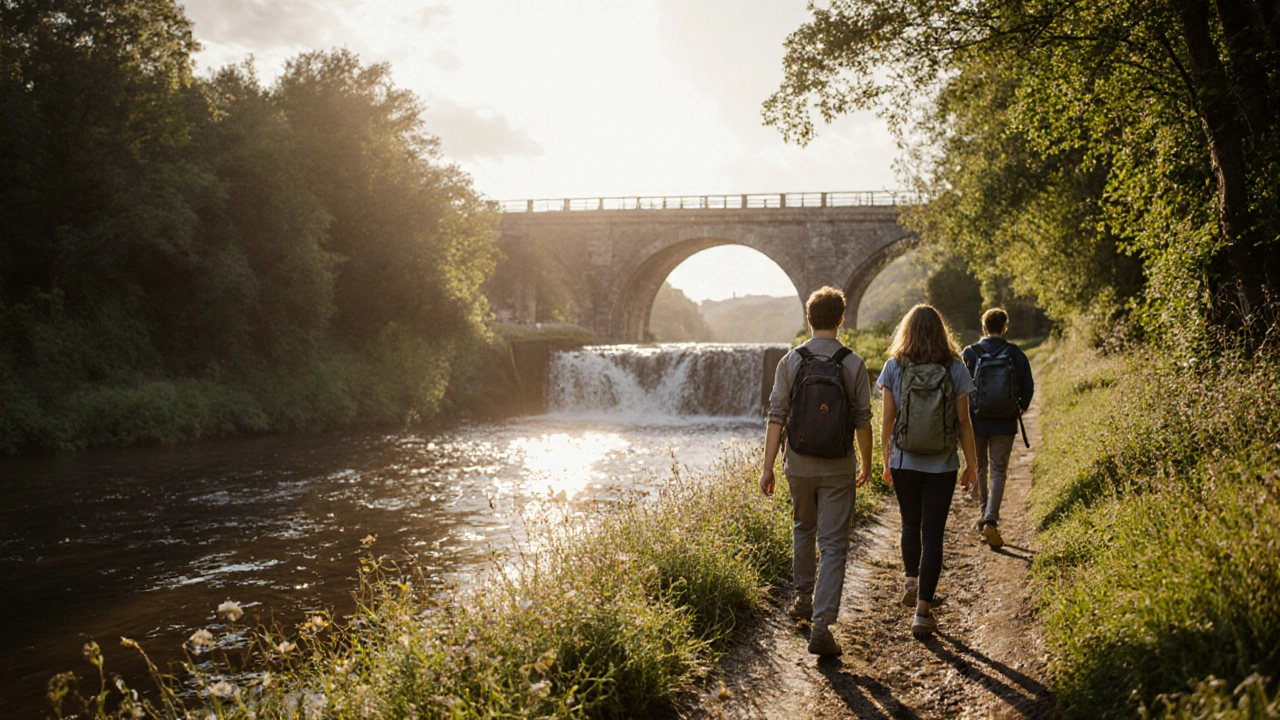
UK students don’t need to wait until graduation to feel the freedom of the wild. Between lectures and deadlines, the best escapes aren’t always in a pub or a cinema-they’re on a muddy trail in the Peak District, a windswept ridge in the Lake District, or a quiet forest path in the Scottish Highlands. You don’t need fancy gear, a car, or a big budget. Just a pair of decent shoes, a backpack, and the willingness to step outside your campus gate.
Why Outdoor Activities Matter for Students
Staring at a screen for 12 hours straight doesn’t just hurt your eyes-it messes with your focus, your mood, and your sleep. A 2023 study from the University of Exeter found that students who spent at least two hours a week in nature reported significantly lower stress levels and better mental clarity than those who didn’t. It’s not magic. It’s biology. Natural light resets your circadian rhythm. Walking without a phone in your hand lowers cortisol. Group hikes build real connections, not just Instagram likes.
Forget the gym membership. Hiking, climbing, or even just walking through a local park gives you cardio, strength, and mental space-all for free. And unlike a treadmill, the trail never gets boring. One day you’re crossing a mossy stone bridge in the Yorkshire Dales. The next, you’re scrambling up a rocky outcrop in Snowdonia with your flatmates cheering you on.
Where to Start: Easy Hikes for Beginners
If you’ve never worn hiking boots, don’t panic. Start small. Most UK universities are within 30 minutes of a decent trail. Here are three beginner-friendly routes that won’t break your legs-or your bank account:
- The Llangollen Canal Path (Wales): Flat, well-marked, and lined with waterfalls and old railway bridges. Perfect for a Sunday afternoon walk. You can start from the train station and loop back without needing a ride.
- Box Hill (Surrey): Just 40 minutes from London. Short climb, big views. The summit gives you a panorama of the North Downs. There’s a café at the top where you can buy a coffee and sit with your friends watching the clouds roll by.
- Arthur’s Seat (Edinburgh): A gentle climb up an ancient volcano. You’ll pass students from the university, tourists, and locals all heading for the same view. At the top, you’re looking down on the whole city. And yes, you can get ice cream on the way back.
These aren’t endurance tests. They’re experiences. You don’t need to summit a 3,000-foot peak to feel like you’ve done something real.
Adventure Without the Price Tag
Adventure doesn’t mean skydiving or white-water rafting-though those are fun if you can afford them. For most students, adventure is about trying something new with friends. Here’s how to do it on a budget:
- Wild camping: In Scotland, you can legally camp almost anywhere under the Scottish Outdoor Access Code. Grab a cheap two-person tent from Decathlon, a sleeping bag from a charity shop, and head to the Trossachs. No booking needed. Just leave no trace.
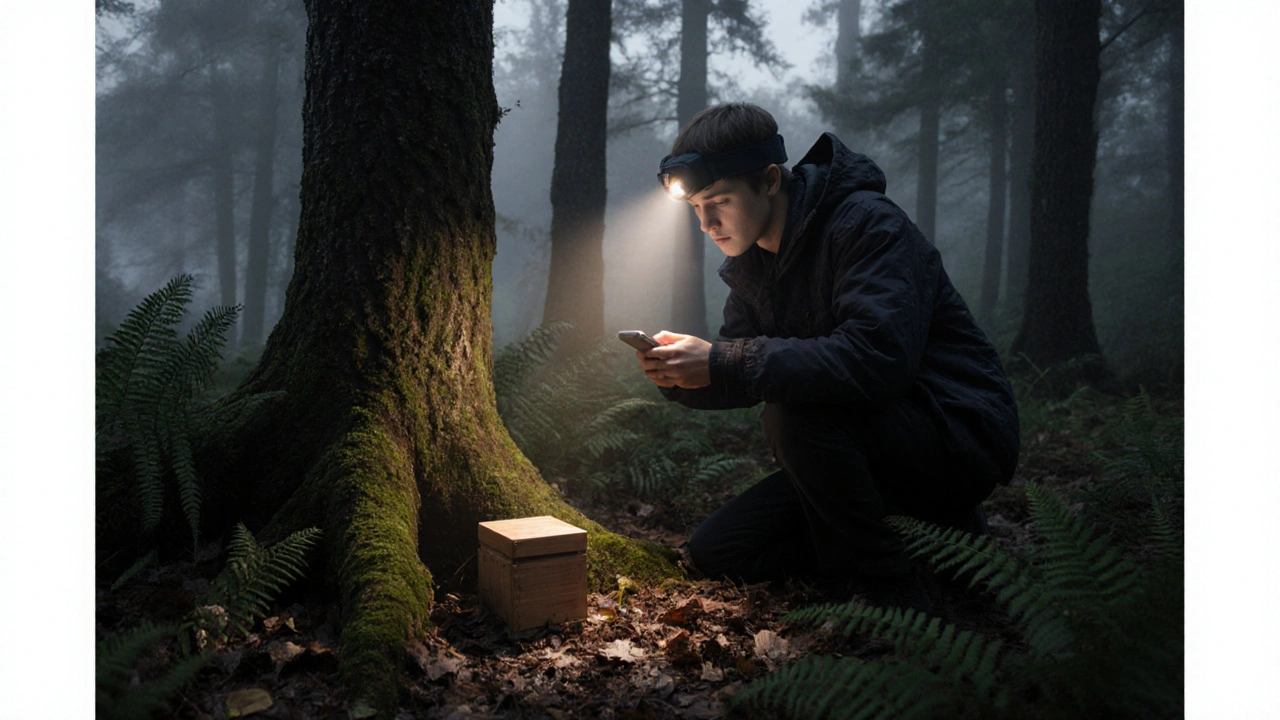
- Geocaching: It’s like a real-life treasure hunt using your phone. Thousands of hidden caches are scattered across the UK. Find one in your local park, then another in a forest. It turns a walk into a mission. And you get to keep the tiny trinkets inside.
- Coastal foraging: On weekends, groups of students from universities in Cornwall and North Wales head to the shore to collect mussels, samphire, and seaweed. Learn what’s safe to eat (and what isn’t) from free online guides. Cook it back at your flat. It’s cheap, sustainable, and surprisingly tasty.
These activities don’t require instructors or permits. Just curiosity and a little caution.

Getting Involved: Student Clubs and Groups
Most universities have outdoor clubs run by students, for students. These aren’t expensive tour companies-they’re groups of people who love being outside and want to share it.
Check your student union website. Look for names like:
- University Hiking Society
- Mountaineering Club
- Wilderness Skills Workshop
- Canoe and Kayak Collective
Many offer free or low-cost gear loans-tents, maps, headlamps, even climbing harnesses. Some run weekend trips for £10-£20, including transport. Others organize monthly “no-fuss walks” where you just show up and follow the group.
One student at the University of Leeds joined her school’s hiking group in her first term. Within a year, she’d led a 3-day trek through the Cairngorms. She didn’t become an expert. She just kept showing up.
What to Pack (Without Breaking the Bank)
You don’t need to buy the whole outdoor catalog. Here’s what actually matters:
- Footwear: A good pair of walking shoes or trail runners. No need for £200 boots. Decathlon’s Trek 100s cost under £40 and last for years.
- Water: A 1-liter bottle or hydration bladder. Dehydration hits fast, even on short walks.
- Layered clothing: A moisture-wicking base layer, a fleece, and a waterproof jacket. You can find these secondhand on Vinted or Facebook Marketplace for under £20.
- Backpack: A 20-30L daypack. Your regular school bag won’t cut it-too narrow, no hip support.
- Map and compass: Download offline maps on Gaia GPS or ViewRanger. Learn how to use a basic compass. It’s not hard, and it saves you when your phone dies.
Pro tip: Borrow gear from your university’s outdoor club before you buy. Many have gear libraries.
Staying Safe and Responsible
Outdoor adventures are safe-if you’re smart. Don’t be the person who gets lost because they didn’t tell anyone where they were going.
- Always tell someone your plan: where you’re going, who you’re with, and when you’ll be back.
- Check the weather. The Met Office app is free and accurate. Rain in the mountains isn’t like rain in the city-it’s cold, fast, and dangerous.
- Carry a whistle and a phone with a power bank. You don’t need a satellite messenger to start.
- Respect the land. Pack out everything you bring in. Don’t light fires. Stick to paths. Leave gates as you found them.
The UK’s countryside is shared space. Students who treat it with care get welcomed back. Those who litter or ignore signs? They get banned from group trips-and the group chat.
Why This Lasts Beyond University
These aren’t just weekend distractions. They’re habits that stick.
One graduate from Cardiff University told me she still goes hiking every month, even though she now works in London. “It’s the only time I feel like myself,” she said. “Not the employee. Not the rent payer. Just me, walking, breathing.”
That’s the real value. You’re not just building fitness or making friends. You’re building resilience. You’re learning how to handle uncertainty-when the path disappears, when the weather turns, when you’re tired and want to quit. Those are the same skills that help you ace a presentation, handle a breakup, or start your own business.
The trail doesn’t care if you’re top of your class. It only asks: Are you here? Are you paying attention? Are you ready to keep going?
Do I need special gear to start hiking as a student?
No. You can start with a pair of sturdy shoes, a waterproof jacket, a water bottle, and a backpack. Most university outdoor clubs lend gear for free. You don’t need to spend hundreds to begin.
Are there free or cheap outdoor trips for students in the UK?
Yes. Student societies organize low-cost trips-often under £20-for hiking, kayaking, and wild camping. Many include transport and basic equipment. Check your student union’s activities board or Facebook groups.
Can I camp legally in the UK as a student?
In Scotland, yes-wild camping is legal under the Scottish Outdoor Access Code. In England and Wales, you need landowner permission, but many farmers and estates allow it for small groups. Always follow Leave No Trace rules.
How do I find hiking groups near my university?
Search your student union website for outdoor clubs. Look for terms like "Hiking Society," "Mountaineering Club," or "Outdoor Adventure Group." Most have regular meetups and open events for newcomers.
What’s the best time of year for outdoor activities in the UK?
Spring (April-June) and autumn (September-October) are ideal. The weather is mild, the trails are less crowded, and the scenery is stunning. Summer has long days but more people. Winter is great for snow hikes in the Highlands-if you’re prepared.
Next Steps: Your First Adventure
Don’t wait for the perfect moment. There won’t be one. Pick one trail from the list above. Check the weather. Tell a friend where you’re going. Put on your shoes. Walk out the door.
The first step is the hardest. After that? The trail takes over. And you’ll realize-this is what university was meant to be about. Not just learning. Living.