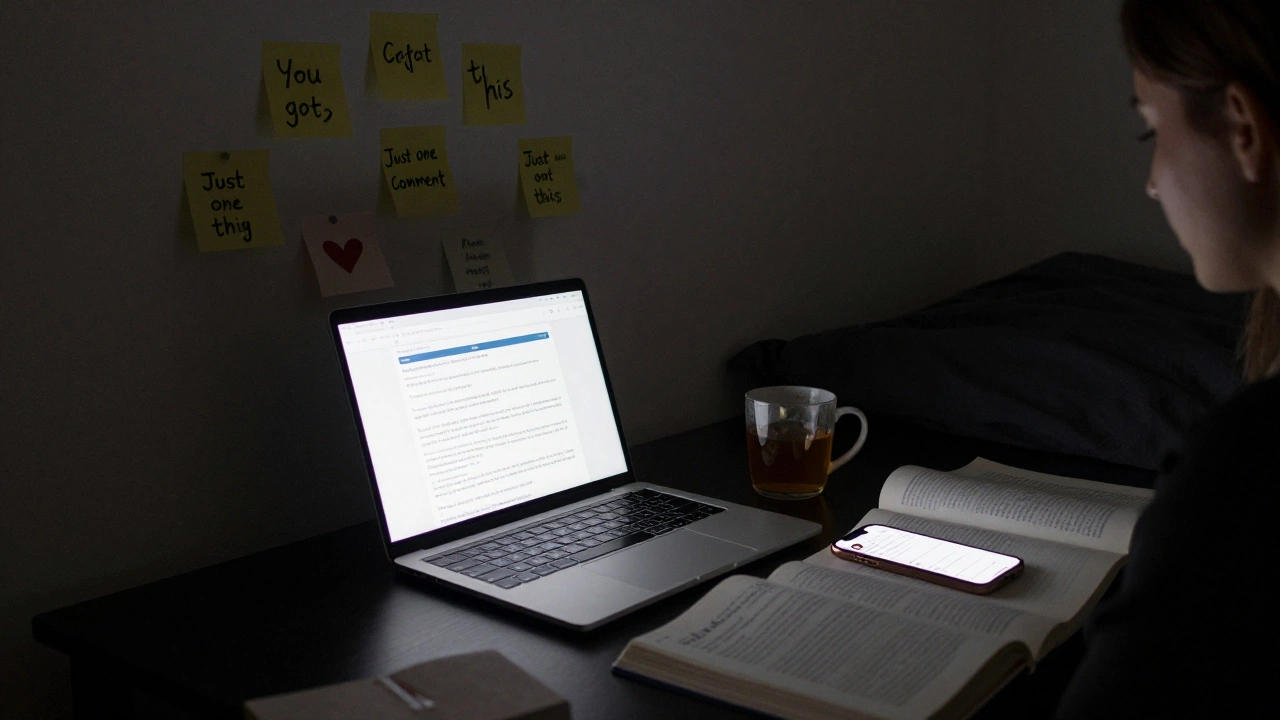
If you're a student in the UK making content-whether it’s blog posts, videos, or social media threads-you’re not alone. But you might feel like you are. Scrolling through Instagram or TikTok, you see others growing, collaborating, and having fun. Meanwhile, you’re stuck in your room, wondering if anyone even notices your work. The truth? You don’t need more followers. You need real connections.
Why UK Student Creators Are Your Secret Weapon
Most students think networking means attending events, handing out business cards, or forcing LinkedIn connections. That’s not what this is. This is about finding people who get it-the late-night editing sessions, the panic before hitting publish, the joy when someone says your post helped them. UK student creators are your peers. They’re juggling essays, part-time jobs, and rent. They’re not corporate influencers. They’re just like you.
When you connect with someone who’s also trying to build something real, you stop feeling like an outlier. You start feeling like part of a movement. And that changes everything.
Where to Find Other Student Creators in the UK
You don’t need to fly to London. You don’t need to pay for a networking event. The people you’re looking for are already online.
- Reddit communities like r/UKStudents and r/Blogging have active student creators sharing their wins and fails. Post a simple question like, “Anyone else struggling to keep up with posting while studying?” and you’ll get replies within hours.
- Discord servers built around student content creation are growing fast. Search for “UK student bloggers” or “student content creators UK” on Discord Discovery. Many are free and invite-only, but you’ll find them through Twitter or Instagram bios.
- Instagram hashtags like #UKStudentBlogger, #StudentCreatorUK, and #UniBlogger are goldmines. Don’t just like posts-comment meaningfully. Say something like, “I loved how you explained your editing workflow. I’m trying to do the same with CapCut-any tips?”
- University clubs often have media or digital content societies. Even if yours doesn’t, start one. All you need is one other person who says yes.
One student in Leeds found her first collaborator by replying to a TikTok comment with a voice note. That voice note led to a joint blog series. No formal pitch. No email chain. Just honesty.
How to Start a Conversation That Actually Leads to Something
Most DMs get ignored because they sound like this: “Hey, wanna collab?”
That’s not a conversation. That’s a sales pitch.
Instead, try this:
- Find someone whose work you genuinely like. Not because they’re popular, but because it made you pause.
- Leave a comment on their latest post. Say something specific: “The part where you talked about failing your first essay but still publishing-it made me feel less alone.”
- Wait a day. If they reply, say: “I’m also trying to build a student blog about mental health and uni life. Would you be open to a quick 10-minute voice note chat?”
- Don’t ask for a collab yet. Ask for advice.
People love helping others who show they’ve paid attention. You’re not asking for a favor. You’re asking for a conversation.
What to Do Once You’ve Made a Connection
Don’t rush. Don’t try to turn every new contact into a business deal. Start small.
- Share each other’s posts-not just once, but regularly. Tag them. Say why you liked it.
- Do a “student creator swap”. Pick one person. You write a post about their work. They write one about yours. Publish on the same day. It’s low effort, high impact.
- Start a group chat. Five people max. No rules. Just share your wins, your struggles, and your weird ideas. One group in Manchester started sharing screenshots of their Google Docs with messy drafts. It turned into a weekly feedback loop.
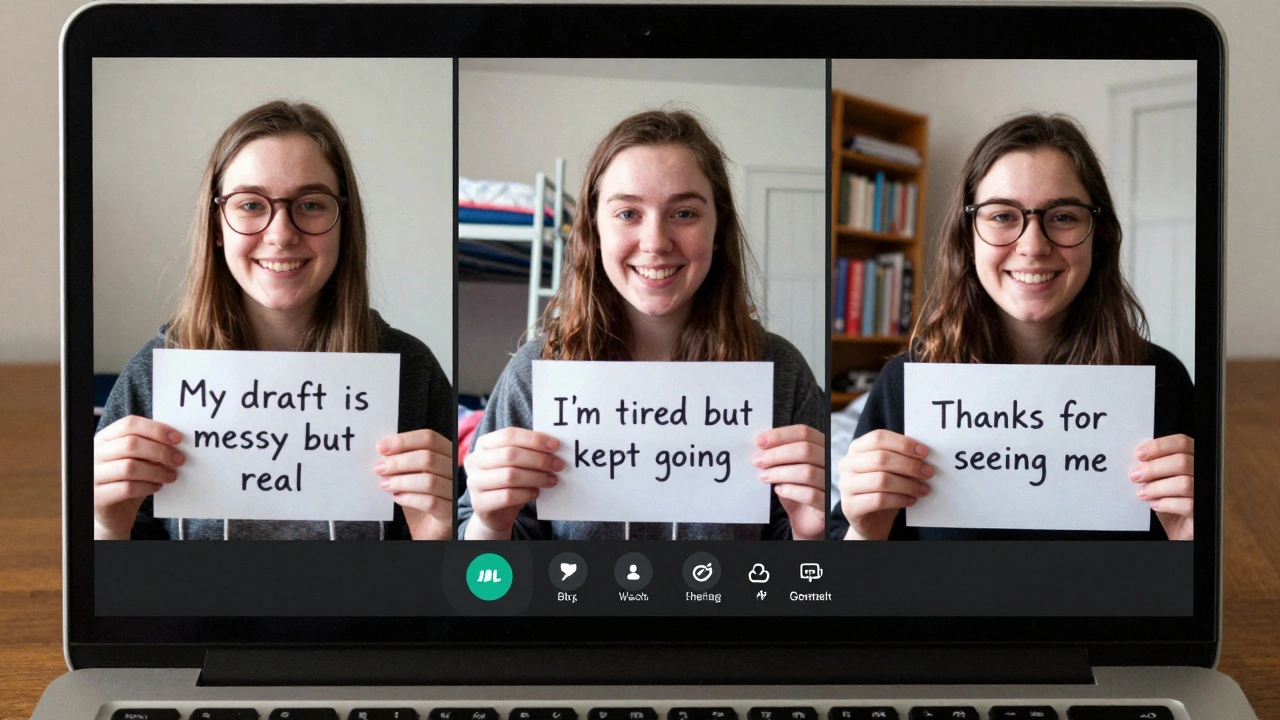
- Host a virtual coffee. Use Zoom or Discord. No agenda. Just 30 minutes of talking about what you’re working on. One student said it was the first time in months she didn’t feel like she was “faking it.”
Real community doesn’t happen in big groups. It happens in quiet, consistent moments.
Why This Matters More Than Your Stats
You might care about follower counts. But here’s what no one tells you: your network is your safety net.
When you’re overwhelmed with deadlines and your blog hits a wall, who do you call? A friend? Maybe. But a fellow student creator? They’ll get it. They’ve been there. They’ll send you a meme. They’ll share your post. They’ll remind you that your voice matters-even if only 12 people read it today.
And when you finally land a small opportunity-a guest post, a scholarship, a feature on a university newsletter-it’s often because someone in your network vouched for you. Not because your follower count was high. Because you showed up, consistently, as yourself.
What Stops People From Doing This (And How to Beat It)
Most students don’t reach out because they think:
- “They’re too busy.” Actually, most are just as lonely as you are.
- “They’ll think I’m weird.” You’re not weird. You’re curious. That’s the best quality a creator can have.
- “I don’t have anything to offer.” You do. Your perspective. Your experience. Your willingness to listen.
Here’s the fix: Start with one person. Not ten. Not five. One. Send one genuine message. One comment. One voice note. That’s enough to start something real.
You don’t need to be perfect. You don’t need a polished brand. You just need to say, “Hey, I see you.”
What Happens When You Build This Community
One student in Glasgow started a simple blog about surviving student debt. She didn’t have 1,000 followers. But she connected with three others-each writing about different parts of student life: mental health, part-time work, and housing. They started sharing each other’s posts. Then they hosted a live Q&A. Then a local university invited them to speak.
They didn’t become influencers. They became a support system. And that’s way more valuable.
Your blog isn’t just a portfolio. It’s a bridge. And the people on the other side? They’re waiting for you to say hello.
Start Today: 3 Simple Actions
You don’t need a plan. You don’t need a schedule. Just do this:
- Find one UK student creator whose work you like. Leave a thoughtful comment on their latest post.
- Join one online space (Reddit, Discord, Instagram hashtag) and post: “Hi, I’m a student blogger. Looking to connect with others. What’s your biggest challenge right now?”
- Set a calendar reminder for next week. Send one DM to someone you’ve interacted with. Just say: “Thanks for your post. I’d love to hear how you’re keeping going.”
That’s it. No fancy tools. No paid courses. Just real human connection.
Community doesn’t build itself. But it grows fast when even one person shows up.
Do I need to be good at writing to network with other student creators?
No. You don’t need to be a perfect writer. You just need to be honest. Many student creators share rough drafts, voice notes, and messy notes. What matters is showing up, asking questions, and listening. People connect with authenticity, not polish.
What if no one replies to my messages?
It happens. Don’t take it personally. Try reaching out to two more people. Most student creators are overwhelmed, not uninterested. Keep going. The right person will respond. And if they don’t, that’s okay-your next step is to post something real and wait for someone to comment on it. Connection often starts from the other side.
Can I network if I’m not on Instagram or TikTok?
Absolutely. Many UK student creators use Reddit, Discord, or even Mastodon. Some still blog on WordPress or Medium. Focus on where you feel most comfortable. Your community is out there-it’s not tied to one platform. Show up where you’re genuine.
Is it okay to ask for collaboration right away?
It’s better to wait. First, build trust. Comment on their work. Share their post. Ask for advice. Once they see you’re consistent and kind, they’ll be more open to working together. Forced collabs rarely last. Organic ones do.
How do I find student creators outside London?
Use location-based hashtags like #BirminghamStudentBlogger or #ManchesterUniCreator. Join university-specific Discord servers. Many students outside London are more active online because they don’t have easy access to in-person events. You’ll find them if you look beyond the big cities.