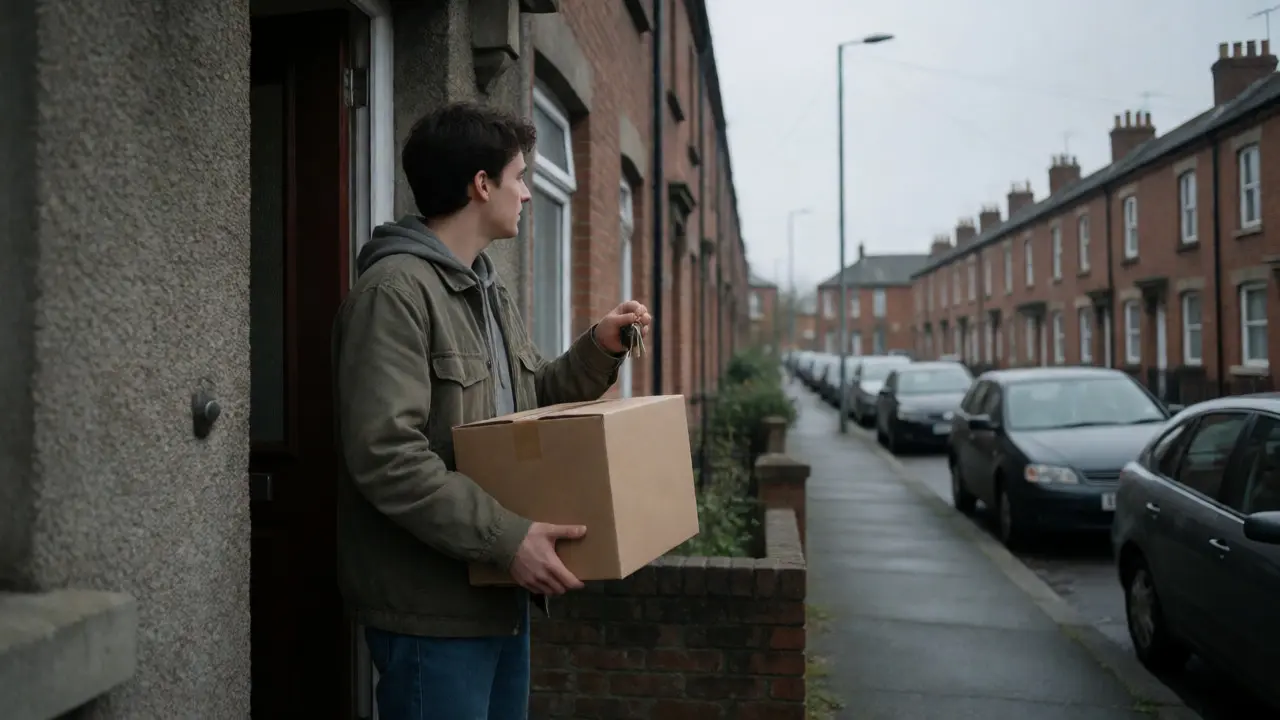
You’ve got your GCSE results, maybe some A-levels, or you’re just done with sharing a bathroom with three other people. The idea of having your own space, your own fridge, and zero parental supervision sounds like freedom. But let’s be real: moving out at 18 in the UK is less about cinematic montages and more about figuring out how to pay for electricity before it gets cut off.
It’s a big leap. You’re going from student halls, where bills are bundled into one scary monthly payment, to independent living in a private rental property where every single thing-water, gas, internet-is on you. This guide cuts through the noise. We’ll look at the actual costs, the legal stuff that actually matters, and the mental shift required to keep your apartment from becoming a disaster zone.
The Financial Reality Check
Money is the biggest shock. In halls, you might have paid £700-£900 a month for everything included. When you move out, that number can drop, but only if you’re smart. If you’re not, it can double.
First, understand what you’re actually paying for. Rent is just the start. Then there’s council tax. Here’s the good news: if you are a full-time student (defined as studying at least 21 hours per week), you are exempt from paying it. You just need to get a certificate from your university and send it to your local council. Do this immediately. If you aren’t a student, or if you’re on a part-time course, you’re liable. That’s usually between £1,000 and £2,000 a year depending on your area.
Then there are utilities. Gas, electricity, water, and broadband. For a one-bedroom flat or a room in a shared house, expect to spend around £150-£250 a month total. Yes, really. Energy prices fluctuate, so use comparison sites like Uswitch or MoneySupermarket to find the best deals. Don’t just stick with the provider the landlord left behind; they’re often expensive standard variable tariffs.
| Expense | Low Estimate (£) | High Estimate (£) | Notes |
|---|---|---|---|
| Rent (Shared House) | 450 | 750 | Varies hugely by city (London vs. North) |
| Council Tax | 0 | 150 | £0 if full-time student; otherwise split among adults |
| Utilities (Gas/Elec/Water) | 80 | 150 | Depends on usage and insulation |
| Broadband | 30 | 50 | Basic fiber packages |
| Groceries | 150 | 250 | Cooking at home saves hundreds |
| Total Estimated | 710 | 1,350 | Before personal spending |
Finding Your Place Without Getting Scammed
Searching for housing online is a minefield. You’ll see listings that look too good to be true. They usually are. Scammers target young renters who are eager to secure a place quickly.
Stick to reputable platforms like Rightmove, Zoopla, SpareRoom, or OpenRent. If you’re looking for a room in a shared house, SpareRoom is particularly useful because you can filter by age and gender, which helps if you want to live with other students or young professionals rather than older couples or families.
Never pay a deposit or rent until you’ve physically seen the property. If an agent says, "I’m away, but I’ll hold it for you if you transfer £500 now," walk away. It’s a classic scam. Also, check if the property has a valid Energy Performance Certificate (EPC). Landlords must provide this. An EPC rating below D means the property is poorly insulated, which equals higher heating bills in winter.

Understanding Your Tenancy Agreement
This is the boring part everyone skips, and then regrets. Your tenancy agreement is a legal contract. Most private rentals in England and Wales use an Assured Shorthold Tenancy (AST). In Scotland, it’s different (Private Residential Tenancy), and in Northern Ireland, it’s another set of rules. Since we’re focusing on the general UK experience, here are the universal red flags:
- Deposit Protection: By law, your landlord must protect your deposit in a government-approved scheme within 30 days of receiving it. Ask for the certificate. If they don’t, you could get up to three times your deposit back later.
- Inventory Report: Insist on a detailed inventory report when you move in. Take photos of every scratch, stain, or broken tile. Email them to the landlord immediately. This protects you when you move out.
- Joint Liability: If you’re renting with friends, check if the lease makes you "jointly and severally liable." This means if your mate stops paying rent, the landlord can chase YOU for their share, not just your mate. It’s risky unless you trust them completely.
The Logistics: What You Actually Need
You don’t need to buy everything at once. Start with the essentials. You can sleep on a mattress on the floor for a week if you have to, but you can’t cook without pots and pans.
Here’s a starter kit checklist that won’t break the bank:
- Sleeping: Mattress (buy second-hand on Facebook Marketplace), bedding, pillows.
- Kitchen: One large pot, one frying pan, a knife, a cutting board, a mug, a plate, a bowl, cutlery. You can eat cereal from a bowl. You don’t need a toaster yet.
- Cleaning: Bin bags, washing-up liquid, a sponge, toilet brush, laundry detergent.
- Tech: Phone charger, laptop, extension lead.
Shop at charity shops like Oxfam or British Heart Foundation. They’re everywhere in the UK, and they sell decent furniture and kitchenware for pennies. IKEA is also a staple, but delivery fees can add up. Pick up in-store is cheaper.

Mental Health and Independence
Living alone, or even with strangers, can be lonely. Student halls are noisy and chaotic, but you’re never truly alone. When you move out, silence hits hard. You might feel isolated, especially if your friends are still in halls or moved to different cities.
Build a routine. Cook dinner, even if it’s just pasta. Clean your space regularly-a messy flat affects your mood more than you think. Invite people over. Host a cheap dinner party. It’s easier to make friends when you’re not in a structured academic environment.
Also, learn to ask for help. Whether it’s calling your parents when the boiler breaks or texting a friend when you’re feeling down, independence doesn’t mean isolation. It means managing your life while knowing when to lean on others.
Managing Bills and Budgeting
Set up direct debits for all fixed costs (rent, broadband) right away. This ensures you never miss a payment, which hurts your credit score. Keep a separate account for variable bills (utilities, groceries) so you can track spending easily.
Use budgeting apps like Monzo or Starling Bank. They categorize transactions automatically, so you can see exactly how much you spent on takeaways last month. Spoiler: it’s probably more than you thought.
If you’re struggling financially, look into support options. Many universities offer hardship funds for students who move out. Local councils may have discretionary housing payments if you’re on low income. Don’t let pride stop you from asking.
Do I have to pay council tax if I move out at 18?
If you are enrolled in a full-time course at a recognized educational institution, you are exempt from council tax. You must apply for the exemption by sending a certificate from your university to your local council. If you are not a full-time student, you will likely have to pay it unless everyone else in the household is also exempt.
Can my parents refuse to let me move out?
Legally, no. At 18, you are an adult in the UK. However, if you live with your parents, you are not under a formal tenancy agreement usually, so they can ask you to leave. Conversely, you cannot force them to pay for your new place unless you have a prior financial agreement.
What happens if my landlord keeps my deposit unfairly?
You should first try to resolve it informally. If that fails, contact the deposit protection scheme holding your money. They offer free dispute resolution services. You’ll need evidence, such as your initial inventory report and dated photos, to prove the damage wasn't caused by you.
Is it cheaper to live in a shared house or a studio?
A room in a shared house is almost always cheaper than a studio apartment. Studios offer privacy but come with higher rents and often higher utility costs since you’re heating a whole unit alone. Shared houses allow you to split bills and sometimes have communal spaces, making them better for socializing and saving money.
How much notice do I need to give to leave a rental?
This depends on your tenancy agreement. Typically, after the fixed term ends, you need to give one month's written notice. During the fixed term, you generally cannot leave early unless the landlord agrees to re-let the property or you have a break clause in your contract.