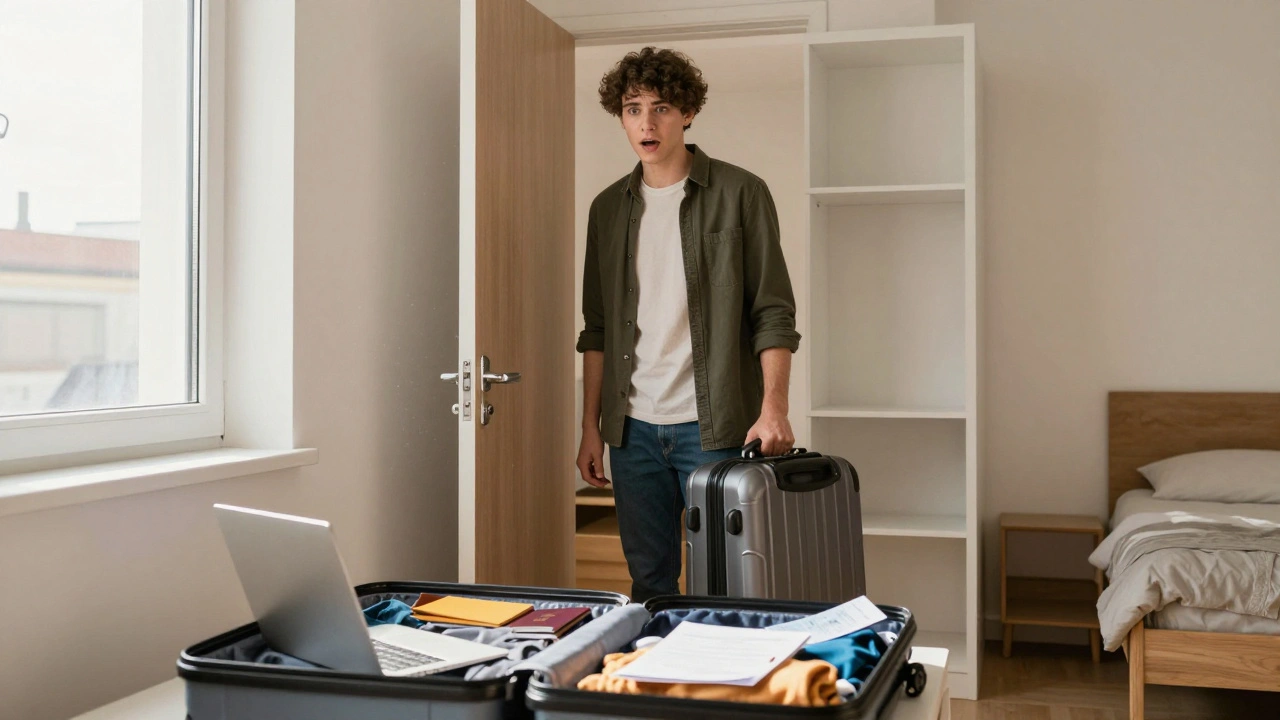
You’ve packed your life into suitcases, dragged them through airports, and finally arrived at your new flat in the UK. The excitement is real, but so is the panic when you realize you forgot a kettle or that your duvet cover doesn’t fit the bed. Moving to the UK for university is a massive transition, and getting the logistics right can save you from sleeping on a mattress on the floor or eating cold beans out of a tin.
This isn't just about packing clothes; it's about strategic preparation. You need to know exactly what to haul across the Atlantic (or wherever you're coming from) and what to pick up locally to save money and space. Here is your no-nonsense guide to surviving move-in day.
The Golden Rule: Volume vs. Value
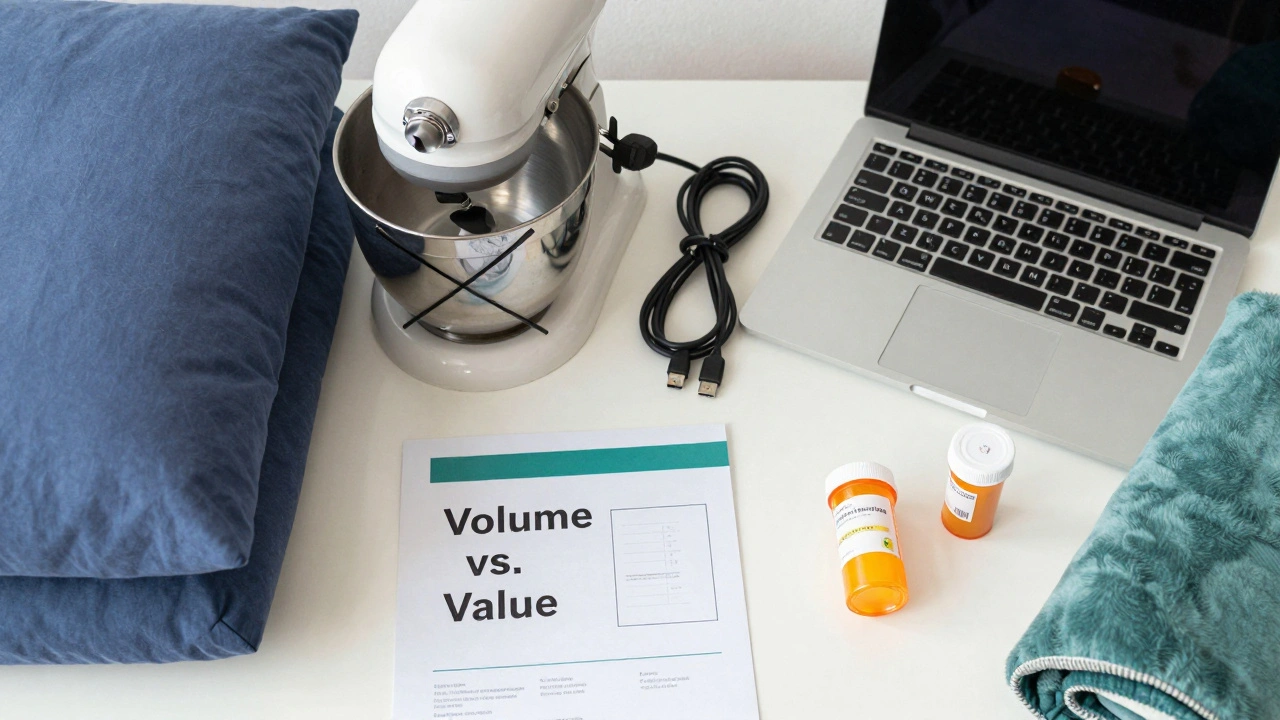
Before you zip up a single bag, apply the 'Volume vs. Value' test. If an item is bulky, heavy, or cheap to replace, leave it behind. If it’s sentimental, hard to find, or expensive, bring it. Shipping a full set of bedding from overseas is a nightmare. It takes up half your suitcase and costs a fortune if you exceed baggage limits. In the UK, you can buy a decent duvet set for £30-£40. That’s a fraction of the cost of excess baggage fees.
Think about your living space too. Most UK student accommodations are compact. Shared flats often mean small kitchens with limited counter space. Don't bring a massive stand mixer unless you’re serious about baking. A simple hand blender or a multi-cooker fits better and serves more purposes.
What to Definitely Bring From Home
Some things are worth the weight in your luggage. These items are either personal necessities or significantly cheaper/higher quality back home.
- Specialist Medications: Even if you plan to register with a GP, bring enough of your prescription meds to last two months. Setting up NHS care takes time, and stock issues happen. Always carry these in your cabin bag with the original packaging and a copy of your prescription.
- Electronics & Cables: Laptops, tablets, and phones are pricey everywhere. But specific chargers, adapters, or niche tech accessories might be harder to find or more expensive in the UK. Bring extra USB-C cables, headphones, and any specialized gear for your course.
- Comfort Items: A favorite pillow, a weighted blanket, or specific toiletries you swear by. These provide emotional comfort during the first lonely weeks. Just remember, pillows are bulky-compress them in vacuum bags if you must.
- Important Documents: Your passport, visa decision letter, CAS statement, and proof of funds. Keep digital copies in the cloud, but have physical backups in a separate bag from your main luggage. You’ll need these for bank accounts and ID checks.
- High-Quality Clothing: If you have expensive coats, boots, or shoes that fit perfectly, bring them. UK fashion brands like Next or Primark are affordable, but finding specific sizes or high-end styles can be tricky and costly.
What to Buy in the UK (And Where)
Your goal is to arrive light and shop smart. The UK has incredible retail options for students, from discount stores to online giants. Here’s what you should wait to buy until you land.
| Category | Buy in UK | Bring from Home |
|---|---|---|
| Bedding | Duvet covers, sheets, pillowcases (standard UK size is different!) | Pillows (if preferred), weighted blankets |
| Kitchenware | Kettle, toaster, plates, cutlery, basic cookware | Specialty spices, unique condiments, high-end knives |
| Toiletries | Shampoo, soap, toothpaste, deodorant | Prescription meds, sensitive skin products, specific haircare |
| Cleaning Supplies | Vacuum (cordless stick), mops, buckets, all-purpose cleaners | N/A |
| Electronics | Power strips, extension leads, lamps | Laptop, phone, tablet, cameras |
Key Shopping Destinations:
- Tesco: The go-to supermarket for groceries and household basics. They offer a 'Clubcard' which gives discounts. Look for their 'Finest' range for higher quality food, or 'Value' range for budget staples.
- Aldi/Lidl: Discount supermarkets. Incredible value for cleaning supplies, basic toiletries, and even some kitchen gadgets. Go here for your initial stocking-up trip.
- B&M / Poundland: Great for cheap homeware, storage boxes, hangers, and basic kitchen tools. Perfect for furnishing a room on a shoestring budget.
- Amazon UK: For anything you can’t find locally. Prime delivery is fast, but check return policies. Good for electronics and books.
- Primark: For affordable clothing and some basic homeware. Check sizes carefully as they run small.
The Bedding Trap: Sizes Matter
This is the number one mistake international students make. US and European bedding sizes do not match UK standards. A 'Queen' sheet from the US will not fit a UK 'Double' bed. A 'King' duvet from Europe might be too narrow for a UK 'King' bed.
UK Bed Sizes:
- Single: 90cm x 190cm (Common in shared dorms)
- Small Double: 120cm x 190cm
- Double: 135cm x 190cm (Most common in private flats)
- King: 150cm x 200cm
- Super King: 180cm x 200cm
Measure your bed before you leave if possible. If you can’t, assume a Single or Small Double. Buy bedding in the UK to be safe. A good rule of thumb: bring your pillow and mattress topper (if essential), but buy sheets and duvet covers locally.
Kitchen Essentials: The First Week Survival Kit
You won’t want to cook elaborate meals immediately. Focus on easy, comforting foods that require minimal equipment. Your flat might not have a fully equipped kitchen, especially in purpose-built student accommodation (PBSA).
Must-Have Kitchen Items:
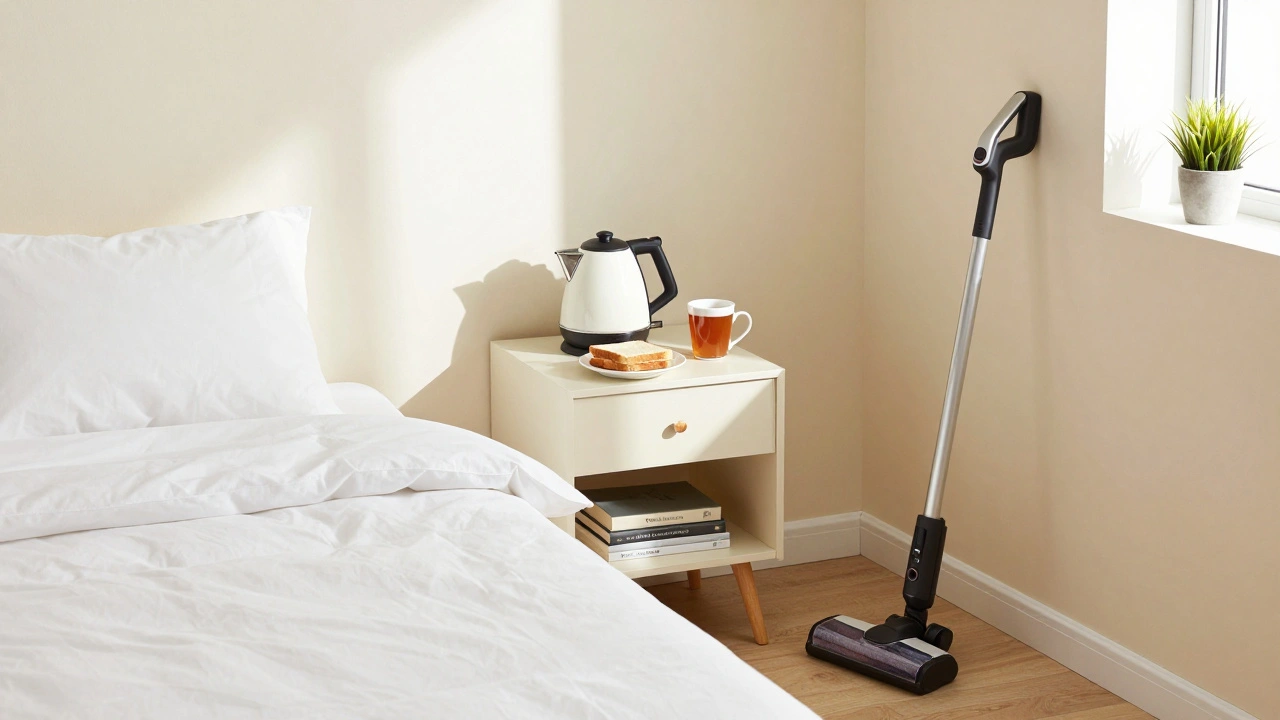
- Kettle: Non-negotiable. Tea and coffee are cultural staples, and hot water is needed for instant noodles, soups, and pasta.
- One Pot/Saucepan: A large non-stick pan is versatile. You can boil pasta, fry eggs, and make stir-fries.
- Microwave-Safe Bowl: For reheating leftovers or quick meals.
- Cutlery Set: At least four sets of forks, knives, and spoons. You’ll likely share meals with housemates.
- Storage Containers: Glass or plastic containers with lids for storing leftovers and bulk buys from Aldi.
First-Week Food List:
- Frozen pizza or pies (Tesco own-brand is decent)
- Instant noodles and soup sachets
- Bread, butter, and jam
- Tea bags and coffee pods/beans
- Fruit and vegetables that don’t spoil quickly (apples, bananas, carrots)
- Snacks: crisps, nuts, chocolate
Setting Up Utilities and Admin
Don’t wait until you’re settled to handle admin. Do this within your first three days.
- Get a UK SIM Card: Use your eSIM or buy a local SIM (Three, EE, O2, Vodafone). Three offers a 'Roam Free' deal for travelers, but a local plan is cheaper long-term. You’ll need a UK number for bank verification and service appointments.
- Open a Bank Account: Monzo and Starling are popular digital banks for students because they’re app-based and quick to set up. Traditional banks like Barclays or HSBC take longer and require more documentation. Bring your visa, passport, and proof of address (your tenancy agreement or university letter).
- Register with a GP: Find a local General Practitioner (GP) surgery. Register online or call ahead. You may need to fill out a form and show proof of address. This is crucial for healthcare access beyond emergencies.
- Check Electricity/Gas/Broadband: In PBSA, bills are usually included in rent. In private rentals, you’ll need to transfer utilities into your name. Contact the providers early. Broadband setup can take weeks, so book it immediately upon arrival.
Safety and Security Basics
UK cities are generally safe, but crime exists. Be smart from day one.
- Lock Your Door: Always use deadbolts and chain locks. Never let strangers in without verifying their identity (e.g., meter readers, deliveries).
- Hide Valuables: Don’t leave laptops or cash on windowsills. Use a lockable box or drawer for passports and electronics.
- Know Emergency Numbers: Dial 999 for police, fire, or ambulance. 111 for non-emergency medical help. Save these in your phone.
- Join Local Community Groups: Facebook groups for your university or neighborhood are goldmines for advice, second-hand furniture sales, and safety alerts.
Should I bring my own washing machine?
No. Washing machines are bulky, heavy, and difficult to transport. Most UK student accommodations have communal laundry rooms with coin-operated or card-pay machines. If you live in a private rental, check if one is included. If not, buying a used one locally from Facebook Marketplace or Gumtree is much cheaper and easier than shipping one.
Can I use my US electrical appliances in the UK?
You need a plug adapter, but be careful with voltage. The UK uses 230V/50Hz. Most modern electronics (phones, laptops) are dual-voltage (100-240V), so they work fine with just an adapter. However, heating appliances like hair dryers, straighteners, or kettles rated only for 110V will overheat and potentially cause fires. Do not bring these unless they explicitly state they support 220-240V.
How much should I budget for initial shopping?
Plan for £200-£300 for your first month. This covers bedding, basic kitchenware, cleaning supplies, and initial groceries. If you need furniture (desk, chair, wardrobe), add another £100-£200, depending on whether you buy second-hand. Always keep a buffer for unexpected expenses like utility deposits or travel cards.
Is it better to rent or buy furniture?
For short stays (one year), renting or buying second-hand is smarter. IKEA offers 'As-Is' deals for discounted items, and Facebook Marketplace is full of students leaving at the end of the academic year. Buying new from retailers like John Lewis or Argos is expensive and unnecessary for temporary housing. Sell your items back to fellow students when you leave to recoup costs.
What if my accommodation isn’t ready when I arrive?
Contact your university’s accommodation office immediately. They often have emergency hostel bookings or partner hotels for a few nights. Avoid booking your flight to arrive before your official start date unless you have confirmed alternative lodging. Arriving early without a place to stay can lead to stressful and expensive situations.