Quick Guide: Who is Responsible?
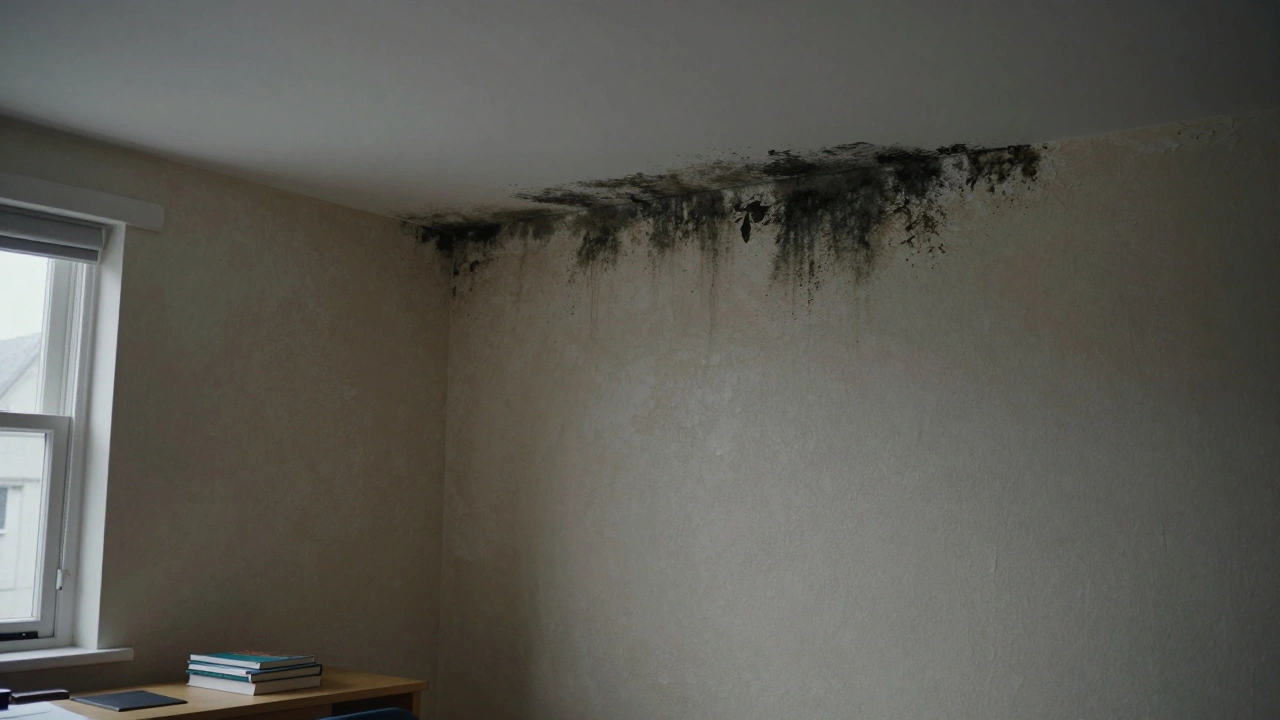
Before you start an argument with your landlord, you need to know where the blame actually lies. It usually comes down to two things: structural issues and lifestyle habits. If water is leaking through a pipe or the roof is porous, that's a structural failure. If you're drying all your laundry on a radiator in a tiny room with no ventilation, that's a lifestyle issue. However, even if you're "causing" some moisture, the house must still have basic ventilation-like working extractor fans in the bathroom-to prevent mould from taking over.
| Issue | Who is usually responsible? | Common Cause |
|---|---|---|
| Rising Damp | Landlord | Failed damp-proof course in the walls |
| Penetrating Damp | Landlord | Leaking gutters or cracked external bricks |
| Condensation Mould | Shared / Landlord | Lack of ventilation or poor insulation |
| Pipe Leaks | Landlord | Burst pipes or faulty plumbing |
| Extreme Humidity | Tenant | Drying clothes indoors without ventilation |
The Law and Your Tenancy Agreement
Many students think their Tenancy Agreement (the contract you signed) overrides the law. It doesn't. If a contract says "the tenant is responsible for all mould," but the mould is caused by a leaking roof, that clause is often legally unenforceable. Under the Homes (Fitness for Human Habitation) Act 2018, landlords must ensure the property is fit for human habitation. If mould is so severe that it affects your health or makes a room unusable, the property is technically unfit.
You also have the right to "quiet enjoyment" of your property. This doesn't mean you can't have noise; it means you have the right to live in your home without constant interference or the stress of living in a hazardous environment. If your landlord ignores your reports, they are failing in their duty of care. Remember, paying rent isn't a favor you're doing for them; it's a legal transaction where you pay for a safe, habitable space.
How to Document the Damage
If you just send a text saying "there's mould in my room," your landlord might ignore it or forget. You need a paper trail that would hold up in court or at a tribunal. Start by taking high-resolution photos. Don't just take one wide shot; take close-ups of the mould and wide shots to show exactly where it is in the room. Use a date-stamp app or ensure your phone's metadata is active.
Write a formal email. Avoid using WhatsApp for the first official notification because emails are easier to archive and present as evidence. In your email, be specific: "There is a patch of black mould measuring approximately 30cm by 30cm on the north-facing wall of the bedroom." Ask for a timeline for the repair. If they don't respond within 14 days, send a follow-up. This establishes that you gave them a reasonable opportunity to fix the problem, which is crucial if you later decide to seek a rent reduction or a deposit return.
Dealing with the Landlord and Agent
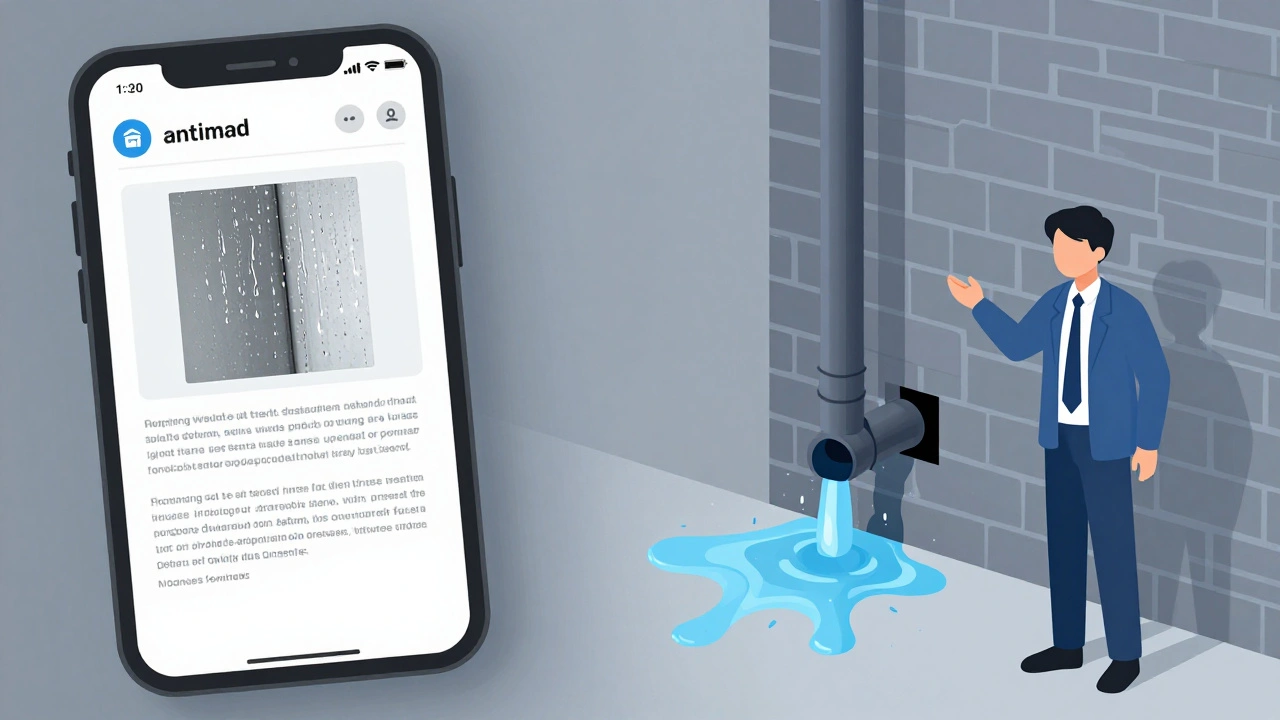
When you first report the issue, most landlords will try the "lifestyle" excuse. They'll tell you to open your windows. While airing out a room is good advice, it's not a cure for a leaking pipe. If they insist it's your fault, ask them for a professional damp survey. A qualified surveyor can tell the difference between condensation (tenant) and penetration (landlord). If the landlord refuses to call a pro, you can contact your university's housing office.
Most UK universities have a Student Union with a dedicated housing advice center. These teams deal with the same landlords every year and know who is likely to fix things and who is likely to lie. They can often act as a mediator or provide a legal template for a formal letter of complaint. Having a university official CC'd on an email often magically makes landlords move faster.
Practical Steps to Manage Damp
While you fight the legal battle, you still have to live in the room. Using a bleach-based spray is a temporary fix; it kills the surface mould but doesn't stop it from coming back if the wall is still wet. A better approach is using a vinegar solution or a dedicated fungicidal wash. However, if the mould is covering more than a square meter of wall, stop scrubbing it yourself-disturbing large amounts of mould spores can irritate your lungs.
To reduce condensation, try these specific habits:
- Keep the bathroom door closed when showering and keep the extractor fan running for 15 minutes after you finish.
- Avoid drying wet clothes on radiators. Use a drying rack in a room with an open window or use the tumble dryer if available.
- Leave a small gap between your wardrobe and the wall. Pushing furniture flush against a cold external wall creates a "dead air" zone where mould loves to grow.
- Keep the heating on a low, constant setting (around 15-18°C) rather than blasting it for one hour and then letting the room go freezing. This prevents the walls from reaching the "dew point" where water condenses.

When to Take Formal Action
If the landlord refuses to act and the mould is impacting your health, you can contact the Environmental Health Department at your local council. They have the power to inspect the property and issue an "improvement notice." This is a legal order forcing the landlord to carry out specific repairs within a set timeframe. Landlords hate these notices because they are official records of failure.
Do NOT simply stop paying your rent. This is the most common mistake students make. In the UK, you do not have a legal right to withhold rent because of repairs. If you stop paying, you are in breach of your contract, and the landlord can start eviction proceedings regardless of the mould. Instead, pay your rent "under protest" and pursue a rent rebate through the First-tier Tribunal (Property Chamber) or via a small claims court after your tenancy ends.
Can I get my deposit back if the landlord claims I caused the mould?
Yes, as long as you have evidence. If you have emails showing you reported the damp early on and photos showing the mould was caused by structural issues, the landlord cannot legally deduct from your deposit. All deposits in the UK must be held in a government-approved protection scheme (like DPS or MyDeposits). If the landlord tries to keep your money, you can raise a dispute through the scheme's free arbitration service.
Is black mould dangerous to my health?
It can be. While not all mould is toxic, many common household moulds produce spores that can cause respiratory issues, allergic reactions, and headaches. If you have asthma or a weakened immune system, mould is a significant health risk. If you experience a persistent cough or shortness of breath, see a GP and tell them about the conditions in your housing.
What should I do if my landlord ignores my emails for weeks?
First, send a "Letter Before Action." This is a formal letter stating that if the repairs are not started within a specific timeframe (usually 14 days), you will escalate the matter to the local council's Environmental Health department and the university's housing office. Often, the mere mention of the council is enough to prompt a response.
Does the landlord have to pay for a dehumidifier?
Technically, they aren't required to provide a dehumidifier as a standard piece of furniture. However, if the property is structurally damp, a dehumidifier is a mitigation tool. You can request one as part of a compromise to keep the air dry while the landlord works on the structural fix, or you can buy one and request the cost be deducted from your rent (though this must be agreed upon in writing first).
Can I break my lease if the mould is too bad?
Breaking a lease is difficult and risky. You can only do so if the property is deemed "uninhabitable," which is a high legal bar. Before doing this, you must have a professional report (from the council or a surveyor) stating the property is unsafe. We strongly recommend speaking to your Student Union's legal advisors before moving out, as you might still be liable for the rent if you leave without a legal basis.
Next Steps for Different Scenarios
If you just noticed the mould: Document it, email the landlord immediately, and start the ventilation habits mentioned above. Don't wait for it to spread.
If the landlord says it's your fault: Gather your evidence, contact your Student Union, and request a professional damp survey. Do not argue over the phone; keep everything in writing.
If the mould is making you sick: Visit a doctor first. Then, contact the Local Council's Environmental Health team for an urgent inspection. Your health takes priority over your tenancy contract.