
Being a student in the UK doesn’t mean you have to live on instant noodles and bus rides. With the right tricks, you can cut your monthly spending by hundreds of pounds without giving up the things you actually need. It’s not about being cheap-it’s about being smart. And plenty of students are already doing it.
Get a 16-25 Railcard (or 26-30 Railcard)
If you travel by train even once a month, this is the single biggest money-saver most students overlook. The 16-25 Railcard costs £30 a year and gives you one-third off most rail fares. That’s not just for long-distance trips-it applies to your daily commute, weekend visits home, or even a quick trip to Manchester for a gig.
For example, a standard £60 return ticket to Leeds drops to £40. Do that twice a month? You’re saving £40 a month, or £480 a year. And yes, it covers off-peak and peak times, including on National Rail services. The 26-30 Railcard works the same way-if you’re over 25 but still in school, you’re eligible. You can buy it online in minutes and link it to your Oyster card or use the app to scan at the gate.
Use student discount platforms before you buy anything
Before you pay for anything-clothes, tech, makeup, gym memberships, or even Netflix-check if you’re eligible for a student discount. Sites like UNiDAYS and Student Beans partner with over 2,000 brands. Amazon Prime Student gives you six months free, then half price. Spotify Student is £5.99/month instead of £10.99. Even ASOS, Zara, and Apple offer 10% off.
It’s not just big brands. Local coffee shops, laundromats, and even nail salons in student areas often have hidden discounts. Just ask. Many don’t advertise them, but they’ll give you 10% off if you show your student ID. Keep your ID on you. It’s worth more than you think.
Shop smart at the supermarket
Grocery bills eat up half your maintenance loan. But you don’t need to eat beans every night to save. Start by comparing unit prices-not total prices. A £1.50 pack of 6 eggs is cheaper than a £1.20 pack of 4. Look at the small print on the shelf.
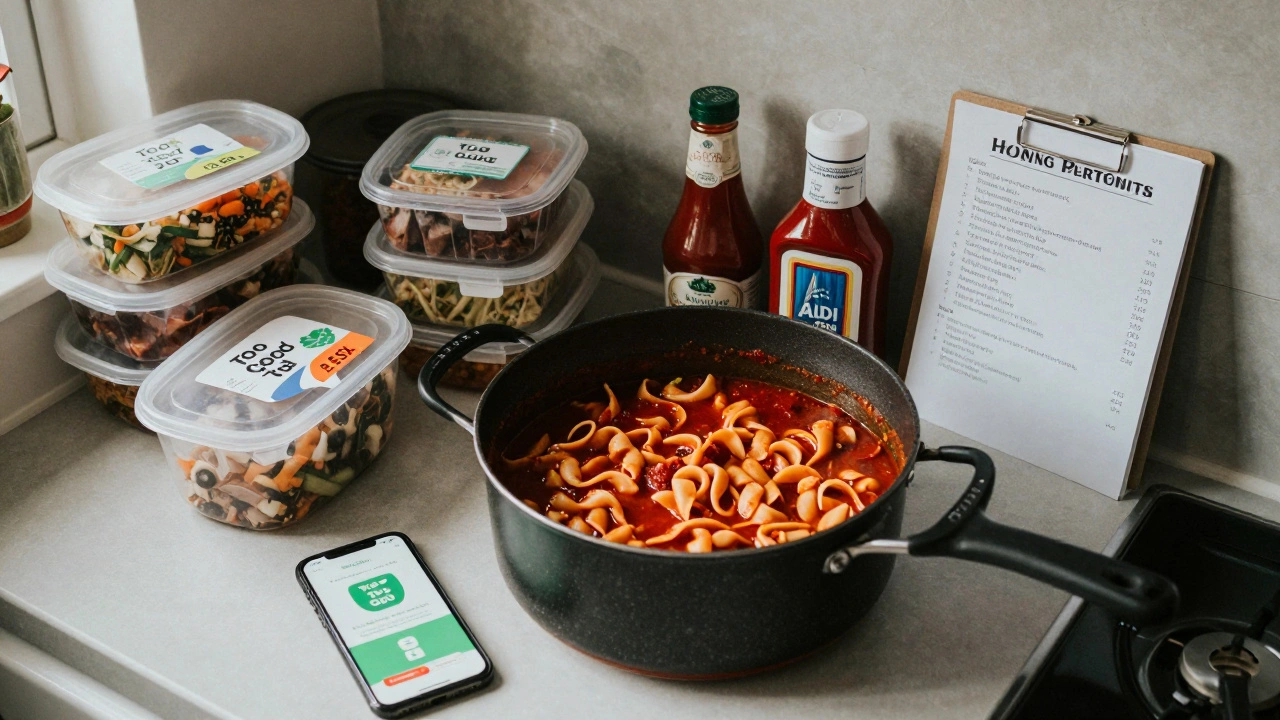
Buy own-brand. Aldi and Lidl aren’t just cheap-they’re often the same products as Tesco or Sainsbury’s, just without the branding. A £1.20 bottle of ketchup at Aldi is identical to the £2.50 one at Waitrose. Same for pasta, rice, tinned tomatoes, and cereal.
Use apps like Too Good To Go and Olio. Too Good To Go lets you buy surprise bags of unsold food from local shops for £3-£5. You might get a full meal deal from a café, or a pack of bread, yogurt, and fruit. Olio connects you with neighbors who are giving away extra groceries. One student in Birmingham got free milk, eggs, and veggies every week for months just by signing up.
Claim every benefit you’re entitled to
Many students don’t realize they qualify for things like Council Tax Exemption. If you live in a house with other full-time students, you don’t pay Council Tax at all. You just need to apply for a student certificate from your uni and send it to your local council. It’s free, and it can save you £1,000+ a year.
Also check if you’re eligible for the Discretionary Housing Payment if rent is too high. Some universities offer hardship funds-£500-£2,000 grants you don’t have to repay. You don’t need to be in crisis to apply. Just having trouble making ends meet counts. Talk to your student support office. They’ve helped hundreds of students like you.
Switch to student bank accounts-then forget about them
Student bank accounts aren’t just for freebies. They’re designed to help you manage money. Most offer an interest-free overdraft-up to £2,000 in some cases. That’s not free money, but it’s a safety net if you’re short before your loan arrives.
But here’s the catch: don’t get tempted to spend it. The best move is to open one account, get your loan direct into it, and then transfer only what you need each week to a separate spending account. That way, you see your balance drop slowly-and you’re less likely to overspend.
Compare the overdraft limits. NatWest, Barclays, and HSBC all offer up to £2,000, but some have better perks. Santander gives you £125 free cash when you open an account. Lloyds offers free Oyster card top-ups. Pick one that matches your habits.
Use your library-not just for books
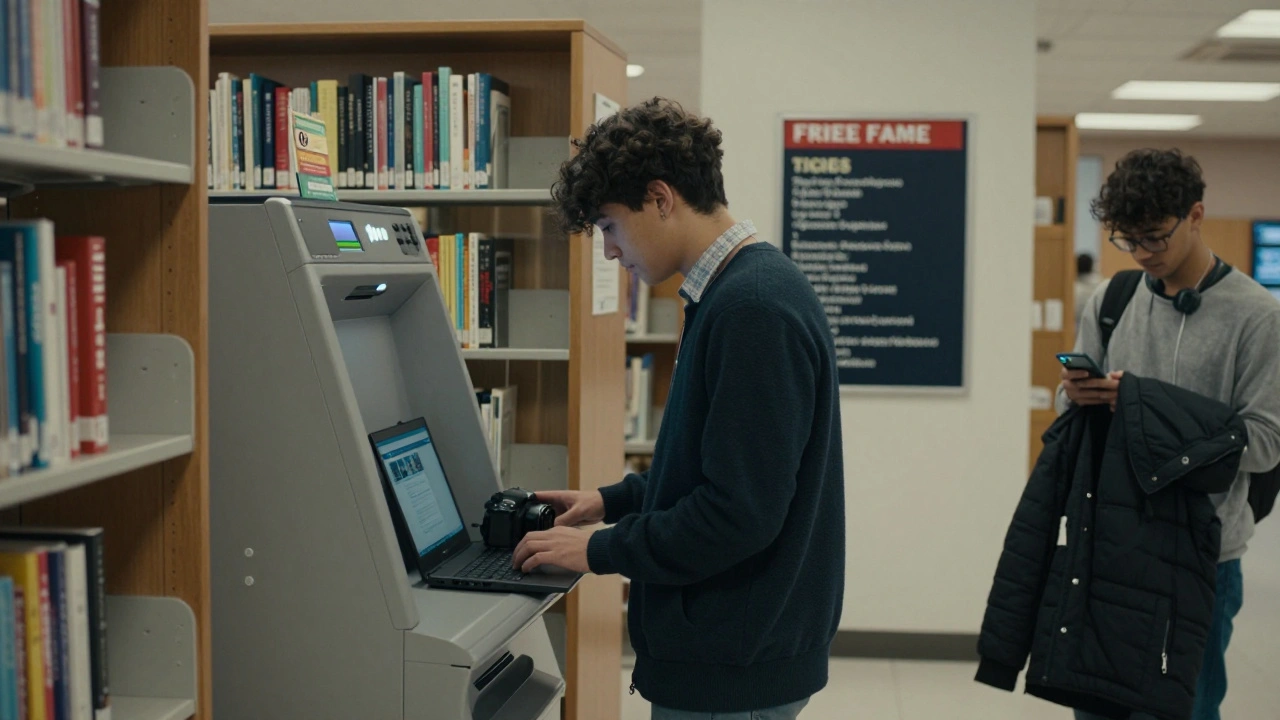
Your university library is a goldmine. You can borrow laptops, chargers, cameras, and even gaming consoles. Many libraries offer free printing (usually 10-20 pages a week), access to academic journals, and quiet study spaces.
But don’t stop there. Your local public library often has free Wi-Fi, computer access, and even free courses on Excel, coding, or resume writing. Some even lend out ukuleles, sewing machines, and tools. Yes, tools. One student in Glasgow borrowed a drill and a set of screwdrivers to fix his broken bed frame-free of charge.
Share, swap, and borrow
Why buy a textbook you’ll only use for one semester? Use BookMooch or your university’s Facebook group to swap books. Most students are happy to trade. You can also rent textbooks from sites like Book Depository or Amazon Textbook Rental for under £10 a term.
Same goes for clothes. Try Depop or Vinted to sell old stuff and buy secondhand. A £40 coat from Topshop can be found for £8 on Vinted. You’ll save money and reduce waste.
For electronics, check out StudentCrowd or your uni’s noticeboard. Someone’s selling their old laptop for £100 because they upgraded. That’s a £600 savings.
Plan meals, cook once, eat twice
Meal prep isn’t just for fitness influencers. It’s a survival skill for students. Cook a big pot of pasta sauce on Sunday. Use it for pasta on Monday, bake it into a lasagna on Wednesday, and toss it with rice on Friday. One pot, three meals, £2 in ingredients.
Batch-cook soups, stews, and curries. Freeze them in portions. You’ll avoid takeaways on tired nights-and save £8-£12 per meal. That’s £100+ a month.
Use apps like Mealime or Yummly to find recipes based on what’s on sale. They’ll tell you how to use up leftover veggies before they go bad.
Don’t pay for things you can get free
Free events are everywhere. Uni societies host free movie nights, pub quizzes, and guest talks. Local museums are often free (Tate Modern, British Museum, V&A). Check your city’s event calendar-there’s always a free concert, art exhibit, or festival happening.
Join your university’s student union. You get free access to gyms, cinema tickets, and trips. One student in Leeds got a free weekend in Edinburgh through the union’s travel scheme. No one paid a penny.
And if you’re studying STEM? Use GitHub Student Developer Pack for free access to coding tools, cloud credits, and software like Figma, Notion, and Autodesk. That’s over £1,000 in free software.
Track your spending-for 7 days, not forever
You don’t need to become a spreadsheet wizard. Just track every pound you spend for one week. Use your bank app. Write it down on a napkin. Whatever works.
At the end of the week, you’ll see where the money’s really going. Maybe it’s £5 coffees every morning. Or £15 on snacks after class. Or £20 on impulse buys on Amazon. Once you see it, you’ll stop.
Set a weekly budget-say £60 for food, £20 for transport, £10 for fun. Stick to it for two weeks. You’ll be surprised how easy it gets.
It’s not about having more-it’s about using what you have
Student life isn’t about living like a millionaire. It’s about living smart. The people who save the most aren’t the ones with the biggest loans-they’re the ones who know where to look. Railcards, student apps, library tools, and batch cooking don’t require magic. Just consistency.
Start with one hack this week. Get the Railcard. Download Student Beans. Cook one extra meal. That’s enough. The rest will follow.
Can I get a Railcard if I’m over 25?
Yes. If you’re between 26 and 30 and enrolled in a full-time course, you can get the 26-30 Railcard. It works exactly like the 16-25 version-1/3 off rail fares for £30 a year. You need proof of enrollment, like a student ID or a letter from your uni.
Do student discounts work on Amazon Prime?
Yes. Amazon Prime Student offers six months free, then 50% off the regular price. You get free delivery, Prime Video, and Prime Music. You need to verify your student status with your university email. After six months, you’ll be charged £4.99/month instead of £8.99.
Is it worth getting a student bank account?
Only if you use the overdraft wisely. The interest-free overdraft can be a lifeline when your loan is delayed. But if you spend it all, you’ll be stuck paying it back later. The real benefit is the freebies-cash bonuses, Oyster top-ups, or discounts. Compare offers before signing up.
Can I get free food as a student?
Not directly, but you can get it cheaply. Use Too Good To Go for £3 surprise food bags, or Olio for free leftovers from neighbors. Some universities run food banks for students in need. Ask your student union-they often have info on free meals during exam season.
How much can I realistically save each month?
Most students save between £150 and £300 a month by combining just 3-4 of these hacks. The Railcard alone saves £40-£80. Student discounts add another £30-£60. Grocery swaps and meal prep cut £50-£100. Throw in free events and library tools, and you’re easily saving £200+ without changing your lifestyle.