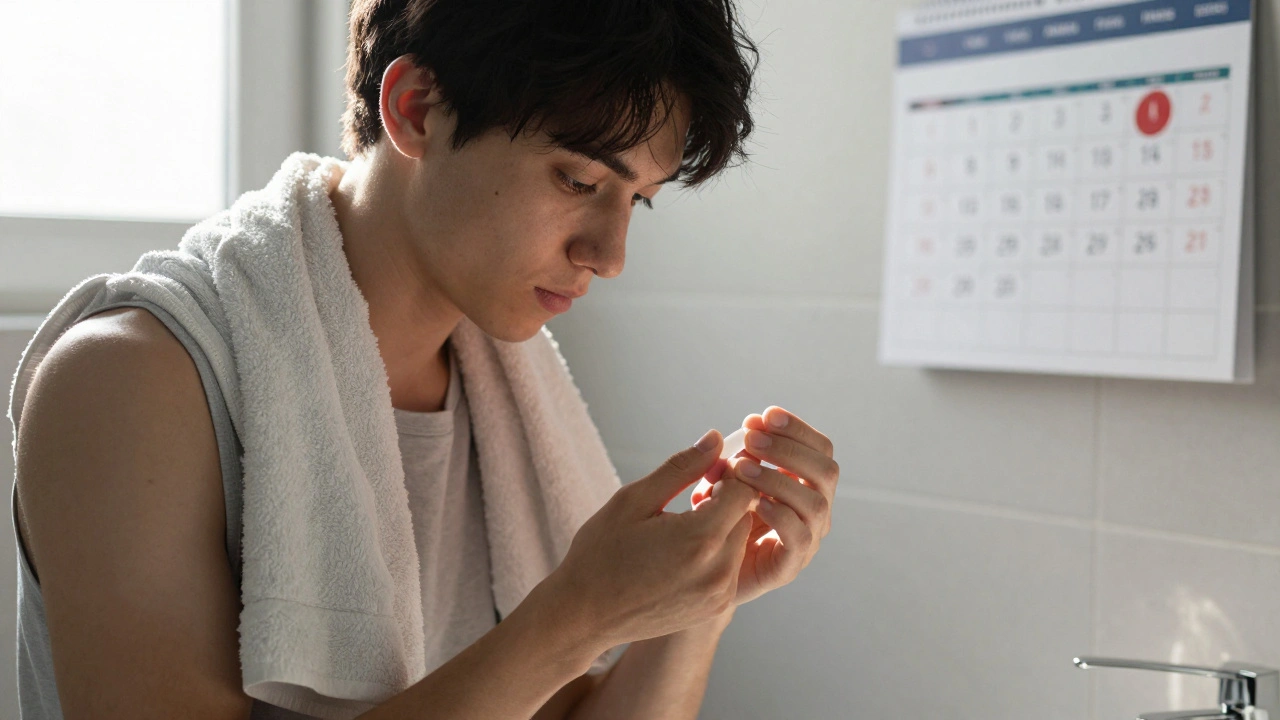
One in four UK male students won’t see a doctor until something hurts badly. That’s not bravery-it’s a risk. Between lectures, part-time jobs, and social pressure, guys often ignore their bodies until it’s too late. But men’s health isn’t just about gym gains or protein shakes. It’s about checking yourself regularly, talking when you’re struggling, and making small changes that actually stick.
Testicular Checks: A Five-Minute Habit That Could Save Your Life
Testicular cancer is the most common cancer in men aged 15 to 35. And yes-that includes university students. The good news? It’s highly treatable if caught early. The bad news? Most guys don’t check.
You don’t need a clinic or a doctor to do this. Just grab a shower, let your scrotum relax, and use both hands. Gently roll each testicle between your thumb and fingers. Feel for lumps, swelling, or changes in texture. It’s normal for one to hang lower or feel slightly different. But if you notice a hard pea-sized lump, dull ache, or heaviness that won’t go away-see a GP. Don’t wait. Don’t feel embarrassed. NHS GPs see this every week.
A 2023 study from the University of Manchester tracked 1,200 male students. Those who did monthly self-checks were 67% more likely to spot abnormalities before symptoms worsened. That’s not magic. That’s simple, consistent action.
Mental Health: It’s Not Weakness, It’s Wiring
One in three UK male students reports feeling overwhelmed by stress. But how many actually ask for help? Less than one in ten.
Men are taught to bottle it up. ‘Man up.’ ‘It’s all in your head.’ But mental health isn’t a choice. It’s biology, environment, and pressure stacking up. Loneliness, financial stress, academic pressure, and social isolation don’t care how strong you think you are.
Signs you might be struggling:
- Sleeping too much-or not at all
- Drinking more to cope
- Getting angry over small things
- Withdrawing from friends, even the close ones
- Feeling numb or like nothing matters anymore
These aren’t personality flaws. They’re warning signs. The NHS offers free, confidential counselling through university services. Most campuses have a student mental health team. You don’t need a diagnosis to walk in. You just need to say, ‘I’m not okay.’
And if you’re worried about a friend? Don’t wait for them to ask. Text them. ‘Hey, I’ve noticed you’ve been quiet. Want to grab a coffee?’ Sometimes that’s the only push someone needs.
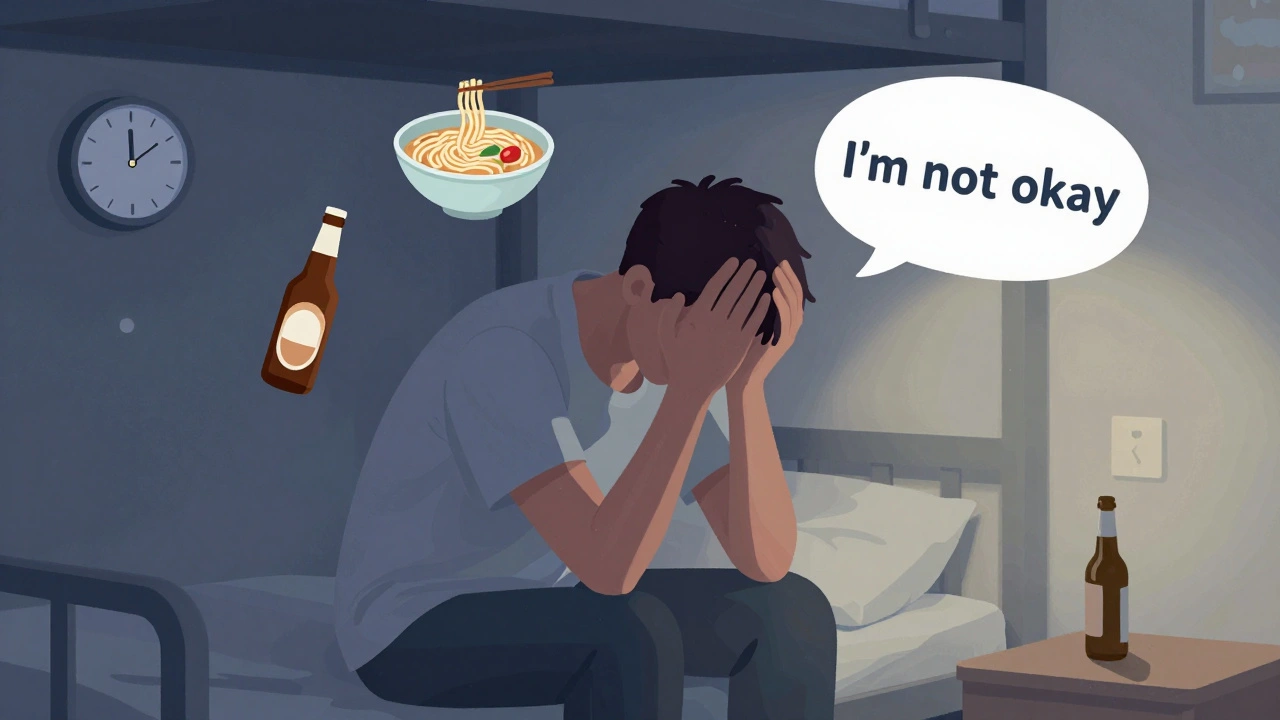
Lifestyle: What You Do Daily Matters More Than What You Do Once a Week
You don’t need a six-pack to be healthy. You need consistent habits.
Let’s break down the real stuff:
- Sleep: 7-8 hours isn’t optional. Pulling all-nighters three times a week? You’re hurting your memory, your immune system, and your mood. Set a phone alarm for bedtime. Yes, really.
- Food: You don’t have to eat kale every day. But skipping meals and living on instant noodles? That’s fueling inflammation, low energy, and brain fog. Keep a bag of nuts, fruit, or yogurt in your bag. Eat something real every 4-5 hours.
- Movement: You don’t need the gym. Walk to class. Take the stairs. Do 10 push-ups before bed. Movement isn’t about burning calories-it’s about keeping your body wired right. Even 20 minutes a day cuts depression risk by 30%.
- Alcohol: Binge drinking isn’t social-it’s self-harm. More than 6 units in one session (that’s two pints of strong lager) damages your liver, disrupts sleep, and worsens anxiety. Try one drink, then switch to water.
These aren’t rules. They’re tools. Pick one. Stick with it for two weeks. Then add another.
Why This All Matters Now
Men die younger than women. On average, six years younger. And a big chunk of that gap? It’s not genetics. It’s silence. Delayed care. Ignoring symptoms. Not asking for help.
University is the perfect time to build habits that last a lifetime. You’re young, mobile, and surrounded by resources. You don’t need to be perfect. You just need to be consistent.
Testicular checks take five minutes. Therapy takes one call. Eating an apple instead of a bag of crisps? That’s a win. You don’t need to overhaul your life. You just need to start showing up for yourself.
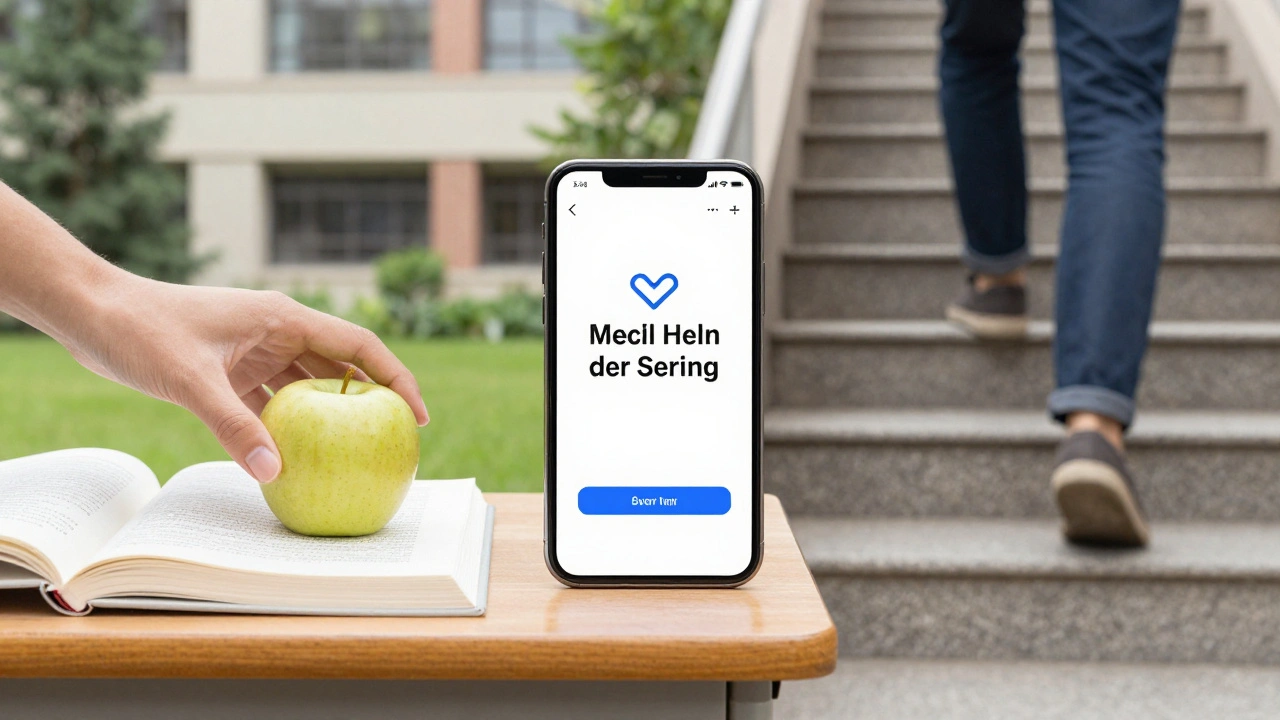
What to Do Today
- Set a calendar reminder for the 1st of every month: Testicular Check
- Find your university’s mental health service and save their number in your phone
- Swap one unhealthy habit this week: replace late-night snacks with a banana, or one drink with water
- Text a friend: ‘How are you really doing?’
These aren’t chores. They’re acts of self-respect.
Frequently Asked Questions
Is testicular cancer common in students?
Yes. It’s the most common cancer in men aged 15 to 35. Around 2,300 cases are diagnosed each year in the UK, and nearly half of those are in men under 30. The good news? When caught early, the survival rate is over 99%. Monthly self-checks are the easiest way to catch it early.
I feel anxious all the time. Is that normal?
Feeling anxious sometimes? Yes. Feeling anxious every day, even when there’s no obvious reason? That’s not normal-and it’s not your fault. Anxiety isn’t weakness. It’s your nervous system overworking. Many students experience it, especially during exams or when living away from home. NHS student services offer free CBT (cognitive behavioural therapy) and group sessions. You don’t need a referral. Just walk in or call.
Do I need to go to the gym to be healthy?
No. You don’t need weights or treadmills. Movement matters more than intensity. Walking 10,000 steps a week, taking the stairs, or doing bodyweight exercises at home builds strength, reduces stress, and improves sleep. The goal isn’t to look a certain way-it’s to feel strong, energized, and in control of your body.
Can poor diet affect my mental health?
Absolutely. Studies show that students eating mostly processed food, sugar, and fried items are twice as likely to report depression and anxiety. Your gut and brain are connected. Eating whole foods-fruits, vegetables, nuts, lean proteins-helps regulate mood, focus, and energy. You don’t need to go vegan. Just cut out one ultra-processed item a day.
What if I can’t afford counselling?
You don’t have to pay. UK universities offer free, confidential mental health support through their student services. The NHS also provides free talking therapies via IAPT (Improving Access to Psychological Therapies). You can self-refer online. No GP referral needed. Your health isn’t a luxury-it’s a right.