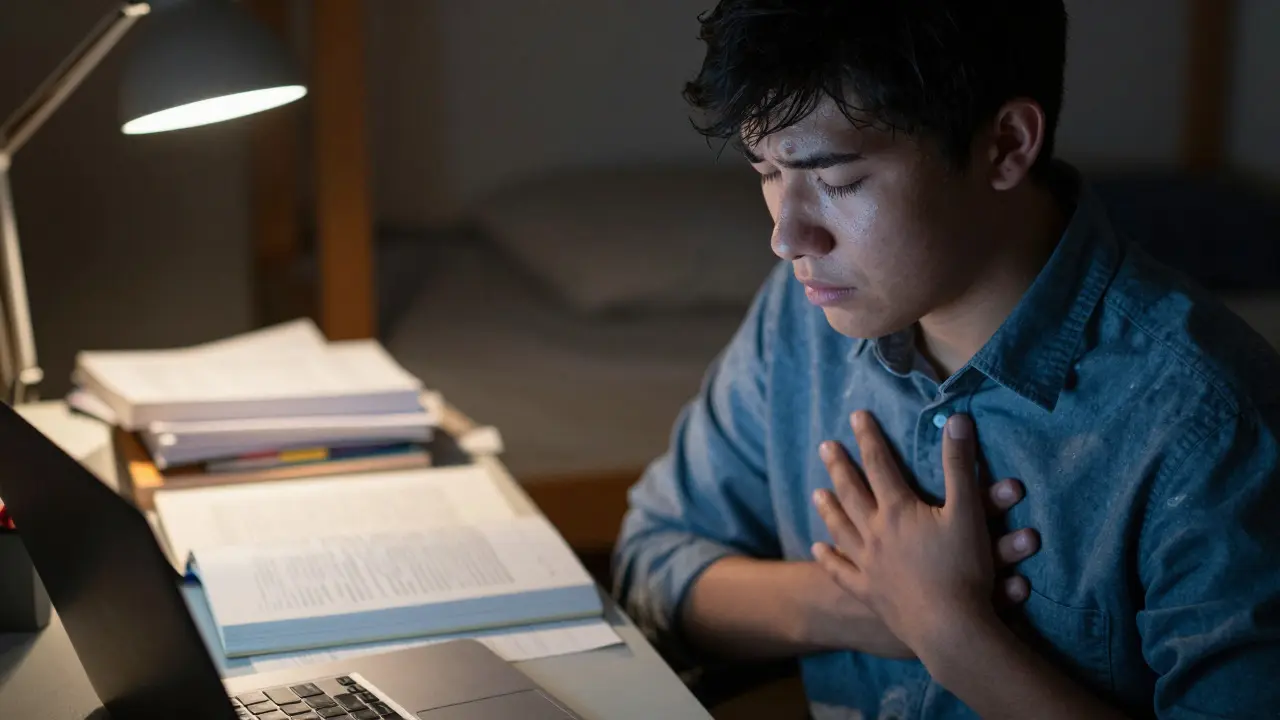
Exam week is here, your heart is pounding, and the only thing you can think about is failing. Sound familiar? For millions of students, Anxiety is not just a feeling; it is a daily companion that disrupts sleep, focus, and social life. While therapy and medication are valid options, many students look for immediate, accessible tools to calm their minds before they spiral. This is where Mindfulness and Meditation come in. They are not magic pills, but they are powerful, evidence-based practices that help you regulate your nervous system in real-time.
You do not need to sit cross-legged on a mountaintop to benefit from these practices. You need five minutes, a quiet corner (or even a noisy library), and the right technique. In this guide, we will break down the most effective methods for students and the best apps to support your journey. We will skip the fluff and focus on what actually works when your brain feels like it is overheating.
Key Takeaways
- Mindfulness is the practice of paying attention to the present moment without judgment; it reduces rumination by anchoring your mind away from future worries.
- Box Breathing is a rapid physiological reset that activates the parasympathetic nervous system within two minutes.
- Apps like Headspace and Calm offer structured courses, while free resources like Insight Timer provide variety without cost.
- Consistency beats duration: ten minutes daily is more effective than one hour once a week.
- Mindfulness improves working memory and cognitive flexibility, directly supporting academic performance.
Why Your Brain Needs a Pause Button
To understand why meditation helps, you have to understand what anxiety actually does to your brain. When you feel stressed, your amygdala-the brain’s threat detection center-hits the panic button. It floods your body with cortisol and adrenaline, preparing you to fight or flee. In modern student life, the "predator" is often a deadline or a difficult exam question. The problem is that your body reacts as if your life is in physical danger, making it hard to focus on complex cognitive tasks.
Mindfulness acts as a counter-balance. By focusing on the breath or bodily sensations, you engage the prefrontal cortex, the part of your brain responsible for logic and decision-making. This shifts your state from reactive to responsive. Research from the University of California, San Francisco, has shown that regular mindfulness practice can reduce gray matter density in the amygdala over time, literally shrinking the brain's alarm system. For students, this means less intense reactions to minor setbacks, like a bad grade or a confusing lecture.
Top Techniques for Student Anxiety
You do not need to master ancient traditions to get results. Here are three specific techniques tailored for busy schedules and high-pressure environments.
- Box Breathing (The 4-4-4-4 Method)
This is your emergency tool. Use it before an exam or during a panic attack. Inhale through your nose for four counts, hold for four, exhale through your mouth for four, and hold empty for four. Repeat for four cycles. This rhythm forces your heart rate to slow down mechanically. It requires no equipment and takes less than two minutes. - The Body Scan
Best done before bed to improve sleep quality. Lie down and mentally scan your body from toes to head. Notice tension without trying to fix it. If you find tightness in your jaw or shoulders, simply acknowledge it. This practice builds interoceptive awareness, helping you recognize early signs of stress before they become overwhelming. - Open Monitoring
Unlike focused attention (like watching the breath), open monitoring involves observing whatever arises in your experience-thoughts, sounds, feelings-without attaching to them. Imagine sitting on a riverbank, watching leaves float by. Some leaves are bright (happy thoughts), some are dark (anxious thoughts). You watch them pass without jumping into the water. This is excellent for reducing rumination, the repetitive negative thinking that fuels anxiety.
Best Apps for Mindful Students
Willpower is a finite resource. Apps remove the guesswork by providing guided audio and tracking features. However, not all apps are created equal. Some are too commercial, others too abstract. Here is how the top contenders stack up for students.
| App Name | Best Feature | Cost Model | Ideal For |
|---|---|---|---|
| Headspace | Structured beginner courses | Freemium / Subscription | Absolute beginners who want hand-holding |
| Calm | Sleep stories and nature sounds | Freemium / Subscription | Students struggling with insomnia |
| Insight Timer | Largest library of free meditations | Free / Optional Tip Jar | Budget-conscious students wanting variety |
| Waking Up | Deep philosophical context | Subscription | Advanced practitioners seeking depth |
Headspace uses cute animations to demystify meditation. Its "Basics" course is arguably the best entry point for anyone who has never meditated. It breaks down concepts like "monkey mind" in simple terms. However, the subscription price can be a barrier for students living on ramen noodles.
Calm shines in the evening. Its sleep stories, narrated by celebrities like Matthew McConaughey, are surprisingly effective for winding down. If your anxiety manifests as racing thoughts at 2 AM, this is your go-to. The app also offers short "Daily Calm" sessions that fit into a lunch break.
Insight Timer is the hidden gem for students. It hosts over 100,000 free meditations. You can search by length (e.g., "5-minute anxiety relief") or topic. The interface is less polished than Headspace, but the content depth is unmatched. Plus, you don’t have to pay a dime unless you want to tip a teacher you love.
Building a Sustainable Practice
The biggest mistake students make is aiming for perfection. You decide to meditate for 30 minutes every day, miss three days because of labs, and then quit entirely. Instead, aim for consistency. Start with five minutes. That is it. Set a phone alarm for the same time every day-right after breakfast or before bed. Habit stacking, a concept popularized by James Clear, suggests linking a new habit to an existing one. "After I pour my morning coffee, I will sit for five minutes."
Track your streaks, but forgive yourself for breaks. A broken streak is not a failure; it is data. Did you miss it because you were tired? Maybe move the session to the evening. Did you miss it because you felt it wasn't working? Try a different technique. Flexibility is key. The goal is not to clear your mind completely-that is impossible-but to notice when you have wandered off and gently bring your attention back. Each time you do that, you are doing a bicep curl for your attention span.
Common Pitfalls to Avoid
- Chasing Bliss: Meditation is not always pleasant. Sometimes it is boring, sometimes it is uncomfortable. If you expect it to feel like a vacation, you will quit. Accept that discomfort is part of the process.
- Doing It Wrong: There is no "wrong" way to breathe. If you feel dizzy, take longer exhales. If you feel restless, try walking meditation instead of sitting. Adapt the practice to your body, not the other way around.
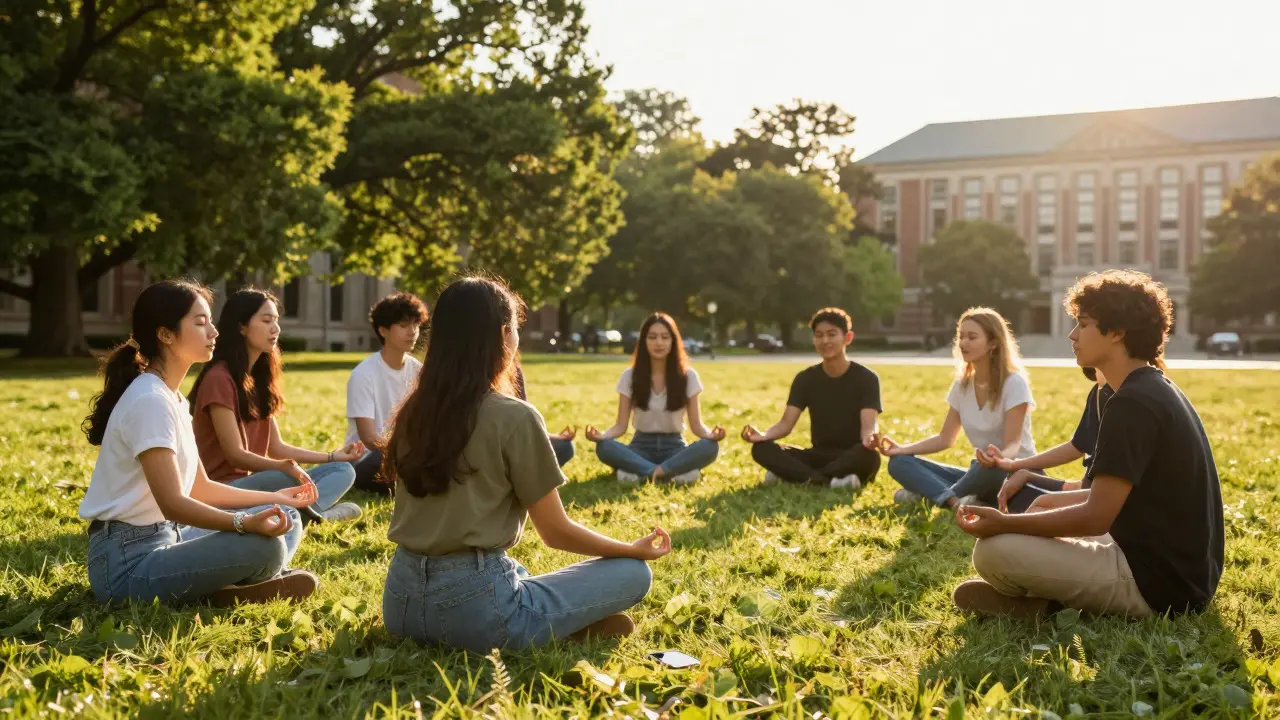
- Isolation: While solo practice is great, joining a group can boost accountability. Many universities offer free mindfulness groups or online communities via Discord. Sharing the struggle reduces stigma.
Frequently Asked Questions
How long does it take to see results from meditation?
You may feel calmer after the first session due to the physiological effects of deep breathing. However, structural changes in the brain and significant reductions in baseline anxiety typically occur after 8 to 12 weeks of consistent daily practice. Think of it like going to the gym; you don't build muscle in one rep.
Can I meditate in a noisy dorm room?
Yes. Noise is actually a good object of meditation. Instead of fighting the sound, listen to it objectively. Label it mentally as "noise" and return to your breath. Over time, external distractions lose their power to derail your focus. White noise apps can also help mask unpredictable sounds.
What is the difference between mindfulness and meditation?
Meditation is the formal practice-sitting quietly for a set time. Mindfulness is the attitude-being present and aware. You can meditate formally, but you can also practice mindfulness informally while washing dishes or walking to class. Formal meditation trains the skill; informal mindfulness applies it.
Are there any side effects of meditation?
For most people, side effects are minimal. Some beginners report increased initial awareness of anxious thoughts, which can feel unsettling. This is normal and usually passes. If you have a history of trauma, consider working with a therapist or using trauma-informed guided meditations to avoid triggering memories.
Which app is truly free for students?
Insight Timer is the most robust free option. While Headspace and Calm offer limited free content, Insight Timer allows unlimited access to thousands of user-generated and professional-led meditations without a subscription. Check if your university library offers digital subscriptions to premium apps, as many do.