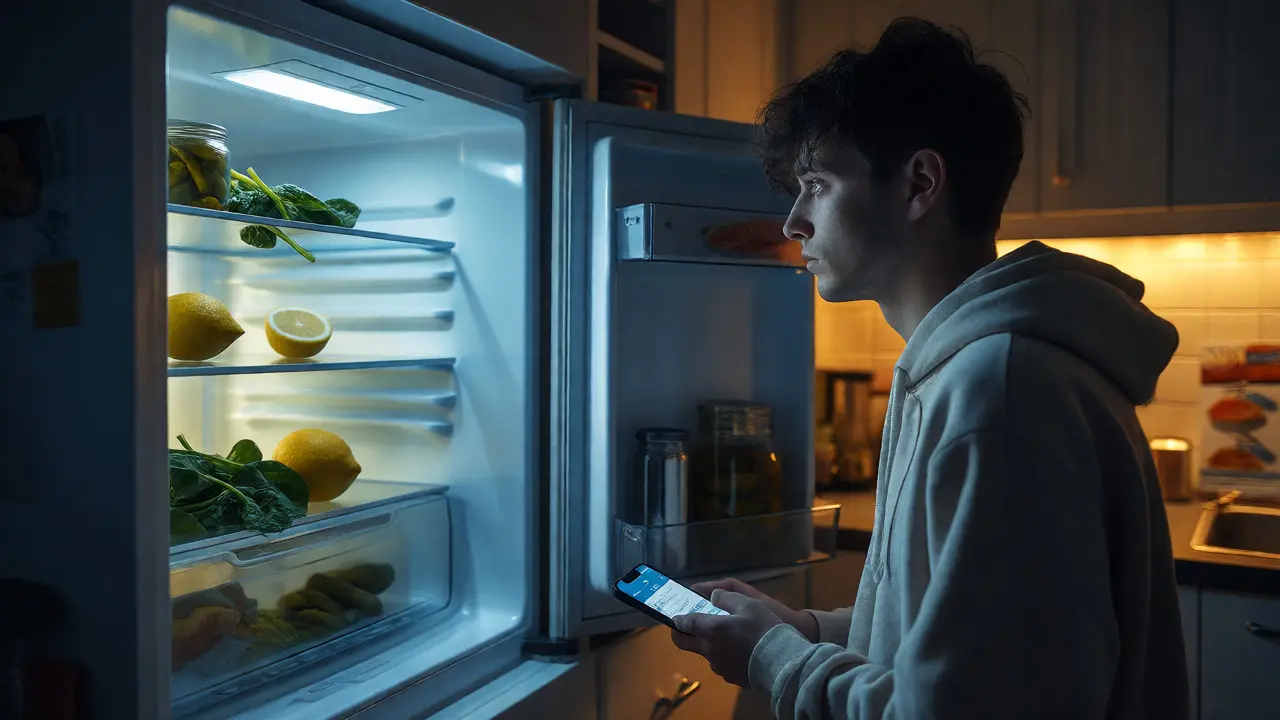
You are standing in the kitchen at 10 PM on a Tuesday. You have an essay due tomorrow, your bank account is hovering near zero, and you are staring into a fridge that contains half a lemon, some wilted spinach, and a jar of pickles. The temptation to order another £12 takeaway is overwhelming. Sound familiar? For students in the UK, this scenario isn't just a bad night; it’s a weekly cycle that drains both your wallet and your energy. But there is a way out. It starts with one hour on a Sunday afternoon.
Meal prepping is the practice of preparing meals or meal components in advance to reduce cooking time and cost during the week. It also goes by batch cooking. Unlike extreme diet plans, this approach is about logistics, not restriction. It is a survival skill for anyone balancing lectures, part-time jobs, and social lives on a tight budget. By dedicating time when you are rested, you free yourself from decision fatigue when you are stressed.
Why Sunday Is Your Best Friend
Why Sunday? Because it is usually the day before the academic rush begins. If you try to cook every night after a full day of seminars, you will likely fail. Decision fatigue is real. When you come home exhausted, choosing what to eat feels like solving a complex equation. Meal prepping removes that variable. You decide once, execute once, and then simply reheat all week.
In the UK context, this strategy hits harder because grocery prices have remained volatile. According to recent data from the Office for National Statistics, food inflation has squeezed household budgets significantly. For students relying on maintenance loans or parental support, the difference between cooking at home and buying prepared foods can amount to hundreds of pounds per term. A homemade curry costs pennies per portion; the same dish delivered might cost £8-£10 plus delivery fees. Over ten weeks, that adds up to enough money for textbooks or a weekend trip.
Planning Without Panic
The biggest mistake students make is over-planning. They look at Instagram photos of gourmet bowls and try to replicate them. Stop that. You do not need organic quinoa and fresh herbs if they blow your budget. Start with the "Rule of Three": three proteins, three carbs, and three vegetables. That is plenty.
Before you go shopping, check what you already have. Look in your cupboard and freezer. Do you have leftover pasta sauce? Rice? Canned beans? Build your plan around these free ingredients first. Then, write a strict shopping list. Stick to it. In UK supermarkets like Tesco, Asda, or Lidl, impulse buys are expensive traps. The end-of-aisle displays are designed to catch tired shoppers who think they are getting a deal but are actually buying unnecessary snacks.
| Item | Home-Cooked Cost (per portion) | Supermarket Ready-Meal | Delivery/Takeaway |
|---|---|---|---|
| Chicken & Veg Traybake | £1.20 | £3.50 | N/A |
| Lentil Bolognese | £0.80 | £4.00 | £9.50 |
| Bean Burrito Bowl | £0.60 | £3.80 | £8.00 |
Shopping Smart in the UK
Where you shop matters as much as what you buy. Discounters like Aldi and Lidl often undercut major chains by 15-20% on staple items. If you live near one, use it for basics: rice, pasta, canned tomatoes, frozen veg, and dairy. You might still visit Tesco or Sainsbury’s for specific brands, but keep those trips short.
Don’t ignore the "yellow sticker" section. In the late afternoon, many UK supermarkets mark down meat, fish, and ready meals nearing their use-by date. If you see chicken thighs reduced by 70%, buy them immediately and freeze them. This is how you get high-quality protein on a shoestring. Frozen fruits and vegetables are also your allies. They are picked at peak ripeness and flash-frozen, meaning they retain nutrients better than "fresh" produce that has been sitting in transit for days. Plus, they don’t spoil if your schedule changes.
The Sunday Ritual: Step-by-Step
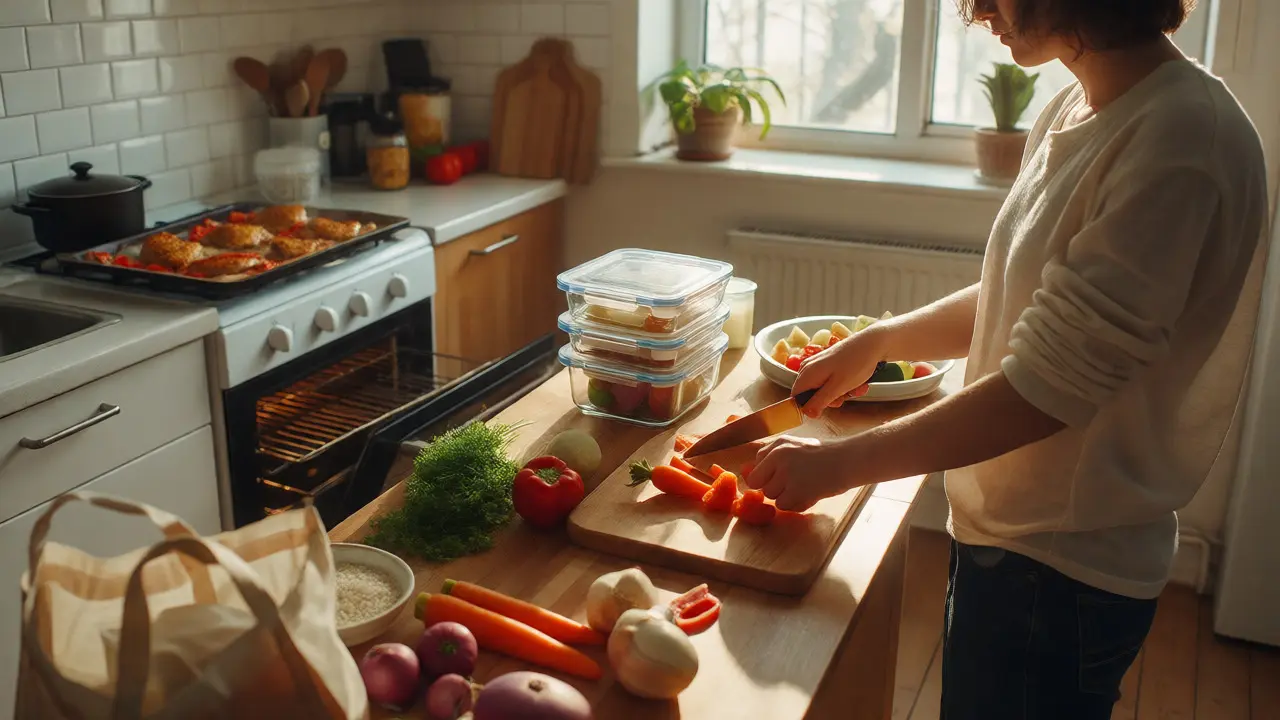
You don’t need fancy equipment. A large baking tray, a pot, and a frying pan are enough. Here is a realistic workflow for a two-hour session:
- Preheat and Prep: Turn on your oven to 200°C (Fan). While it heats, chop all your vegetables. Onions, peppers, carrots, broccoli-whatever you bought. Don’t worry about perfect cuts; rustic chunks are fine.
- Start the Stovetop Items: Boil water for rice or pasta. Cook lentils or beans if using dried ones. Simmer a large pot of soup or stew. These take little active attention once started.
- Load the Oven: Toss chopped veggies and protein (chicken thighs, sausages, or halloumi) in oil and seasoning. Spread them on baking trays. Roast for 25-35 minutes. This is the easiest method: one tray, minimal cleanup.
- Make a Sauce Base: While things roast, whip up a versatile sauce. A tomato-based passata with garlic and oregano works for pasta, shakshuka, or as a dip. Or make a creamy yogurt-mustard dressing for salads and wraps.
- Cool Down: Let everything cool slightly. Hot food creates condensation in containers, leading to soggy meals and faster spoilage.
- Pack Up: Divide into containers. Aim for 5 lunches and 5 dinners. Keep sauces separate if possible to prevent sogginess.
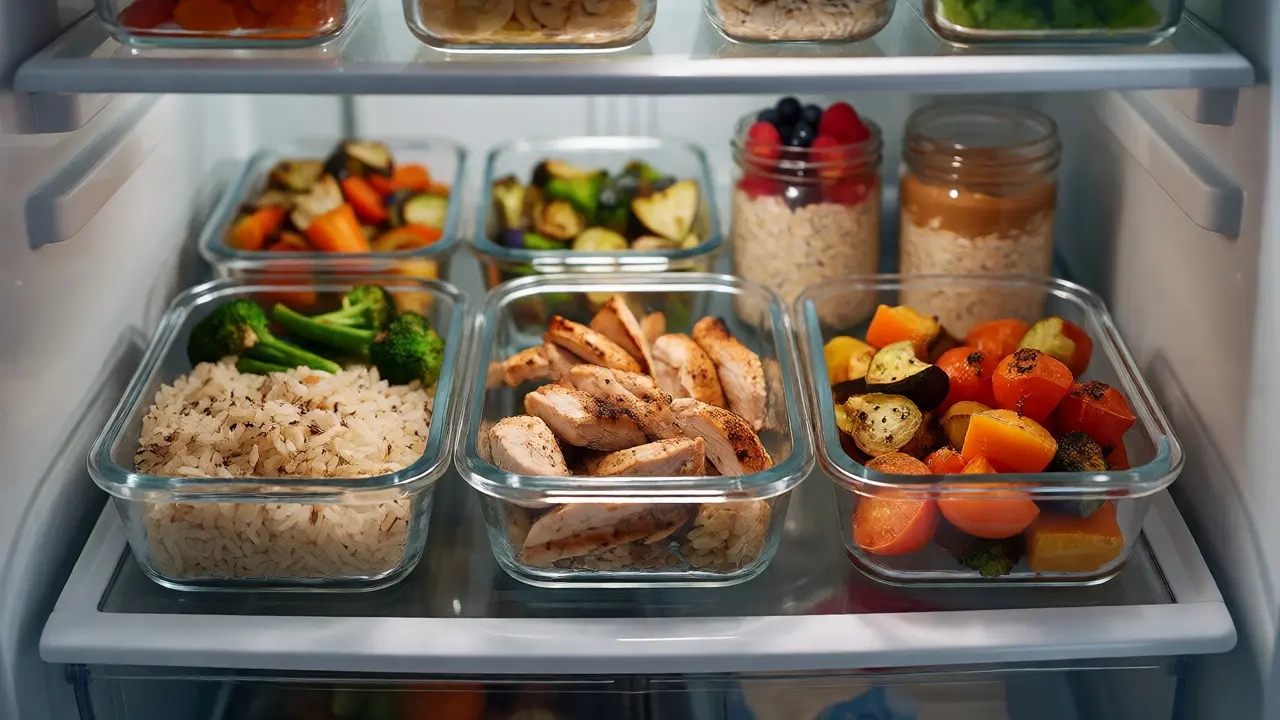
This system relies on component cooking rather than full assembly. You aren’t making five identical lasagnas. You’re making a big batch of roasted chicken, a big batch of rice, and a big batch of roasted veg. During the week, you mix and match them. Monday might be chicken-rice-veg. Wednesday might be chicken wrapped in a tortilla with the remaining veg. Friday might be a fried rice using the leftovers. Variety without extra work.
Storage Tips for Small Kitchens
Most student halls and shared flats have tiny fridges. Space is premium real estate. Invest in stackable, rectangular glass containers. They fit better than round ones and don’t stain like plastic. If you can’t afford glass, reuse clean jam jars or margarine tubs. They work surprisingly well for sauces and grains.
Label your containers with masking tape and a marker. Write the date and contents. "Mon-Lunch" helps you grab-and-go without hesitation. If you forget what’s inside, you’ll waste time digging through the fridge, which leads to skipping meals or ordering pizza again.
Freezer space is often communal in shared houses. Be polite. Use flat bags for soups or stews so they stack neatly. Label them clearly. If you’ve cooked too much, freeze portions now. Future-you, facing exam season in January, will thank present-you for having emergency meals ready to go.
Common Pitfalls to Avoid
One major error is prepping too much variety. Cooking six different dishes takes all day. Stick to two or three base components. Another trap is ignoring breakfast. If you skip breakfast, you’ll binge at lunch. Prep overnight oats in jars. Just mix rolled oats, milk (or oat milk), and chia seeds. Add fruit or peanut butter in the morning. Takes two minutes, saves thirty pence versus a bakery croissant.
Also, don’t underestimate hydration. Tap water in most UK cities is safe and cheap. Carry a reusable bottle. Buying bottled water daily wastes money and creates plastic waste. If tap water tastes chlorinated, let it sit in a jug in the fridge for an hour. It dissipates the taste.
Finally, accept imperfection. Some weeks you won’t prep. Life happens. Maybe you had a party Saturday and slept in. Maybe you forgot to buy onions. That’s okay. Eat toast with cheese. Order one meal. Restart next Sunday. Consistency beats perfection every time.
Frequently Asked Questions
How long does meal prepped food last in the fridge?
Generally, cooked meals stored in airtight containers in the fridge last 3 to 4 days. To ensure safety, keep your fridge below 5°C. If you plan to eat something later in the week, store it in the freezer instead. Reheat only once to maintain quality and safety.
What are the cheapest staples for UK students?
Rice, pasta, oats, canned beans, lentils, eggs, frozen mixed vegetables, and whole chickens are among the most cost-effective items. Buying own-brand products from discounters like Aldi or Lidl further reduces costs. Seasonal produce is also cheaper and fresher.
Do I need special containers for meal prepping?
No, you don’t need expensive gear. Reused glass jars, plastic tubs, or foil trays work well. Glass is durable and doesn’t hold odors, but plastic is lighter for carrying to campus. Rectangular shapes stack better in small fridges than round ones.
Is meal prepping suitable for dietary restrictions?
Yes, absolutely. Vegetarian options like chickpea curries, lentil bolognese, and bean burritos are naturally cheap and easy to batch cook. Vegan and gluten-free diets can also benefit from prepping grains and legumes in bulk, avoiding costly packaged alternatives.
How much time should I set aside for Sunday prep?
Aim for 1.5 to 2 hours. This includes shopping (if done separately), chopping, cooking, and packing. Starting simple with fewer dishes keeps the time manageable. As you get comfortable, you can expand the menu without significantly increasing the effort.