Key Takeaways for UK Students
- DSA (Disabled Students' Allowance) provides funding for specialized equipment and support, and it's not a loan.
- Reasonable Adjustments are legal requirements for universities to ensure you aren't disadvantaged.
- Mitigating Circumstances can protect your grades during health flare-ups.
- University Wellbeing Services are your primary internal link to mental and physical health support.
Getting the Money: Navigating Disabled Students' Allowance
If you're studying in the UK, the first thing you need to look at is Disabled Students' Allowance is a government grant provided by Student Finance England, Scotland, Wales, or Northern Ireland to help students with health conditions or disabilities. Let's be clear: despite the name, you don't need to be 'disabled' in the traditional sense to qualify. If you have a Chronic Illness-anything from Crohn's disease and Lupus to severe Asthma or Long Covid-you may be eligible.
The most important part of DSA is that it is a grant, not a loan. You don't pay it back. It can cover the cost of a laptop, specialized software like speech-to-text tools, or even a non-medical helper who takes notes for you when your fatigue makes it impossible to concentrate. To get this, you'll need a medical evidence form signed by your GP or specialist. Don't wait until the term starts; the application process can take several weeks, and you want your gear ready for day one.
Legal Protections and Reasonable Adjustments
You aren't asking for a favor when you ask for flexibility; you're exercising your rights under the Equality Act 2010, which is the primary legislation in the UK that protects people from discrimination based on protected characteristics, including disability. Universities are legally required to make "reasonable adjustments" to ensure you have an equal chance of success.
What does this actually look like in a real classroom? It might be a "stop-the-clock" arrangement during exams, where the timer pauses while you take a break or medication. It could be a permission to record lectures so you can review them from home if you missed a session due to a flare-up. Or, it might be a fixed desk in a specific location if you have mobility issues.
| Health Challenge | Possible Adjustment | Impact on Student |
|---|---|---|
| Chronic Fatigue / Brain Fog | Flexible attendance / Recorded lectures | Reduces stress of missing live content |
| Chronic Pain / Mobility | Ergonomic furniture / Ground floor rooms | Prevents physical strain during long days |
| Immunocompromised State | Hybrid learning / Distanced seating | Lowers risk of infection in crowded halls |
| Cognitive Impairment (Flare-ups) | Exam extensions / Extra time | Allows for processing speed variations |

Managing Your Grades with Mitigating Circumstances
There will be weeks where your health simply wins. Maybe you have a massive flare-up the night before a 3,000-word essay is due. This is where Mitigating Circumstances (sometimes called Extenuating Circumstances) come into play. This is a formal process where the university recognizes that something outside your control has impacted your ability to study.
The trick here is timing. Many students wait until after they've failed a deadline to ask for help, but most universities prefer you to notify them before the deadline. If you have a predictable condition, work with your tutor to create a "Learning Support Plan" (LSP). This document acts as a contract between you and the university, stating that if X happens, you are automatically granted Y extension. It saves you from having to beg for extensions every single time you get sick, which can be emotionally draining.
The Practical Side: Daily Survival Tips
Beyond the legal and financial side, there's the actual day-to-day grind. Managing chronic illness students UK needs a strategy that focuses on energy conservation. Have you heard of "Spoon Theory"? It's the idea that you start your day with a limited number of spoons (energy units), and every action-showering, reading, walking to the library-costs a spoon. When you're out, you're out.
To survive a semester, try these concrete strategies:
- The Buffer Day: If you have a heavy Tuesday of classes, keep Wednesday entirely clear. Use it for recovery and light reading. Trying to push through a "recovery day" often leads to a longer crash.
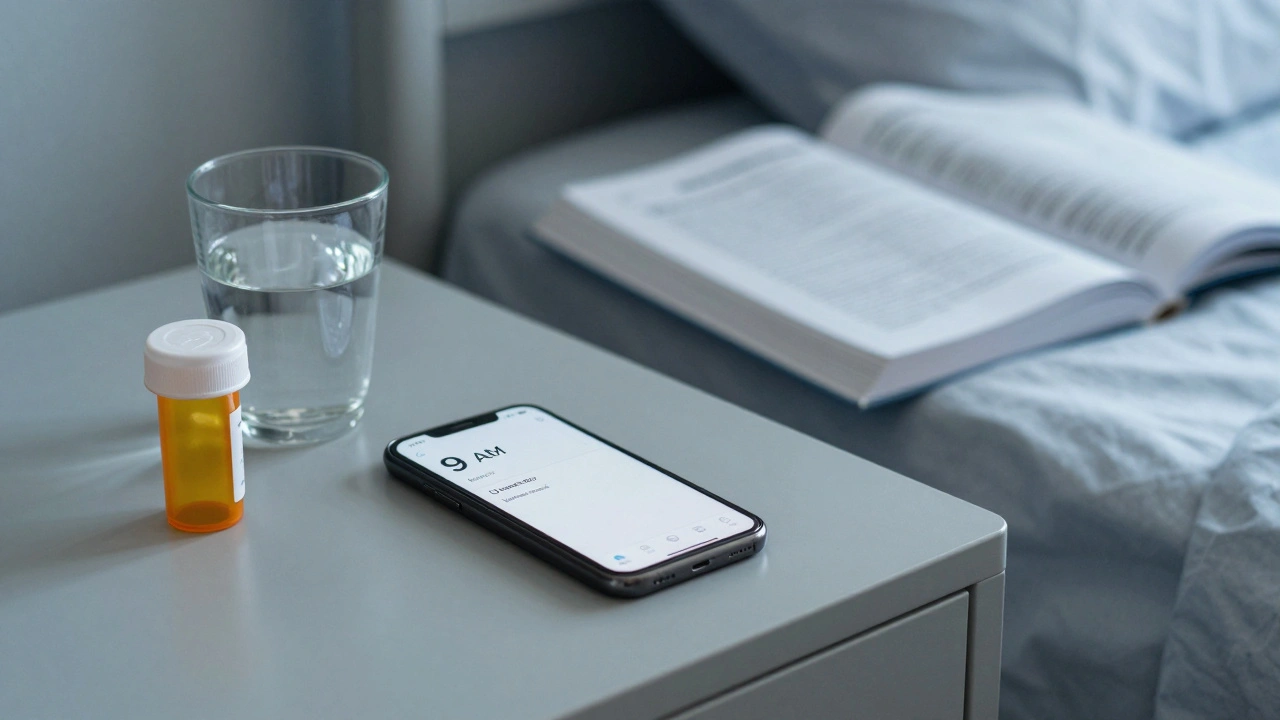
- Digital Organization: Use apps like Notion or Google Calendar not just for deadlines, but for medication reminders and health tracking. Being able to show a professor a log of your symptoms can make a mitigating circumstances claim much stronger.
- Strategic Scheduling: If your university allows it, pick a timetable that clusters your classes. Going in three days a week for long periods is often easier than going in five days a week for short bursts.

Building Your Support Network
Isolation is one of the biggest risks for students with long-term health issues. It's easy to feel like the only person in the lecture hall who is struggling just to sit upright. Your first point of contact should be the University Wellbeing Service. These aren't just counselors; they are advocates who can help you negotiate with difficult professors who might not "get" your condition.
Beyond the staff, look for student-led societies. Many campuses have disability or chronic illness groups. Speaking with someone who has already navigated the DSA process or knows which campus cafes have the most comfortable chairs can be a lifesaver. Also, don't forget your General Practitioner (GP). Your GP is the gatekeeper for the medical evidence you need for almost every university adjustment. Keep a good relationship with them and ensure they understand the specific demands of your course.
Do I have to tell my professors about my illness?
No, you aren't legally required to disclose the specific details of your medical diagnosis to your lecturers. You can provide a letter from the disability office that states you require "reasonable adjustments" without mentioning the specific condition. However, some students find that a brief, honest conversation helps build a more supportive relationship with their tutor.
Can I get a part-time degree if my health makes full-time study impossible?
Yes, most UK universities offer the option to study part-time. This extends the duration of your degree but reduces the weekly workload. This can be a game-changer for those with fluctuating energy levels, as it allows you to maintain a higher quality of work without burning out.
What happens if I'm denied a reasonable adjustment?
If a request is denied, you should first ask for the reason in writing. Then, take that response to your university's Student Union or the Disability Office. If the university is failing to meet its obligations under the Equality Act 2010, you can file a formal internal complaint or, in extreme cases, seek external legal advice or contact the Office of the Independent Adjudicator (OIA).
Is the Disabled Students' Allowance available for postgraduate students?
Yes, DSA is available for students on eligible undergraduate and postgraduate courses in the UK. The application process is similar, but you should check the specific eligibility of your course, as some highly specialized or non-accredited masters programs might have different rules.
How do I handle the social side of university when I'm often too sick to go out?
Focus on quality over quantity. Instead of trying to attend every party, invite one or two friends over for a low-energy activity like a movie night. Be open about your energy limits; most people are happy to adapt if they know why you're canceling. Digital socializing through Discord or WhatsApp groups can also help you stay connected without the physical toll of leaving the house.
Next Steps and Troubleshooting
If you are just starting your journey, your immediate priority is the paper trail. Get your GP to write a comprehensive summary of your condition and how it affects your daily functioning. This document is the "key" that opens every door from DSA funding to exam extensions.
If you're already mid-degree and hitting a wall, don't try to power through it. Reach out to your personal tutor and the wellbeing office today. It is much easier to adjust a course of study in November than it is to try and fix a failing grade in May. Remember, your degree is a marathon, not a sprint-and it's okay to change your pace to make sure you actually reach the finish line.