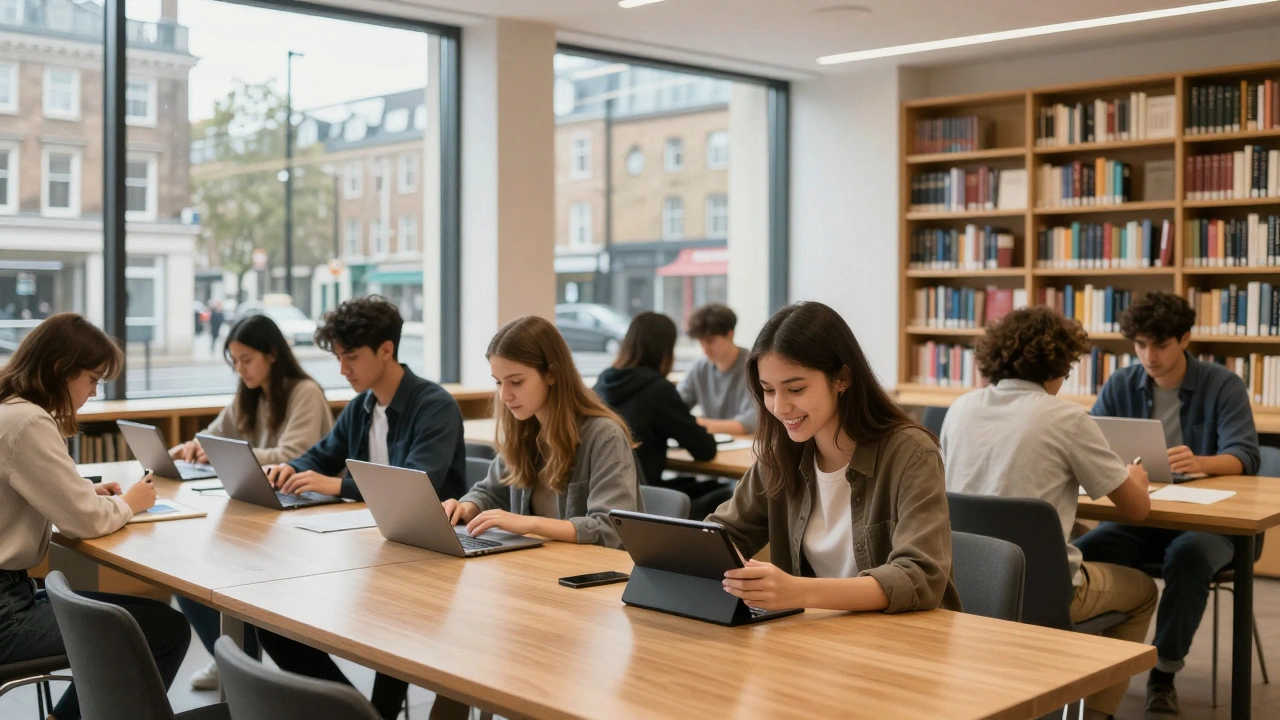
Textbooks cost a fortune. In the UK, a single core text for a degree module can easily run you £80 to £120. For many students, that’s more than their monthly grocery budget. But here is the good news: you do not have to pay full price. You do not even have to pay anything at all if you know where to look.
The landscape of free study resources has changed dramatically since 2020. What used to be just physical libraries is now a massive digital ecosystem. From public library apps to university-specific repositories, there are dozens of ways to access textbooks, journals, and research papers without spending a penny. This guide breaks down exactly how to tap into these systems, whether you are studying in London, Manchester, or anywhere else in the UK.
The Power of Public Libraries Beyond Books
Most people think of libraries as places with dusty shelves. That image is outdated. Modern UK public libraries are gateways to millions of free digital assets. If you have a library card from any council in the UK, you likely already have access to services like Libby (powered by OverDrive) and Hoopla.
Libby allows you to borrow eBooks and audiobooks directly to your phone, tablet, or Kindle. The beauty of this system is that it works exactly like Netflix for books. You browse the catalog, click 'borrow,' and the file downloads instantly. Most UK councils participate in this network. If your local council does not use Libby, they might use CloudLibrary or BorrowBox. The interface changes slightly, but the result is the same: free legal eBooks.
Here is a pro tip that most students miss: you do not need to live in the city where the library is located to get a card. Many larger libraries, such as those in London or Birmingham, offer online registration for residents of other areas, or they allow you to apply for a card remotely if you have a valid address proof. Check your local council’s website for "inter-library loans" or "digital membership."
- Libby: Best for popular fiction and recent non-fiction titles. High demand means you may wait for a copy.
- Hoopla: Offers instant borrowing with no wait times. Great for older titles and academic supplements.
- BorrowBox: Popular in certain regions like Scotland and parts of England. Good selection of audiobooks.
University Repositories and Open Access Journals
If you are currently enrolled in a UK university, you are sitting on a goldmine. Your institution pays for expensive database subscriptions that you can access for free. Services like JSTOR, ProQuest, and EBSCOhost contain thousands of peer-reviewed articles and e-books.
The key is knowing how to search. Do not start with Google Scholar. Start with your university library’s portal. Search for your textbook title or the specific chapter you need. Often, the university owns an electronic version of the book. Even if they do not own the whole book, they may own individual chapters through services like VitalSource or RedShelf.
What about open access? The Open Access Button is a browser extension that helps you find free legal versions of paywalled academic papers. When you land on a journal article that requires payment, click the button. It will search across global repositories to see if the author has uploaded a pre-print or post-print version for free. This is crucial for dissertation research.
Another hidden gem is CORE. It aggregates open-access research outputs from repositories and journals around the world. It is particularly strong in STEM fields. If you are looking for data sets or technical reports, CORE is often faster than traditional library searches.
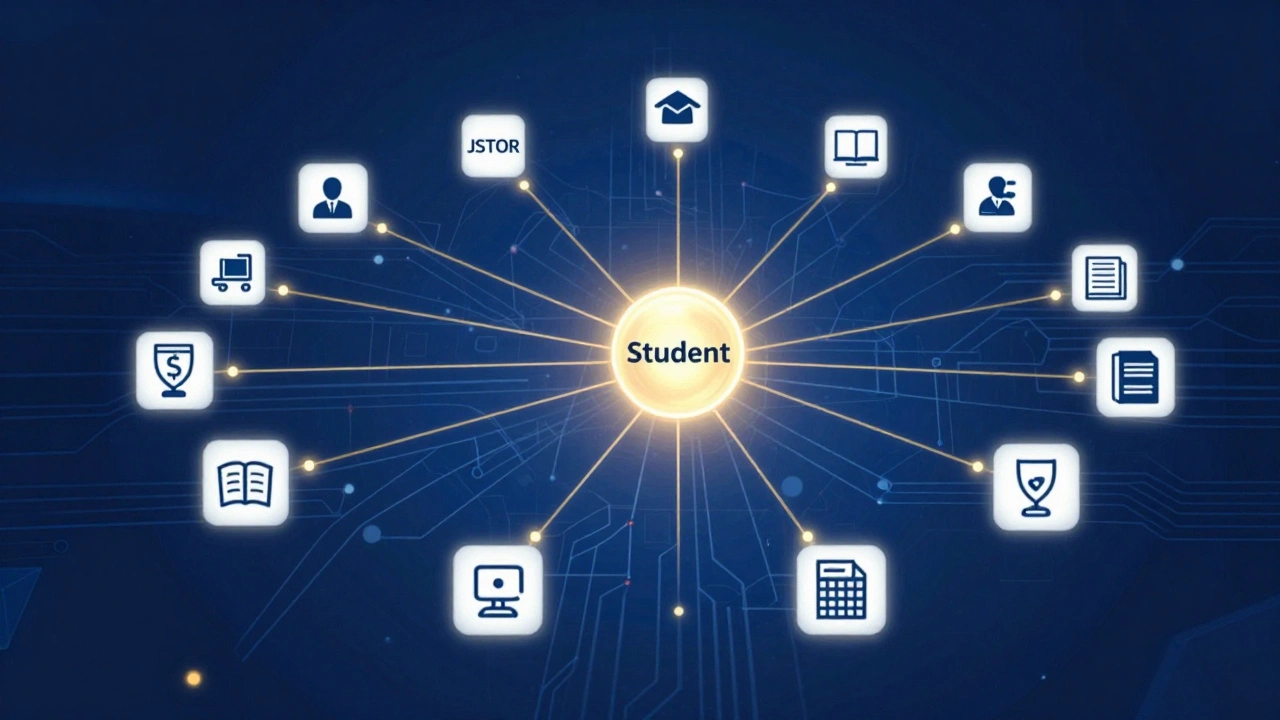
Specialized Platforms for Textbooks and Notes
Sometimes you need the actual textbook, not just supplementary articles. Several platforms specialize in this niche. OpenStax provides peer-reviewed, openly licensed college textbooks. While originally US-focused, many UK universities now adopt or adapt OpenStax materials because they are high quality and free. Check if your department recommends any OpenStax titles.
For more niche subjects, look at Directory of Open Access Books (DOAB). This platform indexes high-quality academic books that are available for free download. It covers humanities, social sciences, and science. The search function is robust, allowing you to filter by subject, publisher, and language.
Student-led platforms also play a role. Sites like Scribd offer a free trial period. During this time, you can access millions of documents, including lecture notes and study guides created by other students. Use this strategically: sign up for the trial when you have a heavy reading week, download what you need, and cancel before being charged. Always respect copyright laws; sharing copyrighted material publicly is illegal.
Government and Institutional Resources
The UK government and various institutions provide surprising amounts of free educational content. The National Archives offers extensive primary source materials for history and politics students. Their digital collections are freely accessible and include census records, parliamentary papers, and wartime documents.
For science and technology students, UK Research and Innovation (UKRI) funds many projects that publish their findings openly. You can search their project database to find recent studies and reports. Similarly, The British Library has a vast digital collection. While some items require registration, much of their historical and scientific archive is free to view online.
If you are studying law, BAILII (British and Irish Legal Information Institute) is essential. It provides free access to British and Irish case law and legislation. No subscription needed. Just go to the site and search for the case name or statute you are researching.
| Resource Type | Best For | Access Requirement | Limitations |
|---|---|---|---|
| Public Library Apps (Libby/Hoopla) | General reading, introductory texts | Library card | Wait lists for popular items |
| University Databases (JSTOR/ProQuest) | Academic essays, dissertations | Student login | Access ends after graduation |
| Open Access Repositories (CORE/DOAB) | Research papers, niche academic books | None | Variable quality control |
| Government Archives (National Archives) | History, politics, primary sources | None | Specific to UK context |
Avoiding Scams and Illegal Downloads
In your quest for free resources, you will encounter sites promising "free PDFs" of latest textbooks. Be cautious. Many of these sites host pirated content. Downloading from them exposes your device to malware and viruses. More importantly, it supports an unethical industry that harms authors and publishers.
Stick to legitimate channels. If a site looks too good to be true, it probably is. Legitimate free resources are usually hosted on .ac.uk (university), .gov.uk (government), or well-known non-profit domains. If you are unsure, check with your university library staff. They are happy to help you find legal alternatives.
Also, beware of phishing emails claiming to offer free textbook access. Never click links in unsolicited emails asking for your university credentials. Always log in through your official university portal.
Building a Sustainable Study System
Finding resources is one thing; managing them is another. Create a simple system to keep track of your free materials. Use a reference manager like Zotero or Mendeley. These tools are free for basic use and help you organize PDFs, take notes, and generate citations automatically.
Set up alerts for new open-access publications in your field. Many journals allow you to subscribe to RSS feeds or email notifications for new articles. This keeps you updated without constant searching.
Finally, share knowledge responsibly. If you find a great free resource, tell your classmates. Form study groups where you pool your library app accounts (if allowed by terms of service) or share tips on which databases work best for specific topics. Collaboration makes studying cheaper and more effective.
Can I get a library card if I don't live in the UK?
It depends on the library. Some major libraries like the British Library offer international memberships, but they may charge a fee. Most local council libraries require proof of local address. However, if you are a student, your university library is your primary resource regardless of residence.
Are open access journals considered credible for university assignments?
Yes, absolutely. Many top-tier universities and researchers publish exclusively in open access journals. Look for journals indexed in reputable databases like DOAJ (Directory of Open Access Journals). Always check if the journal is peer-reviewed, just as you would with subscription-based journals.
How long can I keep borrowed eBooks from Libby?
Loan periods vary by library, typically ranging from 7 to 21 days. You can often renew the loan if no one else has reserved it. Audiobooks sometimes have shorter loan periods due to higher demand. Check your specific library's policy settings within the app.
What if my university doesn't have the textbook I need?
Try inter-library loans. Your university library can request the book from another institution, often for free or a small fee. Alternatively, check if the publisher offers a limited preview on Amazon or Google Books. Sometimes, buying the second-hand paperback from a campus shop is cheaper than waiting for a loan.
Is it legal to share PDFs of textbooks with friends?
Generally, no. Sharing copyrighted material violates intellectual property laws. However, sharing links to open-access resources or discussing ideas from books is perfectly fine. Stick to personal use copies obtained legally through library loans or open-access platforms.