
Walking into a lecture hall for the first time is intimidating enough without worrying about whether you’ll fit in. For many LGBTQ+ students in the UK, that anxiety hits harder. You’re not just looking for friends; you’re looking for people who get it without you having to explain your existence every five minutes. LGBTQ+ Societies are more than just social clubs-they are critical infrastructure for mental well-being and academic success. If you’re heading to uni this year or already there, understanding how these groups work can change your entire experience from survival mode to thriving.
Why These Groups Matter More Than You Think
It’s easy to dismiss student societies as just places to drink cheap beer on Thursdays. But for queer students, an LGBTQ+ Society often serves as the primary buffer against isolation. Research from the Student Minds charity consistently highlights that students with strong community ties report significantly lower rates of depression and anxiety. When you join a group where pronouns are respected by default and heteronormative assumptions aren’t the baseline, you save massive amounts of emotional energy. That energy gets redirected into your studies, your hobbies, and actually enjoying your life outside of class.
Think of it like a safety net. If you have a bad week-maybe a lecturer made an insensitive comment, or you’re struggling with family issues back home-you have a pre-established network ready to catch you. You don’t have to build that trust from scratch when you’re already exhausted. This is why Student Unions across the UK prioritize funding these specific networks. They know that retention rates improve when students feel seen and supported.
The Different Flavors of Queer Spaces
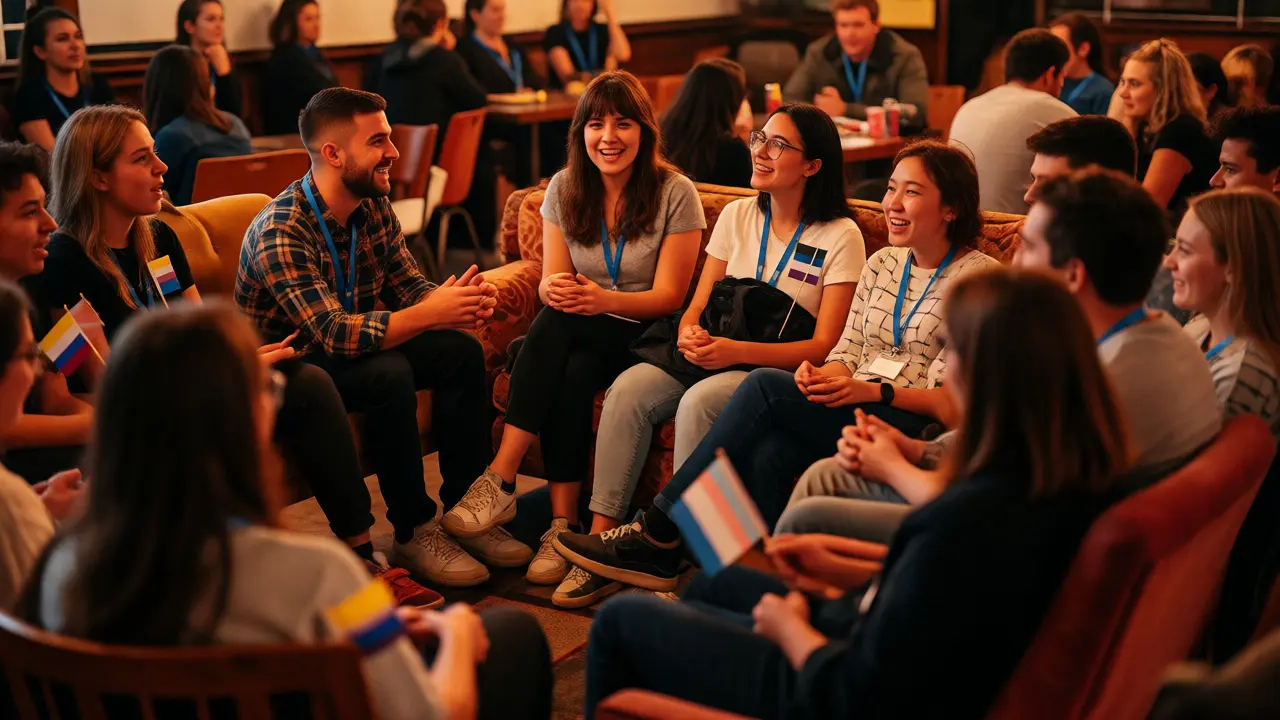
Not all LGBTQ+ societies look the same. Depending on your university’s size and culture, you might encounter several types of groups. Knowing the difference helps you find the right fit rather than joining something that feels wrong for your personality.
- The General Pride Society: This is usually the largest group. It covers everything from drag nights to political activism. It’s great if you want visibility and broad networking but might feel overwhelming if you prefer quiet hangouts.
- Identity-Specific Groups: Many universities now have separate chapters for Trans+ students, Bisexual/Pansexual collectives, or Queer People of Color (QPOC) groups. These spaces offer deeper cultural resonance and shared lived experiences that general groups sometimes miss.
- Affinity Groups: These mix identity with interests. Think "Queer Gamers," "LGBTQ+ Book Club," or "Rainbow Runners." They focus less on politics and more on shared hobbies, which can be a low-pressure way to make friends.
- Faith-Based Networks: For religious students, groups like Inter-Faith Alliance or specific Christian/Muslim queer fellowships provide a space to reconcile faith and sexuality without judgment.
How to Find and Join the Right Network
You don’t need to wait for Freshers’ Fair to find your people. Most universities list their registered societies on the Student Union website months before term starts. Here is a practical checklist to vet a society before you commit your time:
- Check the Activity Level: Look at their Instagram feed. Are they posting weekly events, or was the last update six months ago? A dormant page is a red flag.
- Read the Constitution: Serious societies have clear rules on inclusivity and conduct. If their guidelines explicitly mention respecting chosen names and pronouns, that’s a good sign of maturity.
- Attend One Event First: Don’t pay the membership fee immediately. Go to a casual coffee morning or a quiz night. See if the vibe matches what you need. Do people talk to each other, or do they stick to cliques?
- Talk to the Exec Committee: The elected officers run the show. Message them. Ask about their plans for the year. If they respond quickly and enthusiastically, the leadership is likely competent.
Navigating Challenges and Pitfalls
While these spaces are vital, they aren’t perfect. One common issue is tokenism. Sometimes, universities invite LGBTQ+ societies to lead pride events but ignore them during budget cuts. As a member, you can push back by attending Union meetings and voting on funding decisions. Another challenge is internal friction. Queer communities aren’t monoliths; disagreements happen. You might find that a general Pride society doesn’t adequately address trans healthcare issues, or that a QPOC group feels too exclusive for white queer students. Communication is key here. If a space isn’t working for you, try another one. There is no rule saying you must belong to only one group.
Also, watch out for "performative allyship" from non-queer members. While straight allies are welcome, ensure the core decision-making power remains with LGBTQ+ individuals. A healthy society will have a constitution that protects this balance. If you notice the conversation constantly centering straight experiences, it might be time to seek out a more focused affinity group.
Beyond Socializing: Professional and Academic Support
Your network shouldn’t stop at partying. Many senior students use these societies to build professional connections. Alumni networks often exist within these groups, offering mentorship for careers in law, tech, or media where diversity initiatives are growing. Some societies partner with the university’s Careers Service to host CV workshops specifically tailored to navigating workplace disclosure questions. Should you come out to your employer? How do you handle benefits for same-sex partners? Older students who’ve navigated this path can give advice that generic career guides miss.
Academically, some departments have informal queer reading groups or research collectives. Engaging with these can boost your confidence in seminars. When you have a peer group discussing queer theory or LGBTQ+ history, you enter lectures with a stronger foundation and less impostor syndrome.

Key Resources and Contacts
If your university lacks a robust society, don’t panic. National organizations provide lifelines and resources that local unions might miss. Stonewall provides school and university accreditation standards that you can reference when asking your union for better support. Switchboard LGBT+ offers a helpline staffed by trained volunteers who understand the specific pressures of student life. Keep these numbers saved. Sometimes you just need someone who understands the context without needing a backstory.
| Support Type | Best For | Typical Activities | Commitment Level |
|---|---|---|---|
| General Pride Society | Socializing & Visibility | Pride marches, Drag balls, Mixers | Low to Medium |
| Trans+ Collective | Specific Identity Support | HRT info sessions, Quiet meetups, Advocacy | Medium |
| Queer Affinity Group | Hobby-based Connection | Gaming nights, Book clubs, Sports teams | Low |
| University Counseling | Mental Health Crisis | 1-on-1 therapy, Drop-in clinics | High (Professional) |
Frequently Asked Questions
Do I have to be LGBTQ+ to join these societies?
Most societies welcome allies, but policies vary. Generally, general Pride societies are open to everyone, while specific identity groups (like Trans+ or QPOC collectives) may restrict voting rights or certain private meetings to those who identify with that group. Always check the society’s constitution or ask the exec committee before assuming access.
What if my university doesn't have an active LGBTQ+ society?
You can start one. Contact your Students' Union (SU) sabbatical officer responsible for equalities. They can guide you through the registration process. Alternatively, look for regional federations or online networks linked to your university town. Sometimes smaller unis share societies with nearby institutions.
Is it expensive to join these groups?
Membership fees are usually nominal, often between £5 and £10 per year, covering admin costs. Events like pub quizzes or movie nights might have small cover charges, but many societies secure funding from the SU to subsidize larger events like Pride floats or guest speakers, making them free for members.
How do I handle coming out to new friends in these spaces?
Take your time. In most queer spaces, the assumption is already inclusive, so you don't necessarily need to "announce" yourself unless you want to. Use pronoun pins or introductions if you're comfortable. If you're still exploring, simply being present in the space is valid. No one expects you to have your entire identity figured out by Freshers' Week.
Can these societies help with housing discrimination?
Yes, indirectly. Many societies maintain lists of queer-friendly landlords or halls of residence. They also lobby the university accommodation office to ensure policies protect against harassment based on sexual orientation or gender identity. If you face issues, the society exec can often intervene or direct you to the university's Equal Opportunities Office.
Next Steps for New Students
Start small. Pick one event next week. It could be a drop-in session or a casual meetup. Bring a friend if you’re nervous, or go alone to force interaction. Remember, these networks are built on reciprocity. Once you find a group that feels right, contribute. Volunteer for a shift at a stall, help organize a speaker, or just show up consistently. Your presence strengthens the community for the next cohort of students. And if you hit a wall with your local society, reach out to national bodies like Stonewall or Switchboard for broader perspectives and support. Your university years are a unique window to build a diverse, resilient support system that can last long after graduation.