
Want to know what a real job in marketing, engineering, or healthcare actually looks like? Talking to someone who does it every day is one of the most powerful ways to figure out if a career is right for you. And it doesn’t require a job application, an interview panel, or even a resume. All you need is a simple conversation.
What Exactly Is an Informational Interview?
An informational interview isn’t about getting hired. It’s about getting clarity. You sit down-virtually or in person-with someone who works in a field you’re curious about, and you ask them honest questions about their day-to-day life, challenges, rewards, and how they got there. It’s not a job interview. It’s a learning interview.
For UK students, this is especially useful. The job market can feel overwhelming. Degrees don’t always line up with real-world roles. A 22-year-old studying biology might think they need to become a doctor, but after talking to a medical researcher at a NHS lab, they discover they’d rather work in science communication. That kind of insight? It’s priceless.
Why Do This Instead of Just Searching Online?
Google can tell you the average salary for a chartered accountant. But it can’t tell you if that person hates spending 12 hours a week reconciling spreadsheets. It won’t mention how often they work late during tax season. It won’t say if their boss is supportive or if the company culture feels toxic.
Real people give real context. A 2023 survey by the UK’s National Careers Service found that 68% of students who had at least one informational interview felt more confident about their career choices within three months. That’s not because they got a job offer. It’s because they got a human answer.
Who Should You Ask?
You don’t need to reach out to CEOs or famous names. Start with people who are just a few years ahead of you. Think:
- A graduate from your university who works at a local startup
- A family friend who’s a teacher, nurse, or IT support worker
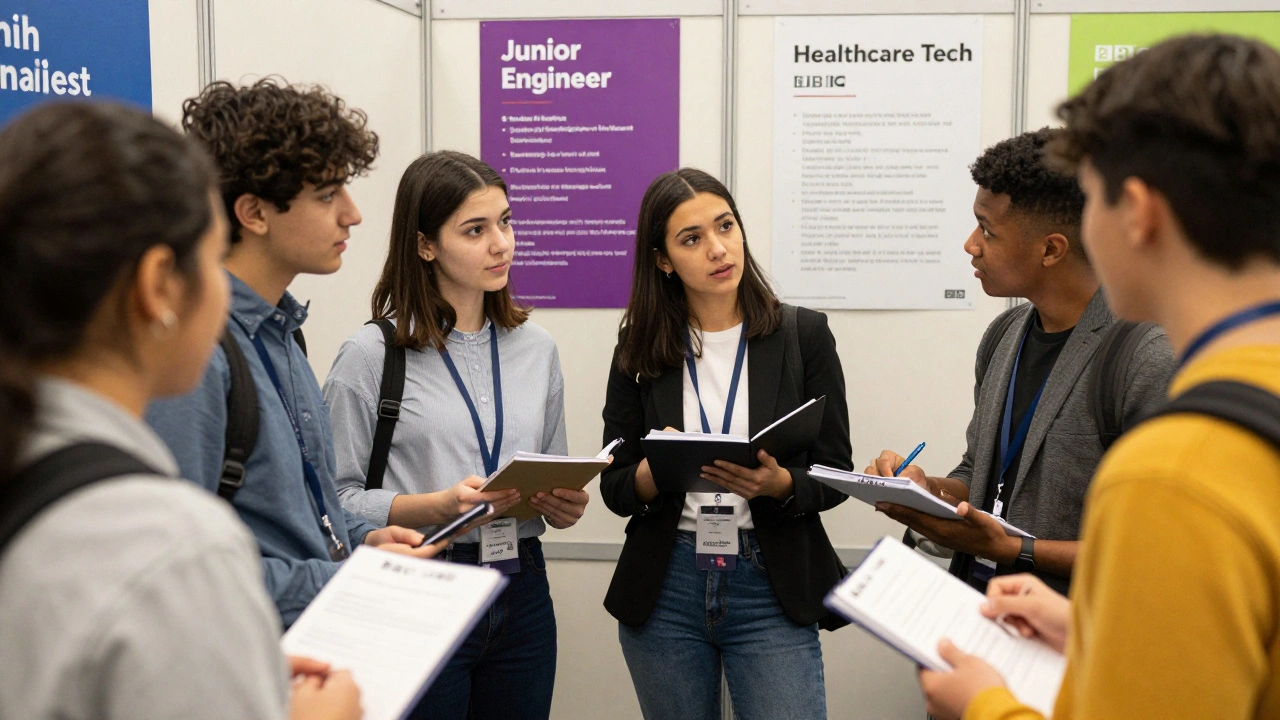
- Someone you met at a careers fair last term
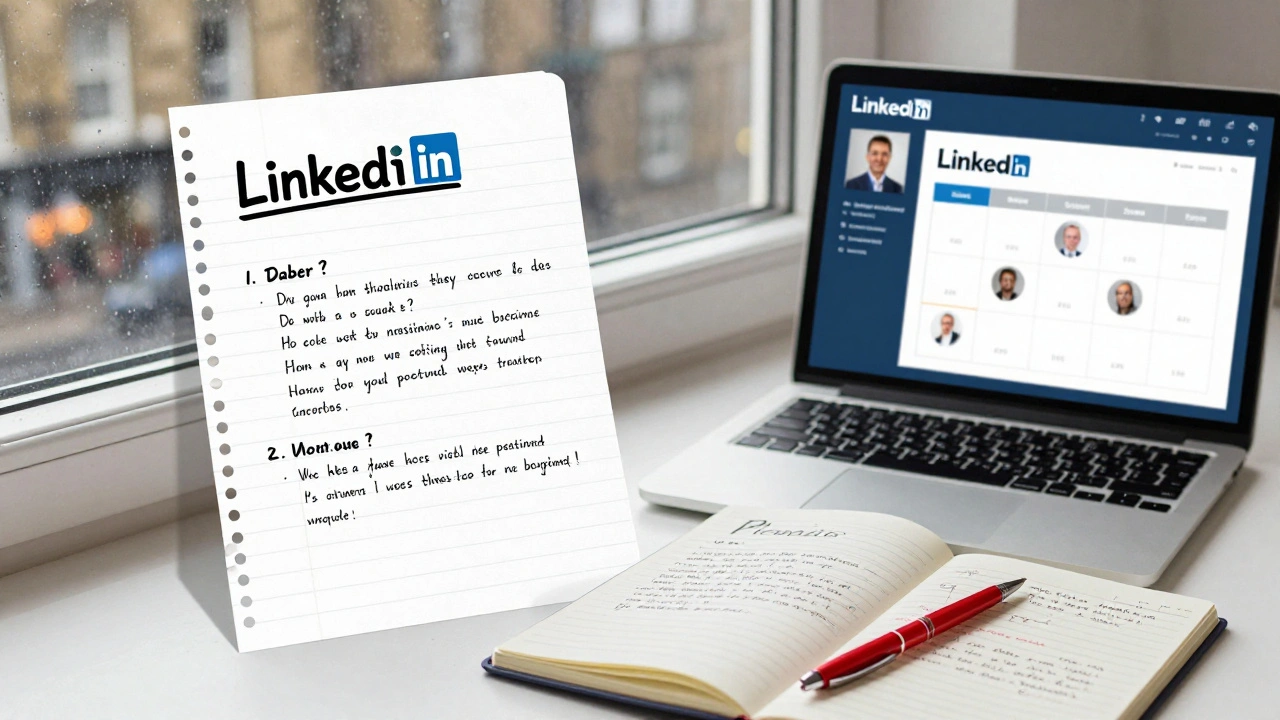
- A LinkedIn connection who posted about their job at a company you admire
Don’t wait for the "perfect" person. The best conversations happen with people who are close enough to remember what it was like to be a student. They’re more likely to reply, and they’ll give you grounded advice-not corporate buzzwords.
How to Find Them
Start with your network. Talk to your tutors. Ask your parents’ friends. Check your university’s alumni directory-most UK universities have one. Search LinkedIn using filters like:
- "Alumni of [Your University]"
- "Works at [Company Name] in [City]"
- "Studied [Your Subject]"
Look for profiles that mention roles you’re curious about. If someone has a job title like "Junior Data Analyst at BBC," and you’re studying statistics, that’s your person. Send them a polite message.
How to Ask Without Sounding Weird
Here’s a template that works every time:
"Hi [Name], I’m [Your Name], a [Year] student at [University] studying [Subject]. I came across your profile and was really interested in your work at [Company]. I’m exploring career options in [Field] and would be grateful for 15-20 minutes of your time to ask a few quick questions. No pressure at all-if you’re too busy, I totally understand. Either way, thanks for your time!"
That’s it. No fluff. No begging. No asking for a job. Just a clear, respectful request for a short chat. People like helping students. Most will say yes.
What to Ask
Don’t wing it. Prepare 5-7 questions. Here are the most useful ones:
- What does a typical day look like for you?
- What do you enjoy most about your job? What do you dislike?
- How did you get into this role? Was there a specific step that made the difference?
- What skills or qualifications matter most in this field?
- What’s one thing you wish you’d known when you were starting out?
- Are there any entry-level roles or internships you’d recommend for someone like me?
- Who else should I talk to next?
Ask open-ended questions. Avoid yes/no ones. Let them tell stories. If they mention a tool like Power BI or a certification like CIMA, write it down. Those are your next steps.
How to Keep It Professional (But Not Stiff)
Be polite, but be yourself. Wear something neat if meeting in person. If it’s Zoom, make sure your background isn’t messy. Have your questions ready. But don’t read from a script. Listen more than you talk.
People can tell when you’re genuinely curious. If they mention they hate Monday morning meetings, laugh with them. If they talk about how proud they were of a project they led, ask what made it special. That’s when real advice comes out.
After the Conversation
Send a thank-you email within 24 hours. Keep it short:
"Hi [Name], thanks so much for taking the time to talk. I really appreciated hearing about your experience with [specific thing they mentioned]. It helped me see [field] in a new way. I’ll definitely look into [tool/program they suggested]. Thanks again!"
And here’s the key: if they gave you a name of someone else to talk to, reach out to that person. Don’t wait. Do it within a week. Say: "[Name] suggested I speak with you-they said you’d be great to talk to about [topic]." People love being referenced. It makes your request feel less random.
What to Do With the Info
After 2-3 conversations, you’ll start seeing patterns. Maybe everyone you talk to says they need strong Excel skills. Or that networking matters more than grades. Or that the industry is shifting toward remote work.
Write down those patterns. Use them to:
- Decide which modules to take next term
- Update your CV with relevant skills
- Apply for internships that match what you’ve learned
- Adjust your long-term goals
One student I spoke to in Manchester did five informational interviews over six weeks. She thought she wanted to be a lawyer. After talking to a solicitor, a legal tech developer, and a paralegal, she switched her degree to digital media. Now she runs her own podcast about law and tech. That shift? It started with 15-minute chats.
Common Mistakes to Avoid
Don’t:
- Ask for a job. That’s not why you’re talking.
- Go over 30 minutes. People are busy. Respect their time.
- Follow up every day. One thank-you note is enough.
- Use jargon you don’t understand. If you’re unsure what "KPI" means, ask. They’ll explain.
- Wait until your final year. Start early. Even in your first year.
The biggest mistake? Not doing it at all. Too many students wait for someone to hand them a career path. No one will. You have to go find it.
Where to Go Next
Once you’ve done a few informational interviews, you’ll notice something: careers aren’t linear. People switch paths. They start in finance and end up teaching. They leave big firms to launch startups. The map isn’t fixed.
Keep talking. Keep learning. Use these conversations to build your own personal career network. That network becomes your safety net when you’re ready to apply for jobs.
And remember-this isn’t about impressing anyone. It’s about understanding. The right career isn’t the one with the highest salary. It’s the one that fits your life, your strengths, and your values. You won’t find that on a university careers page. You’ll find it in a conversation.
Do I need to be in the UK to do informational interviews with UK professionals?
No. Many UK professionals are happy to chat over Zoom or Teams, no matter where you are. Location doesn’t matter as much as your curiosity and respect for their time. Just make sure you’re polite about time zones-don’t ask for a 7am call if they’re in London and you’re in New Zealand.
What if someone says no?
It happens. Don’t take it personally. People are busy, overwhelmed, or just not in the right headspace. Send a quick reply like, "Thanks anyway-I totally understand. Wishing you a great week!" Then move on to the next person. Your 10th request is often the one that gets a yes.
Can I do this as a first-year student?
Absolutely. In fact, starting early gives you the biggest advantage. You’re not expected to have answers yet. You’re there to learn. Many professionals love helping students who ask thoughtful questions early on. It shows initiative.
Should I bring my CV to the meeting?
Not unless they ask. The goal is to learn, not to sell yourself. If they say, "Send me your CV," then do it-but only after the conversation. Don’t hand it over at the start. That shifts the tone from learning to job hunting.
How many informational interviews should I aim for?
Start with 3-5. That’s enough to spot patterns and get a realistic picture. Once you feel confident about a path, you can go deeper with 2-3 more in that specific area. Quality matters more than quantity.
Informational interviews don’t take much time. But they change everything. You’re not just asking about jobs-you’re asking about lives. And that’s how you find the one that fits you.