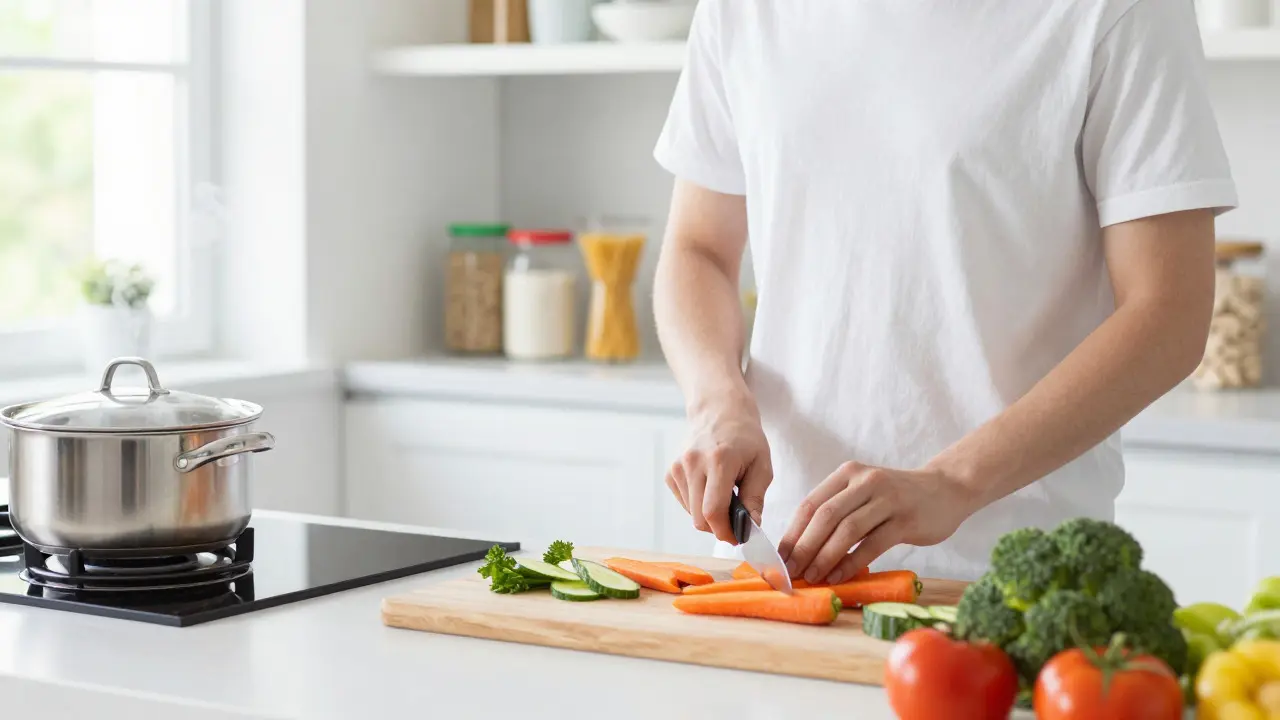
Stepping into university in the UK often means trading your parents' help for a set of keys and a lease. For many students, this is the first time they are fully responsible for their own environment. It can feel overwhelming, but mastering independent living skills is less about perfection and more about building sustainable habits that save you money and stress.
You don't need to become a chef or a professional cleaner overnight. You just need a system that works for your lifestyle. Whether you're staying in university halls, a shared flat, or a private studio, these practical strategies will help you navigate the transition smoothly.
Quick Summary / Key Takeaways
- Cooking: Master three simple meals and learn basic knife skills to save an average of £100-£150 per month compared to eating out.
- Cleaning: Adopt a "clean as you go" approach with a 15-minute daily reset routine to prevent mess accumulation.
- Laundry: Wash clothes only when necessary and use energy-efficient settings to reduce utility bills.
- Admin & Bills: Set up direct debits and calendar reminders for rent, council tax (if applicable), and utilities immediately upon arrival.
- Mental Health: Create a small, comfortable zone in your room to maintain a sense of calm amidst the chaos of student life.
Mastering the Kitchen on a Student Budget
The kitchen is where most independent living struggles begin. In the UK, food prices have risen significantly, making efficient cooking a financial necessity rather than just a hobby. The goal isn't to cook elaborate five-course dinners; it's to prepare nutritious, affordable meals consistently.
Start by learning how to handle a few core ingredients. Rice, pasta, potatoes, lentils, and seasonal vegetables form the backbone of cheap, healthy student meals. According to recent data from the Food Foundation, households that plan their weekly menu spend roughly 30% less on groceries than those who shop impulsively. Try planning one day a week-usually Sunday-for meal prep. Cook a large batch of rice or quinoa, chop vegetables, and portion them out for the week ahead.
| Meal Option | Average Cost (Per Person) | Time Required | Nutritional Value |
|---|---|---|---|
| University Cafeteria | £6.50 - £8.00 | 5 mins (queue + eat) | Moderate (often high salt/sugar) |
| Takeaway/Restaurant | £12.00 - £18.00 | 15-20 mins | Variable (often low fiber) |
| Simple Home-Cooked (e.g., Pasta Bolognese) | £2.50 - £4.00 | 30 mins | High (controlled portions) |
| Batch-Cooked Meal Prep | £1.50 - £2.50 | 20 mins/day (prep done weekly) | High (balanced macros) |
Learn the basics of food safety too. Keep raw meat separate from ready-to-eat foods, and know which leftovers can be safely reheated. This prevents unnecessary waste and potential health issues. If you live in shared accommodation, establish a fair rotation for washing dishes. Apps like Splitwise can help track who owes what if you buy ingredients together, but a simple whiteboard in the kitchen often works better for daily dish duty.
Creating a Sustainable Cleaning Routine
Cleaning doesn't have to be a weekend marathon. The biggest mistake new students make is waiting until the mess becomes unmanageable. Instead, adopt a "micro-cleaning" strategy. Spend just 10-15 minutes every evening tidying up. Put dirty clothes in the hamper, wash dishes, and wipe down surfaces. This prevents the dreaded "Sunday night panic" where you’re frantically trying to clean before guests arrive or moving out.
For deeper cleaning, focus on high-touch areas. The bathroom and kitchen sink are where bacteria thrive. Use disinfectant wipes once a week on handles, taps, and light switches. When it comes to laundry, resist the urge to wash everything after one wear. Jeans, sweaters, and outerwear can often be worn multiple times before needing a wash. This saves water, electricity, and extends the life of your clothes. Check your washing machine’s manual for the most energy-efficient cycle-usually a cold wash at 30°C is sufficient for most everyday items.
If you share a flat, agree on a schedule for communal areas. A common pitfall is assuming someone else will do the vacuuming. Write down responsibilities clearly. For example, Person A does the kitchen, Person B does the bathroom, and Person C vacuums the living room. Rotate roles monthly to keep things fair.
Managing Bills, Admin, and Daily Logistics
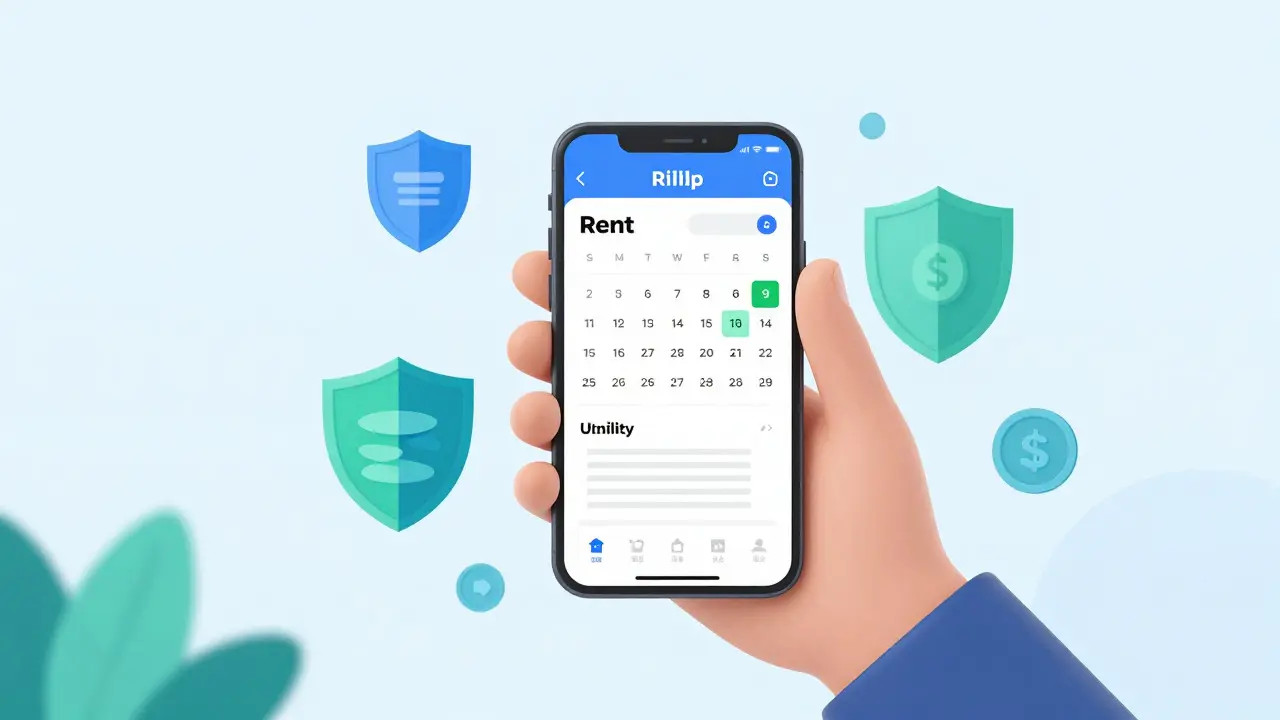
Independent living involves more than just physical chores; it includes administrative tasks that can trip you up if ignored. As soon as you move in, set up direct debits for your rent, broadband, and any utility bills. Missing a payment deadline can result in late fees or even service interruption.
In the UK, most student accommodations include utilities in the rent, but if you're renting privately, you'll likely pay for gas and electricity separately. Register with your local supplier within 30 days of moving in to avoid being placed on a higher standard tariff. Also, check if you need to register for Council Tax. Most full-time students are exempt, but you must provide proof of enrollment to your local council. Failing to do so can lead to unexpected bills later.
Create a digital folder on your phone or cloud storage for important documents: tenancy agreement, ID, insurance policies, and receipts. This makes it easy to find information when you need it, such as when reporting a repair issue to your landlord or claiming back a deposit.
Maintaining Mental Well-being in Shared Spaces
Living independently can be isolating, especially in shared flats where roommates may have different lifestyles. Establish boundaries early. Communicate your quiet hours, noise preferences, and expectations regarding guests. A simple conversation in the first week can prevent months of friction.
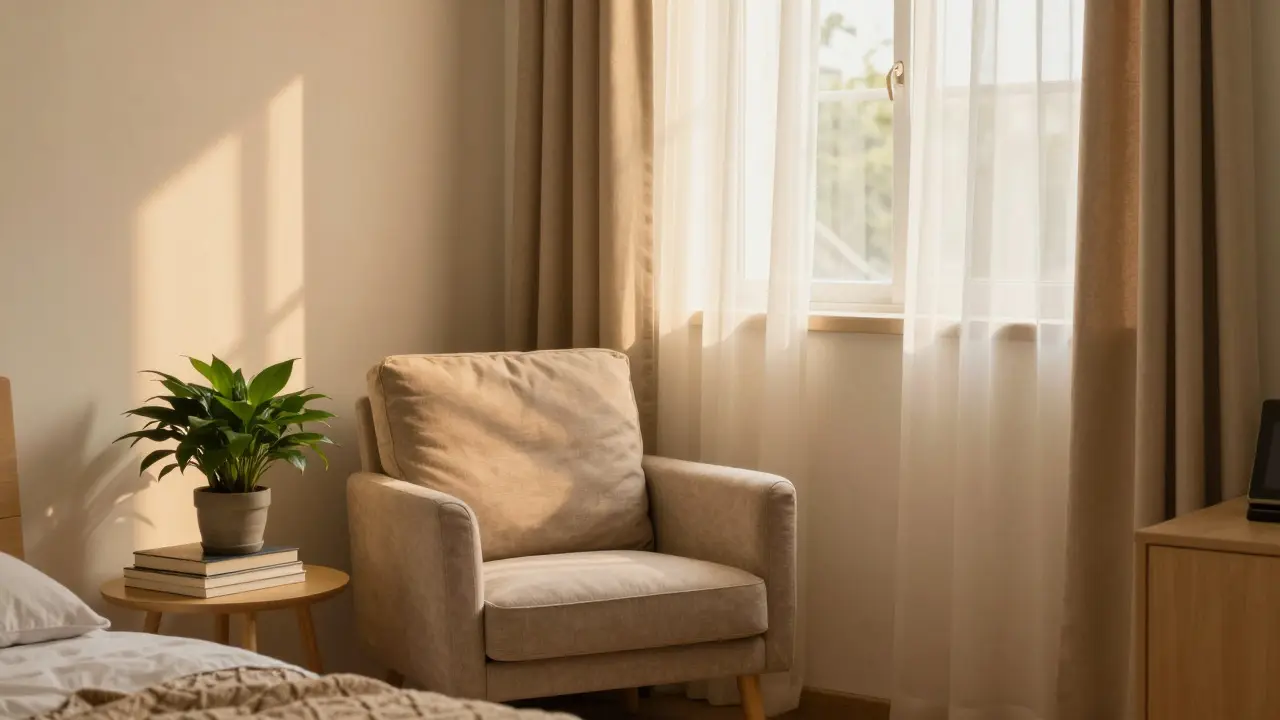
Create a personal sanctuary in your room. Even if it's just a corner with a comfortable chair, good lighting, and a plant, having a space that feels distinctly "yours" helps regulate stress. Use this space for reading, studying, or simply decompressing. If tensions arise, address them promptly. Avoid letting small annoyances fester. A quick chat is usually more effective than passive-aggressive notes or avoidance.
Stay connected with friends and family through regular video calls, but balance this with local socializing. Joining a university society or club is a great way to meet people who share similar interests, reducing the feeling of isolation that can come with moving far from home.
Safety and Security Essentials
Security is a key aspect of independent living. Always lock your doors and windows, even if you're just stepping out for coffee. In shared flats, agree on a policy for visitors. Do guests need to be let in by a resident? Are there curfews? These rules protect everyone's peace of mind.
Know where your emergency exits are located in your building. Test your smoke alarms when you move in and replace batteries if needed. Keep a basic first aid kit in your room or the communal area. Include band-aids, antiseptic wipes, pain relievers, and any personal medications you might need. Having these supplies on hand means you won't have to rush to a pharmacy at midnight for minor injuries.
Frequently Asked Questions
How much should I budget for groceries as a UK student?
A reasonable budget for a single student cooking at home is between £40 and £60 per week. This allows for fresh produce, protein, and staples while leaving room for occasional treats. Prices vary by region, so adjust based on local supermarket rates.
What is the best way to handle disputes with flatmates?
Address issues directly and calmly as soon as they arise. Use "I statements" (e.g., "I feel..." instead of "You always..."). If verbal discussions fail, create a written house rule document signed by all residents. If conflicts persist, contact your university's housing office or tenant association for mediation.
Do I need to pay Council Tax as a student in the UK?
Most full-time students are exempt from Council Tax, but you must apply for the exemption with your local council. Provide a letter from your university confirming your enrollment status. Failure to apply can result in being billed for the tax.
How often should I deep clean my room?
Aim for a thorough deep clean once every two weeks. This includes dusting surfaces, vacuuming under furniture, and washing bedding. Daily micro-tidying ensures that the bi-weekly deep clean remains manageable and quick.
What are the essential tools for a beginner's kitchen?
You don't need expensive equipment. Start with a sharp chef's knife, a cutting board, a large pot, a frying pan, a colander, and a set of basic utensils (spoon, spatula, tongs). These cover 90% of student cooking needs.