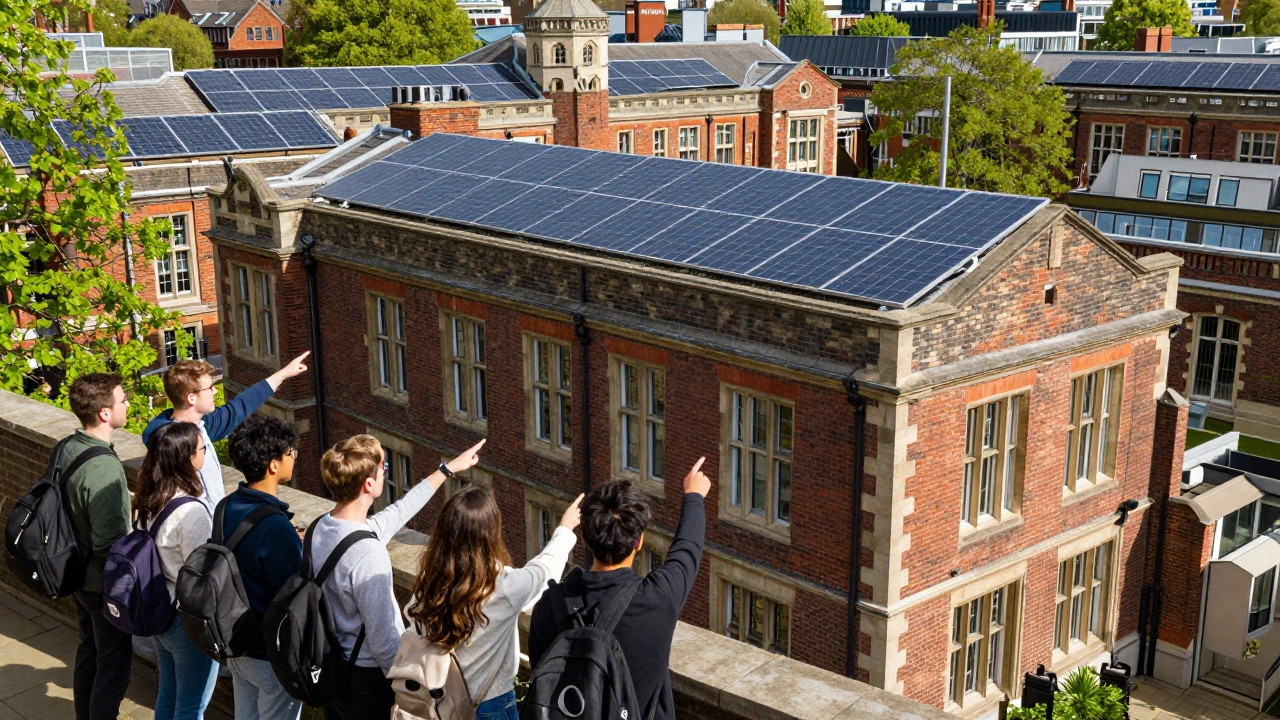
Imagine walking onto a university campus in London or Manchester and seeing solar panels installed not by the administration, but because a group of students refused to let it go unnoticed. This isn't science fiction; it's the current reality of Environmental Activism at UK Universities, which has evolved from niche debates into powerful institutional drivers for change. As we move through 2026, the pressure is on. Students aren't just asking for recycling bins anymore. They are demanding structural overhauls, divestment from fossil fuels, and measurable progress toward carbon neutrality.
The landscape of higher education in the United Kingdom is shifting rapidly. With the climate crisis accelerating, the next generation of graduates is holding their institutions accountable. If you're a student looking to get involved, or an educator trying to understand this movement, you need to know how these groups operate, what they achieve, and why their impact matters more than ever.
The Rise of Student-Led Climate Action
Gone are the days when environmental concern was limited to a few passionate individuals in obscure corners of campus life. Today, Green Societies are among the most active and influential student organizations in the country. These groups serve as the bridge between academic theory and real-world political action. They organize protests, run educational workshops, and directly negotiate with university leadership.
The momentum behind this movement stems from a growing sense of urgency. According to recent surveys, over 70% of UK undergraduates consider climate change a top priority when choosing where to study. This demographic shift forces universities to respond. When students vote with their feet-and their voices-institutions listen. The result? A surge in dedicated sustainability offices, green curriculum mandates, and student-led governance boards.
But it’s not just about numbers. It’s about agency. Students realize that waiting for government policy is too slow. They take matters into their own hands, turning campuses into laboratories for sustainable living. From community gardens to zero-waste cafes, these initiatives prove that small-scale actions can scale up to systemic change.
What Do Green Societies Actually Do?
If you’ve never joined a green society, you might think it’s all about picking up litter. While cleanup events happen, the core work is far more strategic. Here’s what these groups typically focus on:
- Campus Audits: Measuring energy consumption, waste output, and water usage to identify inefficiencies.
- Policy Advocacy: Drafting proposals for university executives to adopt renewable energy sources or eliminate single-use plastics.
- Financial Divestment Campaigns: Pressuring endowments to pull funding from fossil fuel companies-a tactic borrowed from the global divestment movement.
- Educational Outreach: Hosting guest speakers, film screenings, and skill-sharing sessions on topics like permaculture and circular economy principles.
- Community Partnerships: Collaborating with local NGOs, city councils, and other universities to amplify impact beyond campus borders.
Take the University of Bristol, for example. Their student environmental group successfully lobbied for the installation of bike-sharing schemes across campus, reducing car dependency by nearly 15% in two years. Or look at Imperial College London, where student activists pushed for a complete ban on beef in dining halls due to its high carbon footprint. These aren’t hypotheticals-they’re documented wins achieved through persistence and smart organizing.
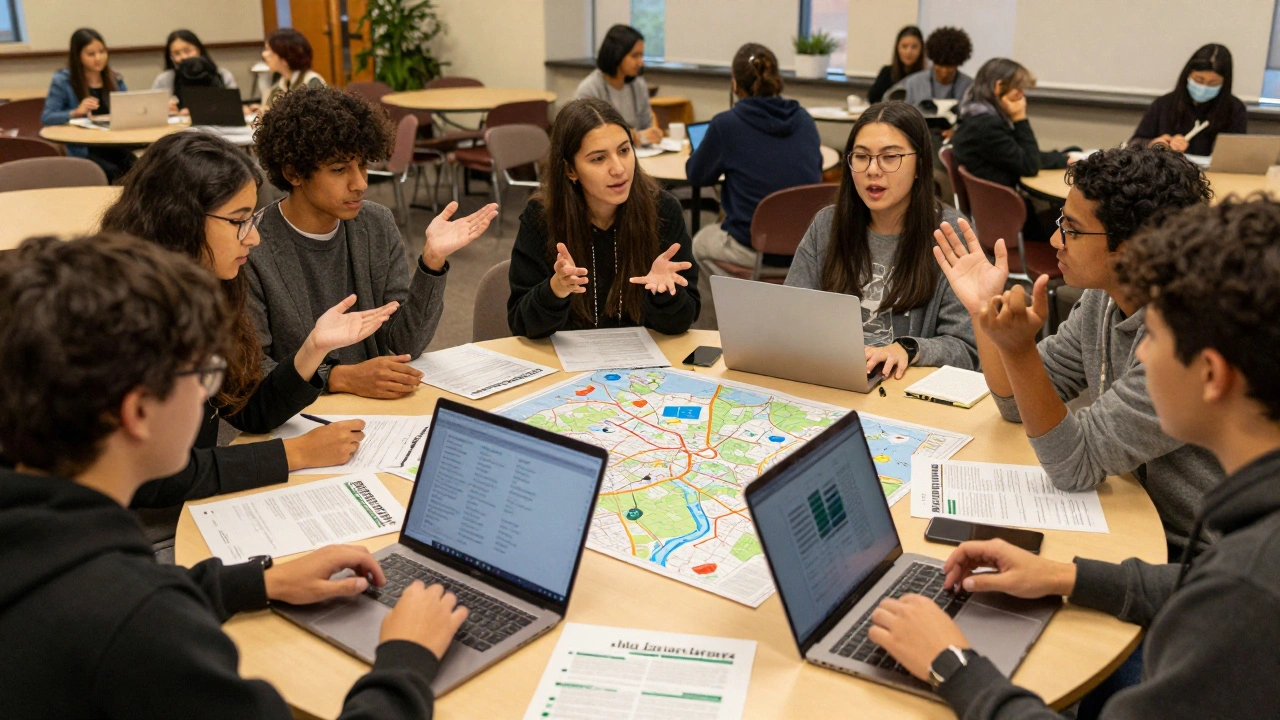
Key Initiatives Shaping Campus Sustainability
Beyond individual societies, broader frameworks guide sustainability efforts across UK universities. Two major programs stand out: the Net Zero Universities (NZU) initiative and the People and Planet Guild.
Net Zero Universities is a collaborative platform launched to help higher education institutions meet net-zero emissions targets by 2050. It provides tools, benchmarks, and peer support. But here’s the catch: without student pressure, many universities would treat NZU as a box-ticking exercise. Students ensure accountability by tracking progress publicly and calling out greenwashing.
The People and Planet Guild takes a different approach. It integrates sustainability into the very fabric of student life. Members participate in campaigns around fair trade, ethical investing, and social justice alongside environmental issues. This holistic view recognizes that ecological health cannot be separated from human rights and economic equity.
| Framework | Primary Focus | Student Involvement Level | Measurable Outcome |
|---|---|---|---|
| Net Zero Universities | Carbon reduction targets | High (monitoring & advocacy) | Emissions data transparency |
| People and Planet Guild | Social-ecological integration | Very High (campaign leadership) | Policy changes on campus |
| Individual Green Societies | Local project implementation | Direct execution | Waste diversion rates, tree planting counts |
Challenges Facing Student Activists
Despite successes, the path isn’t smooth. Student activists face several persistent hurdles:
- Bureaucratic Delays: Universities are large, slow-moving entities. Getting approval for even minor projects can take months.
- Funding Constraints: Many green initiatives require upfront investment. Securing budget allocations often means competing against traditional departments.
- Greenwashing Risks: Some institutions make flashy promises without following through. Students must constantly verify claims against actual data.
- Burnout: Leading a campaign while studying full-time is exhausting. Retention of experienced members remains a challenge.
To combat burnout, successful societies emphasize rotation of leadership roles and celebrate small victories. They also build coalitions-partnering with engineering clubs for tech solutions, arts groups for awareness campaigns, and business students for financial modeling. This cross-disciplinary approach strengthens both the movement and the skills of participants.

How You Can Get Involved
You don’t need to be an expert to contribute. Most green societies welcome newcomers regardless of background. Start by attending open meetings or volunteering for upcoming events. Look for opportunities that match your interests:
- Data Nerds: Help analyze utility bills or track waste metrics.
- Creative Types: Design posters, manage social media, or create video content.
- Communicators: Write press releases, give speeches, or interview stakeholders.
- Organizers: Coordinate logistics for protests, cleanups, or conferences.
Don’t underestimate the power of consistency. Showing up regularly builds trust with faculty and administrators. Over time, you’ll gain access to decision-making tables and influence policies that affect thousands of people.
The Future of Campus Environmental Leadership
As we look ahead, the role of students in shaping sustainability will only grow. With new technologies emerging-like AI-driven energy management systems and blockchain-based supply chain tracking-there are endless possibilities for innovation. Universities that empower their students today will lead tomorrow’s green economy.
Moreover, the lessons learned on campus ripple outward. Alumni who participated in green societies often carry those values into their careers, driving change in corporations, governments, and communities worldwide. Your involvement now plants seeds for future generations.
Is joining a green society worth my time if I’m already busy with studies?
Absolutely. Most societies offer flexible participation options. Even dedicating one hour per week to research or event planning makes a difference. Plus, the experience enhances your resume and develops transferable skills like teamwork and public speaking.
Can student groups really force universities to change policy?
Yes, especially when combined with public pressure. Successful campaigns use data, storytelling, and coalition-building to demonstrate demand. Examples include mandatory recycling programs and bans on disposable cups, all driven by student advocacy.
What if my university doesn’t have an active green society?
Start one! Gather interested peers, draft a constitution, and register officially through your student union. Reach out to alumni networks or nearby universities for mentorship. Many thriving groups began with just five determined founders.
How do I avoid greenwashing when evaluating university claims?
Ask for specific metrics: What percentage of energy comes from renewables? How much waste is diverted from landfills? Are there third-party audits? Vague statements like “we care about the planet” mean nothing without hard numbers backing them up.
Do green societies focus only on environmental issues?
Not necessarily. Many integrate social justice components, recognizing that climate inequality disproportionately affects marginalized communities. Issues like food security, affordable housing, and labor rights often intersect with environmental goals.