
Imagine sitting in a coffee shop in Lisbon, laptop open, writing about the morning’s pastries while your bank account slowly fills up from ad revenue and affiliate clicks. It sounds like a dream reserved for digital nomads with trust funds, but for many UK students are individuals enrolled in higher education institutions across the United Kingdom who often face financial constraints while seeking experiential learning opportunities, it is becoming a realistic side hustle. The traditional model of saving pennies from a part-time job at a supermarket doesn't always cut it when you want to explore Europe during semester breaks.
The landscape of online content has shifted dramatically since the golden era of vlogging. Today, authenticity beats high production value. You don’t need a cinema camera or a drone to start. You need a smartphone, a consistent voice, and a strategy that turns your student life into valuable content. This isn’t just about posting pretty pictures; it is about building an asset that pays you back while you study.
Why Student Life Is Your Secret Weapon
Most aspiring bloggers try to hide their lack of money. They pretend they are staying in luxury hotels because they think that is what readers want to see. But here is the truth: people are tired of polished perfection. They want to know how to eat well on £5 a day. They want to know which hostels have clean sheets and safe lockers. As a student, you are already living this reality. That makes you an expert.
Your audience is likely other students, young professionals, or budget-conscious travelers. They trust you because you are in the same boat. When you write about finding free walking tours in London or using Student Beans is a discount platform that provides verified students with exclusive offers on travel, fashion, and technology products to get cheaper flights, you are providing immediate, actionable value. This relevance builds loyalty faster than generic travel guides ever could.
- Budget Expertise: You understand the pain of every penny, allowing you to create detailed cost breakdowns that resonate deeply.
- Time Flexibility: Semester breaks and summer holidays offer large blocks of time for deep-dive content creation.
- Authentic Voice: Your struggles and wins feel real, creating a stronger emotional connection with readers.
Choosing Your Platform: Where to Start
Before you buy a domain name, you need to decide where your home base will be. Many beginners jump straight into Instagram or TikTok. While these platforms offer quick visibility, they do not own your audience. Algorithms change overnight, and one bad update can wipe out your reach. A blog gives you control. It is a piece of the internet that belongs to you.
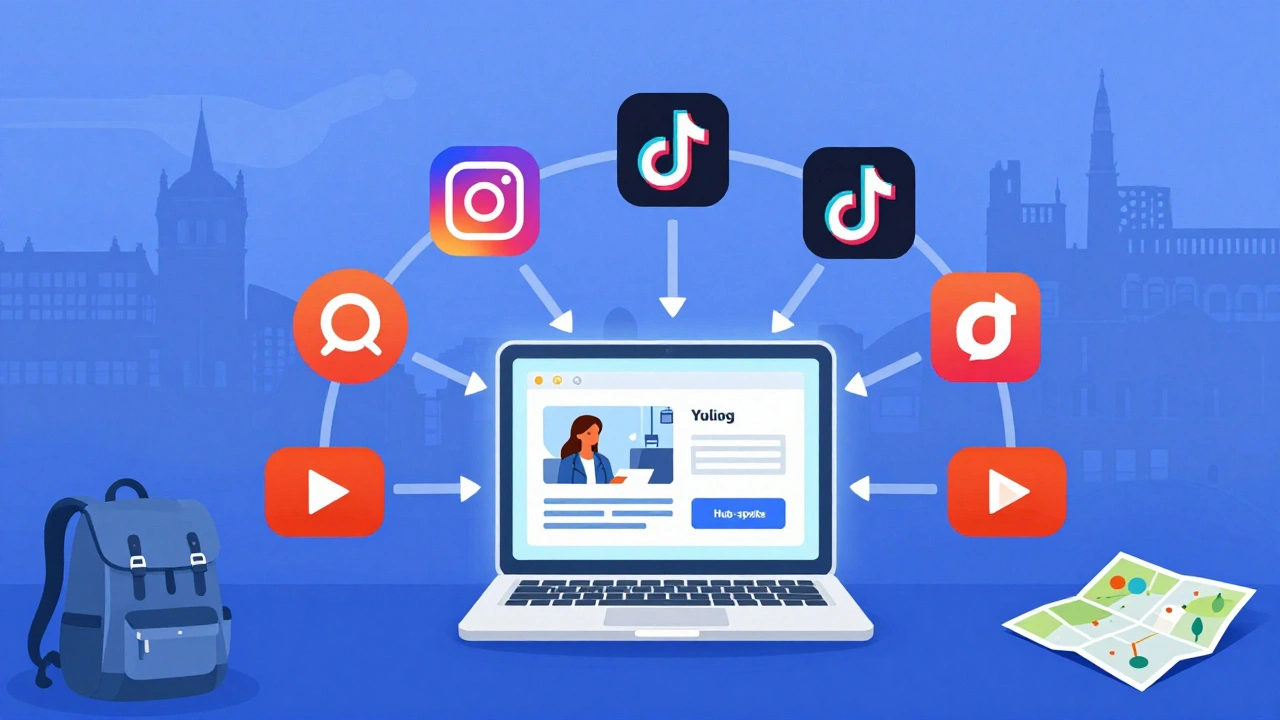
However, a blog alone is slow to grow. The smartest approach is a hub-and-spoke model. Use your blog as the central hub for long-form articles, SEO-driven guides, and monetization. Then, use social media as spokes to drive traffic there. For example, post a reel on Instagram showing a hidden gem in Edinburgh, then direct viewers to your blog for the full itinerary and budget breakdown.
| Platform | Best For | Monetization Potential | Effort Required |
|---|---|---|---|
| Blog (WordPress) | SEO, Ad Revenue, Affiliate Links | High (Long-term) | High (Writing & Optimization) |
| Instagram/TikTok | Brand Awareness, Viral Reach | Medium (Sponsorships) | Medium (Video Editing) |
| YouTube | Tutorials, Vlogs, Deep Dives | High (AdSense + Sponsorships) | Very High (Production) |
| Email Newsletter | Audience Retention, Direct Sales | Medium (Direct Promotions) | Low (Weekly Writing) |
Monetization Strategies That Actually Work
Let’s talk money. How do you actually fund those adventures? There are three main pillars: affiliate marketing, display ads, and sponsorships. For a new student blogger, affiliate marketing is the lowest barrier to entry. You recommend products you use-like a specific backpack, a language learning app, or a booking site-and earn a commission when someone buys through your link.
Display ads come later. Networks like Mediavine or Raptive require significant traffic (usually 50,000+ sessions) before they accept you. Until then, focus on affiliates. Join programs like Amazon Associates or specialized travel networks like Travelpayouts. The key is relevance. Don’t promote a $1,000 camera if your audience is looking for budget gear. Promote the £30 phone tripod that keeps your videos steady. It converts better because it fits their budget.
Sponsorships are the holy grail, but they take time. Brands want to see engagement, not just follower counts. If you have 1,000 loyal readers who click every link you share, you are more valuable than an influencer with 100,000 followers who never engage. Start small. Pitch local businesses or smaller eco-friendly brands. Offer them a dedicated blog post and social shoutouts in exchange for a free product or a small fee.
Content Ideas That Attract Readers
What should you write about? Stop writing "My Trip to Paris." No one searches for that. Instead, solve problems. People search for solutions. Think about the questions you had before your last trip. What was the cheapest way to get from Manchester to Barcelona? Which apps helped you navigate without data?
Create comprehensive guides. A post titled "The Ultimate Guide to Eating in Rome on a Student Budget" is far more valuable than a diary entry. Include specific prices, names of restaurants, and tips on avoiding tourist traps. These posts become evergreen content, meaning they continue to attract traffic months or years after you publish them. This is how you build passive income while you are sitting in lectures.
- Cost Breakdowns: Detail exactly how much you spent per day, including accommodation, food, and transport.
- Packing Lists: Curate lists of essentials for different climates and trip durations, linking to affordable options.
- Student Discounts: Compile databases of discounts available to UK students abroad, such as museum entries or transit passes.
- Workarounds: Share hacks for getting free Wi-Fi, accessing university libraries overseas, or finding free events.
Managing Time Without Failing Exams
The biggest risk for student bloggers is burnout. Your degree comes first. If you neglect your studies for a viral post, you lose the foundation of your future career. Treat your blog like a part-time job with strict hours. Block out two hours on Saturday mornings for writing and editing. Use tools like Notion is an all-in-one productivity tool that allows users to organize notes, tasks, and databases in a flexible workspace to plan content weeks in advance.
Batch your work. Spend one afternoon taking photos and recording clips. Spend another hour writing three short captions. Never try to create everything in one go. Consistency matters more than intensity. Posting once a week reliably is better than posting five times in one week and then disappearing for a month. Readers crave reliability.

Legal and Tax Considerations for UK Residents
As your blog starts making money, you enter the world of taxes. In the UK, any income from self-employment must be declared to HMRC. If your earnings exceed £1,000 in a tax year, you need to register as self-employed. Keep records of every expense related to your blog. This includes domain fees, software subscriptions, and even a portion of your travel costs if they were directly for content creation.
Be transparent with your audience. UK law requires you to disclose sponsored content and affiliate links clearly. Use phrases like "This post contains affiliate links" or "Sponsored by [Brand]." Failure to do so can damage your credibility and lead to legal issues. Honesty builds trust, which is your most valuable currency.
Building a Community Beyond Numbers
Finally, remember that blogging is about connection. Reply to comments. Ask questions in your posts. Create a sense of belonging. When readers feel heard, they return. They share your content. They buy through your links. This community is what sustains you when growth slows down or algorithms change. Focus on helping one person at a time, and the numbers will follow.
Can I start a travel blog with no money?
Yes. You can start with a free WordPress.com account or use a low-cost hosting provider like Bluehost or SiteGround for under £5 a month. Use your smartphone for photos and free editing apps like Canva for graphics. Invest only in a domain name initially.
How long does it take to make money from a travel blog?
It typically takes 6 to 12 months of consistent posting to see meaningful income. Most blogs generate little to no revenue in the first six months as they build search engine authority and audience trust.
Do I need to travel constantly to blog?
No. You can write about local trips, staycations, or even planning guides for destinations you haven't visited yet. Many successful bloggers write from their homes, focusing on research and expert advice rather than constant movement.
Is blogging still profitable in 2026?
Yes, but the strategy has changed. Short-form video and AI-generated content dominate attention, so human-centric, authentic storytelling and niche expertise are more valuable than ever. Blogs that provide unique personal experiences and practical advice continue to thrive.
What are the best affiliate programs for student bloggers?
Travelpayouts is excellent for travel-specific products like bookings and insurance. Amazon Associates works well for gear recommendations. Additionally, platforms like Skyscanner and Booking.com offer competitive commissions for flight and hotel referrals.