
Quick Guide: How to Get Help Now
- Online: Visit 111.nhs.uk for the fastest experience. You answer a series of questions, and the system tells you the next step.
- Phone: Dial 111 from any UK phone. This is better if you're feeling very unwell and can't type, or if you need a human to talk through complex symptoms.
- Cost: It is completely free to call 111 from any landline or mobile.
What Exactly Can NHS 111 Help You With?
Many students make the mistake of thinking 111 is only for "emergencies." In reality, it's for those "in-between" moments. If you're not sure if your situation is an emergency, you call 111. They handle a massive range of issues, from mental health crises to physical injuries.For example, if you've developed a sudden, painful rash after a weekend trip, or you're struggling with a severe migraine that won't respond to over-the-counter meds, 111 is your first stop. They can help with things like:
- Urgent Medical Advice: When you're too sick to wait for a GP appointment but aren't dying.
- Finding Local Services: They can tell you which Pharmacy is open late in your city or where the nearest Urgent Care Centre is.
- Mental Health Support: If you're feeling overwhelmed or in a crisis, they can connect you with local mental health teams.
- Prescription Help: If you've run out of a critical medication over the weekend and your regular doctor's office is closed.
How the Process Works for Students
When you contact the service, the goal is triage. You'll talk to a trained advisor (or use the online tool) who will ask you specific questions about your symptoms. They use a clinical database to determine the urgency of your needs. Depending on your answers, the outcome usually falls into one of these categories:- Self-Care: They'll give you advice on how to manage the symptoms at home (e.g., using a specific type of heat pack or over-the-counter medicine).
- Pharmacy Visit: They might suggest a pharmacist can handle the issue faster than a doctor.
- GP Appointment: They can help you get an urgent appointment with your registered doctor.
- Out-of-Hours Service: If it's the weekend, they can book you into a local clinic that operates when GPs are closed.
- A&E or Ambulance: If the situation is critical, they will direct you to the hospital or dispatch an ambulance immediately.
Dealing with the GP Registration Hurdle
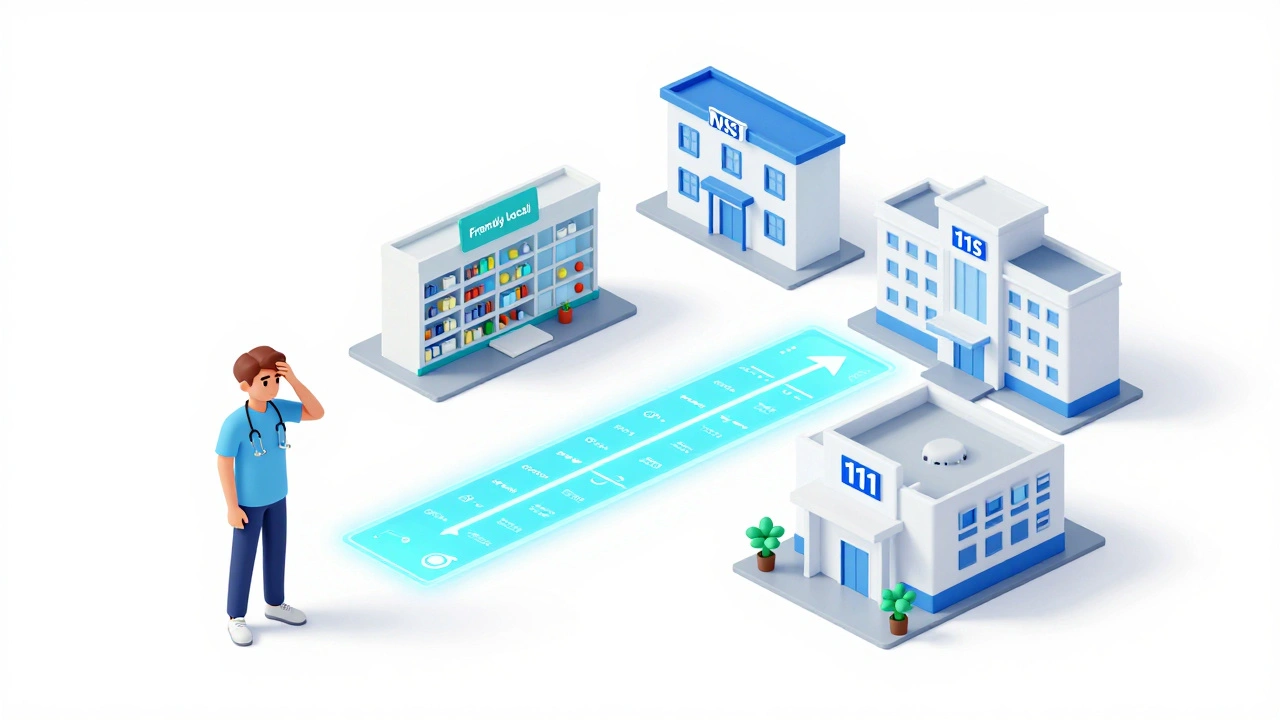
One of the biggest headaches for students-especially international ones-is the GP Registration process. You might be thinking, "I haven't officially registered with a doctor yet, can I still call 111?" Yes, you absolutely can. You do not need to be registered with a local GP to use the 111 service. However, if 111 determines you need a follow-up appointment, having a registered GP makes the transition much smoother. If you aren't registered, they will still help you, but you might be directed to a walk-in centre or an unscheduled care clinic.| Feature | NHS 111 | GP Surgery | A&E (Hospital) |
|---|---|---|---|
| Urgency | Urgent / Uncertain | Routine / Planned | Life-Threatening |
| Availability | 24/7 | Business Hours | 24/7 |
| Wait Time | Low to Moderate | Varies (can be days) | High (Hours) |
| Registration Required? | No | Yes | No |
The International Student Perspective: IHC Surcharges
If you're studying in the UK on a Student Visa, you've likely paid the Immigration Health Surcharge (IHS). This is the fee that allows you to use the NHS. Because you've paid this, using 111 and the subsequent services they refer you to (like a GP or A&E) is generally free at the point of use. Just keep in mind that while the consultations are free, some things still cost money. For instance, if 111 sends you to a pharmacy for a prescription, you'll likely have to pay the standard prescription charge unless you're exempt (which some students are, depending on age or income). Always carry your BRP (Biometric Residence Permit) or passport when visiting a clinic referred by 111, as it helps them verify your identity and IHS status quickly.Common Pitfalls to Avoid
It's easy to get overwhelmed when you're sick and in a foreign country. To get the most out of the service, avoid these common mistakes:- Downplaying your symptoms: Don't say "I'm fine" if you're actually struggling. Be honest and specific. Instead of saying "I feel bad," say "I've had a 39-degree fever for two days and I can't stop shivering."
- Ignoring the online option: If you're not in a critical state, the online portal is often faster than waiting on hold during a peak period (like during flu season).
- Using 111 for non-medical issues: 111 is for health. If you've lost your passport or need housing help, they can't assist. Stick to physical and mental health concerns.
Connecting 111 with University Health Services
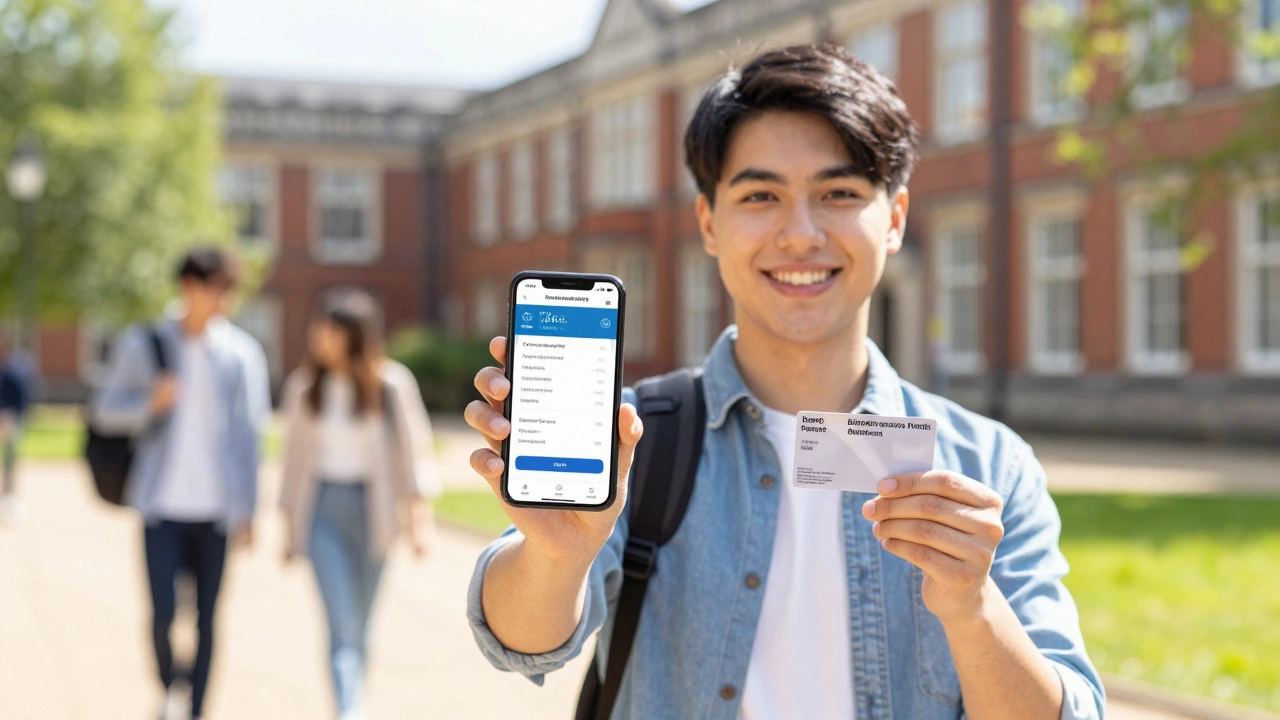
Most universities have their own Student Health Centre. While these are great for routine check-ups, vaccinations, and mild illnesses, they usually close in the evening and on weekends. Think of your university clinic as your "Home Base" and 111 as your "Emergency Bridge." If you see a doctor via 111 on a Sunday, it's a good idea to tell your university doctor about it on Monday. This ensures your medical records stay updated and your primary care provider knows what treatment you've already started.Is NHS 111 free for international students?
Yes, calling 111 or using the online service is free for everyone in the UK, regardless of residency or visa status. If you have paid the Immigration Health Surcharge (IHS), the subsequent care you are referred to by 111 is also generally free.
Do I need to be registered with a GP to use 111?
No, you do not need to be registered with a General Practitioner (GP) to access the 111 service. However, if 111 determines you need a follow-up appointment, being registered with a GP makes the process much faster and more efficient.
When should I call 999 instead of 111?
Call 999 if there is an immediate threat to life. This includes things like chest pain (potential heart attack), severe bleeding, difficulty breathing, or loss of consciousness. Use 111 for urgent but non-life-threatening issues.
Can 111 help with mental health crises?
Yes. 111 can provide mental health support and can connect you with local crisis teams or specialized mental health services if you are feeling overwhelmed or unsafe.
What happens if I use the online 111 service?
The online service guides you through a symptom checker. Based on your responses, it will either give you self-care advice, suggest a pharmacy, or offer to call you back for a clinical assessment or book you into an urgent care slot.
Next Steps for Your Health Toolkit
Now that you know how to use 111, don't wait until you're sick to get your health admin sorted. Here is a quick checklist for every student arriving in the UK:- Register with a GP: Find the surgery closest to your accommodation and sign up immediately. Do not wait until you have a fever to do this.
- Download the NHS App: Once registered, this app allows you to book appointments and order repeat prescriptions from your phone.
- Locate Your Nearest A&E: Know exactly where the nearest Accident and Emergency department is and how to get there via public transport.
- Save 111 in Your Contacts: It sounds simple, but having it ready reduces panic during a midnight health scare.