
Starting a business while studying in the UK is less about having a million-pound idea and more about managing your time, money, and legal obligations. You don't need to drop out or quit your degree. In fact, many successful founders started their ventures right from their dorm rooms or local cafes. The key is understanding the specific rules that apply to students, especially if you are on a visa or receiving government funding.
This guide breaks down exactly how to launch a small business a commercial venture owned by an individual or group of individuals, often operating on a limited scale while balancing your academic workload. We will cover the legal structures, tax implications, and practical steps to get you from idea to first sale without burning out.
Quick Summary / Key Takeaways
- Legal Structure: Most students start as Sole Traders for simplicity, but Limited Companies offer better liability protection if you plan to scale.
- Tax Thresholds: You generally don't pay Income Tax until your profit exceeds £12,570 (the Personal Allowance) per year.
- Visa Rules: International students on Tier 4 (Student) visas have strict restrictions on working full-time or being directors of companies; check your specific conditions.
- Funding: Look into the Prince's Trust, university incubators, and small grants specifically designed for young entrepreneurs.
- Time Management: Treat your business like a part-time job with set hours to protect your study time.
Choosing the Right Legal Structure
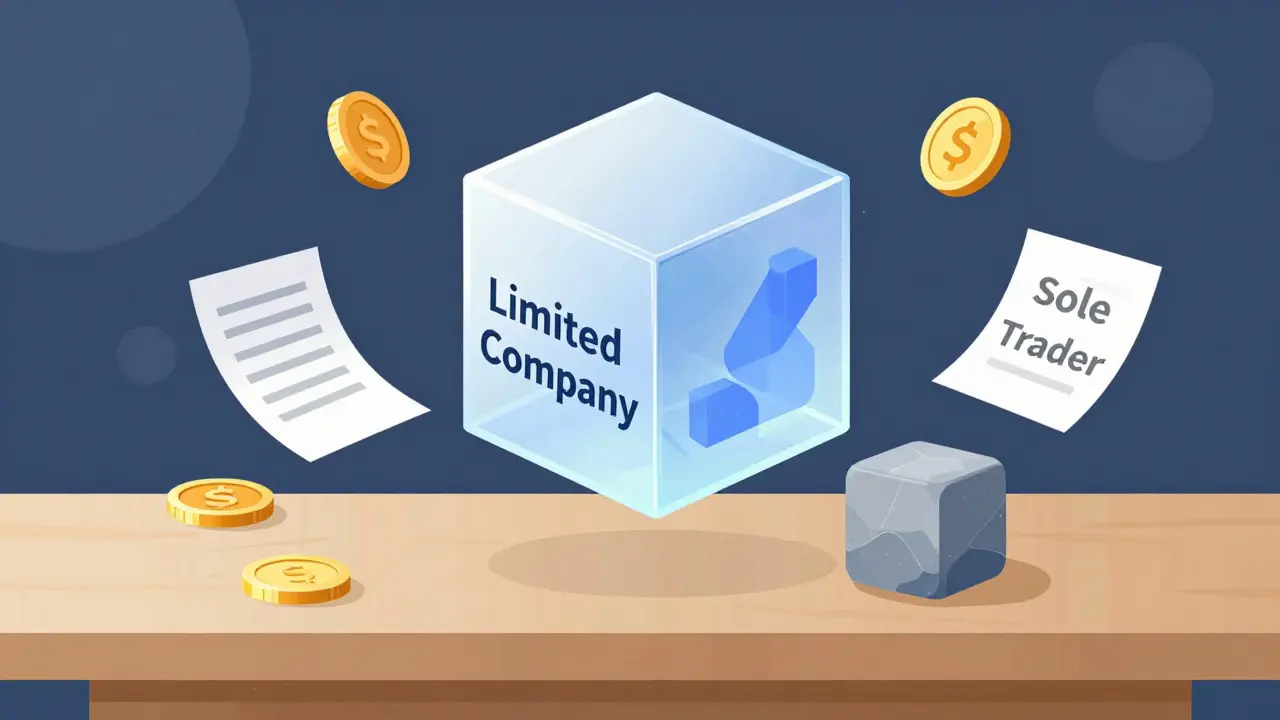
The first decision you make is how to register your business. This affects how much paperwork you do and how much personal risk you take. For most students, the choice comes down to two options: Sole Trader or Limited Company.
Sole Trader a business structure where one person owns and runs the business, with no legal separation between the owner and the enterprise is the simplest path. There is no formal registration process with Companies House. You just tell HMRC that you are self-employed. Your profits are taxed as part of your personal income. If you lose money, it can offset other income. However, you are personally liable for any debts the business incurs. If a customer sues you, they can go after your personal assets.
A Limited Company a separate legal entity distinct from its owners, providing limited liability protection to shareholders is a different beast. You must register with Companies House, file annual accounts, and submit a Corporation Tax return. The big benefit? Liability is limited to what you put into the company. If the business fails, creditors usually cannot touch your personal savings. But the administrative burden is higher. You need to keep separate bank accounts, issue invoices correctly, and handle payroll if you hire staff.
| Feature | Sole Trader | Limited Company |
|---|---|---|
| Setup Cost | £0 | ~£50 (online filing fee) |
| Paperwork | Self Assessment Tax Return only | Annual Accounts + Corporation Tax + Self Assessment |
| Liability | Unlimited (Personal Assets at Risk) | Limited (Company Assets Only) |
| Best For | Freelancing, testing ideas, low-risk services | Higher revenue, hiring staff, seeking investment |
For most students just starting out, Sole Trader is the smart move. It’s cheap, fast, and easy to cancel if the business doesn’t work out. Once you hit consistent monthly revenues of over £2,000-£3,000, or if you plan to sign long-term contracts, consider switching to a Limited Company.
Navigating Taxes and Finances
Taxes are the biggest fear for new entrepreneurs, but for students, the reality is often manageable. The UK has a Personal Allowance the amount of income you can earn before paying Income Tax, currently set at £12,570 for the 2024/2025 tax year. This means if your total taxable income (including any part-time job wages) stays under this threshold, you might not pay any Income Tax at all.
However, you still need to report your earnings. As a Sole Trader, you will receive a Unique Taxpayer Reference (UTR) from HMRC. You must file a Self Assessment tax return every year, usually by January 31st for the previous tax year. If your profits exceed £1,000, you are legally required to register for Self Assessment, even if you don't owe tax.
One critical rule: Keep business money separate from personal money. Open a dedicated business bank account. Even if you are a Sole Trader, mixing funds makes tax season a nightmare. Banks like Monzo, Starling, or traditional high-street banks offer free or low-cost business accounts that integrate well with accounting software.
Don't forget National Insurance Contributions (NICs). These are additional taxes on top of Income Tax. They fund state benefits like the State Pension. The rates change based on your income bracket, so use an online calculator from HMRC to estimate your exact liability. Many students underestimate this cost because they focus only on Income Tax.
Visa Restrictions for International Students
If you are an international student, your situation is more complex. Your right to work depends entirely on your visa conditions. Most students hold a Student Visa (formerly Tier 4).
Generally, Student Visa holders can work up to 20 hours per week during term time and unlimited hours during vacation periods. However, there are significant restrictions:
- You cannot be a director of a limited company unless the company was formed before you arrived in the UK and you were already a director then.
- You cannot be self-employed in some interpretations, though freelancing (providing services to clients) is often allowed if it fits within the hour limits. Purely trading goods (like selling products online) is usually safer than service-based freelancing regarding visa compliance.
- You cannot work as a professional sportsperson or entertainer.
Always verify your specific conditions on your Biometric Residence Permit (BRP) or digital immigration status. Getting caught working illegally can lead to visa cancellation and deportation. When in doubt, consult your university’s international student office or an immigration lawyer. They deal with these cases daily and can provide clarity that generic web advice cannot.
Finding Funding Without Taking Out Loans
Bank loans for student businesses are rare. Lenders want collateral and credit history, which most students lack. Instead, look for alternative funding sources tailored to young people.
- University Incubators: Most large UK universities have business centers. They often provide free mentorship, workspace, and sometimes seed funding in exchange for equity or simply access to your network.
- Prince's Trust: This organization offers specific programs for 18-30-year-olds, including business planning workshops and small grants of up to £5,000 for start-ups.
- Local Council Grants: Many local councils offer micro-grants for young entrepreneurs in their area. Check your local council website for "young business grants" or "enterprise support."
- Crowdfunding: Platforms like Kickstarter or GoFundMe allow you to validate your idea while raising capital. It’s also a marketing tool. If people won't back your idea, maybe it needs rethinking.
Bootstrapping-starting with your own savings-is also a valid strategy. It keeps you in control and forces you to be lean. Just ensure you have enough emergency cash for tuition fees and living expenses before pouring everything into inventory or marketing.

Practical Steps to Launch
Once you’ve decided on your structure and checked your visa status, follow these steps to get moving:
- Validate Your Idea: Talk to 10 potential customers. Don’t ask if they *would* buy; ask if they *have* paid for a solution to this problem before. Pre-sell if possible.
- Register with HMRC: If going Sole Trader, register for Self Assessment. Get your UTR number.
- Open a Business Bank Account: Separate your finances immediately.
- Set Up Accounting Software: Use tools like Xero, QuickBooks, or even a simple spreadsheet initially. Track every expense. Receipts are your best friend at tax time.
- Create a Simple Brand Identity: You don’t need a logo designer yet. Canva is free and sufficient. Ensure your name and contact details are professional.
- Start Small: Offer one core service or product. Avoid scope creep. Focus on getting your first five paying customers.
Remember, consistency beats intensity. Working 5 focused hours a day on your business is better than cramming 20 hours on weekends when you’re exhausted from lectures.
Managing Time and Energy
The hardest part isn’t the legal setup; it’s the mental load. Balancing exams, social life, and a business requires discipline. Use a calendar app to block out 'business hours.' Treat them like lectures. If you say you’ll work on the business Tuesday and Thursday from 2 PM to 5 PM, stick to it.
Delegate when possible. If you’re good at creating but bad at admin, find a partner or hire a freelancer for bookkeeping. University peers are a great resource for finding trustworthy collaborators who understand the pressure of student life.
Burnout is real. Set boundaries. Have days off. Your health and grades matter just as much as your startup metrics. A failed exam can delay graduation, which delays your ability to work full-time on the business later.
Frequently Asked Questions
Do I need insurance for my student business?
It depends on your risk level. If you sell products, Product Liability Insurance is wise. If you provide services to clients, Professional Indemnity Insurance protects you if a client claims you made a mistake. Public Liability Insurance is essential if you host events or let people visit your premises. Many insurers offer combined packages for small businesses starting from £10-£20 per month.
Can I claim back VAT on my business purchases?
Only if you are VAT registered. You must register once your turnover exceeds £90,000 in any 12-month period. Below this, you are not required to charge VAT, but you also cannot reclaim it on your costs. Some businesses choose to register early to look more professional to B2B clients, but it adds complexity. For most student startups, staying unregistered is simpler until you grow larger.
Will starting a business affect my student loan repayment?
Yes, if you become profitable. Student Loan repayments are based on your gross income. If your business profits push your total income above the repayment threshold (£27,296 for Plan 2, £25,000 for Plan 5), you will need to pay a percentage of the excess to the Student Loans Company. This is calculated through your Self Assessment tax return.
What if my business loses money?
Losses can be carried forward to offset future profits, or in some cases, offset against your other income (like a part-time job wage) in the same year or the previous year. This can reduce your overall tax bill. Speak to an accountant to maximize these deductions. It’s a common misconception that losses mean you owe nothing; they actually create a valuable tax asset.
Should I form a partnership with another student?
Partnerships can share the workload and risks, but they also complicate decision-making and profit sharing. If you go this route, write a simple Partnership Agreement. Define roles, profit splits, and what happens if one partner leaves or drops out. Verbal agreements rarely survive the stress of a growing business.