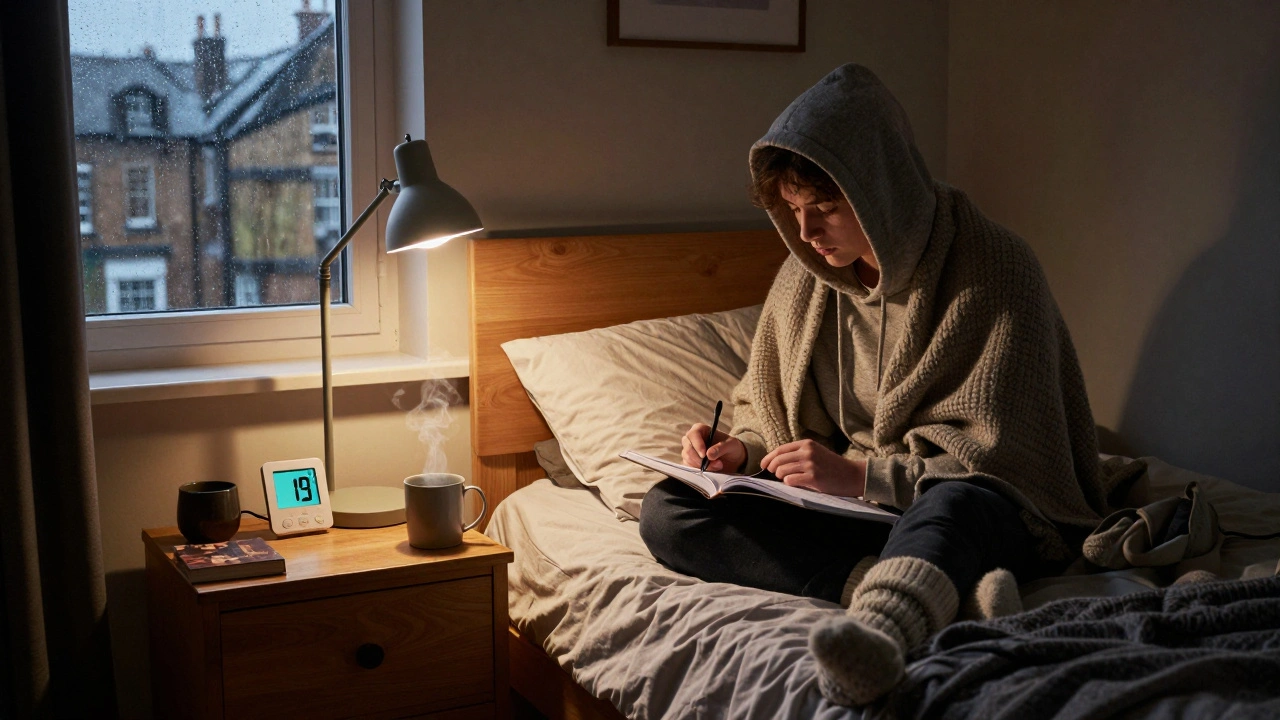
Walking into your student accommodation and seeing that first energy bill can feel like a punch to the gut. You budgeted for textbooks, groceries, and maybe a night out, but you didn’t account for the skyrocketing cost of keeping the lights on and the heating running. In the UK, energy prices have been volatile, and while the Ofgem Price Cap is a limit on the amount suppliers can charge per unit of electricity and gas helps stabilize rates, it doesn't mean you are immune to high costs if you aren't careful.
You might think there isn't much you can do about national energy markets, but you have full control over how you use that energy. By tweaking daily habits and understanding how your meter works, you can significantly lower your monthly outgoings. This isn't just about suffering through the cold; it's about smart management that keeps your wallet healthy without sacrificing comfort.
Understanding Your Energy Bill Structure
Before you start turning off switches, you need to know what you are actually paying for. Many students rent houses with shared utilities or live in halls where energy is included, but if you have your own tenancy agreement, you likely pay directly. The confusion often stems from not distinguishing between the standing charge and the unit rate.
- The Standing Charge: This is a fixed daily fee you pay just to be connected to the grid, regardless of whether you use any energy. It covers the cost of maintaining the infrastructure. You cannot reduce this by using less energy, but you can ensure you are on a tariff that has a competitive standing charge.
- Unit Rates: This is the price per kilowatt-hour (kWh) of gas or electricity you consume. This is where your behavior matters. Every time you boil water, run the washing machine, or heat the living room, you are adding to this cost.
If you are on a prepayment meter, you might also see a higher unit rate compared to direct debit customers. Always check if switching to a direct debit plan could save you money, even if it requires a bit more financial discipline.
Heating Smart: The Biggest Cost Driver
Heating accounts for roughly 60% of an average household's energy bill. For students, this is the single biggest area for savings. The temptation to blast the thermostat because it’s raining outside is real, but it’s expensive. Instead, aim for a consistent, moderate temperature rather than extreme fluctuations.
Set your thermostat to around 18-20°C (64-68°F). Each degree lower can save you approximately 10% on your heating bill. If you are studying or working from home, wear layers. A cheap hoodie and some socks cost nothing in energy terms but provide significant warmth. Use timers on your boiler if possible. There is no point heating an empty house at 2 PM when everyone is at lectures. Set the heating to come on 30 minutes before you expect to return home.
Drafts are silent money thieves. Check windows and doors for gaps where cold air sneaks in. Simple fixes like draft excluders under doors and thermal curtains over large windows can make a dramatic difference. Thermal curtains, in particular, trap heat inside the room during the day and prevent it from escaping at night. If you live in an older property, which many student rentals are, these small insulation tweaks are crucial.
Electronics and Phantom Loads
We all love our gadgets-laptops, phones, gaming consoles, and smart TVs. However, many of these devices draw power even when they are turned off. This is known as 'phantom load' or 'vampire power'. While one device might only use a tiny amount, add up five laptops, three phones, a TV, and a console, and it adds up over months.
Use power strips for your desk setup. When you leave for class or go to bed, flip the switch on the power strip. This cuts power completely to all connected devices. It’s a simple habit that prevents your laptop charger from draining energy unnecessarily. Also, unplug chargers when they aren't in use. Leaving a phone charger plugged in overnight when the battery is already full wastes electricity.
For gaming enthusiasts, consider the power settings on your console. Modern consoles like the PlayStation 5 or Xbox Series X have 'Rest Mode' options. Ensure this mode is set to low-power consumption rather than staying fully active to download updates constantly. If you're not gaming for a few days, turn it off completely.
Kitchen Habits That Save Money
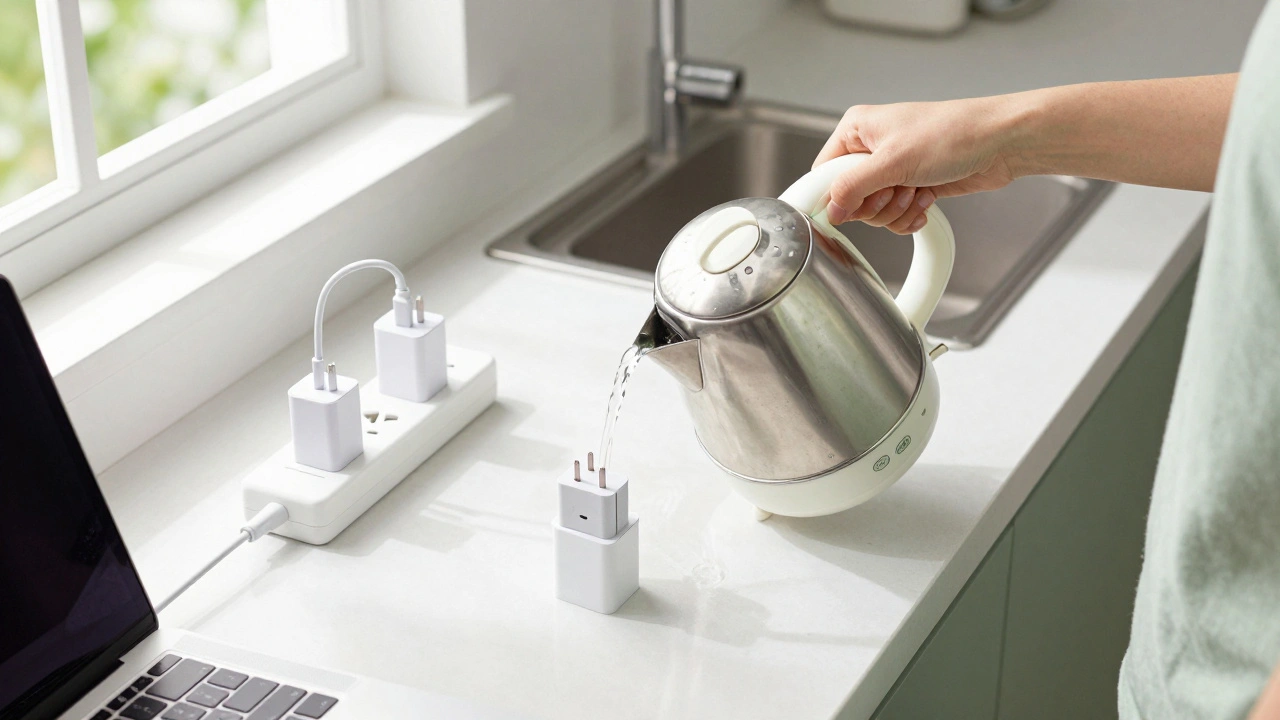
The kitchen is another hotspot for energy waste. Boiling water is one of the most common activities, but we often boil more than we need. If you are making a single cup of tea or coffee, don't fill the kettle to the top. Only boil the exact amount of water you require. This small change can save a surprising amount of electricity over a semester.
When cooking, match the pan size to the hob ring. Using a small pan on a large electric ring wastes energy heating the air around the pan. If you have a gas stove, keep the flames within the base of the pan. Covering pots with lids also speeds up cooking times, meaning you use less gas overall.
Washing machines and dishwashers are efficient, but only if used correctly. Always wait until you have a full load before running them. Running a half-empty washing machine uses almost the same amount of water and energy as a full one. Choose eco-cycles whenever possible. They take longer but use significantly less hot water and electricity. Cold washes are becoming increasingly effective for modern detergents and are perfect for lightly soiled clothes.
Lighting and Natural Light
It sounds obvious, but turning off lights when you leave a room is still one of the best ways to save money. Switch to LED bulbs if your landlord allows it. LEDs use up to 80% less energy than traditional incandescent bulbs and last much longer. Even if you can't change the bulbs, you can change your habits.
Maximize natural light during the day. Open curtains on sunny days to let sunlight warm your room and illuminate your space. This reduces the need for artificial lighting and can slightly boost room temperature. Position your study desk near a window if possible. Not only does this save on lighting costs, but natural light is also better for your eyes and mental health during long study sessions.

Tariffs and Supplier Comparison
Don't assume your current energy supplier is the cheapest. The energy market changes frequently. Use comparison sites like Uswitch or MoneySuperMarket to check if you can get a better deal. Sometimes, staying loyal to a supplier means paying more. Switching takes only a few minutes online and ensures you aren't overpaying.
Look for tariffs that offer rewards or discounts for paperless billing and direct payments. Some suppliers also offer specific deals for students or young people. Check if your university has a partnership with an energy provider that offers discounted rates. These niche deals can sometimes undercut the general market rates.
| Action | Effort Level | Estimated Annual Savings |
|---|---|---|
| Lower thermostat by 1°C | Low | £20 - £30 |
| Use power strips for electronics | Low | £10 - £15 |
| Boil only needed water | Low | £5 - £10 |
| Full loads for washing/dishes | Medium | £15 - £25 |
| Switch to LED bulbs | Medium | £10 - £20 |
Government Support and Grants
In 2026, various government schemes may still be available to help households manage energy costs. Keep an eye on announcements from the Department for Energy Security and Net Zero. Programs like the Warm Home Discount scheme provide a one-off reduction in electricity bills for eligible customers. Students on certain benefits or with disabilities may qualify for additional support.
Check if your local council offers insulation grants. Improved loft insulation or cavity wall insulation can drastically reduce heating needs. While you may not be able to install these yourself in a rented property, you can ask your landlord to apply for these improvements. It increases the property value and reduces their maintenance costs in the long run.
Building a Sustainable Routine
Saving energy shouldn't feel like a chore. Integrate these tips into your daily routine until they become automatic. Make it a group effort if you live with housemates. Create a shared checklist or reminder system to ensure everyone is contributing. Discuss energy-saving goals during house meetings. When everyone is on board, the impact on the bill is multiplied.
Remember, every kilowatt-hour saved is money back in your pocket. Whether it's for a weekend trip, better food, or saving for after graduation, reducing your energy bills gives you more freedom and less stress. Start with one or two changes today, and gradually build up your energy-smart lifestyle.
What is the best thermostat setting for students in the UK?
The recommended thermostat setting is between 18°C and 20°C (64-68°F). This range provides comfortable warmth without excessive energy use. Lowering it by just one degree can save around 10% on heating costs.
Can I switch energy suppliers if I am a student?
Yes, you can switch suppliers as long as you are the account holder. If you rent a house and pay the bills directly, you have the right to choose your supplier. Compare tariffs online to find the best deal for your usage patterns.
Does leaving devices on standby really cost money?
Yes, devices on standby draw 'phantom power'. While individual devices use little, collectively they can add up to £10-£20 per year. Using power strips to cut power completely when not in use is an effective solution.
Are there government grants for student housing insulation?
Some government schemes and local council grants may cover insulation improvements. Eligibility often depends on income, benefits status, or disability. Landlords can also apply for these improvements to increase property efficiency.
How can I reduce my water heating costs?
Only boil the water you need in the kettle. Take shorter showers instead of baths, as heating bathwater uses significantly more energy. Installing a shower timer can help you monitor usage.