
Imagine you're in your second year of study, feeling unwell on a Tuesday morning. You need a prescription or a referral, but you don't know where to go because you've never formally registered with a local doctor. This is a common hurdle for many international and domestic students moving to a new city for university. General Practitioner (GP) registration is the key to accessing most primary healthcare services in the UK. Without it, you might face delays, higher costs, or confusion about who to call when things get serious.
Why Registration Matters for Students
In the United Kingdom, the National Health Service (NHS) provides free healthcare at the point of use for residents. However, "residence" can be tricky for students. The good news is that if you are studying full-time in the UK, you are generally entitled to register with a local GP regardless of your nationality or visa status. This process links you to a specific medical practice, which acts as your primary point of contact for health issues.
Think of your GP as your health hub. They manage chronic conditions, issue prescriptions, provide vaccinations, and refer you to specialists if needed. For university students, this is crucial because campus health centers often have limited hours or specific scopes of practice. Having a registered GP ensures you have a permanent medical record and a consistent provider who knows your history.
Step 1: Find a Practice Near Your Campus
The first step is locating a practice within a reasonable distance from your accommodation. Most universities have partnerships with nearby surgeries, but you are not forced to join one. You have the right to choose any NHS practice in the country, though joining a local one makes appointments easier.
- Check your university’s student union website: Many institutions list recommended GPs or offer a dedicated portal for health services.
- Use the NHS Website: Search for "Find a GP" on the official NHS site. Enter your postcode to see practices within a 5-mile radius.
- Consider opening hours: Student life is busy. Look for practices that offer extended hours, evening clinics, or online booking systems that fit around lecture timetables.
Pro tip: If you live in a shared house, check if your neighbors are already registered with a specific practice. Joining the same group can sometimes make it easier to coordinate transport to appointments or share information about the doctor's style.
Step 2: Gather Your Documents
Before you visit the reception desk or fill out an online form, have these documents ready. Practices vary in what they strictly require, but having them speeds up the process significantly.
- Proof of address: A tenancy agreement, a letter from your university hall, or a utility bill in your name.
- ID: Passport, driving license, or national ID card.
- National Insurance Number (NI): If you have one. If not, just note that you don't; it isn't always mandatory for initial registration but helps with tax-related health benefits later.
- Previous medical records: If you have moved from another part of the UK, ask your old GP to send your records. If you are from abroad, bring any vaccination cards or chronic condition summaries if possible.
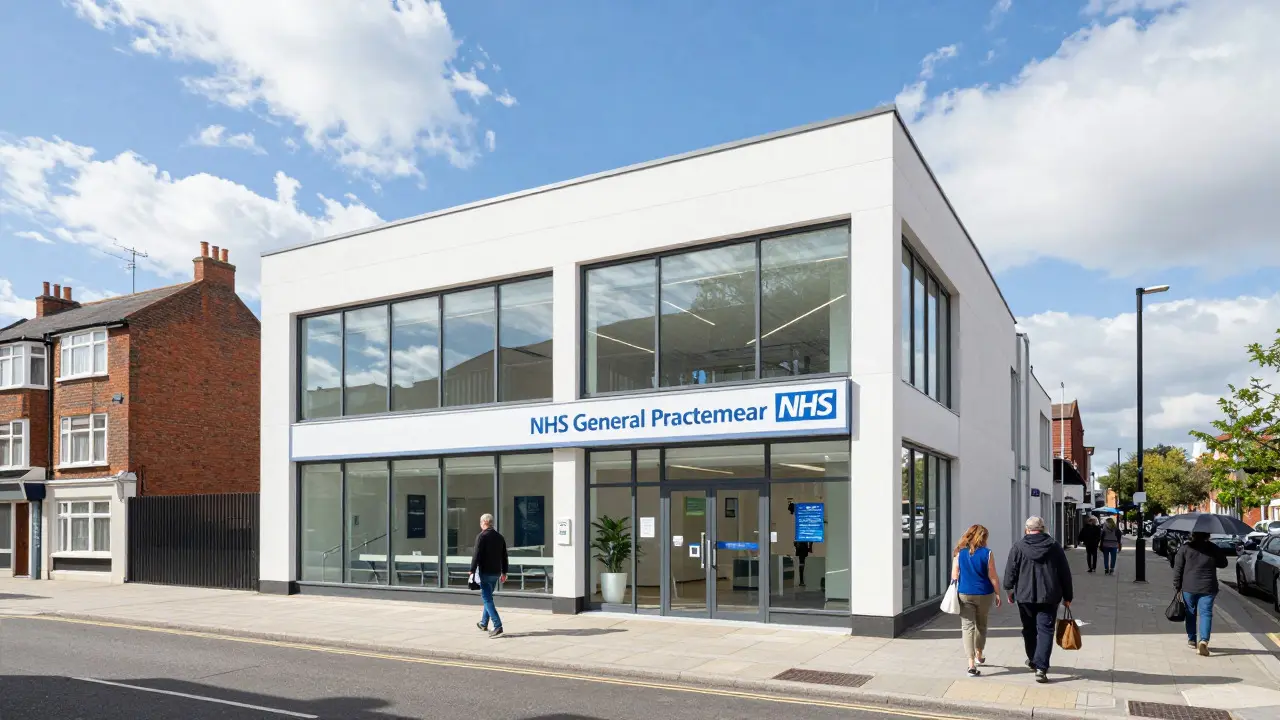
Step 3: The Registration Process
Once you have chosen a practice, you can register either in person or online. Most modern practices in major UK cities like London, Manchester, or Edinburgh have robust online portals.
If you register online, you will typically create an account, upload scans of your ID and proof of address, and answer a few basic questions about your health history. If you prefer face-to-face interaction, walk into the surgery during reception hours. Bring your documents and ask for a registration form. It usually takes less than 10 minutes to complete.
After submitting your details, the practice admin team will verify your information. You should receive a confirmation email or letter within a week. This confirms you are now on their books and eligible for NHS services.
Understanding the Costs: What’s Free and What Isn’t?
A common misconception is that everything at the GP is free. While consultations for acute illnesses are free, some services carry a charge. Here is a breakdown of what to expect:
| Service Type | Typical Cost | Notes for Students |
|---|---|---|
| Standard Consultation | Free | Covers general illness, referrals, and advice. |
| Prescriptions | Free (if under 16) / £9.90 (standard) | Students aged 16-18 are free. Full-time students over 18 may need to pay unless exempt. |
| Dental Treatment | Banded fees (£47-£290+) | Not covered by GP registration; requires separate dental registration. |
| Private Travel Vaccinations | Varies (£20-£100+) | Some travel vaccines are private; others are free via NHS travel clinic. |
Note: Prescription prices change annually. Always check the current rate on the NHS website before picking up medication. Also, if you are a postgraduate research student, your eligibility for free prescriptions may differ from undergraduate students, so double-check your specific visa or funding conditions.

Tips for Making the Most of Your GP
Registering is just the start. To get the best care, treat your GP relationship proactively. Keep a simple log of symptoms between appointments. This helps you communicate clearly and saves time. Use the online patient portal to request repeat prescriptions or view test results without calling the front desk. And remember, if you feel unheard, you have the right to switch practices. There is no penalty for changing GPs, so if one doesn't fit your schedule or communication style, look for another.
Frequently Asked Questions
Do I need a National Insurance number to register with a GP?
No, it is not strictly required for registration, especially for international students. However, having one simplifies administrative processes and is necessary for claiming certain benefits or working in the UK.
Can I keep my home country's medical records with my UK GP?
Yes. Bring physical copies or digital files of important records, such as allergy lists or chronic disease management plans. Your UK GP will add this information to your new NHS record, ensuring continuity of care.
What happens if I move to a different city during my degree?
You must re-register with a GP in your new location. Ask your old practice to transfer your medical records to the new one. This usually takes a few weeks, so notify both practices immediately after moving.
Is university health service the same as a GP?
Not exactly. University health services often provide quick access for minor ailments and mental health support, but they may not handle complex chronic conditions or long-term prescribing. Having a separate GP registration covers all bases.
How quickly can I get an appointment after registering?
For routine check-ups, it may take a few weeks. For urgent issues, you can often book a same-day or next-day slot. New registrants are usually prioritized for initial orientation appointments within two weeks.