Most student writers think the barrier to getting published is talent. It isn't. The barrier is knowing who to email and how to make them care about your story in under thirty seconds. If you're studying in the UK and want to turn your university blog or personal essays into professional bylines, you need a strategy that respects an editor's time while showcasing your unique voice. This guide breaks down exactly how to approach UK publications, from finding the right targets to crafting a pitch that gets a "yes."
Understanding the UK Media Landscape for Students
The UK publishing scene is fragmented but accessible if you know where to look. You aren't competing with seasoned journalists for front-page slots at major broadsheets like The Guardian is a leading British daily newspaper known for its in-depth reporting and opinion pieces. Instead, you are targeting niche sections, student magazines, and digital-first outlets that actively seek fresh perspectives.
Your primary targets fall into three categories:
- University Publications: These are your training ground. Magazines like Student Life or departmental newsletters have low barriers to entry but build credibility within your specific academic community.
- Niche Digital Outlets: Sites focused on sustainability, tech, or mental health often lack senior staff and welcome guest contributors. Look for platforms that publish work from people under 30.
- Local Newspapers: Regional papers in cities like Manchester, Bristol, or Edinburgh are hungry for local stories. They value hyper-local relevance over global prestige.
Before you send a single email, identify five outlets that align with your expertise. Don't just pick big names; pick places where your specific angle adds value. An editor at a finance magazine won't care about your poetry, but an editor at a cultural review might be desperate for a new voice on contemporary art.
Building Your Portfolio Before You Pitch
You don't need a book deal to start pitching, but you do need proof of concept. Editors trust writers who can deliver clean, error-free copy. If you only have a personal blog, curate your best three pieces. Ensure they cover different topics to show range. For example, one piece could be a personal essay about student debt, another a news analysis of a recent policy change, and a third a feature interview with a professor.
Create a simple PDF portfolio or a dedicated page on your website. Include contact details and a brief bio. When you pitch, link to this rather than pasting long texts into the email body. This shows professionalism and makes it easy for the editor to share your work with colleagues.
| Publication Type | Difficulty Level | Payment Potential | Best For |
|---|---|---|---|
| University Magazines | Low | Unpaid / Exposure | First bylines, networking |
| Niche Digital Blogs | Medium | £50 - £150 per piece | Building specialized authority |
| Local Newspapers | Medium-High | £100 - £300 per piece | News-style writing, local impact |
| National Online Outlets | High | £200 - £500+ per piece | Career advancement, national reach |
Crafting a Pitch That Gets Read
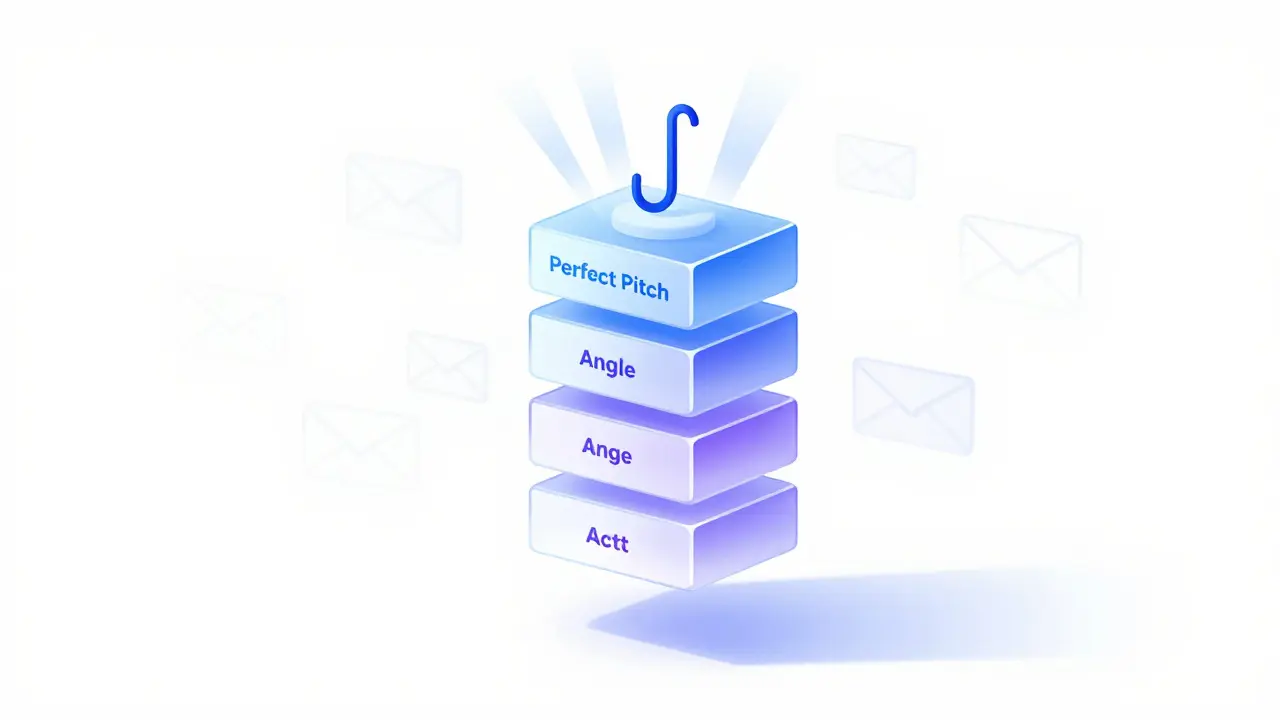
An editor receives dozens of pitches daily. Yours needs to stand out without being arrogant. The structure of your email matters more than the length. Keep it under 200 words in the body. Here is the formula that works:
- The Subject Line: Make it specific. Instead of "Pitch," use "Pitch: Why UK Universities Need Better Mental Health Support."
- The Hook: Start with a compelling fact, question, or anecdote related to your topic. Don't introduce yourself yet.
- The Angle: Explain why this story matters *now*. What is the current event or trend that makes this relevant?
- The Credibility: Briefly state why you are the right person to write this. Mention your degree, relevant experience, or previous publications.
- The Call to Action: Ask if they would like to see the full outline or draft.
Avoid generic compliments like "I love your publication." Editors hear this every day. Instead, reference a specific recent article they published and explain how your idea complements or contrasts with it. This proves you actually read their content.
Common Mistakes to Avoid
Even talented students fail to get published because of avoidable errors. Watch out for these pitfalls:
- Pitching Too Broadly: Sending the same email to ten different magazines. Each pitch should be tailored to the specific outlet's audience.
- Ignoring Guidelines: Most publications have a "Contact" or "Submissions" page. If they ask for a synopsis, send a synopsis. If they ask for a sample, include one.
- Chasing Too Hard: If you don't hear back in seven days, send one polite follow-up. If no response after two weeks, move on. Persistence is good; pestering is not.
- Writing for Yourself: Remember, you are writing for *their* readers, not for your friends. Adjust your tone and vocabulary to match the publication's style.

Turning Rejections into Opportunities
Rejection is part of the job. But in the UK media landscape, a "no" today can become a "yes" tomorrow. Keep a spreadsheet of every pitch you send. Track the date, the editor's name, the publication, and the outcome. After six months, revisit those rejections. Sometimes, a topic that was too early becomes timely later. Or, you may have improved your writing enough to warrant a second chance.
Also, network at industry events. The Society of Young Journalists (SYJ) and various university press clubs host meetups where you can meet editors face-to-face. A quick conversation at a mixer can open doors that cold emails cannot. Show up prepared with business cards or a QR code linking to your portfolio.
Frequently Asked Questions
Do I need to be a journalism student to pitch editors?
No. Many successful freelance writers come from backgrounds in law, science, arts, or business. Your subject matter expertise is often more valuable than formal journalism training. Focus on demonstrating strong writing skills and deep knowledge of your niche.
How much should I charge for my first guest posts?
For your first few pieces, consider working for exposure to build your portfolio. Once you have two or three published bylines, start asking for payment. In the UK, standard rates for student-level freelance writing range from £50 to £150 per 800-1000 words. Research specific publication rates before negotiating.
What is the best time to send a pitch email?
Tuesday through Thursday mornings are generally considered the best times. Editors are less likely to be overwhelmed by Monday deadlines or Friday wrap-ups. Avoid sending pitches late at night or on weekends unless you have a direct relationship with the editor.
Can I pitch the same story to multiple editors at once?
Yes, but only if the outlets have distinct audiences. If you pitch a story about student housing to a national paper and a local paper simultaneously, it's usually fine. However, avoid pitching exclusive stories to multiple competitors. Always check if a publication requires exclusivity before hitting send.
How do I handle editing feedback from an editor?
Take it professionally. Editors are responsible for the final product, so their notes are usually valid. Respond quickly to edits and ask clarifying questions if something is unclear. Building a reputation for being easy to work with will lead to repeat assignments.